

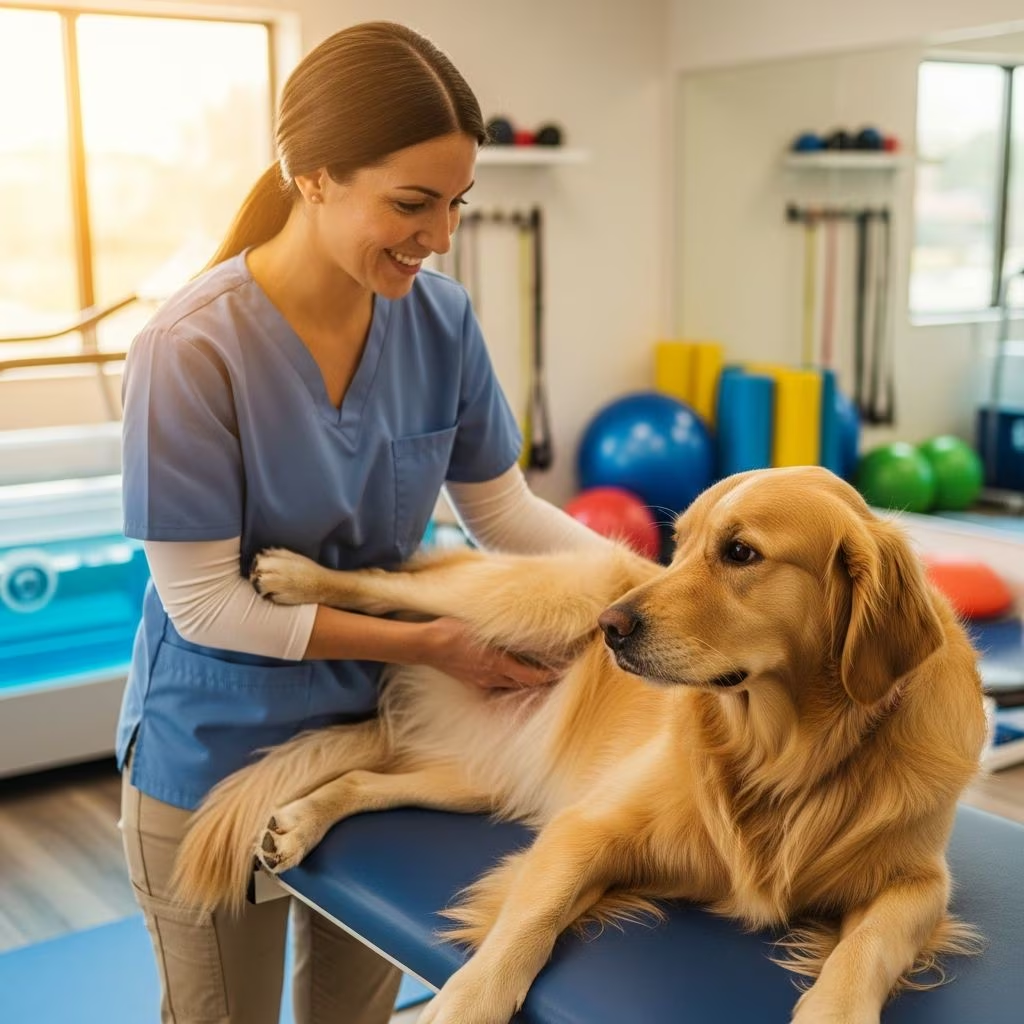
Physical therapy for dogs offers a structured approach to healing, much like treatments used in human medicine, focusing on restoring function, reducing discomfort, and building resilience in pets facing injuries, surgeries, or chronic conditions.
Why Dogs Need Physical Rehabilitation
Many dogs encounter mobility challenges from accidents, orthopedic surgeries, neurological issues, or age-related decline such as arthritis. Rehabilitation accelerates tissue repair, enhances joint function, and minimizes reliance on medications by addressing root causes through tailored interventions.
Conditions like hip dysplasia, ligament tears, or post-operative recovery benefit immensely, with therapies promoting endorphin release for natural pain relief and improved circulation for faster healing.
Core Benefits of Therapy Programs
Implementing a rehab plan yields measurable improvements in daily life for canine patients.
- Pain Reduction: Techniques stimulate endorphins and decrease inflammation, offering relief from arthritis or surgical pain without heavy drug use.
- Enhanced Mobility: Customized exercises rebuild strength and flexibility, helping dogs regain independence.
- Faster Recovery: Post-injury or surgery, therapies shorten downtime by optimizing healing processes.[10]
- Weight Control: Low-impact activities burn calories and support joint health in overweight pets.
- Better Balance and Endurance: Training improves coordination, reducing fall risks and boosting stamina.
- Improved Circulation: Methods like massage enhance blood flow, aiding toxin removal and tissue nourishment.
Popular Therapy Techniques Explained
Veterinary rehab specialists select from a range of evidence-based methods, often combining them for optimal results based on the dog’s age, breed, and condition.
Hydrotherapy and Underwater Treadmills
Hydrotherapy leverages water’s buoyancy to support weight-bearing exercises with minimal joint stress. Dogs walk on submerged treadmills or swim, building muscle while improving cardiovascular fitness and range of motion.
This is ideal for surgical recovery, obesity management, or arthritis, as it allows full-body movement without gravitational strain.
Laser and Light Therapies
Cold laser therapy uses low-level light to penetrate tissues, promoting cell regeneration, reducing swelling, and alleviating pain in conditions like tendonitis or joint disease.
Sessions are non-invasive, painless, and often paired with other treatments for compounded effects on inflammation.
Manual Therapies and Massage
Hands-on approaches, including therapeutic massage, release muscle tension, improve flexibility, and boost circulation. Techniques target trigger points or apply gentle pressure to fascia for pain relief.
Passive range of motion (PROM) involves carefully guiding limbs through movements to prevent stiffness post-injury.
Targeted Strengthening Exercises
Professionals design routines using tools like balance boards, exercise balls, or resistance bands to enhance core stability, proprioception, and limb strength.
| Exercise Type | Purpose | Suitable For |
|---|---|---|
| Weight Shifting | Builds stability and coordination | Post-surgery, balance issues |
| Balance Board Work | Improves proprioception | Neurological conditions |
| Sit-to-Stand Reps | Strengthens hindquarters | Arthritis, weakness |
| Side-Hopping | Enhances agility | Healthy or mild rehab |
Advanced Modalities
Options like electrical stimulation activate muscles electrically, acupuncture balances energy flow for pain control, and shockwave therapy breaks down scar tissue.
Heat and cryotherapy alternate to manage swelling and prepare tissues for exercise.
At-Home Exercises for Pet Owners
Under veterinary guidance, owners can reinforce professional sessions with simple home routines to maintain progress.
- Dancing Drills: Lift front legs to encourage standing and swaying motions for balance.
- Treat-Induced Stretches: Lure nose to hips or between legs while keeping feet planted.
- Leash Walks: Controlled pacing with harnesses, adding jog intervals as tolerated.
- Swimming Sessions: In shallow pools for low-impact cardio.
Always monitor for fatigue or pain, starting slow and consulting therapists for progression.
Conditions That Respond Best
Rehab shines for orthopedic surgeries (e.g., cruciate repairs), degenerative diseases, obesity, and geriatric care. It can even serve as a surgery alternative for select cases, preserving function in seniors.[10]
Neurological recoveries, like intervertebral disc disease, see gains in coordination and strength.
Finding Qualified Providers
Seek certified canine rehabilitation therapists (CCRT) or facilities affiliated with veterinary hospitals. Initial assessments evaluate gait, muscle tone, and pain levels to craft personalized plans.[10]
Expect 4-8 week programs with 1-2 sessions weekly, transitioning to home maintenance.
Potential Challenges and Precautions
Not all dogs tolerate therapy immediately; gradual introduction prevents overwhelm. Contraindications include acute infections or unstable fractures.
Costs vary, but insurance or payment plans may apply. Track progress via mobility scores or owner logs.
Real-World Success Stories
Dogs post-TPLO surgery often walk unaided within weeks, while arthritic seniors regain playfulness through consistent hydrotherapy.
FAQs
Is physical therapy painful for dogs?
No, sessions prioritize comfort using gentle, positive reinforcement methods.
How soon after surgery can therapy start?
Typically 1-2 weeks, per vet approval, focusing on PROM initially.
Can healthy dogs benefit?
Yes, for conditioning, injury prevention, or performance enhancement.
What equipment is needed at home?
Basic items like harnesses, balls, or ramps; avoid unguided use of advanced tools.
How long until results show?
Improvements often appear in 2-4 weeks with adherence.[10]
References
- How Dog Physical Therapy Can Improve Your Dog’s Life — Union Lake Veterinary Hospital. 2023. https://unionlakeveterinaryhospital.com/blog/how-dog-physical-therapy-can-improve-your-dogs-life
- A Rundown of Physical Therapy for Dogs — Zoetis Petcare. 2023. https://www.zoetispetcare.com/blog/article/physical-therapy-dogs
- The Benefits of Physical Rehabilitation for Dogs — Hope Center Veterinary. 2023-04-22. https://www.hopecentervet.com/site/blog/2023/04/22/benefits-physical-rehabilitation-dogs
- Physical Therapy for Dogs Work — Tampa Bay K9 Rehabilitation Center. 2023. https://www.tbk9rehab.com/blog/physical-therapy-for-dogs-work
- 8 Amazing Benefits of Physical Rehabilitation for Dogs — Dixah Veterinary. 2023-07-21. https://www.dixah.com/site/blog/2023/07/21/benefits-physical-rehabilitation-dog
- Dog Physical Therapy: Everything a Pet Parent Should Know — PetMD. 2023. https://www.petmd.com/dog/general-health/dog-physical-therapy
- Types of Dog Physical Therapy: Exercises, Modalities, Techniques — Top Dog Health. 2023. https://topdoghealth.com/what-are-dog-physical-therapy-exercises/



