

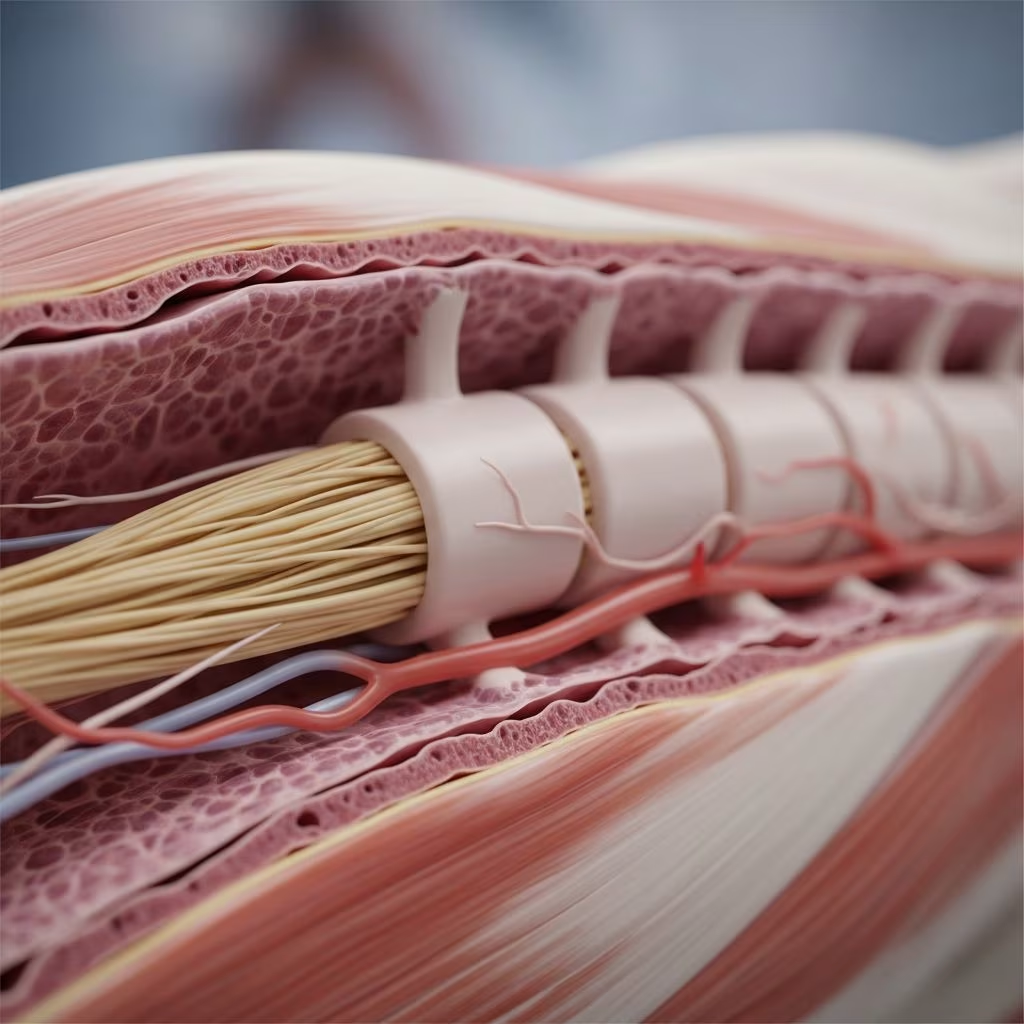
Peripheral nerve disorders in dogs involve damage or dysfunction outside the brain and spinal cord, affecting signal transmission to muscles and sensory organs. These conditions can lead to weakness, coordination loss, and pain, impacting a dog’s quality of life significantly. Early recognition and intervention are crucial for managing symptoms and preventing progression.
Understanding the Peripheral Nervous System in Dogs
The peripheral nervous system comprises nerves branching from the spinal cord to limbs, organs, and skin, divided into somatic nerves for voluntary movement and sensory feedback, and autonomic nerves for involuntary functions like heart rate and digestion. Disorders here disrupt these pathways, unlike central nervous system issues confined to the brain or spine.
When nerves degenerate or become inflamed, dogs may exhibit dragging limbs, muscle wasting, or altered sensations. Neuromuscular junction problems occur where nerves meet muscles, impairing contraction signals. These issues arise from various triggers, demanding precise veterinary assessment.
Common Causes of Nerve Damage in Canine Patients
Nerve disorders stem from multiple origins. Trauma, such as injuries from accidents or surgeries, crushes nerve fibers directly. Infections like toxoplasmosis or fungal diseases inflame nerves, while metabolic conditions, including diabetes, cause gradual degeneration through poor blood flow.
- Immune-mediated attacks: The body mistakenly targets nerve sheaths, as in acute polyradiculoneuritis, akin to Guillain-Barré syndrome in humans.
- Toxic exposures: Certain chemicals or drugs damage myelin, the insulating nerve layer.
- Genetic predispositions: Breeds like Labradors face hereditary sensory neuropathies from birth.
- Cancerous infiltrations: Tumors compress or invade nerves, worsening mobility.
Nutritional deficiencies, notably thiamine shortage, and endocrine imbalances like hypothyroidism also contribute, highlighting the need for holistic health checks.
Recognizing Symptoms Across Nerve Types
Symptoms vary by affected nerves. Motor nerve damage causes **flaccid paralysis**, where limbs weaken and flop without resistance, progressing from subtle limping to complete inability to stand. Sensory deficits manifest as insensitivity to touch, pain, or temperature, leading dogs to injure paws unnoticed.
| Symptom Type | Description | Examples |
|---|---|---|
| Motor | Weakness, tremors, atrophy | Dragging feet, inability to rise |
| Sensory | Loss of feeling, hypersensitivity | Yelping on touch, excessive licking |
| Autonomic | Organ dysfunction | Incontinence, dilated pupils, regurgitation |
Autonomic involvement adds incontinence or irregular breathing, signaling severe cases. Puppies with genetic forms show early signs like knuckling paws or self-mutilation.
Diagnostic Approaches for Accurate Identification
Veterinarians start with a thorough history and neurological exam, testing reflexes, gait, and sensation. Blood tests screen for diabetes, infections, or toxins, while cerebrospinal fluid analysis detects inflammation.
Electromyography (EMG) records muscle electrical activity, revealing denervation patterns. Nerve conduction velocity tests measure signal speed, slowed in demyelinating diseases. Biopsies confirm damage type, axonal versus myelin loss.
- Imaging like MRI pinpoints compressions from discs or tumors.
- Quantitative sensory testing, using thermal stimuli, quantifies pain thresholds.
These tools differentiate peripheral from central issues, guiding therapy.
Treatment Strategies: Medical and Supportive Care
Treatment targets underlying causes where possible. For immune-mediated neuropathies, corticosteroids like prednisone suppress attacks, often combined with immunosuppressants. Pain management employs gabapentin or pregabalin, blocking aberrant nerve firing, with amantadine for central sensitization.
Diabetic dogs require glucose control and low-fat diets for hyperchylomicronemia recovery. Infections demand antibiotics or antifungals. Severe trauma may necessitate surgery to relieve pressure from herniated discs.
Pharmacological Interventions
| Drug Class | Purpose | Common Examples |
|---|---|---|
| Anticonvulsants | Neuropathic pain relief | Gabapentin, Pregabalin |
| Anti-inflammatories | Swelling reduction | Prednisone, NSAIDs |
| Tricyclics | Pain modulation | Amitriptyline |
Hospitalization aids acute cases at risk of respiratory failure, with fluids and feeding support.
Rehabilitation and Physical Therapies
Physiotherapy rebuilds strength post-onset. Hydrotherapy in warm water supports weightless movement, preventing atrophy. Laser therapy accelerates healing by boosting circulation, while acupuncture eases chronic pain.
- Massage improves blood flow, reducing stiffness.
- Balance exercises on wobble boards enhance coordination.
- Shockwave therapy targets deep tissues for regeneration.
Consistent rehab, 2-3 sessions weekly, yields measurable gains in mobility, especially within onset’s first weeks.
Prognosis and Long-Term Management
Outcomes depend on cause and timeliness. Acute inflammatory types often resolve spontaneously in 4-6 weeks with nursing care. Genetic sensory neuropathies lack cures, leading to euthanasia if quality declines. Diabetic neuropathies stabilize with management, though some persist.
Owners monitor for relapse, maintaining low-fat diets or medications lifelong. Regular vet checkups track progress via repeat EMG.
Prevention Tips for Nerve Health
Avoid toxins like organophosphates, ensure balanced nutrition rich in B vitamins, and control chronic diseases promptly. Genetic testing for at-risk breeds like Longhaired Dachshunds aids breeding decisions.
Frequently Asked Questions (FAQs)
Can peripheral neuropathy in dogs be cured?
Many cases manage symptoms effectively, but cures vary; immune-mediated forms often improve, while genetic ones may not.
What are early signs of nerve damage in a dog’s legs?
Look for limping, knuckling, or reluctance to jump; sensory changes like licking paws signal issues.
Is physical therapy essential for recovery?
Yes, it prevents muscle loss and promotes nerve regrowth, significantly boosting outcomes.
How do I know if my dog has autonomic nerve involvement?
Symptoms include urinary accidents, vomiting, or heart irregularities; seek immediate vet care.
Are certain breeds more prone to these disorders?
Yes, German Shepherds for dysautonomia, Labradors for sensory neuropathy; screening helps.
References
- Nerve Disorder Affecting Multiple Nerves in Dogs — PetMD. 2023. https://www.petmd.com/dog/conditions/neurological/c_multi_peripheral_neuropathies
- Dog Nerve Damage: Treatment Options & More — Veterinary Healthcare Associates. 2024. https://vhavets.com/blog/dog-nerve-damage-treatment/
- Peripheral Neuropathy — BrightCare Animal Neurology. 2023. https://brightcarevet.com/animal-neurology/peripheral-neuropathy/
- Neuropathic Disorders — IVIS.org. 2022. https://www.ivis.org/library/braunds-clinical-neurology-small-animals-localization-diagnosis-and-treatment/neuropathic
- Managing Neuropathic Pain in Dogs — PMC – NIH. 2016-01-28. https://pmc.ncbi.nlm.nih.gov/articles/PMC4762016/
- Understanding Sensory Neuropathy in Dogs — EmbarkVet. 2024. https://embarkvet.com/products/dog-health/health-conditions/sensory-neuropathy/



