

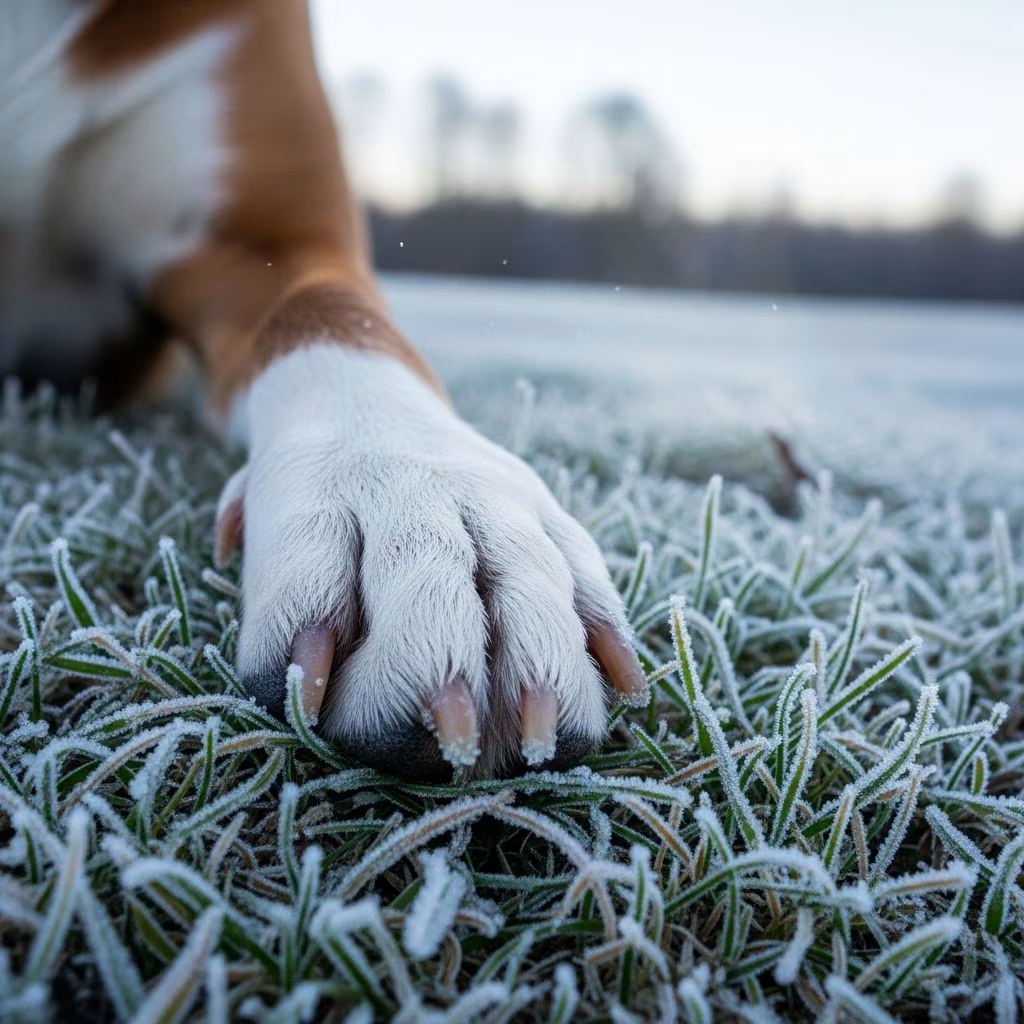
Dogs’ paws can feel cold to the touch due to environmental exposure, circulation dynamics, or underlying health factors, but they play a key role in thermoregulation via limited sweat glands and blood vessel dilation.
The Anatomy of a Dog’s Paw and Its Role in Heat Exchange
Dog paws consist of tough, padded surfaces made of fatty tissue that provide insulation, shock absorption, and a platform for temperature control. These pads house merocrine sweat glands, which activate during overheating to release moisture for evaporative cooling, unlike human sweat distributed across the body. The paw’s structure, with thinner fur coverage and dense blood vessel networks, allows efficient heat dissipation when dilated, circulating warm blood near the surface to cool before returning to the core.
This setup makes paws vulnerable to external temperatures. In cold conditions, paws lose heat rapidly due to direct contact with chilled ground, while in heat, they serve as a primary outlet for excess body warmth. Understanding this balance helps owners recognize normal variations versus concerns.
Why Do Dogs’ Paws Feel Cold? Common Environmental Triggers
Cold paws often stem from simple exposure. Walking on icy sidewalks, snowy paths, or cool tiles draws heat from the pads, as dogs lack the shivering response humans use and depend on blood flow for warmth. Fur insulates the body but leaves paws exposed, amplifying chill during winter outings.
- Winter Walks: Snow and ice cause rapid cooling, especially in short-haired breeds.
- Indoor Floors: Tile or hardwood absorbs ambient cold, chilling paws post-outdoor activity.
- Water Exposure: Wet paws from rain or baths evaporate quickly in cool air, dropping temperature.
These are typically temporary; paws warm as the dog rests in a heated space, aided by increased circulation.
Circulatory Factors Influencing Paw Warmth
Blood flow dictates paw temperature. When core body heat is prioritized, extremities like paws receive less circulation, resulting in coldness. Vasoconstriction in cold weather narrows vessels to conserve heat centrally, a survival mechanism that cools paws.
Poor circulation from age, inactivity, or conditions like heart disease exacerbates this. Lethargy, reluctance to walk, or persistently icy paws signal potential issues needing veterinary evaluation. Monitoring alongside gum color and energy levels provides context.
Health Conditions Linked to Persistently Cold Paws
Beyond environment, medical factors contribute. Hypothyroidism slows metabolism, impairing thermoregulation and causing overall chilliness, including cold paws. Diabetes affects circulation, reducing blood delivery to extremities. Anemia or cardiovascular problems similarly limit oxygen-rich blood flow.
| Condition | Symptoms with Cold Paws | Action |
|---|---|---|
| Hypothyroidism | Weight gain, lethargy, hair loss | Blood tests for thyroid levels |
| Diabetes | Increased thirst, urination | Glucose monitoring |
| Heart Disease | Coughing, fatigue | Echocardiogram |
Consult a vet if cold paws persist in mild weather or accompany other signs. Early detection prevents complications.
Hot Weather Risks: When Paws Overheat Instead
Conversely, summer poses burns from scorching pavement. Asphalt can hit 125°F on 85°F days, blistering pads before owners notice. The “seven-second rule” tests safety: if too hot for your hand, avoid it for paws.
Dogs cool mainly via panting and paw evaporation, but hot ground hinders this, risking heatstroke (body temp over 106°F). Breeds with thick coats or brachycephalic faces (e.g., Bulldogs) overheat faster.
Seasonal Paw Protection Strategies
Winter Safeguards
Shield paws with booties to block snow, salt, and ice melt chemicals. Apply paw wax for a moisture barrier, preventing cracks. Post-walk, rinse with warm water and dry thoroughly to avoid frostbite. Limit outings to short relief breaks; provide insulated beds indoors.
Summer Defense Tactics
Walk early mornings or evenings on grass/shade. Use booties or balms on hot days. Offer cooling mats or shallow pools for paw immersion in lukewarm water. Mist with cool water on pads, avoiding ice to prevent vessel constriction.
- Booties for traction and protection.
- Cooling mats for resting heat transfer.
- Paw balms to soothe and shield.
Daily Paw Care Routine for Temperature Balance
Inspect paws weekly for cracks, swelling, or discoloration. Trim fur between toes to prevent ice balls. Moisturize with vet-approved balms. Ensure balanced diet supports circulation; omega-3s aid vascular health.
For cooling, provide shaded areas, fans, and constant fresh water. Monitor resting temp (99-102.5°F normal); rectal over 104°F warrants cooling and vet care.
Breed Variations in Paw Sensitivity
Northern breeds like Huskies have tougher, oilier pads suited to cold but risk cracking in heat. Thin-coated dogs (Greyhounds) chill faster in winter. Puppies and seniors have sensitive skin needing extra vigilance.
FAQs on Dog Paw Temperatures
Are cold paws always a problem?
No, often due to cold exposure; persistent cases with symptoms need vet checks.
How do I warm cold paws safely?
Warm baths or towels; never hot water or hairdryers directly.
Can I use ice on hot paws?
No, cool water only to avoid shocking vessels.
Do all dogs sweat through paws?
Yes, merocrine glands in pads provide limited cooling.
When is pavement too hot?
If unbearable for 7 seconds on hand’s back.
Monitoring for Emergencies
Heatstroke signs: excessive panting, drooling, collapse. Frostbite: discolored, swollen paws. Immediate vet for either.
References
- How Dogs Cool Themselves: Panting, Vasodilation, and More — Hobesoundvet.com. 2023-06-15. https://www.hobesoundvet.com/how-your-dog-cools-himself-down/
- Why Are My Dog’s Paws Cold? | Common Causes and Solutions — Sparkpaws.com. 2024-11-20. https://www.sparkpaws.com/blogs/community/why-are-my-dogs-paws-cold
- How to Cool Down Dogs: 7 Vet-Approved Tips — Pawlicy.com. 2025-05-10. https://www.pawlicy.com/blog/how-to-cool-down-dogs/
- How to Protect Your Dog’s Paws in Winter — REI.com. 2024-12-05. https://www.rei.com/learn/expert-advice/how-to-protect-your-dogs-paws-in-winter.html
- How to Protect Dog Paws From Hot Pavement, Sidewalks — AKC.org. 2025-07-22. https://www.akc.org/expert-advice/health/dog-paws-hot-pavement/
- How Hot Is Too Hot for Your Dog’s Paws? — Cityvet.com. 2024-08-14. https://www.cityvet.com/how-hot-is-too-hot-for-your-dogs-paws/



