

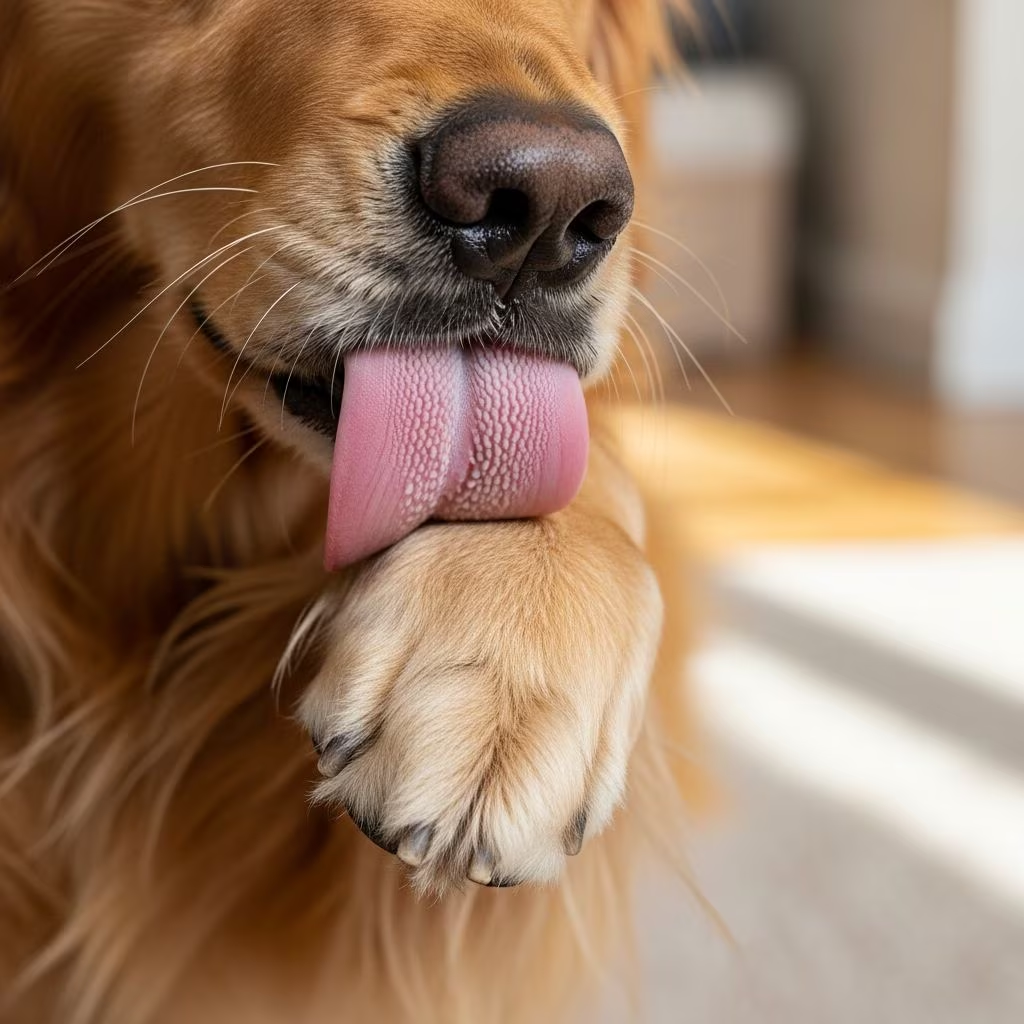
Many dog owners observe their pets engaging in frequent paw licking, sometimes to the point where the skin becomes raw, irritated, and damaged. While occasional licking is a normal part of canine grooming behavior, persistent and intense licking often signals an underlying health concern or psychological issue that demands attention. Understanding the root causes of this behavior is essential for providing appropriate care and preventing complications.
Recognizing When Paw Licking Becomes Problematic
Dogs naturally lick their paws as part of their grooming routine, particularly after outdoor activities or when their feet come into contact with dirt or moisture. However, when licking becomes compulsive, frequent, or results in visible damage to the skin and fur, it transitions from normal behavior to a potential health indicator. Signs that warrant veterinary evaluation include:
- Persistent licking that occurs multiple times throughout the day
- Raw, inflamed, or hairless patches on the paws
- Discharge, odor, or visible infection on the affected areas
- Limping, reluctance to bear weight, or altered gait
- Behavioral changes such as restlessness or increased anxiety
- Swelling or discoloration of the paw pads
Environmental and Seasonal Allergies as Primary Culprits
Environmental allergies represent one of the most prevalent reasons dogs develop excessive paw-licking behaviors. Similar to humans who experience hay fever, dogs can react to airborne allergens and environmental irritants that trigger inflammatory responses in their skin. These allergic reactions, clinically known as atopic dermatitis, manifest primarily through itching and discomfort concentrated in the paws and feet.
Common environmental triggers that provoke allergic responses in dogs include pollen from trees and grasses, mold spores released during humid seasons, and household dust mites that accumulate in living spaces. Many dog owners notice that their pets experience increased paw licking during specific seasons when particular allergens become more prevalent. Additionally, exposure to yard chemicals, de-icing products applied to driveways during winter, or certain grass and weed species in the landscaping can trigger localized allergic reactions.
The inflammatory cascade initiated by environmental allergens causes the paw pads and surrounding skin to become itchy and uncomfortable, leading dogs to lick the area in an attempt to find relief. Over time, this excessive licking can break down the skin’s protective barrier, creating conditions conducive to secondary infections.
Nutritional Sensitivities and Dietary Triggers
Food allergies and sensitivities represent another significant category of causes for excessive paw licking. Unlike environmental allergies that may be seasonal or situational, food-related allergic reactions can be ongoing and progressive, depending on the dog’s diet. Certain protein sources commonly implicated in canine food allergies include chicken, beef, pork, and eggs, though individual dogs may react to different ingredients.
When a dog consumes food containing ingredients to which they are sensitive, their immune system mounts an inflammatory response. This systemic reaction frequently manifests as itching, particularly in the paws, joints, and ears. Dog owners may notice that paw licking intensifies or remains consistent throughout the year rather than showing seasonal patterns, which can help distinguish food allergies from environmental allergies.
Identifying the specific dietary ingredient causing the reaction typically requires working with a veterinarian to implement elimination diets or dietary trials. These systematic approaches involve removing suspected trigger ingredients and monitoring whether the excessive licking behavior improves.
Parasitic Infestations and Skin Mites
Parasites that inhabit a dog’s skin and coat can cause intense itching that drives obsessive paw licking. Fleas, despite their small size, can trigger severe itching responses, particularly in dogs with flea allergy dermatitis. This condition develops when dogs experience allergic reactions not to the fleas themselves but to proteins in flea saliva, amplifying the discomfort beyond what non-allergic dogs experience.
Ticks, while less directly associated with paw licking than fleas, can still cause localized irritation if they attach to the paw area. Mites represent another parasitic concern, with certain mite species causing mange, a serious skin disease characterized by extreme itching and hair loss. Demodex mites and Sarcoptes mites are two primary culprits in canine mange, both of which can lead to severe skin damage if left untreated.
Preventing parasitic infestations involves maintaining consistent flea and tick prevention protocols as recommended by veterinarians, particularly during warmer months when parasite activity increases. Regular inspection of the paws and skin for signs of parasites or unusual irritation can facilitate early detection and treatment.
Bacterial and Fungal Skin Infections
The moist environment created by continuous paw licking becomes increasingly susceptible to secondary infections. When a dog licks their paws persistently, the area remains damp, creating ideal conditions for bacterial colonization and yeast proliferation. Staphylococcus and other bacterial species thrive in warm, moist environments, while Malassezia yeast frequently establishes infections on compromised skin.
These secondary infections complicate the original condition and intensify the itching sensation, creating a self-perpetuating cycle. The dog licks to relieve the itching from the underlying condition, the continuous licking damages the skin and keeps it moist, and the moist environment enables infection development, which increases itching and encourages more licking. Breaking this cycle requires addressing both the underlying cause and the infection simultaneously.
Veterinarians may prescribe topical antifungal treatments, antibiotic medications, or medicated shampoos specifically formulated to treat these secondary infections while the primary cause is being identified and managed.
Structural Injuries and Localized Pain
Acute injuries to the paw represent another straightforward cause of excessive licking. Dogs may step on sharp objects such as glass, thorns, or metal, or burn their paw pads on hot pavement during summer months or develop chemical burns from contact with de-icing salts in winter. Foreign bodies such as splinters, grass awns, or small stones can become embedded in the paw pads, causing irritation and prompting licking.
Additionally, chronic conditions affecting the skeletal system can manifest as paw licking. Arthritis, joint pain, and other orthopedic issues may cause dogs to lick the affected area. Fractured or broken nails, ingrown nails, and dry, cracked paw pads also drive compensatory licking behaviors.
Careful inspection of the paws can reveal visible injuries, embedded objects, or structural abnormalities. When examining a dog’s paws, check between the toes, inspect the paw pads thoroughly, and assess whether the dog shows pain or discomfort when specific areas are touched. Dogs that focus licking on a single paw or that limp or avoid bearing weight suggest localized pain or injury requiring veterinary assessment.
Psychological Factors and Behavioral Manifestations
Beyond physical and medical causes, psychological factors significantly influence paw-licking behavior. Dogs experiencing anxiety, stress, or boredom may develop compulsive licking as a self-soothing mechanism, similar to how humans might bite their fingernails or pull at their hair during stressful periods. Separation anxiety, fear responses to loud noises or unfamiliar situations, and chronic under-stimulation from insufficient exercise or mental enrichment can all trigger excessive paw licking.
When dogs engage in stress-related paw licking, the behavior often persists even after underlying medical causes have been ruled out or treated. This behavioral component may require intervention from a veterinary behaviorist, including environmental modifications, increased exercise, behavioral training, or in some cases, anti-anxiety medications.
Dogs left alone for extended periods or experiencing significant changes in their household environment may develop compulsive licking behaviors as coping mechanisms. Addressing these psychological factors requires attention to the dog’s daily routine, exercise requirements, social interactions, and environmental enrichment.
Advanced Conditions: Lick Granulomas and Acral Dermatitis
In cases where excessive paw licking continues unaddressed over extended periods, dogs can develop lick granulomas, clinically termed acral lick dermatitis. These lesions represent severe, self-inflicted damage characterized by large, hairless, inflamed areas typically appearing on the front portion of the carpus or wrist. The exact mechanism triggering lick granuloma development involves complex interactions between behavioral and medical factors.
Once established, lick granulomas can become chronic obsessive behaviors difficult to interrupt, even after the original triggering condition resolves. The neurological pathways associated with the compulsive licking become reinforced, and the dog may continue licking despite pain or discomfort. Treatment of established lick granulomas often requires multimodal approaches combining medical therapy, behavioral intervention, and sometimes pharmaceutical management of obsessive-compulsive tendencies.
Diagnostic Approaches and Veterinary Evaluation
Determining the underlying cause of excessive paw licking requires systematic veterinary investigation. Veterinarians typically begin by taking a detailed history regarding when the behavior started, whether it is seasonal or year-round, whether specific triggers have been observed, and what treatments have been attempted previously.
Physical examination involves careful assessment of the paws, including visual inspection for injuries, parasites, infections, or skin abnormalities. Cytology samples may be collected to identify bacterial or fungal infections. Allergy testing, either through blood tests or intradermal skin testing, can help identify environmental or food allergens. In some cases, elimination diets may be recommended to identify food sensitivities through systematic dietary changes.
Ruling out serious underlying conditions such as arthritis, neurological disorders, or canine dementia in senior dogs may require imaging studies or additional diagnostic testing. This comprehensive approach ensures that the identified cause matches the clinical presentation and that treatment recommendations address the true etiology.
Treatment Strategies and Management Plans
Treatment approaches vary significantly based on the identified underlying cause. For allergic conditions, management strategies may include antihistamines, corticosteroids, immunosuppressive medications, or specialized allergy-specific immunotherapy. Environmental modifications such as maintaining cleaner living spaces, using air filters, and regularly bathing the dog with hypoallergenic shampoos can reduce allergen exposure.
Food allergies typically require dietary management through elimination diets or prescription diets formulated with novel protein sources or hydrolyzed proteins. Parasitic infections require appropriate antiparasitic treatments and consistent preventive protocols. Bacterial or fungal infections respond to antimicrobial treatments, which may be topical, oral, or both.
Pain-related licking may improve with pain management strategies including non-steroidal anti-inflammatory drugs, joint supplements, or in some cases, prescription pain medications. Behavioral interventions for anxiety or compulsive behaviors might involve increased exercise, enrichment activities, behavioral training, anti-anxiety medications, or consultation with a veterinary behaviorist.
Preventive Measures and Long-Term Wellness
Preventing excessive paw licking involves maintaining consistent veterinary care, including regular wellness examinations that can identify early signs of problems. Maintaining current parasite prevention, providing appropriate nutrition with high-quality food formulations, and ensuring adequate physical activity and mental enrichment support overall skin health and psychological well-being.
Regular paw inspection and hygiene practices help identify problems early. Gently cleaning paws after outdoor activities by rinsing with clean water and drying thoroughly reduces exposure to environmental irritants and maintains skin integrity. Keeping toenails appropriately trimmed and ensuring paw pads remain moisturized prevents structural issues.
When to Seek Veterinary Care
Dog owners should contact their veterinarian if paw licking becomes frequent and intense, if visible skin damage or infection develops, or if the behavior persists despite basic hygiene measures. Early intervention prevents complications and enables more straightforward treatment. Senior dogs that suddenly develop compulsive paw licking may benefit from neurological evaluation to rule out dementia or other age-related conditions.
References
- Understanding Excessive Paw Licking: Signs, Causes, and Care — Animal Hospital OS. https://animalhospitalos.com/blog/understanding-excessive-paw-licking-signs-causes-and-care/
- Why Is My Dog Licking His Paws So Much? Causes and Remedies — Best Friends Animal Society. https://bestfriends.org/pet-care-resources/why-my-dog-licking-his-paws-so-much-causes-and-remedies
- Why Do Dogs Lick and Chew Their Paws? — PetMD, Dr. Valentina Henao, Veterinary Emergency Group (VEG). https://www.petmd.com/dog/general-health/why-do-dogs-lick-chew-paws
- Why Does My Dog Lick Their Paws? — American Kennel Club. https://www.akc.org/expert-advice/health/why-does-my-dog-lick-chew-paws/
- Dog Licking Paws – Common Causes and When to See a Vet — Bright.vet. https://www.bright.vet/a/why-is-my-dog-licking-their-paws
- Why Dogs Lick Their Paws — Stella & Chewy’s. https://www.stellaandchewys.com/blogs/articles/paw-licking
- Understanding Why Dogs Lick Their Paws from a PetSmart Vet — PetSmart Veterinary Services, Dr. Jennifer Bruns. https://www.youtube.com/watch?v=J167zh9OWN0



