

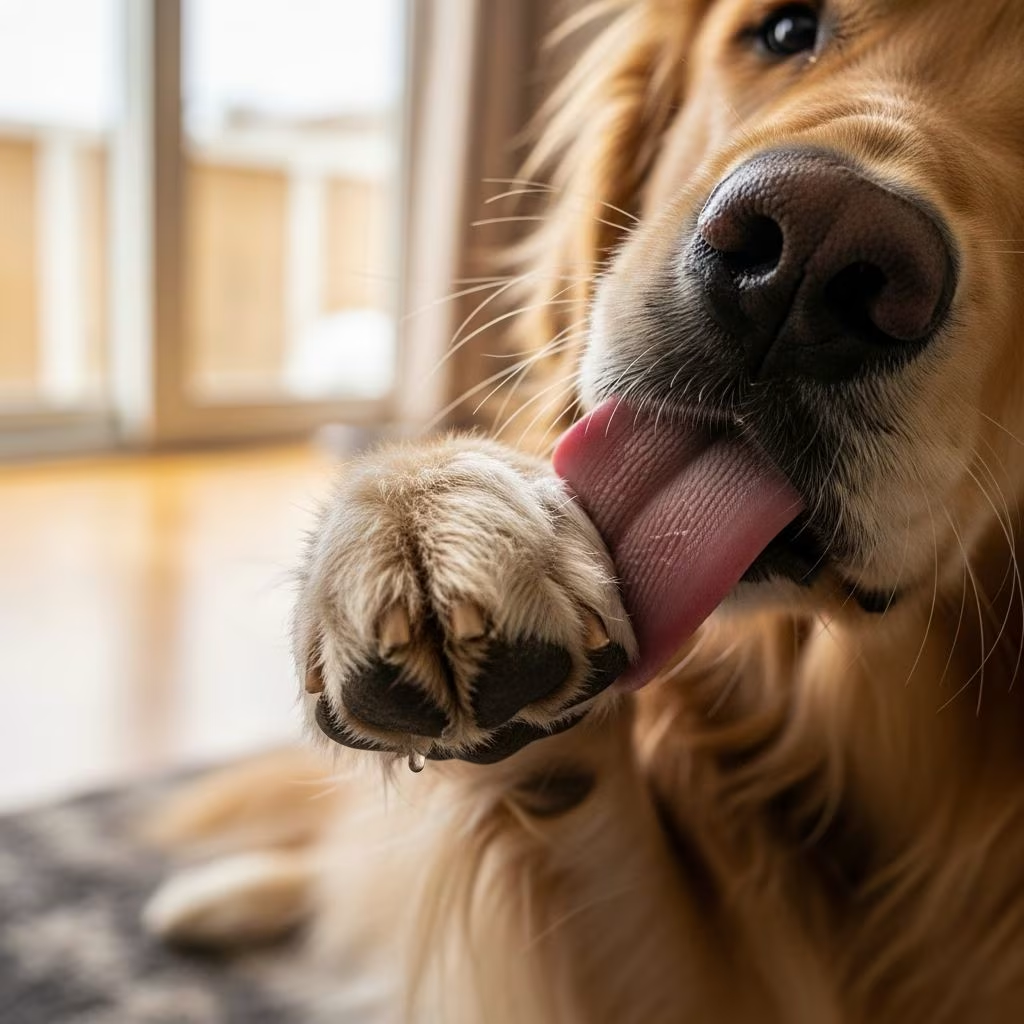
If you’ve noticed your dog spending considerable time licking their paws, you’re not alone in observing this common canine behavior. While occasional paw licking is normal grooming behavior, excessive licking can signal underlying health concerns or emotional distress that warrant attention. Understanding the root causes of paw licking helps pet owners distinguish between normal self-care and problematic behaviors that require veterinary intervention.
The Allergy Connection: Your Dog’s Most Common Culprit
Allergies represent the leading cause of excessive paw licking in dogs. These allergic reactions can originate from multiple sources, creating complex patterns that sometimes take time to identify. Dogs experience two primary categories of allergic responses: environmental sensitivities and food-based reactions.
Environmental allergens trigger atopic dermatitis, a chronic inflammatory skin condition that causes intense itching. Common environmental triggers include grass, pollen, mold spores, and house dust mites. Pet owners often notice seasonal patterns in their dog’s licking behavior, with flare-ups occurring during specific times of year when certain allergens peak in concentration.
Food allergies present a different challenge, as they can occur year-round without seasonal variation. Dogs may develop sensitivities to common protein sources such as chicken, beef, dairy, or wheat. Unlike environmental allergies, food allergies require dietary modification and often necessitate working with a veterinarian to identify the problematic ingredient through elimination diets.
Contact allergies form a third category, where substances the dog touches directly cause irritation. These include lawn chemicals, cleaning products, road salt applied during winter months, and certain types of grass. Dogs that develop contact allergies may show symptoms only on their paws and lower legs, the areas making direct contact with irritating substances.
Parasitic Infestations: Unwelcome Visitors Causing Discomfort
Parasites create significant discomfort that drives persistent paw licking behavior. Fleas and ticks represent the most recognizable parasitic threats, but their impact extends beyond simple itching. Dogs infested with fleas may develop flea allergy dermatitis, an allergic reaction to flea saliva that causes severe itching even when only a few fleas are present.
Mange mites present another serious parasitic concern, causing deeper skin infections and generalized itching across the body. Dogs affected by mange often display scratching and skin problems beyond just the paws, indicating a more widespread parasitic problem. Identifying and treating parasitic infections promptly prevents secondary bacterial infections and reduces the duration of discomfort.
Injury and Pain-Related Paw Licking
Direct physical trauma to the paws frequently triggers sudden, focused licking behavior. Dogs instinctively lick injured areas in attempts to clean wounds and promote healing, though excessive licking can actually complicate the healing process. Common injuries include:
- Cuts and puncture wounds from sharp objects or debris
- Broken or ingrown nails causing persistent discomfort
- Foreign objects such as splinters, grass awns, or thorns lodged between toes
- Insect stings and bites from bees or ants
- Blisters and abrasions from rough surfaces or hot pavement
- Dry, cracked paw pads from environmental exposure
Beyond acute injuries, chronic pain conditions influence paw licking patterns. Arthritis and joint disorders cause dogs to lick affected areas as a self-soothing response to persistent discomfort. Senior dogs and large breeds prone to joint problems may develop habitual paw licking as their pain management strategy. Observing whether licking occurs in specific paws or affects all four feet provides valuable diagnostic information for veterinarians.
Skin Infections: Secondary Complications from Excessive Licking
A troubling cycle often develops when excessive licking creates an environment conducive to bacterial and yeast infections. The constant moisture between toes and on paw pads promotes fungal and bacterial growth, particularly in the warm, dark spaces between the toes. This secondary infection compounds the original itching, driving further licking behavior and perpetuating the cycle.
Dogs experiencing secondary infections exhibit distinctive signs that help identify this complication. A musty or yeasty odor emanating from the paws indicates yeast overgrowth. Redness, particularly in the spaces between toes, signals inflammation and infection. Brown or rust-colored staining on the fur results from the dog’s saliva interacting with yeast or bacteria. In severe cases, discharge, pus, or crusty buildups indicate advanced infection requiring prompt veterinary treatment.
Psychological Factors: Stress, Anxiety, and Boredom
Beyond physical causes, emotional and psychological factors drive paw licking behavior in many dogs. Dogs utilize paw licking as a self-soothing mechanism when experiencing anxiety, stress, or under-stimulation, similar to how humans bite their nails or pull at their hair. This behavioral manifestation often emerges in dogs experiencing major life changes, separation anxiety, or insufficient mental stimulation.
Identifying behavioral paw licking requires observing patterns in when the licking occurs. Dogs experiencing anxiety-related licking often target their paws during specific triggering events, such as when left alone, during thunderstorms, or at bedtime. If your dog’s licking behavior ceases when engaged in play or activity, psychological factors likely contribute to the problem.
Long-term paw licking from psychological causes can develop into a condition called lick granuloma or acral lick dermatitis. In this condition, obsessive licking creates large, hairless, inflamed areas where the dog repeatedly targets the same location, typically the front of the carpus or wrist. Once established, lick granulomas prove challenging to resolve and may require behavioral modification alongside medical treatment.
Distinguishing Normal from Problematic Paw Licking
All dogs engage in paw licking as part of normal grooming routines. The challenge for pet owners involves recognizing when licking transitions from healthy self-care to problematic behavior. Several indicators suggest your dog’s paw licking warrants veterinary evaluation:
- Licking occurs multiple times daily for extended periods
- Noticeable hair loss or bald patches develop on the paws
- Red, inflamed, or raw skin appears on the paws
- Odors or discharge emanate from the affected areas
- Your dog shows signs of pain or limping
- The behavior worsens despite home care attempts
- Licking occurs at specific times or in response to identifiable triggers
Diagnostic Approaches and Professional Assessment
Veterinarians employ multiple diagnostic strategies to identify the underlying cause of excessive paw licking. A thorough physical examination often reveals clues such as parasites, skin infections, injuries, or other abnormalities. Vets may recommend specific diagnostic tests based on initial findings, including skin scrapings to identify mites, fungal cultures to confirm yeast infections, or allergy testing to pinpoint environmental or food sensitivities.
For dogs with behavioral paw licking, veterinarians may work with veterinary behaviorists to develop comprehensive treatment plans addressing both psychological and potential underlying medical factors. This collaborative approach ensures that behavioral modifications occur within the context of confirmed medical health rather than assuming all cases stem from psychological causes.
Treatment Strategies and Management Options
Effective management of paw licking depends entirely on accurately identifying the underlying cause. Allergy-related licking may respond to antihistamines, topical treatments, or dietary changes. Parasitic infections require appropriate parasite prevention and treatment protocols. Skin infections necessitate antimicrobial or antifungal medications to eliminate the infection and break the licking cycle.
For dogs with behavioral components, increasing mental stimulation through puzzle toys, training sessions, and interactive play can significantly reduce stress-related licking. Providing safe spaces, maintaining consistent routines, and addressing underlying anxiety with the guidance of a veterinary behaviorist creates a comprehensive approach to behavioral paw licking.
Addressing secondary infections early in the paw licking problem prevents complications and accelerates resolution. Keeping paws clean and dry, preventing moisture accumulation between toes, and discouraging excessive licking through appropriate intervention interrupt the cycle that transforms simple itching into chronic infection.
Prevention and Home Care Recommendations
Pet owners can implement several preventive measures to reduce paw licking problems. Regular parasite prevention protects against fleas, ticks, and mites before infestations develop. Maintaining paw hygiene through regular cleaning and drying, particularly after walks or play sessions in wet conditions, reduces the opportunity for bacterial and yeast overgrowth. Trimming nails appropriately and checking between toes regularly for injuries, foreign objects, or early signs of infection allows quick intervention.
Environmental management plays an important role in reducing exposure to irritating substances. Wiping paws after outdoor activity removes environmental allergens and irritating substances like road salt. Switching to hypoallergenic or fragrance-free cleaning products reduces exposure to potential contact irritants. For dogs with known food allergies, strict dietary adherence prevents triggering allergic reactions.
When to Seek Veterinary Care
Excessive paw licking that persists beyond a few days or shows signs of worsening requires professional evaluation. Any evidence of infection, injury, or pain warrants prompt veterinary attention. If home care efforts fail to improve the situation within one to two weeks, professional assessment becomes necessary to identify underlying causes and appropriate treatments.
Dogs developing behavioral paw licking alongside medical conditions benefit from comprehensive veterinary evaluation addressing both physical and emotional aspects of their health. Early intervention prevents the development of chronic conditions like lick granulomas and reduces the overall impact on your dog’s quality of life.
Frequently Asked Questions About Dog Paw Licking
Is occasional paw licking normal in dogs?
Yes, occasional paw licking is a normal grooming behavior. However, frequent or aggressive licking warrants investigation to rule out underlying health or behavioral issues.
How can I tell if my dog’s paw licking is allergy-related?
Allergy-related licking often shows seasonal patterns or occurs after specific activities like outdoor walks. Environmental allergies may flare during high pollen seasons, while food allergies persist year-round.
What does paw licking from stress look like?
Stress-related paw licking typically correlates with specific triggers such as being alone, thunderstorms, or changes in routine. The behavior often improves when the dog receives attention or engages in activities.
Can paw licking lead to serious complications?
Yes, excessive paw licking can lead to secondary infections, lick granulomas, and significant discomfort if left unaddressed. Early intervention prevents these complications.
What should I do if I notice my dog licking their paws excessively?
Schedule a veterinary appointment for professional evaluation. In the meantime, examine the paws for visible injuries, check for parasites, and note any patterns in when licking occurs to share with your veterinarian.
References
- Understanding Excessive Paw Licking: Signs, Causes, And Care — Wood Hill Veterinary Clinic. https://woodhillvetclinic.com/blog/understanding-excessive-paw-licking-signs-causes-and-care/
- Why Is My Dog Licking His Paws So Much? Causes and Remedies — Best Friends Animal Society. https://bestfriends.org/pet-care-resources/why-my-dog-licking-his-paws-so-much-causes-and-remedies
- Dog Licking Paws – Common Causes and When to See a Vet — Bright Veterinary. https://www.bright.vet/a/why-is-my-dog-licking-their-paws
- Why Is My Dog Licking His Paws? Causes of Excessive Paw Licking — Embrace Pet Insurance. https://www.embracepetinsurance.com/waterbowl/article/why-do-dogs-lick-their-paws
- Why Do Dogs Lick and Chew Their Paws? — PetMD. https://www.petmd.com/dog/general-health/why-do-dogs-lick-chew-paws
- Understanding Dog Paw Licking: Causes, Concerns, and Solutions — La Vengel. https://lavengel.com/blogs/canine-care/understanding-dog-paw-licking



