

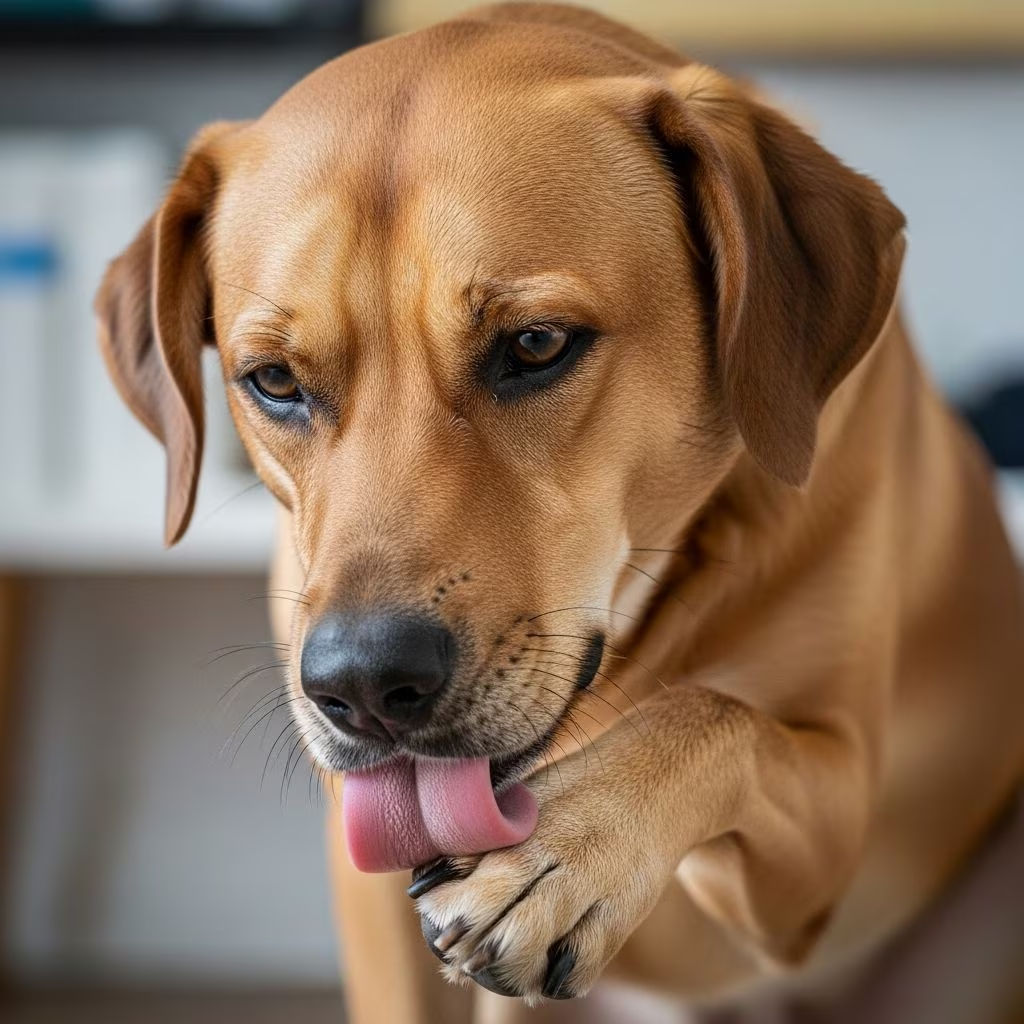
Dogs engage in paw licking as part of their natural grooming routine, but when this behavior becomes persistent and intense, it often signals an underlying health or behavioral concern. Understanding the distinction between normal self-maintenance and problematic excessive licking is essential for dog owners seeking to address their pet’s discomfort. This comprehensive guide explores the multifaceted reasons why dogs develop this behavior and outlines effective intervention strategies.
Distinguishing Normal Grooming from Problematic Behavior
Occasional paw licking is a typical part of canine hygiene, particularly after outdoor activities or before rest. Dogs naturally groom their paws to remove dirt, debris, and maintain cleanliness. However, when licking becomes frequent, intense, or results in visible damage to the paw pads and surrounding tissue, it transitions from normal behavior to a concern requiring attention.
The transition from occasional to excessive licking often develops gradually. What begins as minor irritation can escalate when repeated licking creates a warm, moist environment conducive to secondary complications. Recognizing this escalation early allows owners to intervene before tissue damage becomes severe.
Medical Causes of Excessive Paw Licking
Allergic Reactions and Environmental Sensitivities
Allergies represent one of the most prevalent underlying causes of excessive paw licking in canines. These allergic responses manifest through itching and irritation that prompts intense licking behavior. Dogs can experience three primary types of allergies affecting their paws: environmental, food-based, and contact allergies.
Environmental allergens include pollen, mold spores, dust mites, and grass. Seasonal variations in paw licking frequency often correlate with specific environmental triggers. For instance, spring and summer months may see increased licking due to elevated pollen counts. Food allergies stem from specific protein sources or ingredients within commercial or homemade dog diets. Common culprits include chicken, beef, dairy products, and wheat. Contact allergies develop when paws come into direct contact with irritating substances such as lawn chemicals, ice-melt products, cleaning solutions, or certain grass varieties.
Parasitic Infestations
Fleas, ticks, and mites represent external parasites capable of triggering intense paw-licking responses. Flea infestations cause particularly severe itching through an allergic reaction to flea saliva rather than the bite itself. Mites, including those responsible for mange, burrow into the skin and create substantial discomfort. Even a single flea can initiate the licking behavior in sensitive dogs. Tick presence, while sometimes less immediately noticeable, causes localized irritation at attachment sites. Regular parasitic prevention through veterinary-approved treatments remains the most effective approach to avoiding this trigger.
Bacterial and Fungal Skin Infections
Chronic moisture from saliva creates an optimal environment for bacterial and fungal proliferation on canine paws. Staphylococcus bacteria and yeast species naturally exist on dog skin but multiply dramatically when conditions become favorable. The continuous licking behavior establishes a self-perpetuating cycle: initial irritation triggers licking, saliva dampens the area, moisture enables microbial overgrowth, and increased infection intensifies itching, promoting further licking.
Secondary infections frequently develop as complications of untreated allergies or primary skin conditions. Signs of infection include discoloration of paw pads, musty or unpleasant odors, discharge, crusting, or thickening of the skin. These infections require veterinary intervention to prevent systemic complications and break the licking cycle.
Traumatic Injuries and Physical Discomfort
Dogs may develop acute paw licking following injuries such as cuts, puncture wounds, or splinter penetration. Foreign objects including thorns, grass awns, or small debris embedded in paw pads trigger localized discomfort and licking. Additionally, burns from hot pavement or winter de-icing chemicals cause pain that manifests as intensive paw licking. Dogs stepping on sharp objects or experiencing nail injuries, including broken or ingrown nails, often respond with repeated licking of the affected area.
Sudden onset licking concentrated on a single paw warrants immediate inspection for visible injury. Limping, swelling, or reluctance to bear weight on the affected limb provides additional indicators of traumatic involvement.
Chronic Pain and Degenerative Conditions
Joint pain from arthritis and other degenerative conditions occasionally manifests as paw licking, even when the primary pain source resides elsewhere in the limb or body. Dogs possess an instinctive tendency to mask pain, complicating diagnosis. The generalized discomfort associated with systemic conditions may trigger self-soothing licking behaviors focused on the paws. Aging dogs or those with breed predispositions to joint disease warrant evaluation for underlying musculoskeletal conditions when paw licking develops.
Behavioral and Psychological Factors
Anxiety and Stress-Related Licking
Psychological factors significantly contribute to excessive paw licking in many canine patients. Anxiety, stress, fear, and emotional distress can manifest through this behavior as dogs seek self-soothing mechanisms. Separation anxiety frequently triggers paw licking when owners leave their pets alone for extended periods. Environmental changes, including moving residences, introduction of new household members, or alterations to daily routines, may precipitate stress-related licking episodes.
This anxiety-driven licking differs from medically-induced licking in that addressing the underlying psychological cause becomes central to resolution. Dogs engaging in stress-related paw licking often display additional behavioral indicators such as panting, whining, or destructive behavior.
Boredom and Insufficient Stimulation
Inadequate mental and physical exercise predisposes dogs to compulsive behaviors including excessive paw licking. Dogs requiring higher activity levels or mental engagement may resort to self-directed behaviors when understimulated. Extended confinement periods or monotonous living environments contribute to boredom-driven licking patterns. This behavioral manifestation commonly occurs in dogs left alone for extended durations without enrichment activities.
Increasing daily exercise, incorporating interactive play, and providing puzzle toys or enrichment activities often reduce boredom-associated licking episodes.
Habit Formation and Obsessive-Compulsive Patterns
Repeated licking can transition from initial problem-solving behavior to habitual or compulsive action. Once established as a pattern, the behavior may persist even after resolution of the initial trigger. In some cases, dogs develop obsessive-compulsive patterns resembling similar conditions in humans. These entrenched behavioral patterns require specialized intervention from veterinary behaviorists to interrupt successfully.
The Vicious Cycle: How Licking Perpetuates Problems
Excessive paw licking creates a self-perpetuating cycle difficult to interrupt without intervention. Any initial cause—whether allergic, parasitic, infectious, or psychological—generates discomfort or stress prompting licking. The repeated licking damages the protective skin barrier, creating entry points for secondary bacterial and fungal infections. These secondary infections increase itching and discomfort, further motivating licking behavior. Additionally, the constant moisture from saliva prevents proper wound healing and maintains ideal conditions for microbial growth. This escalating cycle can transform a minor initial problem into severe tissue damage, infection, and behavioral reinforcement within weeks.
Consequences of Untreated Excessive Licking
| Consequence | Description | Severity |
|---|---|---|
| Dermatitis | Inflammation and damage to skin barrier | Moderate |
| Secondary Infections | Bacterial or fungal overgrowth in damaged tissue | High |
| Tissue Necrosis | Death of skin cells from chronic trauma | Severe |
| Behavioral Fixation | Licking becomes compulsive regardless of initial cause | Moderate to Severe |
| Systemic Infection | Localized infection spreads to broader system | Severe |
| Psychological Reinforcement | Licking provides temporary relief, strengthening the pattern | Moderate |
Diagnostic Approach and Professional Evaluation
Veterinary assessment forms the foundation of effective treatment. Veterinarians conduct physical examinations to identify visible injuries, infections, parasites, or skin abnormalities. Diagnostic tests may include skin scrapings to detect mites, fungal cultures to identify yeast or bacterial species, or cytology to examine cellular changes. Allergy testing through elimination diets or intradermal testing helps identify allergic triggers. Bloodwork may reveal systemic conditions or infections. In behavioral cases, comprehensive history regarding environmental changes, daily routines, and behavioral patterns guides diagnosis.
Early professional consultation prevents escalation and identifies underlying causes that may not be immediately apparent to owners.
Treatment Strategies and Management Approaches
Medical Interventions
Treatment varies based on identified causes. Allergic reactions may respond to antihistamines, omega-3 supplementation, or prescription immunosuppressive medications. Parasitic infestations require species-appropriate antiparasitic treatments. Infections necessitate antibiotics for bacterial involvement or antifungal medications for yeast proliferation. Anti-inflammatory medications reduce discomfort and itching. In some cases, topical treatments including medicated rinses, ointments, or protective barriers address localized symptoms. Prescription diets formulated to eliminate common allergens assist in food allergy management.
Physical barriers such as protective booties or cone collars prevent direct paw contact during healing phases, allowing tissues to recover without repeated trauma.
Behavioral and Environmental Modifications
Addressing psychological components requires environmental enrichment through increased exercise, interactive play sessions, and mental stimulation via puzzle toys. Establishing consistent daily routines provides security and predictability for anxious dogs. Gradual desensitization to separation anxiety triggers, often combined with professional training, reduces stress-related licking. Creating designated safe spaces where dogs feel secure facilitates anxiety management.
Environmental modifications include removing or reducing exposure to known irritants. Regular paw cleaning and inspection following outdoor activities minimize parasitic exposure and identify injuries early. Maintaining appropriate humidity levels and ensuring paws dry completely prevents moisture-related infections.
Prevention and Long-Term Management
Preventive strategies reduce excessive paw licking occurrence. Consistent parasite prevention through veterinary-approved treatments eliminates this trigger class. Regular bathing with appropriate shampoos maintains skin health and removes environmental irritants. Paw pad inspections following outdoor activities identify injuries or foreign objects before they escalate. Dietary management emphasizing high-quality proteins and essential fatty acids supports skin barrier integrity. Maintaining appropriate weight reduces joint stress for predisposed individuals.
Dogs prone to anxiety benefit from routine consistency and gradual exposure to environmental changes. Mental enrichment through varied activities prevents boredom-driven behaviors. Regular veterinary check-ups enable early identification of developing conditions before they manifest as excessive licking.
Frequently Asked Questions
When should I contact a veterinarian about my dog’s paw licking?
Consultation becomes necessary when licking occurs frequently, intensely, or results in visible tissue damage. Additionally, if licking appears suddenly concentrated on one paw, accompanies other symptoms such as limping or discharge, or persists despite home management attempts, professional evaluation is warranted. Dogs engaging in excessive paw licking for more than a few days warrant veterinary assessment.
Can allergies in dogs cause paw licking similar to humans?
Yes, allergic responses in dogs frequently manifest as itching and licking, particularly affecting paws and skin. However, dogs cannot communicate discomfort verbally, so behavioral changes including excessive licking serve as primary indicators of allergic reactions. Identifying specific allergens requires systematic evaluation by veterinary professionals.
Is paw licking contagious between dogs?
While paw licking behavior itself is not directly contagious, underlying causes such as parasites or fungal infections can transmit between dogs. Additionally, dogs may learn behavioral patterns from housemates, though the behavioral component typically develops only if psychological predisposition exists.
How long does it take to resolve excessive paw licking?
Resolution timeline varies substantially based on underlying causes and treatment responsiveness. Acute injuries may improve within days to weeks. Allergic conditions often require weeks to months of consistent management. Behavioral licking patterns may require ongoing management to prevent recurrence. Secondary infections complicate timelines, necessitating extended treatment periods.
Can I use home remedies for my dog’s excessive paw licking?
While supportive care measures such as paw cleaning, inspection, and dietary supplements provide benefit, definitive treatment requires professional diagnosis. Attempting to manage conditions without identifying underlying causes often allows escalation. Professional evaluation ensures appropriate targeted treatment rather than potentially ineffective or counterproductive home interventions.
Conclusion
Excessive paw licking in dogs rarely represents a benign behavioral quirk and instead typically signals underlying medical, behavioral, or psychological concerns requiring attention. The multifaceted nature of potential causes necessitates systematic professional evaluation to identify specific triggers and develop appropriate treatment plans. Early intervention prevents escalation, breaks problematic behavioral cycles, and alleviates canine discomfort. Through combination of veterinary treatment, behavioral modification, and environmental management tailored to individual circumstances, owners can effectively address excessive paw licking and restore their dogs’ comfort and quality of life.
References
- Why Do Dogs Lick and Chew Their Paws? — PetMD. Accessed March 2026. https://www.petmd.com/dog/general-health/why-do-dogs-lick-chew-paws
- Why Does My Dog Lick Their Paws? — American Kennel Club. Accessed March 2026. https://www.akc.org/expert-advice/health/why-does-my-dog-lick-chew-paws/
- Understanding Excessive Paw Licking: Signs, Causes, And Care — Animal Hospital OS. Accessed March 2026. https://animalhospitalos.com/blog/understanding-excessive-paw-licking-signs-causes-and-care/
- Stop Excessive Dog Paw Licking: Causes and Solutions — Oakhurst Vet Center. Accessed March 2026. https://www.oakhurstvetcenter.com/excessive-dog-paw-licking-solutions/
- Why Do Dogs Lick Their Paws? — Chewy. Accessed March 2026. https://www.chewy.com/education/dog/training-and-behavior/why-do-dogs-lick-their-paws



