

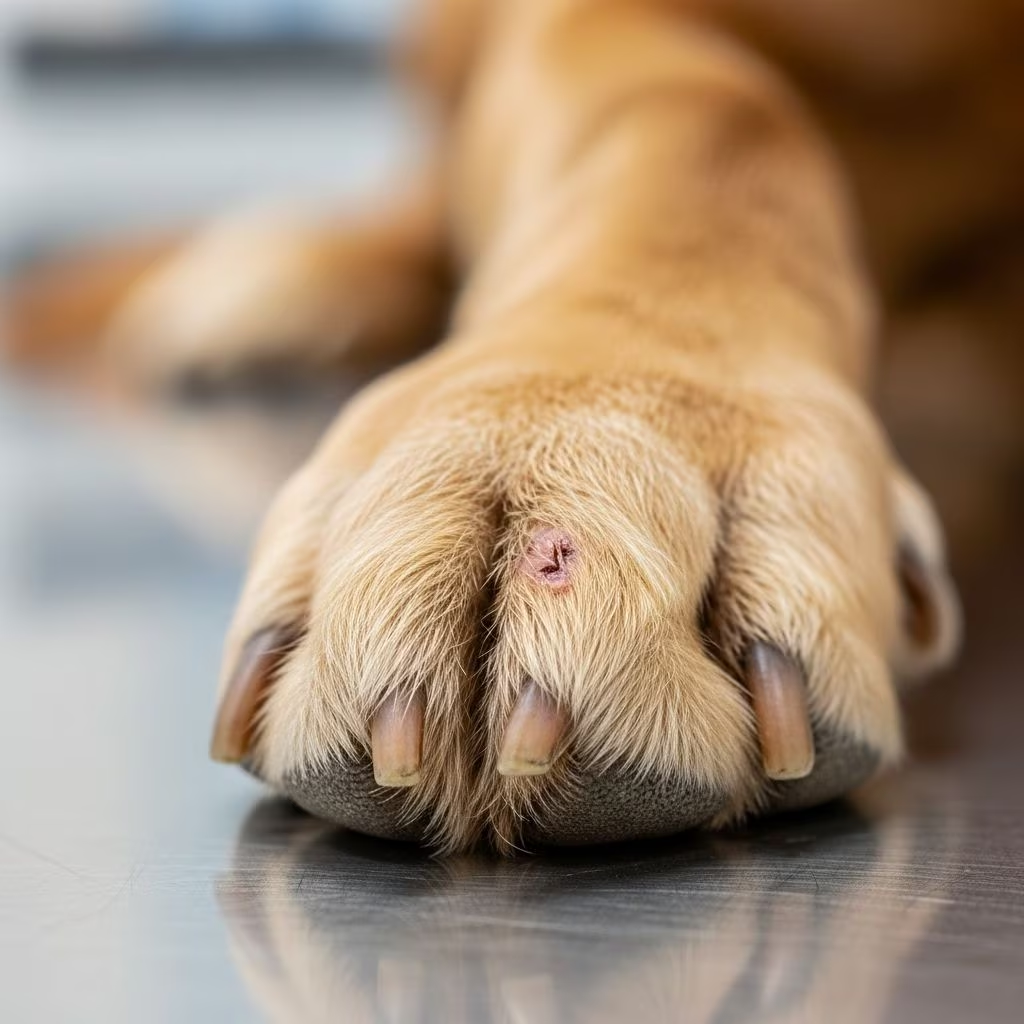
Dogs rely heavily on their paws for mobility, balance, and daily activities. When a toenail becomes injured, it can cause significant discomfort and potentially lead to serious complications if not properly addressed. Understanding the various types of paw and nail injuries that commonly affect dogs, along with appropriate response strategies, empowers pet owners to provide effective care and prevent long-term damage.
The Anatomy of Dog Toenails and Why Injuries Matter
Unlike human nails, dog toenails are fundamentally different in their attachment and structure. Dog nails are connected directly to the end of their toe bones, known as phalanges. This anatomical distinction makes nail injuries particularly concerning, as infections that develop in the nail or nail bed can penetrate into the bone itself, resulting in a condition called osteomyelitis. This potential for bone infection explains why broken nails can be significantly more painful for dogs than for humans and why proper treatment is crucial.
The nail contains a highly sensitive area called the quick, which is abundantly supplied with blood vessels and nerve endings. When a nail breaks or tears, it often exposes this quick, leading to bleeding and considerable pain. The vascularized nature of this tissue means that injured nails can bleed profusely, which is why controlling bleeding is an important first response.
Recognizing Injury Indicators in Your Dog
Dogs often communicate discomfort through behavioral changes and physical signs. Being able to identify these indicators allows for early intervention before complications develop.
Common observable signs of toenail problems include:
- Sudden yelping or vocalization when bearing weight on a paw
- Limping or favoring one leg over others
- Holding the paw elevated above the ground
- Visible bleeding from the nail area
- Excessive licking, chewing, or biting at the affected paw
- Swelling or redness around the toe or nail bed
- Discharge or crusting around the nail base
- Reluctance to walk or put weight on the injured paw
- Avoidance behavior when the paw is touched
Additionally, structural abnormalities in the nails themselves warrant attention. These include misshapen or curved nails, increased brittleness, discoloration, and visible splitting or cracking.
Common Types of Toenail Trauma
Broken and Torn Nails
The most frequently encountered toenail injury in dogs is breakage or tearing. These injuries occur when nails become caught in carpeting, rough surfaces, or during intense physical activity. Long nails are more susceptible to breaking than shorter ones, which is why regular trimming serves as an effective preventive measure. When a nail breaks or tears, especially if the break extends into the quick, bleeding and pain are inevitable consequences.
Nail Bed Infections
Infections of the nail bed present a more complex challenge than simple mechanical injuries. Bacterial or fungal infections can develop following an injury, improper grooming practices, or due to underlying health conditions. When a nail bed infection develops, the area typically displays swelling, redness, and may produce discharge or pus. These infections require professional diagnosis and targeted antimicrobial treatment to prevent escalation to bone infection.
Torn or Partially Detached Nails
When a nail partially separates from the nail bed but remains attached at one end, it creates a particularly vulnerable situation. The loose portion can snag on bedding, flooring, or during movement, causing further damage and pain. Such nails may require professional removal to prevent ongoing trauma and infection risk.
Immediate First Aid Response Protocol
When you discover that your dog has an injured toenail, quick and appropriate action can minimize pain and prevent complications.
Step One: Ensure Safety Through Proper Restraint
Even the most docile dogs may bite or struggle when experiencing pain. Before attempting any treatment, safely restrain your dog. This can be accomplished by having another person hold the dog, or by providing gentle restraint in the form of a calming embrace that immobilizes the dog while making them feel secure. In cases of extreme anxiety or aggression, a muzzle may be necessary to protect both you and your pet.
Step Two: Control Bleeding
Wrap the injured foot gently but firmly in clean gauze or a towel and apply direct pressure to the bleeding toe. Maintain this pressure for 5 to 10 minutes, checking periodically to assess whether bleeding has subsided. If bleeding continues beyond this timeframe, apply a cauterizing agent to help coagulate the blood.
Effective bleeding control agents include:
- Styptic pencils designed for pets
- Silver nitrate sticks available at pet stores or pharmacies
- Cauterizing powder specifically formulated for veterinary use
- Household alternatives such as baking powder, flour, or cornstarch
- Inserting the nail tip into a bar of soap
Important: When wrapping the paw, ensure the bandage is snug enough to apply pressure but not so tight that it restricts circulation and causes swelling.
Step Three: Remove Damaged Nail Portions
If a portion of the nail is hanging loosely or severely damaged, it should be removed to prevent further catching and trauma. This task can sometimes be accomplished at home using sharp trimmers if the break is clearly defined and your dog remains calm. However, if the break extends close to or into the quick, professional removal under proper anesthesia or local numbing is preferable to avoid causing additional pain and bleeding.
Step Four: Prevent Infection
Once bleeding has been controlled and the damaged nail removed, the exposed nail bed requires protection from contamination. Gently clean the area with warm water and apply an antibiotic ointment if available. Cover the nail bed with a clean gauze pad or non-adherent telfa pad, then bandage the foot loosely to maintain protection without restricting blood flow.
When to Seek Professional Veterinary Care
While minor nail injuries may resolve with home care, certain situations require prompt professional evaluation:
| Situation | Action Required |
|---|---|
| Bleeding that does not stop after 10-15 minutes of pressure | Seek immediate veterinary care |
| Nail broken to the quick with visible blood or pink tissue | Schedule veterinary appointment within 12-24 hours |
| Swelling, redness, or discharge around the nail bed | Contact veterinarian for infection evaluation |
| Severe limping or refusal to bear weight | Seek evaluation to rule out deeper trauma |
| Signs of pain despite home treatment | Schedule professional examination |
| Recurrent nail injuries | Consult vet for underlying causes |
Professional Veterinary Treatment Options
When you bring your dog to a veterinarian for a toenail injury, the veterinary team will conduct a thorough examination and may recommend various treatment approaches depending on injury severity.
Nail Trimming and Removal
If the nail is partially broken or damaged, the veterinarian will trim above the break point to completely remove the damaged portion and provide a healthy foundation for regrowth. In cases of severe damage or complete nail loss, the entire nail may need to be removed. This procedure is performed carefully to ensure complete removal of the damaged tissue while preserving the nail bed for proper regeneration.
Infection Management
If infection is present or suspected, the veterinarian will clean the wound thoroughly and apply antibiotic ointment or powder to the nail bed. Oral or injectable antibiotics may be prescribed to combat infection systemically, particularly since untreated infections can spread to bone tissue.
Wound Protection and Monitoring
Professional bandaging provides superior protection compared to home bandaging. Veterinarians use specialized non-adherent materials and sterile techniques to create bandages that protect the wound while allowing for proper drainage and healing. Follow-up appointments are typically scheduled to monitor healing progress, change bandages, and adjust treatment as needed.
Pain Management
Depending on the severity of the injury and your dog’s pain response, the veterinarian may prescribe pain medication to ensure your dog remains comfortable during healing.
Prevention Strategies for Reducing Injury Risk
While not all nail injuries can be prevented, several strategies significantly reduce the likelihood of injury occurring.
Regular Nail Trimming
The single most effective prevention method is maintaining appropriately short nails. Short nails are far less likely to break or become caught in surfaces than long nails. Establish a regular trimming schedule appropriate for your dog’s individual nail growth rate, typically every 3 to 8 weeks depending on the dog.
Environmental Modifications
Minimize your dog’s exposure to rough surfaces and potentially snagging situations. Provide smooth flooring where possible, trim or remove rough carpeting edges, and supervise high-energy play that increases injury risk.
Regular Health Assessments
Underlying health conditions can affect nail strength and susceptibility to injury. Regular veterinary checkups allow early detection of conditions that might contribute to nail problems.
Frequently Asked Questions About Canine Nail Injuries
How long does it take for a dog’s nail to regrow after being removed?
Dog nails typically regrow over several weeks to a few months, depending on the individual dog and the extent of removal. Your veterinarian can provide specific timelines based on your dog’s situation.
Can I trim a broken nail myself, or should I always see a vet?
Minor breaks with a clear separation line can sometimes be trimmed at home if your dog remains calm. However, if the break is close to the quick or you’re uncertain, professional removal is safer.
What does the quick of a dog’s nail look like?
The quick appears as a pink or dark center within the nail, depending on the nail color. It’s the sensitive tissue containing blood vessels and nerves.
Is a bleeding dog nail ever truly an emergency?
Most minor bleeding stops within 10-15 minutes with proper pressure. However, continuous bleeding, along with limping or signs of infection, warrants immediate veterinary attention.
Can nail infections spread to other parts of the body?
Yes, untreated nail bed infections can spread into the bone, creating a serious systemic infection requiring intensive treatment. This is why professional care for infected nails is important.
Long-Term Nail Health Management
Beyond treating individual injuries, maintaining overall paw and nail health supports your dog’s quality of life. Inspect your dog’s paws regularly during grooming, watch for the behavioral changes that indicate pain, and maintain consistent nail trimming schedules. Some dogs may benefit from protective booties during outdoor activities if they’re prone to nail injuries. Work with your veterinarian to develop a preventive care plan tailored to your dog’s specific needs and risk factors.
References
- Why a Vet Visit is Needed if Your Dog’s Toenail is Bleeding — Parrish Veterinary Clinic & Urgent Care. Accessed 2026-03-30. https://parrishvetclinic.com/blog/dogs-toenail-is-bleeding/
- First Aid for Broken Nails in Dogs — VCA Animal Hospitals. Accessed 2026-03-30. https://vcahospitals.com/know-your-pet/first-aid-for-broken-nails-in-dogs
- Broken Nails (& other paw injuries) — Pawtown Veterinary Care. Accessed 2026-03-30. https://pawtownvet.com/broken-nails-other-paw-injuries/
- What to Do if Your Dog Breaks or Tears a Nail — MedVet. Accessed 2026-03-30. https://www.medvet.com/what-to-dog-if-your-dog-breaks-or-tears-a-nail/
- Dog Nail Problems You Should Know About — VetDERM Clinic. Accessed 2026-03-30. https://www.vetdermclinic.com/dog-nail-problems-you-should-know-about/
- First Aid for Broken Nails on Dogs — PetMD. Accessed 2026-03-30. https://www.petmd.com/dog/care/first-aid-broken-nails-dogs



