

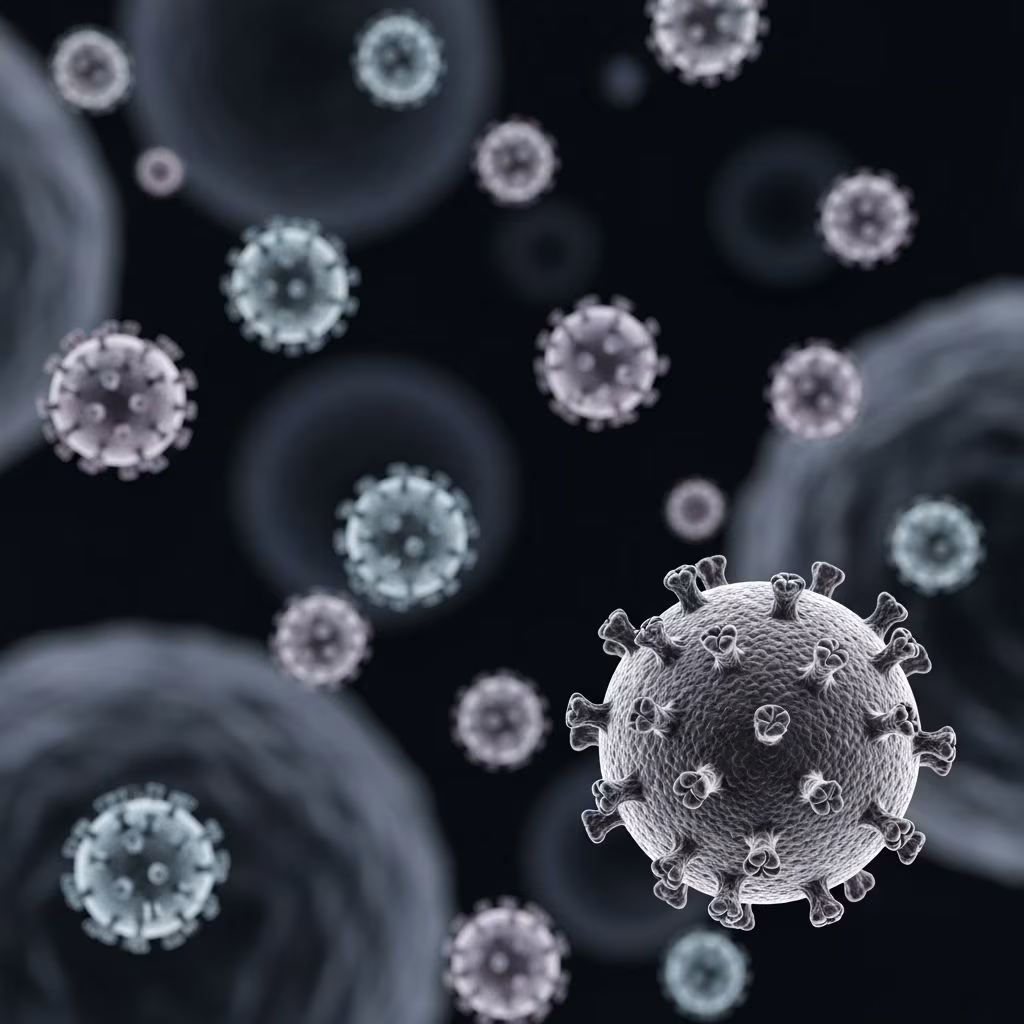
Canine parvovirus, commonly known as parvo, represents a group of highly contagious viral strains that pose a severe threat to dogs, particularly unvaccinated puppies. These variants target the gastrointestinal tract and immune system, leading to devastating symptoms if not addressed promptly.
The Emergence and Evolution of Parvo Strains
Originally identified in the late 1970s, canine parvovirus quickly spread worldwide, evolving into distinct subtypes that differ in virulence and host susceptibility. The primary strain, CPV-2, gave rise to variants like CPV-2a, CPV-2b, and CPV-2c, each adapting to evade early vaccine protections while maintaining high infectivity. These mutations highlight the virus’s ability to change rapidly, necessitating ongoing veterinary research and vaccine updates.
Understanding these strains is crucial because they influence disease severity and treatment responses. For instance, newer variants like CPV-2c have shown increased prevalence in certain regions, affecting even vaccinated adult dogs more frequently.
How Parvovirus Spreads Among Dogs
Parvo spreads primarily through the fecal-oral route, with infected dogs shedding massive viral loads in their feces for weeks. Contaminated environments, such as parks, kennels, and veterinary clinics, serve as reservoirs where the virus survives for months due to its environmental resilience.
- Direct contact with infected feces or vomit.
- Indirect exposure via shoes, clothing, or paws carrying the virus.
- Contaminated food bowls, bedding, or soil.
Puppies aged 6 weeks to 6 months are most vulnerable due to immature immune systems and maternal antibody gaps, but any dog can succumb under high-exposure conditions. Incubation typically spans 3-7 days, allowing silent spread before symptoms appear.
Recognizing Early Warning Signs
Initial parvo symptoms mimic milder illnesses, delaying diagnosis. Dogs often exhibit lethargy and loss of appetite first, progressing to severe gastrointestinal distress.
| Stage | Symptoms |
|---|---|
| Early (Days 1-3) | Lethargy, fever, vomiting, reduced appetite |
| Advanced (Days 4+) | Bloody diarrhea, dehydration, abdominal pain, weakness |
| Severe in Puppies | Collapse, hypothermia, hypoglycemia, high heart rate |
Bloody, foul-smelling diarrhea is a hallmark, often accompanied by rapid dehydration evident in sunken eyes, dry gums, and skin tenting. White blood cell counts plummet, increasing sepsis risk. Prompt veterinary evaluation via fecal ELISA tests confirms infection.
Comprehensive Treatment Approaches
No antiviral directly eliminates parvo; survival hinges on aggressive supportive care to bolster the immune response. Hospitalization is standard for severe cases, with survival rates improving to 80-90% under intensive protocols.
Fluid Therapy and Electrolyte Management
Intravenous fluids combat dehydration and shock, delivering electrolytes, glucose, and plasma proteins. Rates adjust based on hydration status, often exceeding 100-200 ml/kg/day initially.
Antibiotics and Infection Control
Broad-spectrum antibiotics like ampicillin, cefoxitin, or metronidazole prevent bacterial translocation from damaged intestines. They target Gram-positive, negative, and anaerobic pathogens, reducing sepsis odds.
Anti-Nausea and Pain Relief
Maropitant or metoclopramide curbs vomiting, preserving fluids and nutrients. Analgesics such as butorphanol address abdominal pain, improving comfort and appetite.
Emerging Therapies
Canine parvovirus monoclonal antibodies (CPMA) neutralize the virus early, lessening symptom severity via a single injection. Fecal microbiota transplants (FMT) restore gut flora, accelerating diarrhea resolution—studies show 61% of FMT-treated puppies recover in under 48 hours versus 5% with standard care. Recombinant feline interferon-ω also reduces mortality in trials.
Nutritional support via feeding tubes ensures energy without stressing the gut. Puppies may require 24/7 monitoring for hypoglycemia.
High-Risk Groups and Complications
Puppies from high-risk environments, like shelters, face elevated threats. Concurrent parasites or stress exacerbate outcomes. Complications include disseminated intravascular coagulation, intussusception, and multi-organ failure.
Adult dogs may present milder cases but can shed virus longer, perpetuating outbreaks. Vaccinated dogs occasionally contract milder variants, underscoring booster importance.
Vital Prevention Through Vaccination
Vaccination remains the cornerstone, with core protocols starting at 6-8 weeks, repeating every 3-4 weeks until 16 weeks. Boosters at one year and every 3 years follow.
- Avoid high-risk areas until fully vaccinated.
- Practice strict hygiene: bleach (1:30 dilution) disinfects premises.
- Isolate sick dogs; quarantine exposed ones for 2 weeks.
Maternal antibodies wane by 12 weeks, creating a susceptibility window—timing vaccines precisely is key.
Prognosis and Long-Term Recovery
With timely intervention, most dogs recover fully, gaining lifelong immunity to the infecting strain. Convalescence involves gradual refeeding and monitoring for relapses. Survivors may show transient intolerances but resume normal lives.
Untreated mortality nears 90%; early detection halves hospitalization time.
Home Care Tips During Recovery
Post-discharge, provide a quiet space, bland diets (boiled rice/chicken), and frequent small meals. Monitor stools, hydration, and energy. Avoid probiotics without vet approval, as they may harbor risks.
FAQs on Canine Parvovirus
Can vaccinated dogs get parvo?
Yes, but rarely and mildly. Vaccine breakthroughs occur with new variants or incomplete series.
How long is parvo contagious?
Up to 2-3 weeks in feces; virus persists in environments for months.
Is parvo curable at home?
Mild cases possibly, but severe ones demand hospitalization. Never delay professional care.
What breeds are most susceptible?
All, but Rottweilers, Dobermans, and Pit Bulls show higher rates.
Does parvo affect humans?
No, it’s canine-specific.
References
- Causes, Symptoms, and Treatment for Canine Parvovirus — PetMD. 2023. https://www.petmd.com/dog/conditions/infectious-parasitic/parvo-in-dogs
- Canine parvoviral enteritis: an update on the clinical diagnosis — PMC (NCBI). 2018-08-01. https://pmc.ncbi.nlm.nih.gov/articles/PMC6053044/
- Parvovirus in Dogs: Symptoms, Causes, and Treatments — GoodRx. 2023. https://www.goodrx.com/pet-health/dog/parvovirus-in-dogs
- Canine Parvovirus — Cornell University College of Veterinary Medicine. 2023. https://www.vet.cornell.edu/departments-centers-and-institutes/baker-institute-animal-health/research-baker-institute/canine-parvovirus
- Parvo Treatment for Dogs: Symptoms & Solutions — AnimalBiome. 2023. https://www.animalbiome.com/blogs/pet-health/parvo-treatment-for-dogs
- Canine parvovirus — American Veterinary Medical Association (AVMA). 2023. https://www.avma.org/resources-tools/pet-owners/petcare/canine-parvovirus



