

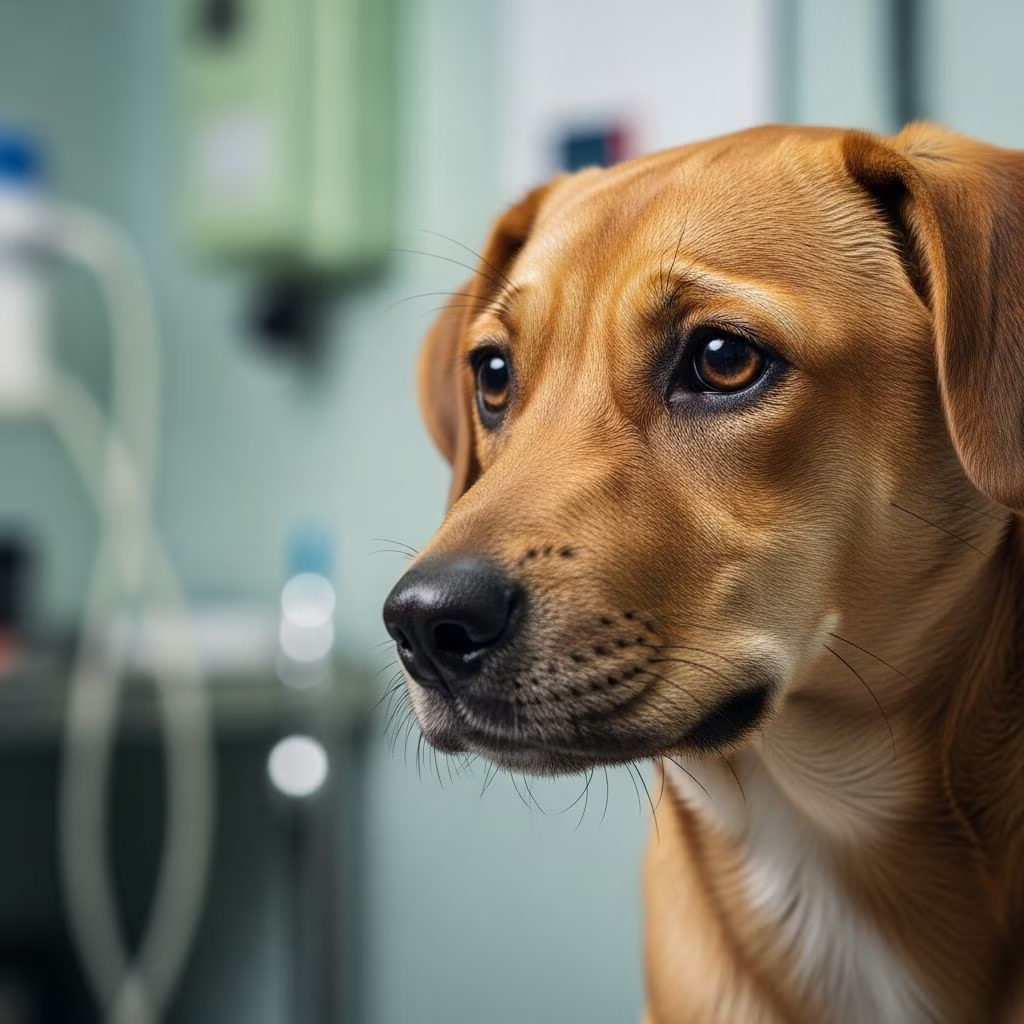
Recent veterinary reports have sparked concerns about a potential rise in canine parvovirus cases, particularly following global health disruptions. This highly contagious virus poses severe risks to unvaccinated dogs, especially young puppies, leading to urgent calls for renewed vaccination efforts. While some areas saw notable increases during the pandemic years, understanding the full context helps pet owners make informed decisions.
Understanding Canine Parvovirus: The Basics
Canine parvovirus, commonly known as parvo, is a viral infection that primarily targets the gastrointestinal system of dogs. It spreads rapidly through direct contact with infected animals or indirect exposure to contaminated feces, soil, or surfaces. The virus thrives in environments like parks, kennels, and urban areas with high dog populations, making it a persistent challenge in densely populated regions.
Puppies under six months and unvaccinated adult dogs face the highest vulnerability. Once contracted, symptoms emerge within 3 to 10 days, often starting with lethargy, vomiting, and bloody diarrhea. Without prompt intervention, dehydration and secondary infections can prove fatal within 48 to 72 hours. Survival rates, however, climb to nearly 90% with aggressive supportive care, including IV fluids and antibiotics.
Factors Driving Recent Case Increases
Pandemic-related changes significantly contributed to observed upticks in parvovirus diagnoses. Widespread adoption and fostering of shelter dogs led to incomplete vaccination series for many new pets. Stay-at-home orders encouraged more outdoor activities, heightening exposure risks in shared spaces like dog parks. Financial strains from job losses also delayed routine veterinary visits, leaving puppies unprotected during critical immunity-building windows.
BluePearl Pet Hospitals documented a 70% rise in parvovirus cases relative to emergency visits in 2020 compared to prior years, analyzing data across over 90 facilities. Similar patterns emerged internationally, with UK vets noting a 129% surge in suspected cases in early 2021, attributed to lockdown puppy booms and hesitancy around clinic visits.
High-Risk Groups and Transmission Dynamics
- Young Puppies (6 weeks to 6 months): Their developing immune systems struggle against the virus, leading to rapid deterioration.
- Unvaccinated or Under-Vaccinated Adults: Gaps in booster shots reduce protection, especially in multi-dog households.
- Shelter and Rescue Dogs: Often released before full immunization, increasing community spread.
- Dogs in High-Density Areas: Urban settings with frequent dog interactions amplify outbreak potential.
Transmission occurs via fecal-oral routes, with infected dogs shedding the virus profusely before symptoms appear. Environmental persistence—surviving months on surfaces—complicates control efforts. Co-infections, such as with canine circovirus, can exacerbate outcomes in crowded facilities, as seen in outbreaks involving early vaccinations and high animal density.
Recognizing Symptoms and Seeking Timely Care
Early detection is crucial for improving prognosis. Watch for:
- Severe vomiting, often containing blood
- Profuse, foul-smelling diarrhea
- Extreme lethargy and weakness
- Fever or hypothermia
- Loss of appetite and rapid dehydration
Upon suspicion, isolate the dog immediately and consult a veterinarian. Diagnostic confirmation typically involves fecal antigen tests, with hospitalization for intensive therapy. Delays can be deadly, particularly for juveniles prone to secondary bacterial invasions.
Vaccination: The Cornerstone of Prevention
The most effective defense remains a complete vaccination protocol. Core vaccines like DHPP (distemper, hepatitis, parainfluenza, parvovirus) start at 6-8 weeks, with boosters every 3-4 weeks until 16 weeks, followed by annual or triennial reinforcements. Even vaccinated dogs in outbreak zones benefit from titer checks to confirm immunity levels.
| Age Group | Recommended Vaccine Schedule | Booster Interval |
|---|---|---|
| 6-8 weeks | First DHPP dose | Every 3-4 weeks |
| 12-16 weeks | Final puppy series dose | Annually after 1 year |
| Adults | Annual or 3-year booster | Based on titer or risk |
Avoid high-risk areas until full vaccination. Facilities housing multiple dogs must prioritize strict protocols to curb spread.
Lessons from Pandemic-Era Outbreaks
Data from 2020-2021 highlights vulnerabilities exposed by COVID-19. In New York City, emergency admissions reflected nightly parvovirus cases, signaling localized pressures. Nationally, incomplete puppy series and economic barriers fueled rises. Veterinary teams stress essential service status to maintain access, preventing future surges.
Post-pandemic monitoring shows sustained risks, urging owners to verify records—unmarked cards warrant restarting protocols.
Treatment Approaches and Survival Outlook
No antiviral cure exists; management focuses on supportive measures:
- IV hydration to combat shock
- Anti-emetics for vomiting control
- Broad-spectrum antibiotics against secondary infections
- Nutritional support via feeding tubes if needed
Intensive care units yield the best outcomes, with survival depending on early admission and patient resilience. Costs can exceed thousands, underscoring prevention’s value.
Public Health Implications for Pet Owners
Beyond animal welfare, vaccination gaps risk zoonotic threats like rabies. Pets serve as emotional supports and disease sentinels, making routine care vital. Community education combats myths, ensuring high compliance rates.
FAQs on Canine Parvovirus
Is parvovirus curable?
No specific cure, but supportive treatment saves most cases with prompt care.
Can vaccinated dogs get parvo?
Rarely, but incomplete series or vaccine interference heightens minimal risk.
How long is a parvo dog contagious?
Up to 3 weeks post-recovery; disinfect thoroughly.
Is parvo seasonal?
More common in warmer months, but year-round threat indoors.
What if my dog shows no symptoms?
Pre-symptomatic shedding occurs—test and isolate if exposed.
Steps for Pet Owners in 2026
As we move forward, vigilance remains key. Schedule check-ups, avoid unregulated breeders, and report clusters to local vets. Emerging diagnostics aid surveillance, promising better control.
References
- BluePearl Finds Alarming Increase in Parvovirus Cases Amid COVID-19 — BluePearl Pet Hospital. 2020. https://bluepearlvet.com/press-releases-announcements/bluepearl-pet-hospital-finds-alarming-increase-in-parvovirus-cases-amid-covid-19/
- Parvovirus Surge Blamed On Lockdown — Minster Veterinary Centre. 2021. https://www.minstervet.com/parvovirus-surge-blamed-on-lockdown/
- Co-infection of canine parvovirus and circovirus in fatal cases — PMC – NIH. 2024. https://pmc.ncbi.nlm.nih.gov/articles/PMC12497800/
- Notes from the Field: Parvovirus B19 Activity — United States — CDC. 2025-05-10. https://www.cdc.gov/mmwr/volumes/74/wr/mm7423a3.htm
- NYC’s Animal Medical Center issues canine parvovirus alert — The Canine Review. 2021-02-12. https://thecaninereview.com/2021/02/12/nycs-animal-medical-center-issues-canine-parvovirus-alert-now-seeing-about-1-dog-per-night-admitted/



