

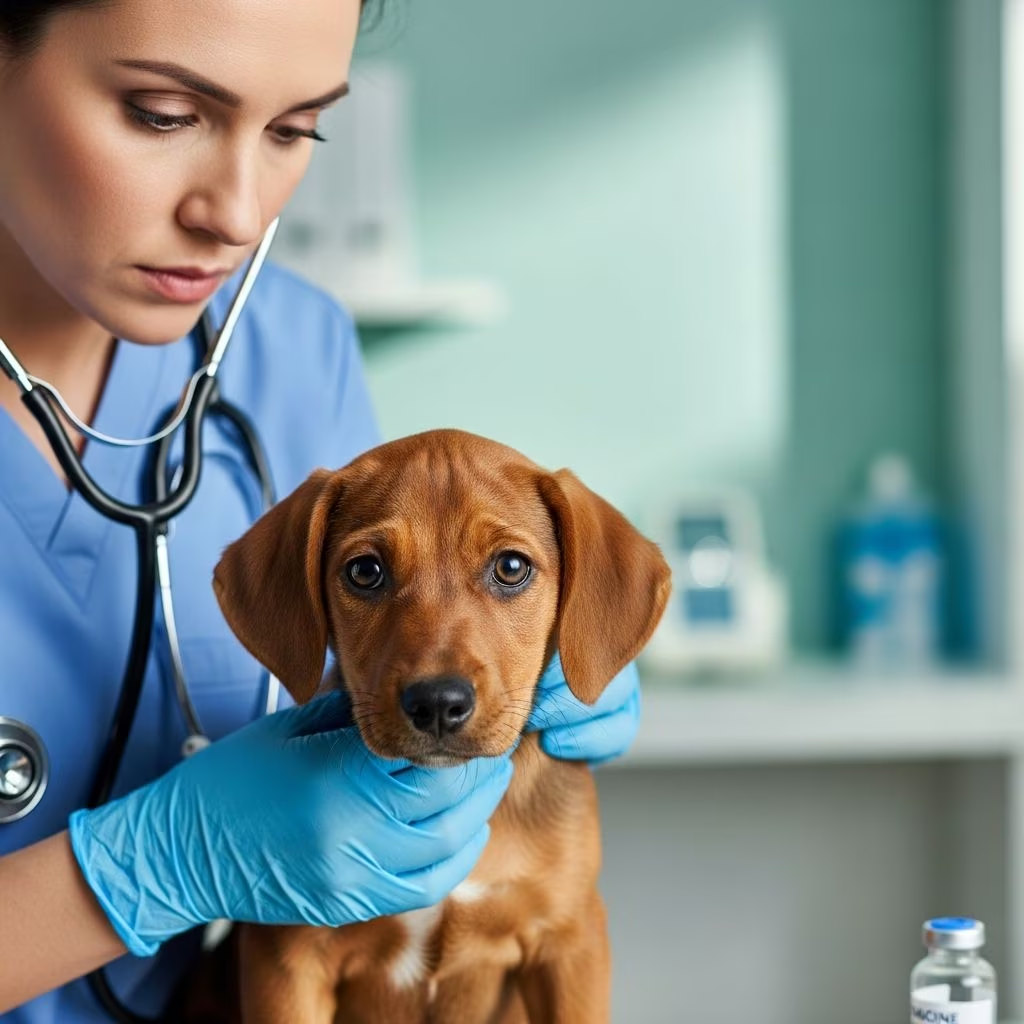
Canine parvovirus, often shortened to parvo, represents one of the most serious threats to canine health, particularly for young and unvaccinated dogs. This highly contagious virus targets the gastrointestinal system and immune cells, leading to severe illness that can be fatal without prompt intervention.
The Nature of the Parvovirus Threat
Parvovirus belongs to the family of small, non-enveloped DNA viruses known for their resilience in the environment. Canine parvovirus type 2 (CPV-2) and its variants primarily infect dogs by replicating in rapidly dividing cells, such as those in the intestinal lining and bone marrow where white blood cells are produced. This dual attack compromises the dog’s ability to fight infection and absorb nutrients, creating a cascade of life-threatening complications.
In very young puppies, a rarer form can invade the heart muscle, causing myocarditis that leads to sudden heart failure. While less common today due to vaccination efforts, this myocardial variant underscores the virus’s potential severity across all ages. The virus’s stability allows it to persist on surfaces, in soil, and even through harsh weather conditions for months, making environmental exposure a persistent risk.
Who Faces the Greatest Danger?
Not all dogs are equally vulnerable to parvo. Puppies between 6 and 20 weeks old top the risk list, as maternal antibodies wane while their immune systems are still developing. Unvaccinated or partially vaccinated adults also face heightened susceptibility, alongside certain breeds that show genetic predispositions.
- Rottweilers
- Doberman Pinschers
- Bull Terrier breeds
- German Shepherds
- English Springer Spaniels
These breeds often experience more severe outcomes, possibly due to immune response variations or other factors. Shelters and multi-dog households amplify risks through close contact and shared spaces.
Recognizing Parvo Infection Early
Early detection dramatically improves survival odds. Initial signs mimic milder stomach upset but escalate rapidly, often within 3-7 days of exposure. Watch for these progressive symptoms:
- Lethargy and weakness
- Loss of appetite (anorexia)
- Vomiting, sometimes containing blood
- Severe, foul-smelling diarrhea that may appear bloody
- Fever or hypothermia
- Abdominal pain and dehydration
Dehydration manifests as sunken eyes, dry gums, and skin that tents when pinched. Without intervention, shock, sepsis, and organ failure can follow within days. If you suspect parvo, isolate the dog immediately and seek veterinary care—do not wait for confirmation.
Diagnosis: Confirming the Suspected Case
Veterinarians rely on a combination of history, clinical signs, and targeted tests for diagnosis. A fecal antigen test provides rapid results, detecting viral proteins within minutes, though false negatives can occur early in infection. PCR assays offer higher sensitivity for confirming low viral loads or variants. Bloodwork reveals leukopenia (low white blood cells), a hallmark of parvo’s bone marrow suppression, alongside electrolyte imbalances and rising markers of dehydration.
Signalment—age, breed, and vaccination status—further supports the diagnosis, as parvo overwhelmingly strikes the expected high-risk profiles.
Intensive Treatment Strategies
No antiviral drug directly eradicates parvo; survival hinges on aggressive supportive care to bolster the dog’s natural defenses until immunity prevails. With hospitalization, 85-95% of cases recover, a testament to modern protocols.
Core elements of treatment include:
- IV Fluids: Combat dehydration, restore electrolytes, and maintain blood pressure.
- Antiemetics: Control vomiting to prevent further fluid loss.
- Antibiotics: Prevent secondary bacterial infections from gut translocation.
- Nutrition: Tube feeding or parenteral support if oral intake fails.
- Monoclonal Antibodies (CPMA): A newer therapy that neutralizes the virus, boosting survival rates.
- Pain Management and Warming: Address discomfort and hypothermia.
Treatment demands 24/7 monitoring, often spanning 3-7 days, with costs reflecting the intensity. Home care is rarely advisable due to the need for precise fluid balancing and infection control.
| Treatment Component | Purpose | Expected Benefit |
|---|---|---|
| IV Fluids & Electrolytes | Rehydrate & Stabilize | Prevents shock; survival boost |
| CPMA Therapy | Virus Neutralization | Increased recovery rates |
| Antibiotics | Secondary Infection Control | Reduces sepsis risk |
| Nutritional Support | Energy & Healing | Shortens recovery time |
Vaccination: The Cornerstone of Prevention
Vaccines have slashed parvo incidence since the late 1970s, providing robust, long-lasting immunity. Puppies require a series starting at 6-8 weeks, with boosters every 3-4 weeks until 16-20 weeks to overcome maternal interference.
Standard protocol:
- 6-8 weeks: Initial dose (often in combination vaccine).
- 9-11 weeks: First booster.
- 12-14 weeks: Second booster.
- 16-18/20 weeks: Final puppy dose.
- 1 year: Adult booster, then every 1-3 years.
Early vaccines (before 8 weeks) may fail due to maternal antibodies; restart the series if needed. Modified-live vaccines offer rapid onset protection, ideal for shelters. Fully vaccinated dogs enjoy near-lifelong immunity, though boosters are prudent in high-risk settings. Avoid puppy socialization in public until fully protected.
Disinfection and Environmental Control
Parvo’s environmental tenacity demands rigorous cleanup. Remove feces and organic matter first, then apply bleach (1:30 dilution), peroxygen products, potassium peroxymonosulfate, or accelerated hydrogen peroxide. These kill the virus on non-porous surfaces; repeat applications ensure efficacy.
Footbaths, dedicated gear, and isolation protocols are essential in multi-dog settings. Porous items like fabrics may require discard. Only introduce fully vaccinated animals post-disinfection.
Parvo in Shelters and Multi-Dog Homes
High-density environments like shelters face outbreak challenges. Vaccinate at intake (from 4 weeks in outbreaks), deworm, and isolate suspects immediately. Aggressive care yields over 90% survival in treated cases. Boosters for exposed healthy dogs reinforce protection.
FAQs on Canine Parvovirus
Q: Can vaccinated dogs get parvo?
A: Rare, but possible if vaccines lapsed or in overwhelming exposure. Breeds like Rottweilers may need extra vigilance.
Q: How long is a parvo dog contagious?
A: Up to 2-3 weeks post-recovery; virus sheds heavily during illness.
Q: Is there a home remedy for parvo?
A: No—professional care is critical. Delays lower survival odds.
Q: How to prevent parvo in new puppies?
A: Follow the vaccination series strictly and limit exposure until complete.
Q: What’s the cost of parvo treatment?
A: Varies widely ($500-$3000+), driven by hospitalization length.
Long-Term Outlook and Recovery
Survivors often regain full health but may carry gut sensitivity long-term. Monitor for recurrence signs and maintain boosters. Parvo immunity post-infection or vaccination is durable, reducing future worry. Educating owners on risks empowers proactive protection, keeping parvo a manageable rather than devastating concern.
References
- Pet Owners Guide: Canine Parvovirus — Overland Park Veterinary Emergency and Specialty. 2023. https://www.overlandparkveterinaryspecialists.com/blog/pet-owners-guide-canine-parvovirus
- Causes, Symptoms, and Treatment for Canine Parvovirus — PetMD. 2024-01-15. https://www.petmd.com/dog/conditions/infectious-parasitic/parvo-in-dogs
- Protecting Your Puppy from Canine Parvovirus — MedVet. 2024. https://www.medvet.com/protecting-your-puppy-from-canine-parvovirus/
- Canine Parvovirus — American Veterinary Medical Association (AVMA). 2023-05-10. https://www.avma.org/resources-tools/pet-owners/petcare/canine-parvovirus
- Canine Parvovirus Infection (Parvoviral Enteritis in Dogs) — Merck Veterinary Manual. 2025-02-20. https://www.merckvetmanual.com/digestive-system/infectious-diseases-of-the-gastrointestinal-tract-in-small-animals/canine-parvovirus-infection-parvoviral-enteritis-in-dogs
- Canine Parvovirus — ASPCApro. 2024. https://www.aspcapro.org/topics-shelter-medicine-common-diseases/canine-parvovirus



