

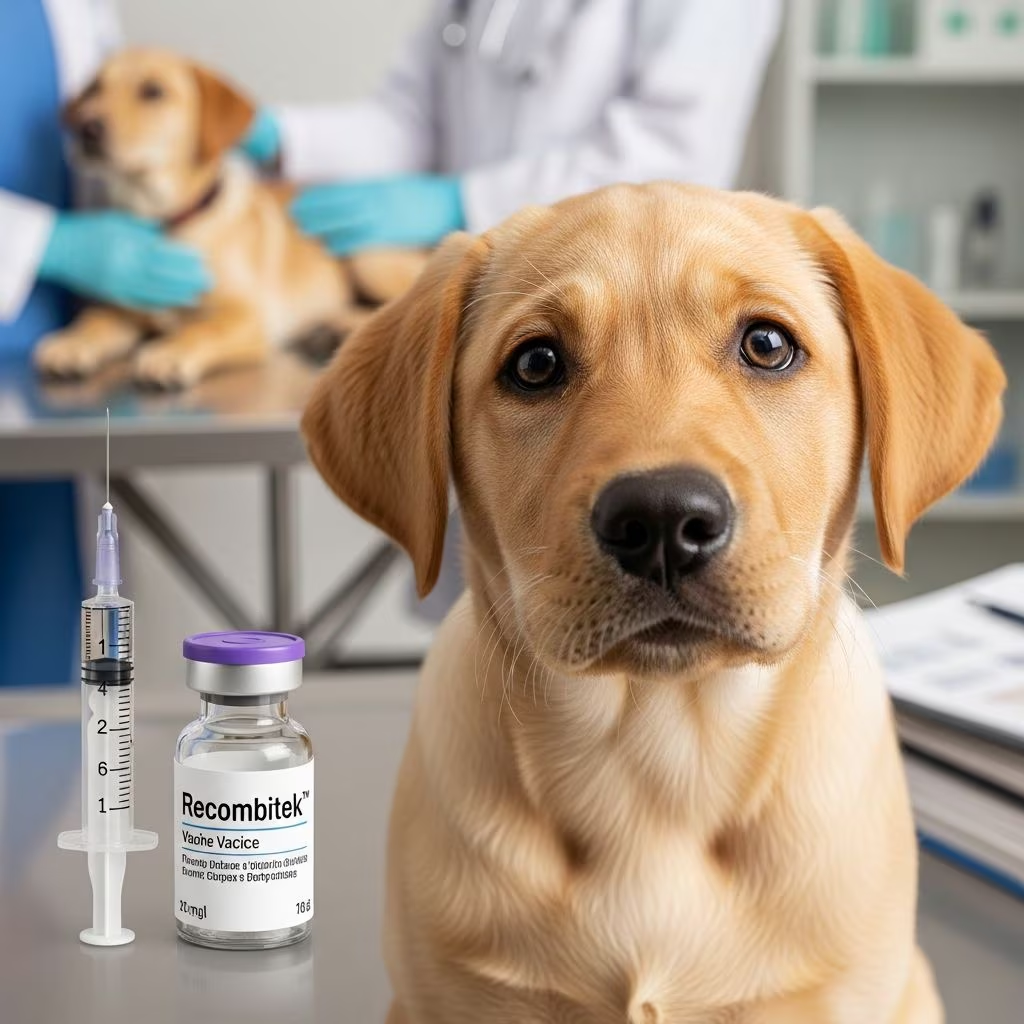
Canine parvovirus (CPV) remains one of the most serious threats to dogs, especially vulnerable puppies, causing severe gastrointestinal damage and high mortality rates if untreated. The Recombitek vaccine offers a proven defense, stimulating strong immunity against this resilient virus. This comprehensive guide details CPV’s nature, clinical signs, management strategies, and the critical role of vaccination in protection.
Understanding the Canine Parvovirus Threat
CPV is a highly contagious DNA virus that targets rapidly dividing cells in a dog’s intestines, bone marrow, and lymphoid tissues. First identified in the late 1970s, it spreads easily through direct contact or contaminated environments, surviving for months or even years on surfaces like soil, food bowls, and clothing. Puppies under six months and unvaccinated adults face the highest risk, with fatality rates reaching 90% without intervention.
The virus enters the body via ingestion, often from infected feces, and replicates aggressively, leading to intestinal lining destruction. This causes fluid loss, bacterial translocation into the bloodstream, and immune suppression due to white blood cell depletion. Environmental persistence makes outbreaks common in shelters, kennels, and dog parks.
Recognizing Early Warning Signs of CPV Infection
Early detection dramatically improves outcomes, as symptoms escalate rapidly within 3-10 days post-exposure. Initial signs mimic milder illnesses, delaying diagnosis in some cases. Key indicators include:
- Sudden lethargy and depression, with dogs appearing unusually weak.
- Loss of appetite, refusing even favorite foods.
- Fever above 103°F or hypothermia in advanced stages.
- Repeated vomiting, often containing bile or blood.
- Severe, foul-smelling diarrhea that progresses to bloody, “raspberry jam” consistency.
- Abdominal pain, evident by hunching or sensitivity to touch.
Owners should monitor puppies closely, especially after visits to high-risk areas. A rapid fecal test at the vet confirms CPV via antigen detection, guiding immediate action.
Comprehensive Treatment Approaches for CPV
No antiviral drug directly eliminates CPV; treatment emphasizes supportive care to sustain the dog’s immune response until the virus sheds. Hospitalization is standard for severe cases, with survival rates exceeding 90% under aggressive protocols. Core elements include:
- IV Fluids and Electrolytes: Rehydrate and correct imbalances from vomiting/diarrhea, preventing shock.
- Anti-Emetics: Medications like maropitant control nausea, enabling nutrient retention.
- Antibiotics: Prevent secondary bacterial infections due to gut barrier breakdown and neutropenia.
- Monoclonal Antibodies (CPMA): Newer therapy like Elanco’s product binds the virus, reducing cell infection and symptom severity.
- Nutritional Support: Tube feeding or plasma transfusions for protein loss and immune boost.
- Pain Control and Monitoring: Analgesics and 24/7 vital checks in isolation wards.
Outpatient care suits milder cases, involving subcutaneous fluids, oral electrolytes, and follow-up tests. Recovery spans 5-14 days, with full immunity to the infecting strain post-survival.
| Treatment Component | Purpose | Typical Duration |
|---|---|---|
| IV Fluids | Combat dehydration | 3-7 days |
| CPMA Therapy | Neutralize virus | Single dose |
| Antibiotics | Prevent sepsis | 5-10 days |
| Anti-Nausea Meds | Stop vomiting | As needed |
The Power of Recombitek Vaccination in Parvo Prevention
Recombitek, produced by Merial (now part of Boehringer Ingelheim), is a recombinant vaccine using modified live virus technology to safely mimic CPV infection, triggering robust antibody production. It protects against CPV-2a, -2b, and -2c strains, covering all known variants. Administered as part of core puppy protocols, it boasts over 95% efficacy when timed correctly.
Vaccination schedules start at 6-8 weeks, with boosters every 3-4 weeks until 16-20 weeks, accounting for maternal antibody interference. Annual or triennial boosters maintain lifelong protection. Recombitek’s advantages include:
- High immunogenicity without shedding risk.
- Combination formulas covering distemper, adenovirus, parainfluenza (DAPP).
- Proven safety in field trials across breeds.
Unvaccinated puppies should avoid public areas until fully series-complete, using strollers or carriers for outings.
Everyday Strategies to Shield Dogs from Parvo Exposure
Beyond vaccines, hygiene fortifies defenses. The virus resists many cleaners; use 1:32 bleach dilutions or accelerated hydrogen peroxide products on non-porous surfaces. Practical tips:
- Disinfect bowls, toys, and floors daily in multi-dog homes.
- Isolate new or sick dogs immediately.
- Avoid dog parks, groomers, or boarding until vaccinated.
- Carry waste bags and dispose properly during walks.
- Quarantine environments post-outbreak for 6+ months.
Breeds like Rottweilers, Dobermans, and Pit Bulls show genetic susceptibility, warranting stricter protocols.
Post-Recovery Care and Long-Term Monitoring
Surviving dogs regain health but require gradual reintroduction to food—starting bland diets like rice and boiled chicken. Monitor stools for 2-4 weeks, as relapses occur rarely. Future litters gain maternal antibodies if the dam survived or was vaccinated. Retest immunity if gaps exceed boosters; titer tests guide necessity.
FAQs on Canine Parvovirus and Recombitek
What makes Recombitek superior for parvo prevention?
Its recombinant design targets multiple strains with minimal side effects, ensuring broad, durable immunity.
Can adult dogs get parvo if vaccinated as puppies?
Yes, if boosters lapse; annual check-ups are vital.
How long does CPV live in the environment?
Up to 1 year in soil or feces, necessitating thorough disinfection.
Is CPMA a cure for parvo?
No, it mitigates damage alongside supportive care, improving outcomes.
When can a recovered puppy resume normal activities?
After 1-2 weeks, once eating normally and stools firm.
Why Vaccination Schedules Matter for Puppy Health
Puppies receive temporary protection from dam’s colostrum, waning by 6-12 weeks. Delaying shots risks exposure during immunity gaps. Vets tailor protocols, often integrating Recombitek with leptospirosis or Lyme components. Compliance halves parvo incidence community-wide.
In high-prevalence areas, pre-vaccination titer checks identify protected pups, optimizing costs. Owners should track records via apps or microchip links for seamless transfers.
References
- Canine Parvovirus: Prevention and Treatment Options — PetNest Animal Hospital. 2024-05-22. https://petnestanimalhospital.com/2024/05/22/canine-parvovirus-prevention-and-treatment-options/
- Parvovirus in Dogs — VCA Animal Hospitals. 2023-01-15. https://vcahospitals.com/know-your-pet/parvovirus-in-dogs
- Canine Parvovirus Infection (Parvoviral Enteritis in Dogs) — Merck Veterinary Manual. 2024-11-01. https://www.merckvetmanual.com/digestive-system/infectious-diseases-of-the-gastrointestinal-tract-in-small-animals/canine-parvovirus-infection-parvoviral-enteritis-in-dogs
- Canine Parvovirus — Cornell University College of Veterinary Medicine. 2023-06-10. https://www.vet.cornell.edu/departments-centers-and-institutes/baker-institute-animal-health/research-baker-institute/canine-parvovirus
- Canine parvovirus — American Veterinary Medical Association. 2024-03-20. https://www.avma.org/resources-tools/pet-owners/petcare/canine-parvovirus
- Causes, Symptoms, and Treatment for Canine Parvovirus — PetMD. 2024-08-05. https://www.petmd.com/dog/conditions/infectious-parasitic/parvo-in-dogs



