

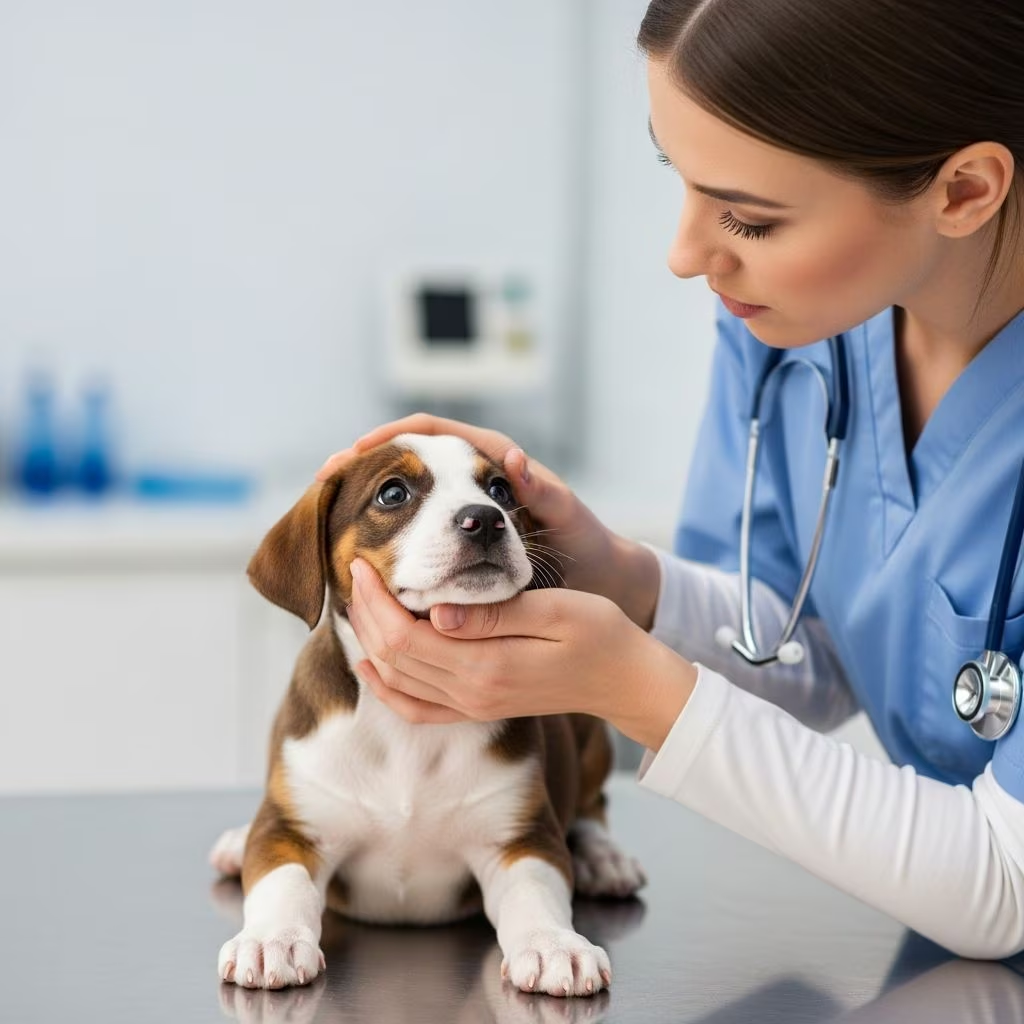
Canine parvovirus (CPV) is one of the most serious viral infections affecting dogs worldwide, particularly puppies and unvaccinated animals. This highly contagious and potentially fatal disease primarily attacks the gastrointestinal tract, causing severe symptoms that can rapidly progress to life-threatening conditions. Understanding the nature of this virus, recognizing its symptoms, and knowing effective prevention and treatment strategies are essential for every dog owner who wants to protect their beloved companion.
What is Canine Parvovirus?
Canine parvovirus is a virulent pathogen that emerged in the late 1970s and has since become one of the most common infectious diseases in dogs. The virus specifically targets rapidly dividing cells in the body, with the gastrointestinal tract being the primary site of infection. Once inside a dog’s body, CPV attacks the intestinal lining, causing severe damage that leads to the characteristic gastrointestinal distress associated with the disease. The virus also has an affinity for bone marrow and lymphoid tissues, which can lead to a significant drop in white blood cells, severely compromising the dog’s immune system and increasing vulnerability to secondary infections.
Three decades after its first appearance, the development of effective vaccines in the late 1970s has significantly reduced the frequency with which CPV strikes puppies with deadly disease, though outbreaks still occur regularly, making vaccination of utmost importance.
How Canine Parvovirus Spreads
Understanding transmission is crucial for preventing infection in your dog. Canine parvovirus spreads through direct contact with infected feces and contaminated environments. The virus is extremely hardy and can survive in soil, on objects, and in various indoor and outdoor settings for extended periods.
Common transmission routes include:
- Direct contact with infected feces
- Contaminated soil and outdoor environments
- Contact with infected objects such as food bowls, shoes, bedding, and toys
- Infected dog-to-dog contact
- Contaminated grooming equipment and facilities
- Unvaccinated or improperly vaccinated dogs
Once the virus is ingested, it attacks rapidly dividing cells in the intestines, causing severe gastrointestinal distress within days of exposure. The highly contagious nature of CPV means that a single exposure to infected material can lead to infection in unvaccinated or incompletely vaccinated dogs.
Recognizing Symptoms of Canine Parvovirus
Early recognition of parvovirus symptoms is critical for ensuring prompt veterinary intervention and improving survival chances. Symptoms typically appear within three to ten days of exposure and can progress rapidly.
Key symptoms of canine parvovirus include:
- Persistent vomiting, often severe and frequent
- Severe diarrhea, frequently containing blood
- Extreme lethargy and weakness
- Complete loss of appetite
- Fever or hypothermia (abnormally low body temperature)
- Weight loss and dehydration
- Depression and listlessness
- Abdominal pain and discomfort
The severity of symptoms can vary between individual dogs, but without prompt treatment, the condition often leads to life-threatening dehydration and sepsis. Puppies and young dogs are particularly susceptible to severe disease and rapid deterioration. If your dog exhibits any of these symptoms, immediate veterinary attention is essential, as the virus can be fatal within just a few days of symptom onset.
Diagnosing Canine Parvovirus
Veterinarians typically diagnose canine parvovirus through a combination of clinical signs, physical examination findings, and specific diagnostic tests. The most common diagnostic method is an enzyme-linked immunosorbent assay (ELISA) test that detects parvovirus antigen in fecal samples. This rapid test can provide results within minutes to hours, allowing for quick confirmation and initiation of treatment.
Blood work may also be performed to assess the severity of the infection and identify secondary complications such as low white blood cell counts, electrolyte imbalances, and signs of sepsis. Early diagnosis significantly improves treatment outcomes and survival rates.
Treatment Options for Canine Parvovirus
Unfortunately, there is no specific antiviral treatment or cure for canine parvovirus. However, aggressive supportive care and prompt veterinary intervention can dramatically improve survival rates. Studies show that with proper medical treatment, 85-95% of puppies survive parvovirus infection. Treatment focuses on managing symptoms, preventing secondary infections, and supporting the dog’s immune system while it fights off the virus.
Hospitalization and Intensive Care
Most dogs with parvovirus require hospitalization, often for five to seven days on average. During hospitalization, veterinarians provide intensive monitoring and comprehensive treatment to maximize recovery chances. Puppies and adolescent dogs are especially susceptible and may require longer hospital stays.
Primary Treatment Components
- Intravenous Fluids: IV therapy is essential to combat severe dehydration caused by vomiting and diarrhea. An intravenous drip is preferred because the digestive tract of infected dogs is usually in distress and cannot tolerate or absorb what the dog needs.
- Electrolyte and Protein Supplements: These restore the balance of essential nutrients lost during illness and prevent dangerous electrolyte imbalances.
- Anti-nausea Medications: Antiemetics reduce vomiting, helping the dog retain fluids and nutrients more effectively.
- Antibiotics: Given intravenously or by injection, antibiotics prevent or treat secondary bacterial infections that commonly occur due to the weakened immune system and damaged intestinal lining.
- Pain Management: Medications alleviate abdominal pain and discomfort associated with gastrointestinal distress.
- Nutritional Support: In severe cases, tube feeding may be necessary if the dog is unable to eat on its own.
Advanced Treatment Options
Some veterinarians may recommend canine parvovirus monoclonal antibody (CPMA) therapy, which prevents parvovirus from infecting cells and causing additional damage, much like a dog’s own antibodies. While this treatment can reduce clinical signs, it doesn’t address damage already done by the infection. Blood transfusions may also be beneficial to boost low blood cell counts that may result from CPV infecting the bone marrow.
Dogs that survive the critical first four days after symptom onset have a significantly better prognosis for recovery. With vigilant care and comprehensive treatment plans, many dogs can recover from parvovirus and return to healthy, normal lives. However, aftercare at home is critical, involving careful monitoring and gradual reintroduction to regular diet and activities.
Prevention Strategies for Canine Parvovirus
Prevention is far more effective than treating the disease after infection occurs. Vaccination is the primary defense against canine parvovirus, though multiple preventive measures work together to provide comprehensive protection.
Vaccination Protocol
Vaccination is the number one way to prevent parvovirus. Puppies should begin their vaccination series at six to eight weeks of age, followed by booster shots every three to four weeks until they reach 16 to 20 weeks old. After completing the initial series, dogs require regular booster shots throughout their lives to maintain immunity and protection against the virus. The schedule ensures that puppies develop adequate antibody levels to protect them during their most vulnerable period.
Hygiene and Environmental Control
Maintaining rigorous hygiene practices is crucial in preventing parvovirus transmission:
- Promptly clean up after your dog and properly dispose of feces to reduce environmental contamination
- Regularly disinfect areas where your dog eats, sleeps, and plays using appropriate disinfectants known to kill the virus
- Use a solution of one part bleach mixed with approximately 30 parts water for disinfecting indoor areas, including bedding
- Wash hands thoroughly after being near your dog, especially before eating or touching your face
- Keep your dog away from feces and contaminated areas
- Regularly clean toys, food bowls, and other equipment your dog uses
Controlled Socialization
While socialization is essential for young dogs’ development, it must be carefully managed during the vaccination period. Before your puppy is fully vaccinated, never allow them to spend time around dogs that have not been fully vaccinated against parvovirus. Introduce your puppy to new environments and other dogs gradually, ensuring they are vaccinated and healthy. Avoid dog parks, wooded areas, grooming salons, and other high-risk environments where vaccination status of other dogs is uncertain, especially during the early weeks of your puppy’s life.
Isolation Practices
If your dog is diagnosed with canine parvovirus, it is essential to immediately take steps to isolate your dog from other animals to prevent viral transmission. Dogs and puppies with parvo must be put in isolation and kept well away from other animals. Vets and nurses will wear special clothes and shoes when treating infected dogs to prevent spreading the virus to other patients.
Risk Factors for Canine Parvovirus
Certain dogs face higher risk of contracting and experiencing severe parvovirus infection:
- Puppies under 16-20 weeks of age
- Unvaccinated or incompletely vaccinated dogs
- Dogs with compromised immune systems
- Certain dog breeds, including Rottweilers, Doberman Pinschers, and American Pit Bull Terriers
- Dogs in shelters, kennels, or multi-dog households
- Dogs with poor nutrition or underlying health conditions
Puppies and adolescent dogs are especially susceptible to parvovirus, and you should avoid bringing your puppy to public places where there is likely to be high viral presence, such as animal shelters and kennels, until after their vaccinations are complete.
Recovery and Long-term Outlook
Recovery from canine parvovirus depends on several factors, including the severity of infection, age of the dog, overall health status, and timeliness of veterinary intervention. Dogs that survive CPV infection typically show improvement within one week of symptom onset, though full recovery may take longer. Many dogs will respond to medical therapy if it is initiated in a timely fashion, and those dogs that recover from CPV infection retain lifelong protective immunity against the strain that infected them.
Survival rates are typically best for dogs treated aggressively in the hospital, with survival rates exceeding 90% in such cases. However, financial limitations may sometimes prevent such aggressive therapy in certain situations.
Frequently Asked Questions About Canine Parvovirus
Q: At what age should puppies be vaccinated against parvovirus?
A: Puppies should begin their vaccination series at six to eight weeks of age, followed by booster shots every three to four weeks until they reach 16 to 20 weeks old. After the initial series, dogs require regular booster shots throughout their lives to maintain immunity.
Q: Can adult dogs get parvovirus?
A: Yes, adult dogs can contract parvovirus if they are unvaccinated or have not received regular booster shots. However, puppies and young dogs are more susceptible to severe disease. Maintaining current vaccinations throughout your dog’s life is essential for protection.
Q: How long does it take for a dog to recover from parvovirus?
A: Typically, it takes around one week for dogs to recover from parvo symptoms with proper treatment. The average hospital stay is five to seven days. However, full recovery and return to normal activity may take longer, and careful monitoring is necessary during the recovery period.
Q: Is there a cure for canine parvovirus?
A: There is no specific cure or antiviral treatment for parvovirus. Treatment focuses on supportive care to manage symptoms and help the dog’s immune system fight off the infection. With prompt and aggressive medical intervention, most puppies (85-95%) will survive parvovirus.
Q: Can parvovirus be treated at home?
A: Dogs with parvovirus typically require hospitalization for intensive supportive care. Home treatment is not adequate due to the severity of dehydration and the need for intravenous fluids and close monitoring. However, aftercare at home is critical during recovery, involving careful monitoring and gradual reintroduction to regular diet and activities.
Q: How can I prevent my dog from getting parvovirus?
A: Prevention involves vaccination, which is the primary defense. Maintain rigorous hygiene practices, avoid contact with infected dogs, limit exposure to unknown environments until fully vaccinated, and practice controlled socialization with vaccinated dogs only.
Q: If my dog recovers from parvovirus, can they get it again?
A: Dogs that recover from CPV infection retain lifelong protective immunity against the strain that infected them. However, continued vaccination is still important for protection against potential new strains and to maintain overall health status.
References
- Canine Parvovirus: Prevention and Treatment Options — PetNest Animal Hospital. 2024-05-22. https://petnestanimalhospital.com/canine-parvovirus-prevention-and-treatment-options/
- Dog Parvovirus: Symptoms & Prevention — Aurora Veterinary Hospital. 2023-05-30. https://www.auroraveterinaryhospital.com/site/blog/2023/05/30/dog-parvovirus-symptoms-prevention
- Canine Parvovirus — Cornell University College of Veterinary Medicine. 2024. https://www.vet.cornell.edu/departments-centers-and-institutes/baker-institute-animal-health/research-baker-institute/canine-parvovirus
- Canine Parvovirus: Symptoms and Treatment — Blue Cross. 2024. https://www.bluecross.org.uk/advice/dog/health-and-injuries/parvovirus-in-dogs
- Parvovirus in Dogs — VCA Animal Hospitals. 2024. https://vcahospitals.com/know-your-pet/parvovirus-in-dogs
- Causes, Symptoms, and Treatment for Canine Parvovirus — PetMD. 2024. https://www.petmd.com/dog/conditions/infectious-parasitic/parvo-in-dogs
- Canine Parvovirus Infection (Parvoviral Enteritis in Dogs) — Merck Veterinary Manual. 2024. https://www.merckvetmanual.com/digestive-system/infectious-diseases-of-the-gastrointestinal-tract-in-small-animals/canine-parvovirus-infection-parvoviral-enteritis-in-dogs



