
Canine Parvovirus Guide
Essential insights on recognizing, treating, and preventing parvo in dogs to protect your pet's life.
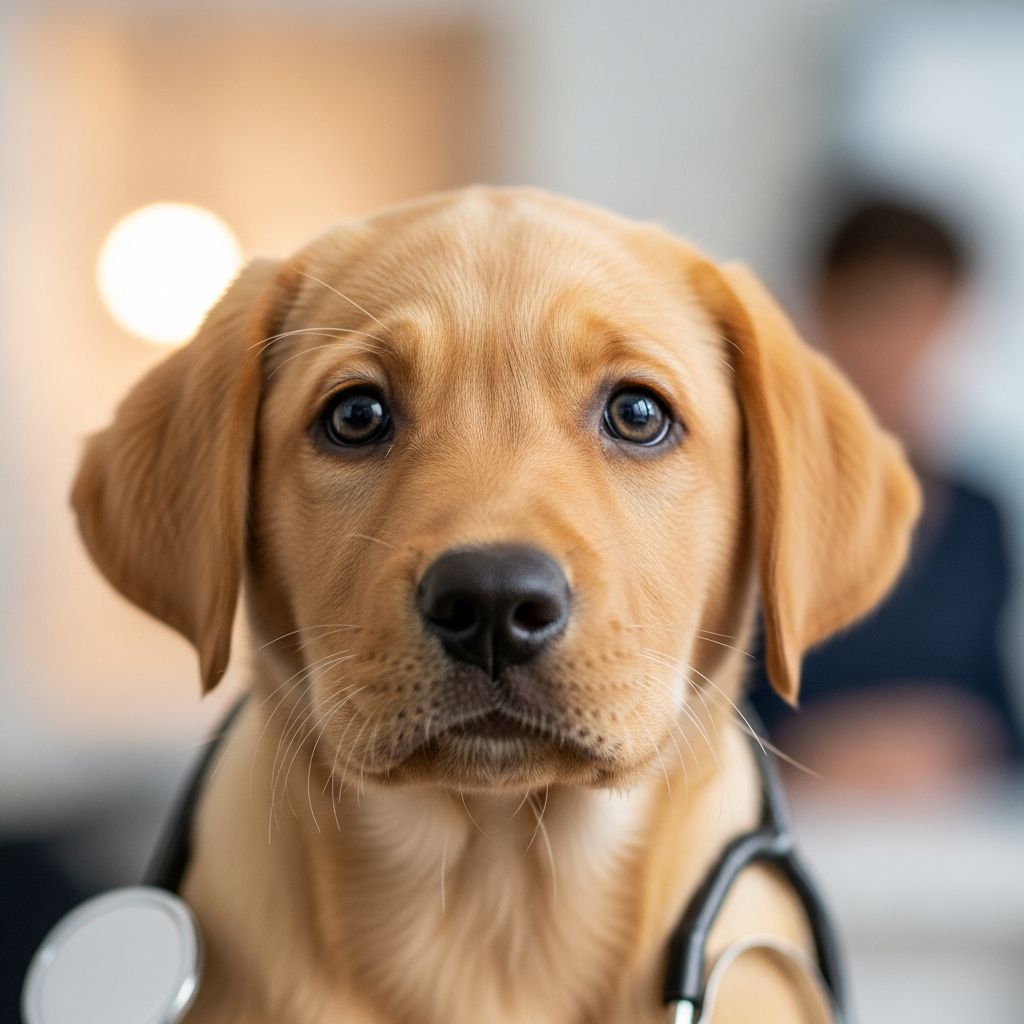
Canine parvovirus, commonly known as parvo, poses a severe threat to dogs, especially young puppies, by attacking the gastrointestinal system and immune cells. This highly contagious virus spreads through contact with infected feces and contaminated environments, leading to rapid deterioration if untreated. Early recognition and aggressive intervention are critical for survival, with success rates reaching 85-95% under proper veterinary care.
Understanding the Nature of Parvovirus
Parvovirus is a resilient pathogen that thrives in environments like dog parks, kennels, and public areas. It targets rapidly dividing cells in the intestines and bone marrow, causing inflammation, cell death, and vulnerability to secondary infections. Puppies under six months and unvaccinated dogs face the highest risk due to immature immune systems. The virus’s stability outside the host allows it to persist for months on surfaces, emphasizing the need for rigorous disinfection.
Recognizing Early Warning Signs
Initial symptoms mimic mild stomach upset, making prompt detection challenging. Dogs may appear lethargic, lose appetite, or seem unusually quiet. Within 24-48 hours, severe signs emerge: explosive bloody diarrhea, persistent vomiting, high fever, and abdominal pain. Dehydration sets in quickly from fluid loss, leading to sunken eyes, dry gums, and weakness. Owners should monitor for these progressions and seek immediate veterinary help, as delays can be fatal within 72 hours.
- Lethargy and depression: Reduced energy and interaction.
- Anorexia: Complete refusal of food.
- Vomiting: Often projectile and foul-smelling.
- Diarrhea: Bloody, with a distinctive foul odor.
- Fever: Temperatures exceeding 103°F (39.4°C).
Diagnostic Process in Veterinary Clinics
Veterinarians confirm parvo via fecal antigen tests, which detect viral proteins within minutes. Blood work assesses white blood cell counts, often low due to bone marrow suppression, and checks for dehydration or electrolyte imbalances. PCR tests provide definitive identification but are less common for initial screening due to cost and time. Abdominal imaging may rule out other conditions like intestinal blockages.
Core Treatment Strategies
No antiviral medication eliminates parvo directly; therapy focuses on supportive measures to sustain the dog until its immune system clears the virus. Hospitalization is standard for moderate to severe cases, providing 24/7 monitoring and intensive care. Key components include:
- IV Fluids: Restore hydration, correct electrolytes, and maintain blood pressure.
- Anti-emetics: Control vomiting to prevent further fluid loss.
- Antibiotics: Combat secondary bacterial invasions from gut leakage.
- Nutritional Support: Enteral feeding tubes deliver calories without stressing the damaged intestines.
Treatment duration varies from 3-7 days, depending on response. Costs can exceed thousands, but early action improves outcomes significantly.
Emerging Therapies: Monoclonal Antibodies
A breakthrough in parvo management is canine parvovirus monoclonal antibody (CPMA) therapy. This injectable treatment neutralizes the virus by binding to its proteins, reducing viral load and aiding faster recovery. Studies show enhanced survival and shorter hospital stays when combined with standard care, especially if given early. Availability depends on veterinary facilities, but it’s a promising adjunct for critical cases.
Comparison of Traditional vs. Advanced Treatment
| Aspect | Traditional Supportive Care | With Monoclonal Antibodies |
|---|---|---|
| Survival Rate | 70-90% | Up to 95% with early use |
| Hospital Stay | 5-7 days | 3-5 days |
| Viral Neutralization | Immune system only | Direct antibody binding |
| Cost | High (IVs, monitoring) | Higher initially, but potentially shorter overall |
Post-Treatment Recovery at Home
Once stable, dogs return home with strict protocols. Gradual diet reintroduction starts with bland foods like boiled rice and chicken, progressing to regular kibble. Probiotics restore gut flora, while continued antibiotics prevent relapses. Owners must isolate the patient, disinfect thoroughly, and restrict exercise for 2-4 weeks to avoid complications. Monitor for recurring symptoms and follow-up blood tests ensure full recovery.
Proven Prevention Tactics
Vaccination remains the cornerstone of parvo defense. Puppies receive initial doses at 6-8 weeks, with boosters every 3-4 weeks until 16-20 weeks. Adults need annual or triennial boosters based on risk. Core vaccines provide 95%+ efficacy when completed timely.
- Hygiene Protocols: Remove feces immediately; use bleach (1:30 dilution) for surfaces.
- Limit Exposure: Avoid dog parks, pet stores, and unknown dogs until fully vaccinated.
- Safe Socialization: Use strollers for puppies; wipe paws after outings.
- Quarantine New Pets: Test and vaccinate before integration.
Vaccination Schedule Table
| Age | Vaccine | Notes |
|---|---|---|
| 6-8 weeks | DA2PP (includes parvo) | First dose |
| 10-12 weeks | Booster | Maternal antibodies may interfere |
| 14-16 weeks | Final puppy booster | Critical for full immunity |
| 1 year | Adult booster | Then every 1-3 years |
Risks for Specific Dog Populations
Puppies from shelters or breeders carry higher exposure risks. Breeds like Rottweilers and Dobermans show genetic susceptibility. Pregnant dogs risk fetal loss, underscoring vaccination’s importance. Unvaccinated adults in multi-dog homes amplify outbreak potential.
FAQs on Canine Parvovirus
Can parvo be cured at home?
No, home remedies are insufficient. Professional hospitalization is essential for survival.
How long does parvo last in the environment?
Up to 7 months on surfaces; bleach effectively kills it.
Is parvo fatal?
Without treatment, yes—up to 90% mortality. Treated cases have high survival.
Can vaccinated dogs get parvo?
Rarely, but possible if vaccines lapsed or maternal antibodies waned prematurely.
What if my dog survives parvo?
Immunity develops lifelong, but monitor for gut issues long-term.
Long-Term Health Implications
Survivors often face chronic enteropathies or weakened immunity. Regular vet check-ups, deworming, and balanced nutrition support ongoing wellness. Owners should advocate for community vaccination drives to curb outbreaks.
References
- Understanding Canine Parvovirus: Symptoms and Prevention — Southern AZ Vets. 2023. https://southernazvets.com/understanding-canine-parvovirus-symptoms-and-prevention/
- Canine Parvovirus: Prevention and Treatment Options — PetNest Animal Hospital. 2024-05-22. https://petnestanimalhospital.com/2024/05/22/canine-parvovirus-prevention-and-treatment-options/
- Causes, Symptoms, and Treatment for Canine Parvovirus – PetMD — PetMD. 2024. https://www.petmd.com/dog/conditions/infectious-parasitic/parvo-in-dogs
- Parvo in Dogs: Prevention, Symptoms, and Why Vaccination Matters — Hart for Animals. 2024. https://hartforanimals.org/pet-health-blog/parvo-in-dogs-why-vaccination-matters
- Parvo in Dogs: Signs, Treatment, and Prevention Every Owner — Project Street Vet. 2024. https://www.projectstreetvet.org/blog/parvo-in-dogs
- Canine parvovirus — American Veterinary Medical Association (AVMA). 2024. https://www.avma.org/resources-tools/pet-owners/petcare/canine-parvovirus
- Canine Parvovirus — Cornell University College of Veterinary Medicine. 2024. https://www.vet.cornell.edu/departments-centers-and-institutes/baker-institute-animal-health/research-baker-institute/canine-parvovirus
Similar Articles








Read full bio of Sneha Tete




