

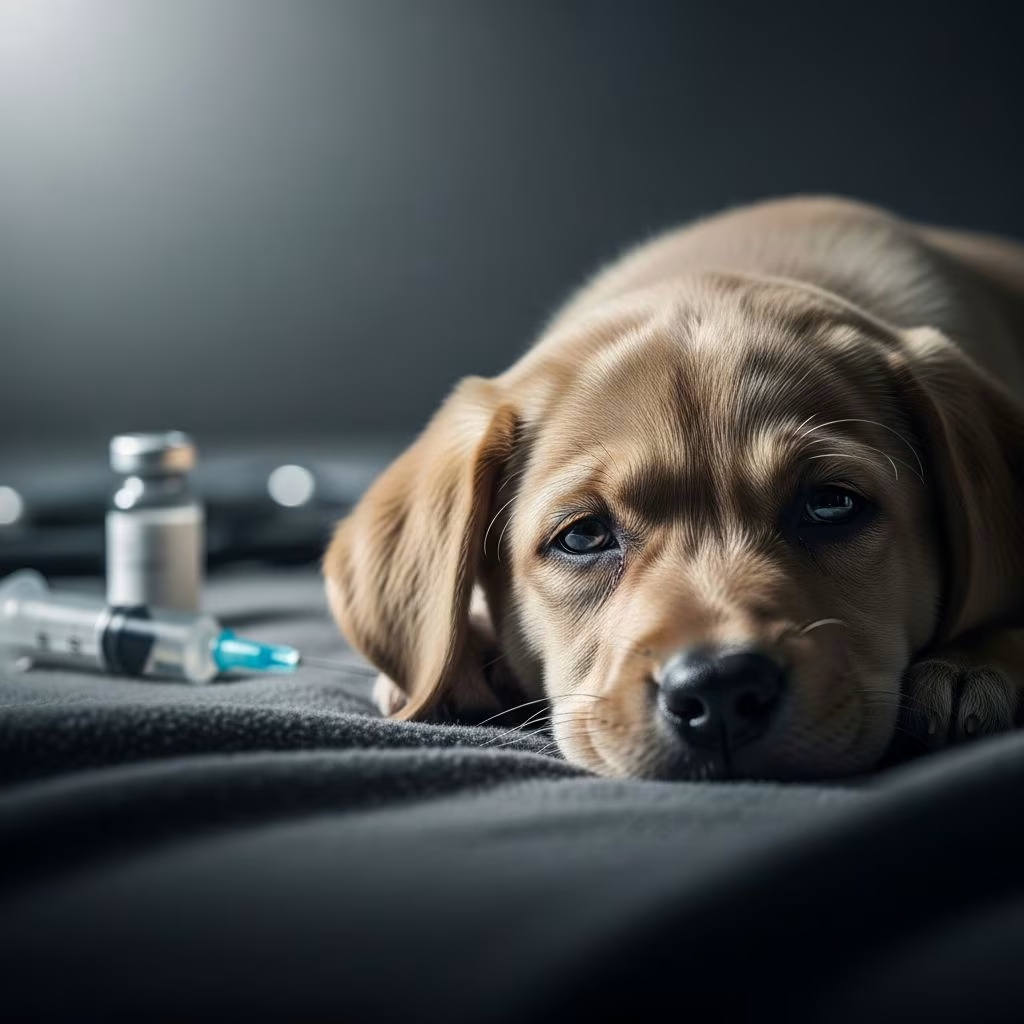
Canine parvovirus, commonly known as parvo, represents one of the most serious viral threats to dogs, particularly young puppies. This highly contagious pathogen targets the gastrointestinal tract and immune system, leading to rapid deterioration if not addressed promptly. First identified in the late 1970s, parvo has evolved into a resilient foe that survives in environments for months, making prevention critical.
The Nature of the Parvovirus Menace
Parvovirus belongs to a family of small, hardy viruses that specifically infect canine intestinal lining cells and bone marrow. Its ability to spread via fecal-oral transmission amplifies its danger in places like dog parks, kennels, and shelters. Unvaccinated dogs and puppies under six months face the highest risk due to immature immune responses.
The virus replicates aggressively, shedding in massive quantities through infected feces. A single contaminated shoe sole or paw can introduce it into a home. Environmental persistence on surfaces, fabrics, and soil—lasting up to a year in ideal conditions—demands rigorous disinfection protocols using bleach solutions or commercial parvo-killers.
Recognizing the Onset of Parvo Infection
Symptoms emerge 3 to 7 days post-exposure, starting subtly before escalating dramatically. Initial indicators include lethargy, appetite refusal, and mild fever, often mistaken for routine tummy upset. Progression brings unrelenting vomiting and explosive, foul-smelling diarrhea tinged with blood, signaling intestinal devastation.
- Lethargy and weakness: Dogs appear depressed and unwilling to move.
- Gastrointestinal distress: Frequent vomiting followed by hemorrhagic diarrhea.
- Abdominal tenderness: Guarded posture due to pain and bloating.
- Temperature fluctuations: Initial fever gives way to hypothermia in advanced stages.
- Dehydration signs: Sunken eyes, dry gums, and weak pulses.
Puppies may collapse suddenly, exhibit rapid heart rates, low white blood cell counts, and hypoglycemia, heightening fatality risks without intervention.
Diagnosis: Confirming Parvo Presence
Veterinarians rely on clinical signs, history, and targeted tests for swift diagnosis. Fecal SNAP tests detect viral antigens within minutes, offering over 95% accuracy in symptomatic cases. Blood work reveals leukopenia (low white cells), critical for gauging severity, while imaging like abdominal ultrasounds assesses intestinal damage.
| Test Method | Purpose | Turnaround Time |
|---|---|---|
| Fecal ELISA/SNAP | Antigen detection | 10-15 minutes |
| PCR Assay | Viral DNA confirmation | 1-2 days |
| Complete Blood Count | Assess immune suppression | Same day |
| Abdominal Radiographs | Evaluate gut integrity | Immediate |
Early confirmation guides aggressive therapy, improving outcomes significantly.
Intensive Treatment Strategies for Survival
No antiviral directly eradicates parvo; survival hinges on supportive care bolstering the immune system. Hospitalization in isolation units for 5-7 days is standard, with 24/7 monitoring via IV lines and vital checks.
Core treatments include:
- Fluid resuscitation: Intravenous crystalloids correct dehydration, restore electrolytes, and maintain blood sugar with dextrose additives.
- Antiemetics: Medications like maropitant (Cerenia) or ondansetron halt vomiting, preserving hydration.
- Antibiotics: Broad-spectrum options such as metronidazole prevent bacterial sepsis from gut translocation.
- Monoclonal antibodies (CPMA): A breakthrough one-time injection neutralizes virus particles, reducing symptom severity.
- Pain control and nutrition: Analgesics ease discomfort; feeding tubes deliver calories if oral intake fails.
Treatment costs range from $1,500 to $5,000, reflecting intensity, but prompt action boosts survival to 80-90% in treated cases versus near-zero untreated.
Prognosis and Factors Influencing Recovery
Survival odds depend on age, infection timing, and care speed. Puppies under 4 months fare worst, with mortality up to 90% untreated, dropping to 20-30% with therapy. Adults generally recover better due to stronger immunity. Key positive factors: early hospitalization, no comorbidities, and CPMA use. Post-recovery, dogs gain lifelong immunity but remain carriers briefly.
Monitor discharged patients for relapse: gradual diet reintroduction, probiotics for gut healing, and rest. Full vitality returns in 2-4 weeks.
Prevention: The Ultimate Defense Against Parvo
Vaccination forms the cornerstone. Puppies receive initial doses at 6-8 weeks, boosters every 3-4 weeks until 16 weeks, conferring protection two weeks post-series. Adults need triennial boosters.
Limit exposures:
- Avoid dog-heavy areas until fully vaccinated.
- Disinfect with 1:30 bleach or parvo-specific products.
- Quarantine new or ill dogs.
- Maintain hygiene: handwashing, boot changes after walks.
Maternal antibodies can interfere with early vaccines, underscoring protocol adherence.
Home Care During and After Treatment
For mild cases or post-hospital, focus on hydration, bland diets (boiled chicken/rice), and medication compliance. Isolate to prevent spread. Watch for dehydration: skin tenting test or gum moisture. Consult vets for weight checks and fecal trends.
FAQs on Canine Parvovirus
Is parvo curable in dogs?
While no cure kills the virus, supportive care enables most dogs to recover fully.
How long does parvo last in dogs?
Acute phase spans 5-10 days with treatment; shedding continues 10-14 days.
Can vaccinated dogs get parvo?
Rarely, but possible if vaccines lapsed or maternal antibodies wane improperly.
How to clean parvo from home?
Use 1:30 bleach on non-porous surfaces; steam clean fabrics; discard irredeemables.
Is parvo fatal?
Up to 90% in untreated puppies, but 70-90% survival with intensive care.
Long-Term Health Implications
Survivors often develop robust immunity, but monitor for chronic gut issues or cardiac variants (rare). Annual wellness exams ensure vaccination status and early detection of vulnerabilities.
In summary, parvo’s devastation underscores vigilance. Vaccinate diligently, act on symptoms immediately, and educate breeders/shelters on hygiene to curb outbreaks.
References
- Causes, Symptoms, and Treatment for Canine Parvovirus — PetMD. 2023. https://www.petmd.com/dog/conditions/infectious-parasitic/parvo-in-dogs
- Parvo in Dogs: Signs, Treatment, and Prevention — Project Street Vet. 2024. https://www.projectstreetvet.org/blog/parvo-in-dogs
- Canine Parvovirus | Symptoms and Treatment — Blue Cross. 2023. https://www.bluecross.org.uk/advice/dog/health-and-injuries/parvovirus-in-dogs
- Canine Parvovirus: Prevention and Treatment Options — PetNest Animal Hospital. 2024-05-22. https://petnestanimalhospital.com/2024/05/22/canine-parvovirus-prevention-and-treatment-options/
- Canine parvovirus — American Veterinary Medical Association (AVMA). 2024. https://www.avma.org/resources-tools/pet-owners/petcare/canine-parvovirus
- Parvovirus in Dogs: Symptoms, Causes, and Treatments — GoodRx. 2024. https://www.goodrx.com/pet-health/dog/parvovirus-in-dogs
- Parvovirus in Dogs — VCA Animal Hospitals. 2024. https://vcahospitals.com/know-your-pet/parvovirus-in-dogs



