

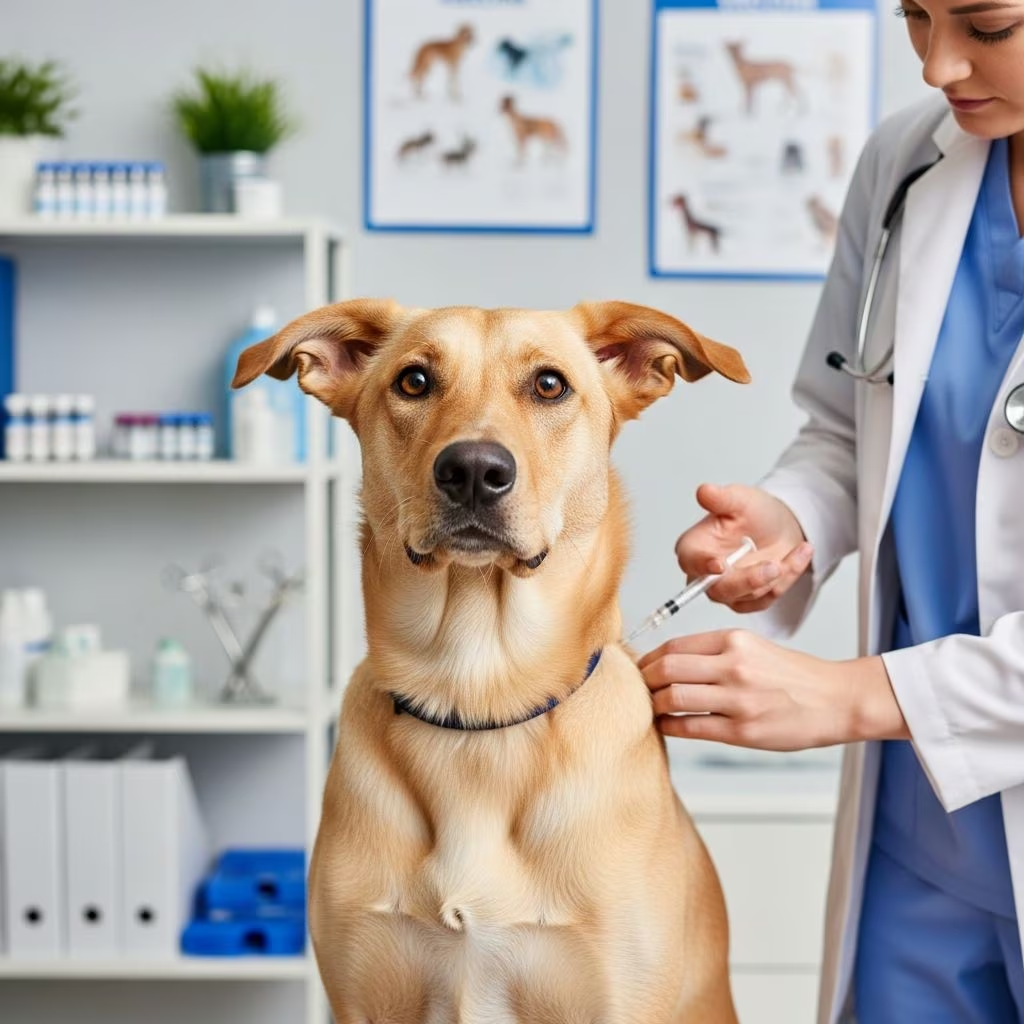
Understanding Canine Parvovirus and the CPV Vaccine
Canine parvovirus (CPV) is one of the most serious and potentially fatal diseases affecting dogs, particularly puppies and unvaccinated adult dogs. This highly contagious viral infection attacks the digestive system and can cause severe illness or death if left untreated. Fortunately, vaccination is a highly effective way to prevent this devastating disease. The CPV vaccine has proven to be one of the most successful vaccines in veterinary medicine, saving countless lives and preventing widespread outbreaks among canine populations.
Understanding how the CPV vaccine works, when your puppy should receive it, and what to expect from the vaccination process is essential for every dog owner. This comprehensive guide will help you navigate the complexities of CPV vaccination and ensure your beloved pet receives the best possible protection against this dangerous virus.
What Is Canine Parvovirus?
Canine parvovirus is a small, non-enveloped DNA virus that is highly resistant to environmental conditions and difficult to eliminate from contaminated areas. The virus primarily affects the gastrointestinal tract of dogs, causing severe vomiting, diarrhea, and dehydration. In young puppies and immunocompromised dogs, CPV can also attack the myocardium (heart muscle), leading to sudden cardiac failure and death.
The disease spreads through direct contact with infected dogs or contaminated feces, which can remain infectious in the environment for extended periods. CPV is particularly dangerous because it can survive on surfaces, clothing, and food bowls, making it easy to transmit from one dog to another even without direct contact. This environmental persistence is one reason why vaccination is so critical for all dogs, regardless of their living situation.
How the CPV Vaccine Works
The canine parvovirus vaccine is typically administered as part of a combination vaccine that protects against multiple serious diseases including canine distemper, canine adenovirus, and parainfluenza. Most CPV vaccines use live attenuated (weakened) virus strains that replicate in the dog’s digestive tract to stimulate an immune response. When the vaccine is administered, it triggers the puppy’s immune system to produce antibodies against parvovirus without causing the severe illness associated with natural infection.
The vaccine works by exposing the immune system to a weakened form of the virus, allowing the body to recognize and develop defenses against the pathogen. This process is called seroconversion, and it typically occurs within 7 to 14 days after vaccination. Once seroconversion is complete, the vaccinated dog’s immune system can recognize and rapidly eliminate the parvovirus if exposed to the actual disease.
CPV Vaccination Schedule for Puppies
Puppies receive their first CPV vaccine protection through maternal antibodies passed from their mother via nursing. However, these maternal antibodies gradually decline over the first weeks of life, creating a window of vulnerability. To ensure continuous protection during this critical period, veterinarians recommend a specific vaccination schedule.
Puppies should begin receiving CPV vaccines at 6 weeks of age, with subsequent doses administered every 3 to 4 weeks until the puppy reaches at least 16 weeks of age. This extended schedule is necessary because maternal antibodies can interfere with the vaccine’s ability to stimulate an immune response. By spacing out vaccinations, veterinarians increase the likelihood that the vaccine will take effect when maternal antibody levels have declined sufficiently. Research shows that by 12 weeks of age, nearly all puppies achieve full protection against parvovirus, even with a single properly timed vaccination.
Vaccination Schedule for Adult Dogs
After puppies complete their initial vaccination series, they require a booster vaccination one year later to reinforce immunity. Following this booster, adult dogs should receive CPV vaccinations at three-year intervals thereafter. Some veterinarians may recommend more frequent boosters based on individual risk factors, lifestyle, and local disease prevalence. Dogs with outdoor exposure, frequent contact with other dogs, or those living in areas with higher parvovirus incidence may benefit from more regular vaccination schedules.
Vaccine Formulations and Combinations
The CPV vaccine is rarely given as a standalone injection. Instead, it is typically combined with other essential vaccines in what veterinarians refer to as the DHPP vaccine. The abbreviation stands for:
- D – Canine Distemper Virus: A serious disease with a mortality rate approaching 50% in untreated dogs
- H – Hepatitis (Canine Adenovirus-2 and -1): Protects against canine infectious hepatitis affecting the liver
- P – Parvovirus: Guards against the gastrointestinal pathogen discussed in this guide
- P – Parainfluenza: Prevents a mild respiratory viral disease in dogs
Some vaccine formulations may include additional components such as protection against canine coronavirus or Bordetella bronchiseptica. The specific combination depends on your puppy’s age, individual disease-risk profile, and geographic location. Your veterinarian will recommend the most appropriate vaccine formulation for your dog’s specific circumstances.
Vaccine Effectiveness and Maternal Antibodies
One of the most important factors influencing CPV vaccine effectiveness is the presence of maternal-derived antibodies (MDA) in puppies. While these antibodies protect young puppies from parvovirus during their most vulnerable period, they also interfere with the vaccine’s ability to stimulate the puppy’s own immune response. Different vaccine formulations vary in their ability to overcome this interference and immunize puppies with high levels of MDA.
Recent research demonstrates that some vaccines, particularly those containing novel recombinant strains, show superior performance in puppies with significant maternal antibody levels. Studies using pair-housed puppy designs have shown that Nobivac DP PLUS vaccine achieves 100% seroconversion in MDA-positive puppies, with all vaccinated puppies developing significantly higher antibody titers compared to puppies receiving other vaccine formulations. Other vaccines, such as Vanguard Plus 5 and Versican Plus P, show variable effectiveness depending on the initial MDA levels at the time of vaccination.
MDA levels typically exceed 288 units in young puppies, and puppies with MDA titers above this threshold may not mount an adequate immune response to some vaccine formulations. This is why the staggered vaccination schedule starting at 6 weeks of age is so important—it allows time for maternal antibodies to decline to levels where the vaccine can be effective while still maintaining protective antibodies against natural infection.
Side Effects and Safety Considerations
The CPV vaccine is generally very safe, with most puppies experiencing no adverse effects. However, like all medical interventions, vaccination can occasionally cause minor side effects. The most common reactions include mild fever, lethargy, decreased appetite, and mild swelling at the injection site. These symptoms typically resolve within 24 to 48 hours and are considered normal responses as the immune system develops protection against the disease.
More serious adverse reactions are rare but can include allergic reactions, severe swelling, or vomiting. Puppies experiencing any unusual symptoms after vaccination should be evaluated by a veterinarian. Additionally, some vaccines containing canine adenovirus-2 (CAV-2) have been shown to cause temporary immunosuppression lasting up to 10 days after vaccination, meaning puppies may have reduced immune function during this window. This is why avoiding exposure to sick animals immediately after vaccination is recommended.
Factors Affecting Vaccination Success
Several factors can influence whether a CPV vaccine successfully protects a puppy. Stress, concurrent infections, and certain medications can impair the immune response to vaccination. Puppies in shelter environments or those recovering from illness may have delayed or reduced immune responses to the vaccine. Additionally, the specific vaccine formulation chosen by your veterinarian plays a significant role in effectiveness, as different manufacturers’ vaccines show varying performance levels in the presence of maternal antibodies.
Nutrition also influences vaccine effectiveness. Puppies receiving high-quality nutrition with adequate protein and micronutrients develop stronger immune responses to vaccination than malnourished puppies. Ensuring your puppy receives appropriate puppy food formulated for growth is essential for maximizing vaccine efficacy.
Post-Vaccination Care and Considerations
After CPV vaccination, puppies should be monitored for any signs of adverse reactions. While most puppies tolerate the vaccine well, observe for unusual behavior, persistent vomiting, or severe lethargy. Some puppies may experience mild discomfort at the injection site and benefit from gentle handling in that area.
During the first 7 to 14 days after vaccination while the immune response is developing, minimize your puppy’s exposure to other dogs, particularly those of unknown vaccination status. Avoid high-traffic dog areas such as dog parks, pet stores, or veterinary waiting rooms during this critical period. Additionally, maintain good hygiene practices by washing hands after handling other dogs and disinfecting food bowls and toys to prevent any potential disease transmission.
Booster Vaccinations and Lifetime Protection
Once a puppy completes the initial vaccination series and receives the one-year booster, the immunity against parvovirus is considered all-or-nothing. This means that puppies are either protected or they are not—there is no middle ground. Similar to immunity to chickenpox or measles in humans, once the immune system has developed antibodies against parvovirus through either vaccination or exposure to the actual virus, that immunity typically persists for life. Research indicates that dogs vaccinated as puppies maintain protective immunity for many years, often for their entire lifetime.
This understanding has led to evolving recommendations in veterinary medicine regarding booster frequency. While many veterinarians continue recommending three-year boosters as a standard practice, some argue that dogs with complete puppy series vaccination and a one-year booster may not require additional boosters unless they have specific risk factors or live in high-prevalence areas. Discuss your individual dog’s booster needs with your veterinarian based on their lifestyle, age, and health status.
Special Circumstances and Risk Factors
Certain dogs may require modified vaccination protocols or more frequent boosters. Dogs with compromised immune systems due to age, illness, or medication may benefit from consultation with a veterinarian regarding optimal vaccination timing. Senior dogs may have reduced immune response to vaccines, potentially necessitating earlier booster schedules. Dogs with histories of severe vaccine reactions should be discussed with your veterinarian before administering any vaccines, as alternative approaches may be recommended.
Dogs in high-risk environments, such as those frequently boarded, attending dog daycare, or competing in dog shows, may benefit from more frequent boosters or additional precautions. Similarly, dogs with exposure to contaminated environments where parvovirus is known to be present should receive maximum protection through appropriate vaccination and hygiene measures.
Cost and Accessibility
The CPV vaccine is relatively affordable and widely available through veterinary clinics across the country. The cost of vaccination is minimal compared to the expense of treating a parvovirus infection, which can require hospitalization, intravenous fluids, medications, and intensive veterinary care—often costing thousands of dollars. Vaccination is considered one of the most cost-effective health investments pet owners can make for their dogs.
Frequently Asked Questions
Q: Can an older dog who was never vaccinated against parvovirus still receive the CPV vaccine?
A: Yes, adult dogs of any age can receive the CPV vaccine. Dogs not previously vaccinated should receive two doses of the vaccine 3 to 4 weeks apart, followed by a booster one year later. Adult vaccination is never too late and provides important protection against this serious disease.
Q: How long does it take for the CPV vaccine to become effective?
A: Immunity typically develops within 7 to 14 days following vaccination, though complete protection may take slightly longer. During the first two weeks after vaccination, continue to limit your puppy’s exposure to unvaccinated dogs to minimize infection risk.
Q: Is the CPV vaccine necessary if my dog never goes outside?
A: Yes, the CPV vaccine is still recommended even for indoor-only dogs. The virus can be brought into the home on contaminated clothing, shoes, or other items. Additionally, unexpected escape or emergency situations could expose your dog to the virus.
Q: What should I do if my puppy gets diarrhea after vaccination?
A: Mild gastrointestinal upset can occasionally occur but should resolve within 24 hours. If diarrhea persists beyond 48 hours or is accompanied by vomiting or lethargy, contact your veterinarian to rule out other health issues.
Q: Can vaccinated dogs still get parvovirus?
A: Properly vaccinated dogs have excellent protection against parvovirus, with efficacy rates exceeding 95%. Cases of vaccinated dogs contracting parvovirus are extremely rare and usually occur in dogs with compromised immune systems or incomplete vaccination histories.
References
- Assessing Canine Parvovirus Vaccine Performance in Puppies with Maternally Derived Antibodies — National Center for Biotechnology Information (NCBI), National Institutes of Health. 2024. https://pmc.ncbi.nlm.nih.gov/articles/PMC12390283/
- Canine Parvovirus — Cornell University College of Veterinary Medicine, Baker Institute for Animal Health. 2024. https://www.vet.cornell.edu/departments-centers-and-institutes/baker-institute-animal-health/research-baker-institute/canine-parvovirus
- Canine Distemper/Parvo Bordetella and Rabies Vaccine — Vetstreet, a division of Embrace Pet Insurance. 2011. https://www.vetstreet.com/care/canine-distemper-parvo-bordetella-and-rabies-vaccine
- Canine Parvovirus – Today’s Veterinary Nurse — Today’s Veterinary Nurse, a publication by Veterinary Information Network (VIN). 2021. https://todaysveterinarynurse.com/
- Learn About the Parvo Vaccine for Dogs — Vetstreet, a division of Embrace Pet Insurance. 2024. https://www.vetstreet.com/care/parvovirus-vaccine-for-dogs



