

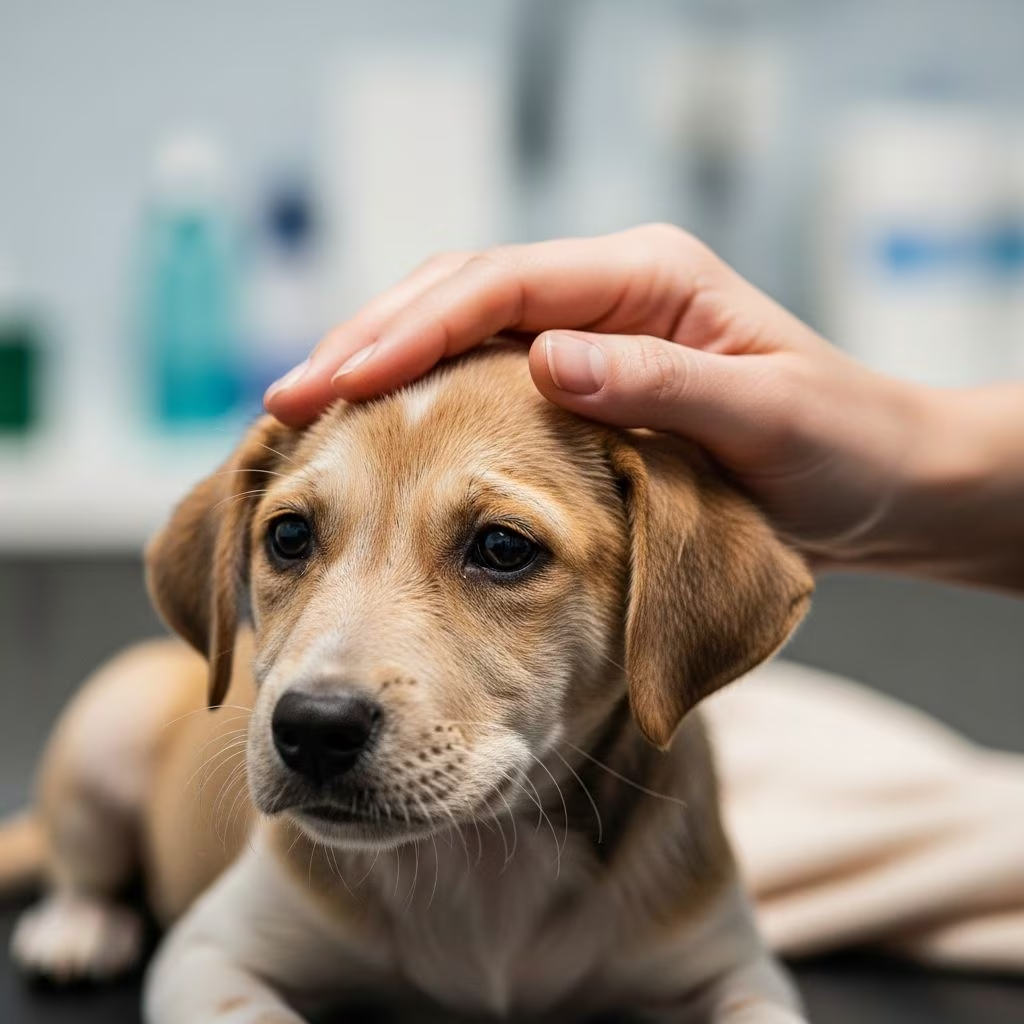
Understanding Canine Parvovirus (CPV)
Canine Parvovirus (CPV) is a highly contagious and potentially fatal viral infection that primarily affects dogs, with puppies and unvaccinated dogs being at the highest risk. This virulent pathogen primarily attacks the gastrointestinal tract, causing severe symptoms that can rapidly progress to life-threatening conditions. The virus spreads quickly through a dog’s system, attacking rapidly dividing cells and compromising the immune system within days of infection. Understanding this disease is critical for dog owners who want to protect their pets from this devastating illness.
How Canine Parvovirus Affects Dogs
Once a dog ingests the virus, it begins attacking rapidly dividing cells, particularly in the intestines, bone marrow, and lymphoid tissues. This dual attack mechanism creates severe complications. The virus destroys the intestinal lining, causing gastrointestinal distress, while simultaneously attacking white blood cell production in the bone marrow. This results in a significantly weakened immune system that cannot effectively fight off secondary infections. The combination of direct viral damage and immune suppression makes CPV particularly dangerous.
Transmission of Canine Parvovirus
Understanding how CPV spreads is essential for prevention. The virus is extremely resilient and can survive in the environment for extended periods, making transmission easier than many other canine diseases.
Primary Routes of Transmission
Canine parvovirus spreads primarily through direct contact with infected feces. The contaminated feces can persist on various surfaces and objects, including:
- Soil and grass in yards and parks
- Food and water bowls
- Shoes and clothing
- Toys and bedding
- Grooming equipment and kennel facilities
Dogs can contract the virus by ingesting contaminated material or by having the virus enter through mucous membranes. Puppies are particularly vulnerable because their immune systems are still developing, and they are more likely to explore their environment by sniffing and licking potentially contaminated surfaces. The virus can remain viable in the environment for six months to several years, making it nearly impossible to completely eliminate from contaminated areas without proper disinfection.
Recognizing Symptoms of Canine Parvovirus
Early recognition of CPV symptoms is crucial for survival, as the disease can become fatal within just a few days of symptom onset. The symptoms typically appear within three to seven days of infection.
Clinical Signs of Parvovirus Infection
The primary symptoms of CPV include:
- Persistent and severe vomiting
- Bloody diarrhea, often described as “rice water” consistency
- Lethargy and extreme weakness
- Complete loss of appetite
- Fever or hypothermia (abnormally low body temperature)
- Abdominal pain and distension
- Dehydration
Initial symptoms may appear mild, starting with lethargy and decreased appetite, which can seem like a common illness. However, the condition rapidly deteriorates as the virus multiplies. Without prompt veterinary intervention, the severe vomiting and diarrhea lead to rapid dehydration and electrolyte imbalances. If left untreated, puppies typically die from the secondary effects of infection and dehydration rather than from the virus itself, rather than from the actual parvovirus.
Prevention of Canine Parvovirus
Prevention is significantly more effective than treatment when it comes to canine parvovirus. Vaccination remains the gold standard for protection, and proper hygiene practices provide additional safeguards.
Vaccination Protocols
Vaccination is the most effective way to prevent CPV infection and disease in dogs. The parvovirus vaccine is commonly part of a combination vaccine known as the distemper vaccine, which protects against distemper, parvo, parainfluenza, and adenovirus.
Puppy Vaccination Schedule:
- Initial vaccination at 6 to 8 weeks of age
- Booster shots every 3 to 4 weeks
- Continue until 16 to 20 weeks of age
- Final booster at 1 year of age
Adult Dog Requirements:
Adult dogs require regular booster vaccinations every 3 years to maintain immunity and ongoing protection against CPV.
Hygiene and Environmental Measures
Beyond vaccination, maintaining rigorous hygiene practices significantly reduces infection risk:
- Proper Feces Disposal: Promptly clean up after your dog and properly dispose of feces to reduce environmental contamination
- Home Disinfection: Regularly clean areas where your dog eats, sleeps, and plays using appropriate disinfectants effective against the virus
- Avoid Infected Dogs: Keep puppies away from dogs showing signs of illness
- Controlled Socialization: Introduce puppies to new environments and other dogs gradually, ensuring they are vaccinated and healthy
- Limit Exposure: Avoid dog parks, wooded areas, grooming salons, and other areas where vaccination status of other dogs is uncertain, especially during early weeks of puppyhood
Unvaccinated puppies should be kept isolated from other dogs until their vaccination series is complete. Additionally, after a pet recovers from parvovirus or dies from it, new puppies should not be introduced to the same house or yard for an extended period, as the virus can persist in the environment for years.
Treatment Options for Canine Parvovirus
There is no specific antiviral medication that kills the parvovirus, so treatment focuses on supportive care to manage symptoms and prevent secondary infections. The goal is to give the dog’s immune system the best possible chance to fight the disease while maintaining vital body functions.
Hospitalization and Immediate Care
Dogs with parvovirus typically require hospitalization for intensive care. The average hospital stay for dogs recovering from parvo is five to seven days. During hospitalization, infected dogs are kept in strict isolation to prevent spreading the virus to other animals. Veterinary staff wear special protective clothing and footwear when treating infected patients.
Supportive Treatment Protocols
Treatment for parvovirus typically includes the following components:
- Intravenous Fluids: IV fluids are critical to combat severe dehydration caused by vomiting and diarrhea. These fluids often contain electrolytes like potassium for balance and dextrose (sugar) to maintain blood glucose levels, especially in puppies
- Antiemetic Medications: Anti-nausea medications such as maropitant (Cerenia), metoclopramide (Reglan), ondansetron (Zofran), and dolasetron (Anzemet) help control vomiting and improve nutrient retention
- Antibiotics: Puppies showing signs of sepsis or those with high fevers or low white blood cell counts receive antibiotics to prevent or treat secondary bacterial infections
- Pain Management: Medications to alleviate abdominal pain and discomfort associated with gastrointestinal distress
- Nutritional Support: In cases where dogs cannot eat, tube feeding provides necessary nutrients to support recovery
Advanced Treatment: Monoclonal Antibody Therapy
Canine parvovirus monoclonal antibody (CPMA) is a newer treatment option that offers promising results. This therapy involves a single injection given by a veterinarian in the early stages of infection. The monoclonal antibody components bind to the virus and help neutralize CPV, mitigating its effects on the dog’s cells. Unlike other treatments that address only the damage already done, CPMA works by preventing the virus from infecting cells and causing further damage, much like a dog’s own antibodies would. This can reduce the severity of symptoms and speed up recovery when administered early.
Prognosis and Recovery
The prognosis for parvovirus depends on several factors, including the dog’s age, overall health status, and how quickly treatment is initiated. Puppies and senior dogs have guarded prognoses due to their weaker immune systems. However, with prompt and aggressive treatment, many dogs can recover and return to a healthy life.
Following hospitalization, careful at-home monitoring is essential. Dogs must be gradually reintroduced to regular diet and activities as they recover. Close observation during this period helps identify any complications early.
Frequently Asked Questions
Q: Can an unvaccinated adult dog contract parvovirus?
A: Yes, unvaccinated dogs of any age can contract parvovirus. While puppies are most vulnerable, unvaccinated adult dogs are also at significant risk for severe infection.
Q: How long does parvovirus survive in the environment?
A: Parvovirus can survive in the environment for six months to several years, making it extremely difficult to eliminate from contaminated areas. Proper disinfection is essential.
Q: What is the survival rate for dogs treated for parvovirus?
A: With prompt veterinary treatment, survival rates can exceed 90% in dogs that receive intensive supportive care. Without treatment, mortality rates are significantly higher.
Q: Can a dog that recovers from parvovirus get it again?
A: Dogs that recover from parvovirus develop immunity to that strain. However, maintaining current vaccinations is still recommended as additional protection.
Q: Is parvovirus transmissible to humans?
A: No, parvovirus does not affect humans. However, humans can carry the virus on clothing and shoes and transmit it to other dogs, so proper hygiene is important.
Q: When can a recovered dog interact with other dogs again?
A: Most recovered dogs can safely interact with vaccinated dogs after full recovery. However, they may still shed the virus in feces for several weeks, so careful hygiene practices should continue.
Protecting Your Dog from Parvovirus
Understanding canine parvovirus is essential for every dog owner. By recognizing the symptoms early, adhering strictly to vaccination schedules, and maintaining excellent hygiene practices, you can significantly reduce the risk of this potentially deadly virus affecting your pet. If your dog shows any signs of parvovirus infection, seek immediate veterinary attention. Early detection and prompt treatment dramatically increase your dog’s chances of survival and recovery. Vaccination remains the most effective and affordable method of prevention, making it a critical investment in your dog’s long-term health and wellbeing.
References
- Canine Parvovirus: Prevention and Treatment Options — PetNest Animal Hospital. 2024-05-22. https://petnestanimalhospital.com/2024/05/22/canine-parvovirus-prevention-and-treatment-options/
- Parvovirus in Dogs | Symptoms, Prevention & Vet Guide — Noble Vet Clinic. https://noblevetclinic.com/blog/parvovirus-in-dogs
- Causes, Symptoms, and Treatment for Canine Parvovirus — PetMD. https://www.petmd.com/dog/conditions/infectious-parasitic/parvo-in-dogs
- Parvovirus in Dogs — VCA Animal Hospitals. https://vcahospitals.com/know-your-pet/parvovirus-in-dogs
- Parvovirus in Dogs: Symptoms, Causes, and Treatments — GoodRx Pet Health. https://www.goodrx.com/pet-health/dog/parvovirus-in-dogs
- Canine Parvovirus | Symptoms and Treatment — Blue Cross. https://www.bluecross.org.uk/advice/dog/health-and-injuries/parvovirus-in-dogs
- Canine Parvovirus (CPV) — Oak Forest Veterinary Hospital. https://oakforestvet.com/canine-parvovirus-cpv/
- Canine Parvovirus Infection (Parvoviral Enteritis in Dogs) — Merck Veterinary Manual. https://www.merckvetmanual.com/digestive-system/infectious-diseases-of-the-gastrointestinal-tract-in-small-animals/canine-parvovirus-infection-parvoviral-enteritis-in-dogs



