
Canine Parvovirus (CPV): Symptoms, Treatment & Prevention
Complete guide to canine parvovirus: symptoms, transmission, treatment options, and prevention strategies for dogs.
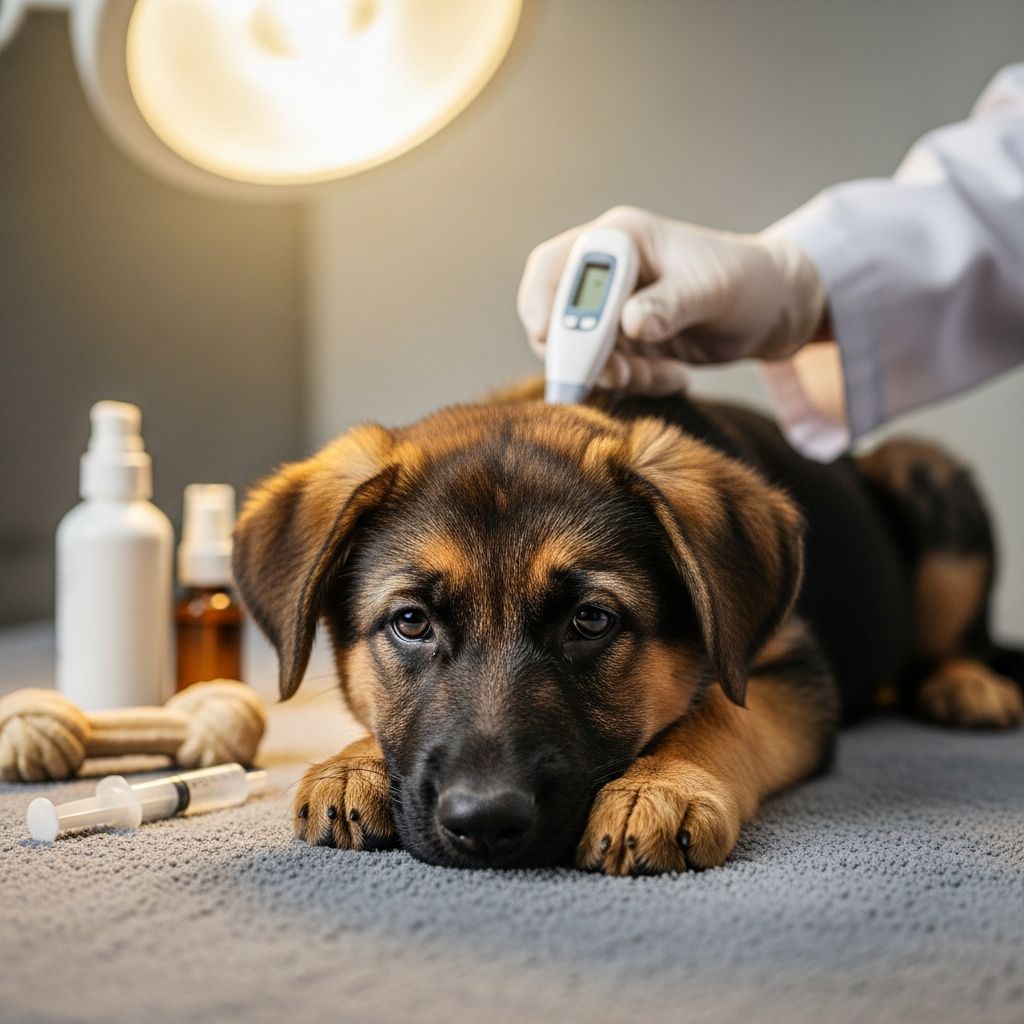
Understanding Canine Parvovirus (CPV)
Canine parvovirus (CPV) is a highly contagious and potentially fatal viral infection that affects dogs worldwide. This devastating disease primarily targets the gastrointestinal tract of infected animals, causing severe symptoms that can rapidly progress to life-threatening complications. CPV represents one of the most serious infectious diseases in veterinary medicine, particularly affecting puppies and unvaccinated adult dogs. The virus spreads easily through contaminated environments and direct contact, making prevention through vaccination absolutely critical for every dog owner.
The disease was first identified in the 1970s and quickly became a major concern in the canine population. Understanding the nature of CPV, how it spreads, and recognizing its early symptoms can significantly improve your dog’s chances of survival if exposed to the virus.
What Causes Canine Parvovirus?
Canine parvovirus is caused by a small DNA virus that belongs to the Parvoviridae family. The virus specifically attacks rapidly dividing cells in the body, with a particular affinity for the gastrointestinal tract. Once the virus enters a dog’s system and begins replication, it causes severe damage to the intestinal lining, leading to the characteristic symptoms of the disease.
The virus also targets bone marrow and lymphoid tissues, which results in a significant decline in white blood cell counts. This immunosuppression severely compromises the dog’s ability to fight off secondary bacterial infections, making the condition even more dangerous. Young puppies are especially vulnerable because their immune systems are not fully developed, making them particularly susceptible to severe complications.
How Canine Parvovirus Spreads
CPV is extremely contagious and spreads through multiple routes. Understanding transmission pathways is essential for implementing effective prevention strategies:
- Fecal contamination: The primary transmission route occurs when a dog ingests feces from an infected animal. The virus survives in fecal matter and can persist in the environment for extended periods.
- Contaminated soil: The virus remains viable in soil where infected dogs have defecated, presenting a serious risk in yards, parks, and outdoor areas.
- Contaminated objects: Food bowls, toys, shoes, bedding, and other surfaces can harbor the virus and transmit it to susceptible dogs.
- Direct contact: While less common than fecal-oral transmission, infected dogs can potentially transmit the virus through direct contact.
- Human transmission: People can inadvertently carry the virus on their hands, clothing, or shoes and transmit it to unvaccinated dogs.
The virus is remarkably resilient in the environment. Studies have shown that parvovirus can survive in soil and other environments for six months to several years, making thorough disinfection essential in homes where infected dogs have lived.
Recognizing Symptoms of Canine Parvovirus
Early recognition of CPV symptoms is critical because rapid veterinary intervention significantly improves survival rates. The symptoms typically appear suddenly and progress quickly, often within just a few days of infection.
Initial Symptoms
The first signs of canine parvovirus often appear deceptively mild, which can delay diagnosis and treatment. Initially, owners may notice:
- Lethargy and general weakness
- Decreased appetite or complete loss of appetite
- Mild fever or hypothermia
- General malaise or depression
Progressive Symptoms
As the disease progresses, more severe gastrointestinal symptoms develop rapidly:
- Persistent vomiting: Often severe and frequent, making it difficult for dogs to retain fluids and nutrients
- Severe diarrhea: Often containing blood or appearing hemorrhagic in nature
- Extreme lethargy: The dog becomes increasingly weak and unresponsive
- Severe dehydration: Caused by fluid loss through vomiting and diarrhea
- Abdominal pain: Dogs may show signs of discomfort or distress
- Fever: Body temperature may spike dangerously high or drop to hypothermic levels
Without prompt treatment, the combination of severe dehydration, electrolyte imbalances, and secondary bacterial infections can rapidly lead to sepsis and death. The severity and progression of symptoms can vary between individual dogs, but the virus is always serious and requires immediate veterinary attention.
Risk Factors and Susceptibility
While any dog can contract parvovirus, certain groups are at significantly higher risk:
- Puppies under five months of age: Young puppies have underdeveloped immune systems and are most vulnerable to severe disease
- Unvaccinated dogs: Dogs that have never received the parvovirus vaccine have no immunity to the disease
- Dogs with incomplete vaccination series: Dogs that have not completed their full vaccination protocol have reduced immunity
- Certain breeds: Rottweilers, Doberman Pinschers, and some other breeds appear to have higher susceptibility
- Immunocompromised dogs: Dogs with other illnesses or conditions affecting immune function are at greater risk
- Stressed dogs: Environmental or psychological stress can reduce immune response
Diagnosis of Canine Parvovirus
Veterinarians typically diagnose CPV through a combination of clinical signs, history, and laboratory testing. The most common diagnostic test is an ELISA (enzyme-linked immunosorbent assay) test performed on a fecal sample, which detects viral antigens in the stool. This test is quick, relatively inexpensive, and highly sensitive, especially during the early stages of infection. A positive test result combined with characteristic clinical symptoms confirms the diagnosis.
Additional diagnostic tools may include blood work to assess white blood cell counts, electrolyte levels, and overall organ function. Severely affected dogs often show lymphopenia (low white blood cell count), which serves as an indicator of disease severity and immune suppression.
Treatment Options for Canine Parvovirus
There is no specific antiviral medication that kills or eliminates parvovirus from an infected dog’s body. Instead, treatment focuses entirely on supportive care to manage symptoms, maintain vital functions, and prevent life-threatening complications.
Hospitalization and Intensive Care
Most dogs with moderate to severe CPV require hospitalization for intensive supportive care. Hospitalization allows veterinarians to administer treatments that cannot be given at home and to monitor the dog’s condition closely throughout the day and night.
Intravenous Fluid Therapy
Intravenous (IV) fluid administration is the cornerstone of CPV treatment. The severe vomiting and diarrhea cause rapid fluid loss, leading to dangerous dehydration. IV fluids accomplish several critical functions:
- Restore and maintain proper hydration status
- Replace lost electrolytes (sodium, potassium, chloride)
- Maintain blood glucose levels through dextrose supplementation, especially critical in puppies
- Support circulation and organ function
- Provide a route for administering medications
Anti-Nausea and Anti-Vomiting Medications
Because the digestive tract is severely damaged by the virus, medications to control vomiting are administered intravenously. Common medications include:
- Maropitant (Cerenia): A potent antiemetic that blocks vomiting signals
- Metoclopramide (Reglan): Helps regulate stomach motility and reduces nausea
- Ondansetron (Zofran): Blocks serotonin receptors that trigger vomiting
- Dolasetron (Anzemet): Another effective antiemetic option
Antibiotic Therapy
Because parvovirus causes severe immunosuppression with dramatically reduced white blood cell counts, secondary bacterial infections are common and dangerous. Broad-spectrum antibiotics are administered to prevent or treat these infections.
Puppies showing signs of sepsis require antibiotic therapy, and puppies with high fever or critically low white blood cell counts typically receive antibiotics regardless of whether they show obvious signs of infection.
Pain Management
The severe gastrointestinal damage caused by parvovirus results in significant abdominal pain and discomfort. Pain management medications are administered to:
- Reduce suffering and improve quality of life
- Decrease stress on the body, which aids recovery
- Allow better rest and sleep, promoting healing
Nutritional Support
Once a dog’s condition stabilizes and vomiting is controlled, gradual nutritional support becomes important. In severe cases where dogs cannot eat or retain food orally, tube feeding may be necessary to provide essential nutrients and support recovery.
Monoclonal Antibody Therapy
Canine parvovirus monoclonal antibody (CPMA) is a newer treatment option that shows promise in improving outcomes. This treatment works by preventing the virus from entering and destroying the dog’s cells, much like the dog’s own natural antibodies. Given as a one-time injection, CPMA can reduce the severity and duration of clinical signs, though it does not address damage already done before treatment begins.
Duration and Prognosis
The length of hospitalization varies significantly depending on disease severity and individual response to treatment, typically ranging from three to ten days. With appropriate and prompt treatment, the prognosis for CPV is generally good, though it remains guarded for very young puppies or cases with severe complications. Many dogs recover completely and return to normal, healthy lives with vigilant care and comprehensive treatment protocols.
Prevention of Canine Parvovirus
Prevention through vaccination is far more effective and economical than treating parvovirus after infection occurs. Vaccination programs should be tailored to individual dogs based on age, lifestyle, and risk factors.
Vaccination Protocols
The modified-live parvovirus vaccine is highly effective and provides rapid protection. Standard vaccination protocols include:
- Initial puppy series: Puppies should receive their first vaccination at 6-8 weeks of age
- Booster shots: Additional doses should be given every 3-4 weeks until the puppy reaches 16-20 weeks of age
- Final booster: A booster at 14-16 weeks of age or around 6 months provides strong immunity
- Adult maintenance: Dogs require regular booster vaccinations throughout their lives to maintain immunity
Research indicates that a single modified-live vaccine dose likely provides lifelong immunity in adult dogs; however, in high-risk situations, a booster vaccination two weeks after the initial dose is advisable.
Other Prevention Strategies
In addition to vaccination, several other measures significantly reduce parvovirus transmission risk:
- Prompt fecal cleanup: Always remove and properly dispose of your dog’s feces immediately
- Environmental disinfection: Regularly clean areas where your dog eats, sleeps, and plays with appropriate disinfectants known to kill parvovirus
- Avoid contact with unknown dogs: Keep your puppy away from dogs of unknown vaccination status, particularly during early development
- Limit exposure to high-risk areas: Avoid dog parks, pet stores, grooming facilities, and other areas where vaccination status of dogs is unknown
- Controlled socialization: Gradually introduce your puppy to new environments and other vaccinated, healthy dogs
- Avoid contaminated environments: Keep unvaccinated puppies away from areas where infected dogs may have lived
- Personal hygiene: Wash hands and change clothes after contact with unknown dogs before handling your own pets
Post-Infection Considerations
If a dog has recovered from parvovirus infection, special precautions should be taken before introducing new puppies or unvaccinated dogs to the household. The virus can persist in the environment for months or even years, particularly in soil. It is recommended to thoroughly disinfect all contaminated areas and delay introducing new pets until sufficient time has passed.
Frequently Asked Questions About Canine Parvovirus
Q: What is the survival rate for dogs with parvovirus?
A: With prompt, appropriate treatment, survival rates are generally good, ranging from 68-92% depending on disease severity, age, and individual response to therapy. Early detection and aggressive treatment significantly improve outcomes.
Q: Can adult dogs get parvovirus?
A: Yes, adult dogs can contract parvovirus if they are unvaccinated or have incomplete vaccination history. However, puppies and young dogs typically experience more severe disease.
Q: How long does parvovirus last in the environment?
A: Parvovirus is extremely resilient and can survive in soil and other environments for six months to several years, making thorough disinfection essential.
Q: Is parvovirus contagious to humans or other pets?
A: Parvovirus is specific to dogs and does not affect humans or most other animal species. However, it is extremely contagious between dogs and puppies.
Q: Can a dog get parvovirus twice?
A: Natural infection typically provides lifelong immunity to parvovirus. Re-infection is extremely rare but theoretically possible if immunity wanes or with different viral strains.
Q: What should I do if my dog shows symptoms of parvovirus?
A: Contact your veterinarian immediately. Do not delay seeking care, as rapid progression of the disease makes early treatment critical for survival. Transport your dog carefully to avoid spreading the virus.
References
- Canine Parvovirus: Prevention and Treatment Options — PetNest Animal Hospital. 2024-05-22. https://petnestanimalhospital.com/2024/05/22/canine-parvovirus-prevention-and-treatment-options/
- Canine Parvovirus — ASPCApro Shelter Medicine Resources. https://www.aspcapro.org/topics-shelter-medicine-common-diseases/canine-parvovirus
- Causes, Symptoms, and Treatment for Canine Parvovirus — PetMD. https://www.petmd.com/dog/conditions/infectious-parasitic/parvo-in-dogs
- Parvovirus in Dogs — VCA Animal Hospitals. https://vcahospitals.com/know-your-pet/parvovirus-in-dogs
- Parvovirus in Dogs: Symptoms, Causes, and Treatments — GoodRx Pet Health. https://www.goodrx.com/pet-health/dog/parvovirus-in-dogs
- Canine Parvovirus (CPV) — Oak Forest Veterinary Hospital. https://oakforestvet.com/canine-parvovirus-cpv/
- Canine Parvovirus Infection (Parvoviral Enteritis in Dogs) — Merck Veterinary Manual. https://www.merckvetmanual.com/digestive-system/infectious-diseases-of-the-gastrointestinal-tract-in-small-animals/canine-parvovirus-infection-parvoviral-enteritis-in-dogs
Similar Articles








Read full bio of medha deb




