
Canine Parvovirus (CPV) in Dogs: Symptoms, Diagnosis, and Treatment
Complete guide to understanding canine parvovirus: recognize symptoms, get proper diagnosis, and explore treatment options for your dog.
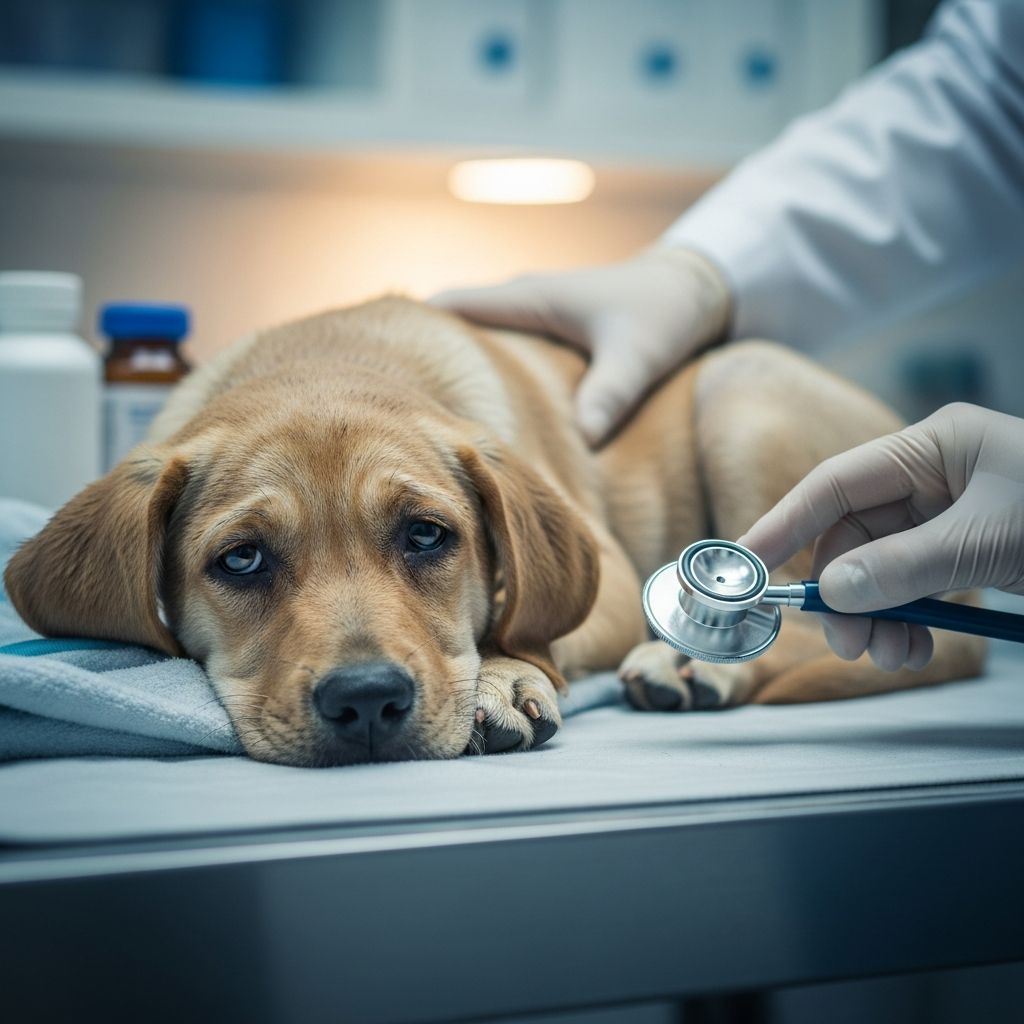
Understanding Canine Parvovirus (CPV) in Dogs
Canine parvovirus (CPV) is one of the most serious infectious diseases affecting dogs worldwide. This highly contagious acute enteritis virus poses a significant threat to puppies and unvaccinated adult dogs, with the potential to be life-threatening if not treated promptly. The virus causes severe gastrointestinal symptoms and can progress rapidly, making early recognition and immediate veterinary intervention critical for survival.
Canine parvovirus type 2 is responsible for a highly contagious disease associated with high morbidity and mortality rates, particularly in young puppies under six months of age. While severe clinical disease typically occurs in younger dogs, adult dogs with insufficient immunity can also become infected. Understanding this disease is essential for all dog owners, as the key to survival often depends on recognizing symptoms early and seeking professional veterinary care immediately.
What is Canine Parvovirus?
Canine parvovirus is a viral infection that primarily affects the gastrointestinal tract of dogs. The virus replicates in the intestinal cells, causing severe inflammation and damage to the intestinal lining. This damage disrupts the normal functioning of the digestive system and can lead to life-threatening complications if left untreated.
The virus is highly contagious and spreads through contact with contaminated feces. However, dogs don’t need direct contact with feces to become infected—the virus can survive on surfaces, clothing, food bowls, and environmental areas that have been contaminated. This makes prevention through vaccination and proper hygiene practices crucial for protecting your canine companion.
Risk Factors and Susceptibility
Certain dogs are at significantly higher risk of developing parvovirus. Understanding these risk factors can help you take appropriate preventive measures:
- Puppies under five months of age are most susceptible to severe infection
- Unvaccinated or incompletely vaccinated dogs face the highest risk
- Dogs with weakened immune systems due to other illnesses
- Puppies from shelters or rescue situations where exposure may have occurred
- Dogs in multi-pet households where infection can spread rapidly
Recognizing the Symptoms of Canine Parvovirus
The symptoms of parvovirus are severe and noticeable, requiring immediate veterinary attention. Dogs exposed to the virus typically show symptoms within 3 to 7 days of infection, though symptoms might not appear for as long as 2 weeks after exposure. It’s critical to consult with your veterinarian as soon as possible if your puppy or adult dog shows any of the following symptoms.
Early Signs
The earliest signs of parvo begin with general malaise and gastrointestinal distress. These initial symptoms include:
- Lethargy and lack of energy
- Decreased appetite or anorexia
- Vomiting, which usually begins first
- Abdominal pain and bloating
- Mild fever
- Depression and weakness
Progressive Symptoms
As the virus progresses, symptoms become more severe and life-threatening. These advanced symptoms include:
- Severe and bloody diarrhea with a foul smell
- Intense vomiting that prevents fluid intake
- Severe dehydration
- Marked listlessness and depression
- High fever or hypothermia in severe cases
- Collapse
- High heart rate and difficulty breathing
- Low blood glucose levels (hypoglycemia)
- Low white blood cell counts
The severity of symptoms can vary among individual dogs. While vomiting and diarrhea are the most common and consistent signs, many dogs may not display every symptom. However, the presence of severe vomiting and diarrhea should always prompt immediate veterinary consultation, as these symptoms can rapidly lead to life-threatening dehydration and electrolyte imbalances.
How Parvovirus is Transmitted
Understanding transmission is essential for prevention and protecting other dogs in your home or community. Canine parvovirus spreads through direct contact with contaminated feces, but the route of transmission extends beyond obvious fecal exposure. The virus can persist on various surfaces and materials, including:
- Contaminated soil and outdoor areas
- Food and water bowls
- Clothing and shoes of infected dogs’ owners
- Bedding and toys
- Hands and skin of people who have handled infected dogs
This means that even minimal contact with a contaminated environment can result in infection. The virus is remarkably hardy and can survive in the environment for extended periods, making strict hygiene practices essential when caring for an infected dog or after exposure.
Diagnosing Canine Parvovirus
Prompt and accurate diagnosis is crucial for initiating treatment before the disease progresses to critical stages. Any puppy or unvaccinated dog with signs of vomiting and diarrhea should be tested for parvovirus. Diagnosis relies on a combination of clinical evaluation, laboratory testing, and in some cases, imaging studies.
Rapid ELISA Antigen Test
Parvovirus is most commonly diagnosed using a rapid ELISA (enzyme-linked immunosorbent assay) antigen test performed at your veterinarian’s office. This test uses a stool sample to identify the virus and typically takes about 15 minutes to produce results. The speed of this test makes it invaluable when immediate diagnosis is needed to begin treatment without delay.
PCR Testing
A more accurate method to detect parvovirus is a PCR (polymerase chain reaction) test, which also uses a stool sample. However, your veterinarian will usually need to send the sample to a laboratory for analysis. While more sensitive and specific than the rapid ELISA test, PCR testing takes several days to return results, which may be too slow to help your dog given how quickly the disease impacts the body.
Blood Work and Additional Testing
Your veterinarian may recommend blood work to support a parvovirus diagnosis. The virus can infect bone marrow, and a low white blood cell count is a strong indicator of infection. Additionally, blood work may reveal:
- Anemia from blood loss in the intestines
- Electrolyte imbalances
- Low blood glucose levels
- Signs of septicemia or secondary bacterial infection
Because there may be multiple causes of vomiting and diarrhea, additional diagnostic tests such as X-rays, ultrasounds, or additional fecal samples may be performed to rule out other conditions and assess the extent of intestinal damage.
Comprehensive Treatment Approaches for Canine Parvovirus
There is no specific cure or antiviral drug that will kill the parvovirus in infected dogs. Instead, treatment is aimed at supporting the dog’s body systems and providing their immune system with the best chance to fight off the infection. The critical window for survival is typically 48 to 72 hours after symptom onset; dogs that die from parvo often do so within this timeframe if treatment is not initiated.
Hospitalization and Supportive Care
Dogs with parvovirus are usually hospitalized to receive intensive care. The average hospital stay for a dog recovering from parvo is 5 to 7 days, during which your dog receives constant monitoring and comprehensive treatment. Hospitalization allows veterinarians to administer essential therapies and respond immediately to any complications.
Intravenous Fluid Therapy
IV fluid therapy through a drip is one of the most critical components of treatment. This therapy prevents life-threatening dehydration, replaces lost electrolytes, and provides necessary proteins and nutrients. Maintaining proper hydration is essential for organ function and survival during the acute phase of the disease.
Antiemetic Medications
Medications to control vomiting are essential components of treatment. By preventing vomiting, these drugs help maintain hydration and prevent further complications. Controlling nausea and vomiting also allows dogs to begin eating and drinking small amounts as they recover.
Antibiotic Therapy
Parenteral administration of broad-spectrum bactericidal antibiotics is warranted in dogs with severe parvoviral enteritis due to the high risk of septicemia. The disruption of the intestinal mucosal barrier combined with profound neutropenia (low white blood cell count) creates an environment where secondary bacterial infections can become life-threatening. Common antibiotic choices include ampicillin and cefoxitin as single-agent treatments or in combination with enrofloxacin, offering protection against gram-positive, gram-negative, and anaerobic organisms.
Nutritional Support
Once your dog stabilizes and can tolerate food, gradually introducing a bland diet becomes important. In severe cases where oral feeding is not possible, feeding tubes may be necessary to provide essential nutrients. Proper nutrition supports immune function and aids in recovery during the healing phase.
Electrolyte Balancing and Blood Glucose Management
Treatment includes correction of any electrolyte imbalances and low blood glucose levels. These complications can occur from the combination of severe illness, lack of food intake, and the virus’s impact on metabolic function, particularly in young puppies.
Monoclonal Antibody Therapy
Canine parvovirus monoclonal antibody (CPMA) represents a newer and promising treatment approach for parvovirus in dogs. This therapy is given as a one-time injection by a veterinarian. CPMA works by blocking the virus’s ability to enter and destroy a dog’s cells, which can reduce the severity of symptoms and potentially shorten the duration of illness. This recently approved treatment shows particular promise and may improve outcomes, especially in shelter settings where multiple dogs may be at risk.
Prognosis and Recovery
When appropriate treatment can be provided, the prognosis is generally good for CPV-infected dogs. Survival rates for treated dogs are significantly higher than for untreated dogs, which have very low survival rates. However, prognosis depends on several factors including the dog’s age, overall health status, immune function, and how quickly treatment is initiated after symptom onset.
Recovery typically takes several weeks, and during this time, isolation from other dogs is essential to prevent transmission of the virus. Dogs that survive parvovirus infection develop immunity to future infection, providing long-term protection.
Prevention Through Vaccination
Vaccination is the most effective way to prevent canine parvovirus and minimize the spread and exposure to canine companions. Puppies should receive their initial vaccination series starting at 6 to 8 weeks of age, with boosters every 3 to 4 weeks until 16 weeks of age. Adult dogs should receive regular booster vaccinations as recommended by their veterinarian.
Proper hygiene practices, including thorough cleaning of contaminated areas with appropriate disinfectants, also help reduce transmission risk. Avoiding exposure to unvaccinated dogs and potentially contaminated environments provides additional protection.
Frequently Asked Questions About Canine Parvovirus
Q: How quickly can parvovirus kill a dog?
A: Dogs with parvovirus can die within 48 to 72 hours of showing signs of the disease if parvo is caught late or treatment is not provided. This rapid progression emphasizes the critical importance of immediate veterinary care upon noticing symptoms.
Q: Can adult dogs get parvovirus?
A: Yes, adult dogs with insufficient immunity can become infected with parvovirus. However, severe clinical disease typically occurs in puppies younger than 6 months of age. Maintaining current vaccinations significantly reduces the risk of infection in adult dogs.
Q: What is the cost of treating parvovirus?
A: Treatment costs vary depending on the severity of disease, duration of hospitalization (typically 5 to 7 days), medications required, and your geographic location. Costs can range from several hundred to several thousand dollars, making prevention through vaccination highly cost-effective.
Q: How is parvovirus spread between dogs?
A: Parvovirus spreads through contact with contaminated feces, but the virus can also survive on surfaces, clothing, food bowls, and environmental areas. Direct contact with an infected dog is not necessary for transmission to occur.
Q: Is parvovirus contagious to humans?
A: No, canine parvovirus is not contagious to humans. However, people can carry the virus on their hands, clothing, and shoes and transmit it to other dogs, making hygiene practices important when handling infected animals.
Q: How long does it take for a dog to recover from parvovirus?
A: Recovery typically takes several weeks following hospitalization. Most dogs begin showing improvement within 5 to 7 days of hospitalization, but full recovery requires continued rest, proper nutrition, and isolation from other dogs to prevent transmission.
References
- Canine parvoviral enteritis: an update on the clinical diagnosis, therapeutic strategies, and immunological aspects — National Institutes of Health, National Center for Biotechnology Information. 2018-08-15. https://www.ncbi.nlm.nih.gov/pmc/articles/PMC6053044/
- Parvovirus in Dogs — VCA Animal Hospitals. 2024. https://vcahospitals.com/know-your-pet/parvovirus-in-dogs
- Parvovirus: Transmission to Treatment — Cornell University College of Veterinary Medicine, Riney Canine Health Center. 2024. https://www.vet.cornell.edu/departments-centers-and-institutes/riney-canine-health-center/canine-health-topics/parvovirus-transmission-treatment
- Canine Parvovirus — ASPCApro Shelter Medicine Resources. 2024. https://www.aspcapro.org/topics-shelter-medicine-common-diseases/canine-parvovirus
- Causes, Symptoms, and Treatment for Canine Parvovirus — PetMD. 2024. https://www.petmd.com/dog/conditions/infectious-parasitic/parvo-in-dogs
- Canine Parvovirus: Symptoms and Treatment — Blue Cross UK. 2024. https://www.bluecross.org.uk/advice/dog/health-and-injuries/parvovirus-in-dogs
Similar Articles








Read full bio of Sneha Tete




