

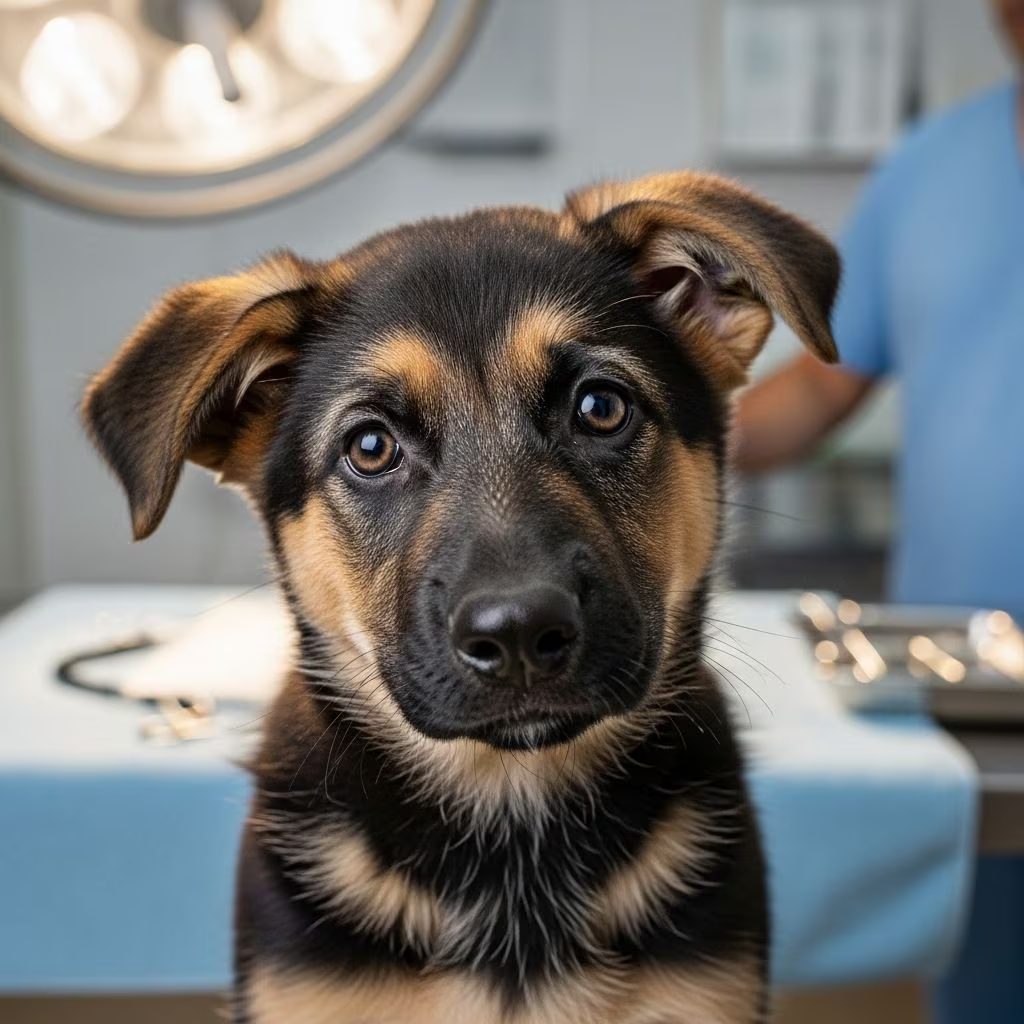
Understanding Canine Parvovirus: A Complete Guide
Canine parvovirus (CPV-2), commonly referred to as parvo, is a highly contagious viral disease that poses a serious threat to dogs worldwide, particularly affecting young, unvaccinated puppies and dogs with compromised immune systems. This viral infection attacks a dog’s white blood cells and gastrointestinal tract, causing severe gastrointestinal illness that can be life-threatening without proper treatment. Understanding the nature of this disease, how it spreads, and what preventative measures exist is essential for responsible dog ownership.
What is Canine Parvovirus?
Canine parvovirus is a highly contagious viral disease that affects dogs of all ages, but poses the most significant threat to unvaccinated dogs and puppies younger than four months. The virus was first identified in the 1970s and has since become one of the most common infectious diseases in dogs globally.
The virus specifically targets rapidly dividing cells in the body, which explains why it causes such devastating damage to the gastrointestinal tract and bone marrow. In very young puppies, CPV can also infect and inflame heart muscle, leading to poor cardiac function and dangerous arrhythmias. There are several strains of CPV-2, and all produce similar clinical signs and complications.
Which Dogs Are Most Vulnerable?
While any dog can contract canine parvovirus, certain groups face significantly higher risk:
- Puppies aged 6 to 20 weeks old, particularly those whose maternal antibodies have waned
- Unvaccinated or incompletely vaccinated dogs
- Specific breeds including Rottweilers, Dobermans, Bull Terriers, and German Shepherds
- Dogs living in or recently acquired from shelters or breeding kennels
- Dogs with compromised immune systems
How Dogs Become Infected with Parvovirus
Transmission Routes
Understanding how parvovirus spreads is crucial for prevention. The primary source of infection is the feces of infected dogs. Dogs infected with parvo begin shedding the virus in their feces just before clinical signs develop and continue shedding for approximately 14 days after symptoms resolve.
Transmission occurs when susceptible dogs ingest the virus, which can happen through:
- Direct contact with infected dogs
- Indirect contact through contaminated environments such as soil, cages, toys, and grooming tools
- Contaminated food and water bowls
- Contact with feces or vomit from infected dogs
Environmental Persistence
One particularly concerning aspect of canine parvovirus is its environmental hardiness. The virus can remain active and infectious in the environment for months, particularly on soil, cages, toys, and other surfaces. This extended viability means that even after an infected dog recovers or is removed from an area, the virus may persist as a continued source of infection.
The Infection Process: What Happens Inside Your Dog’s Body
Incubation Period
Once a dog or puppy is exposed to canine parvovirus, there is an incubation period of three to seven days before clinical symptoms appear. During this initial stage, the virus begins replicating within the body, but an infected dog may show no visible signs of illness. This silent period makes early detection challenging and underscores why isolation of suspected cases is so important.
Viral Replication and Spread
The virus employs a strategic approach to infect the body. CPV initially replicates in the lymphoid tissue of the throat, specifically in the tonsils or lymph nodes. Once inside the lymph nodes, the virus invades lymphocytes (a type of white blood cell) for one to two days, during which time it creates many copies of itself.
The infected lymphocytes then serve as vehicles for viral dissemination. These CPV-infected lymphocytes travel through the bloodstream while sheltered from the body’s immune defenses. Many of these infected cells are ultimately destroyed, causing lymphopenia—a dangerous reduction in circulating lymphocytes that further compromises immune function.
Once in the bloodstream, the virus again targets rapidly dividing cells, hitting hardest in the bone marrow and the cells lining the walls of the small intestine. The destruction of intestinal crypt epithelium results in epithelial necrosis, villous atrophy, impaired absorption capacity, and disrupted gut barrier function—all of which can lead to bacterial translocation and severe complications.
Recognizing Parvovirus Symptoms
Clinical Signs and Stages
Parvo progresses through distinct stages, each presenting its own challenges and requiring appropriate veterinary response.
Stage 1: Incubation Period
The initial stage occurs after exposure but before visible symptoms appear. During this period lasting three to fourteen days, the virus replicates in the body with no visible signs of illness. This makes identification during the incubation phase extremely difficult without specific testing.
Stage 2: Acute Stage
The acute stage begins as clinical signs emerge and typically lasts three to four days. The characteristic symptoms during this critical period include:
- Severe vomiting
- Diarrhea (sometimes bloody)
- Lethargy and depression
- Loss of appetite (anorexia)
- Abdominal pain and discomfort
- Fever
- Severe dehydration from continuous diarrhea and vomiting
The combination of constant vomiting and diarrhea leads to severe dehydration and electrolyte imbalances, which can result in a sharp drop in blood pressure and potentially fatal complications if left untreated. Prompt veterinary care during this stage is crucial to prevent further deterioration and provide essential supportive treatment.
Diagnosing Canine Parvovirus
Diagnostic Methods
Veterinarians typically diagnose parvovirus based on a combination of factors including the dog’s history (vaccination status, recent dog-to-dog contact), clinical signs, and examination findings.
To confirm the diagnosis, veterinarians employ several testing approaches:
- Fecal parvovirus antigen test (ELISA): This is the most commonly used in-clinic test that detects the presence of virus in a stool sample, providing quick results and often serving as the first diagnostic step.
- Blood tests: These assess the puppy’s overall health and check for abnormalities such as lymphopenia and other systemic changes.
- Viral PCR assay: This molecular test provides highly accurate identification of the virus.
- Abdominal ultrasounds or radiographs: In some cases, imaging may be recommended to evaluate the extent of disease and assess potential complications.
Treatment Options for Parvovirus
Supportive Care is Essential
Unfortunately, there is no cure that directly kills the parvovirus; treatment focuses on aggressive supportive care to help the dog’s immune system fight the infection while managing symptoms and preventing secondary complications. Treatment typically requires hospitalization and includes:
- Intravenous (IV) fluids: These address severe dehydration and electrolyte imbalances caused by vomiting and diarrhea.
- Anti-emetic medications: Drugs to control vomiting, allowing the gastrointestinal tract to rest and recover.
- Antibiotics: Prescribed to prevent or treat secondary bacterial infections that can occur when the intestinal barrier is compromised.
- Nutritional support: Special diets or feeding guidance are provided to support recovery as the gut heals.
- Pain management: Medications to alleviate abdominal discomfort.
- Blood transfusions: In severe cases where the dog has lost significant blood or has severe anemia, transfusions may be necessary.
Care at Home During Recovery
Once a puppy begins recovery, continued home care is critical:
- Isolation: Keep your infected puppy away from other dogs to prevent viral spread.
- Maintain hydration by offering small amounts of water frequently.
- Follow prescribed treatment plans precisely, adhering to medication schedules and dosages.
- Monitor symptoms and behavior closely, reporting any changes to your veterinarian promptly.
Prevention Through Vaccination
Vaccination Schedule for Puppies
Vaccination is the most effective tool for preventing canine parvovirus. The parvo vaccine stimulates the puppy’s immune system to create antibodies capable of fighting the virus.
The recommended vaccination protocol includes:
- First vaccine at 6 to 8 weeks of age
- Booster shots repeated every 3 to 4 weeks until puppies reach 16 weeks of age
- An additional booster at one year of age
- Subsequent boosters every 3 years throughout adulthood to maintain immunity
Key Vaccination Considerations
Following the recommended vaccination schedule ensures your puppy develops the necessary immunity to effectively fend off parvo. It is important to note that vaccines should not be administered to pregnant dogs, as vaccination during pregnancy can pose risks.
Prevention Strategies Beyond Vaccination
Environmental Management
Since the parvovirus is environmentally hardy and can persist for months, maintaining a clean environment is crucial. Regular disinfection of areas where dogs spend time, proper disposal of feces, and separation of infected dogs from susceptible ones are all important prevention measures.
Limiting Exposure
Until puppies complete their vaccination series, it is wise to limit their exposure to unfamiliar dogs and high-risk environments such as dog parks, shelters, and breeding kennels where the virus may be present.
Frequently Asked Questions
Q: Can adult vaccinated dogs get parvovirus?
A: While rare, properly vaccinated adult dogs have strong immunity to parvo. However, dogs with incomplete vaccination histories or certain immune conditions may remain vulnerable even as adults. Regular booster vaccinations every 3 years help maintain protection throughout a dog’s life.
Q: What is the survival rate for dogs with parvo?
A: With aggressive supportive treatment and hospitalization, survival rates for parvo can reach 80-90% or higher. However, without treatment, mortality rates are significantly higher, particularly in puppies. Early diagnosis and prompt veterinary care are critical for improving outcomes.
Q: How long does a dog shed parvovirus after recovery?
A: Dogs typically shed the virus in their feces for approximately 14 days after clinical signs resolve. During this period, strict isolation from other dogs remains essential to prevent transmission.
Q: Can humans transmit parvovirus between dogs?
A: Yes, humans can indirectly transmit parvovirus between dogs through contaminated hands, clothing, or shoes. If you have handled an infected dog or its feces, proper hygiene including hand washing and changing clothes before contact with other dogs is important.
Q: Is there a cure for parvovirus?
A: There is no specific antiviral cure for parvo. Treatment focuses on aggressive supportive care to help the dog’s immune system fight the infection while managing symptoms and preventing secondary infections. Prevention through vaccination is far superior to attempting to treat established infection.
References
- Parvovirus in Dogs — VCA Animal Hospitals. Accessed 2024. https://vcahospitals.com/know-your-pet/parvovirus-in-dogs
- Canine Parvovirus — Cornell University College of Veterinary Medicine, Baker Institute Animal Health. Accessed 2024. https://www.vet.cornell.edu/departments-centers-and-institutes/baker-institute-animal-health/research-baker-institute/canine-parvovirus
- Canine Parvovirus Infection (Parvoviral Enteritis in Dogs) — Merck Veterinary Manual. Accessed 2024. https://www.merckvetmanual.com/digestive-system/infectious-diseases-of-the-gastrointestinal-tract-in-small-animals/canine-parvovirus-infection-parvoviral-enteritis-in-dogs
- Pet Owners Guide: Canine Parvovirus — Overland Park Veterinary Specialists. Accessed 2024. https://www.overlandparkveterinaryspecialists.com/blog/pet-owners-guide-canine-parvovirus
- Canine Parvovirus Fact Sheet — Ohio State University College of Veterinary Medicine. 2020-01-23. https://vet.osu.edu/sites/default/files/documents/Canine%20Parvovirus%20Fact%20Sheet%2020200123.pdf
- Canine parvovirus — American Veterinary Medical Association. Accessed 2024. https://www.avma.org/resources-tools/pet-owners/petcare/canine-parvovirus
- Parvovirus in Dogs: A Beginner’s Guide — PetWellClinic. 2021-12-17. https://www.petwellclinic.com/wp/2021/12/17/parvovirus-in-dogs-a-beginners-guide/
- A Comprehensive Guide to Parvo Virus Treatment: What Pet Owners Should Know — Waco Animal Emergency. Accessed 2024. https://www.wacoanimalemergency.com/blog/a-comprehensive-guide-to-parvo-virus-treatment-what-pet-owners-should-know



