

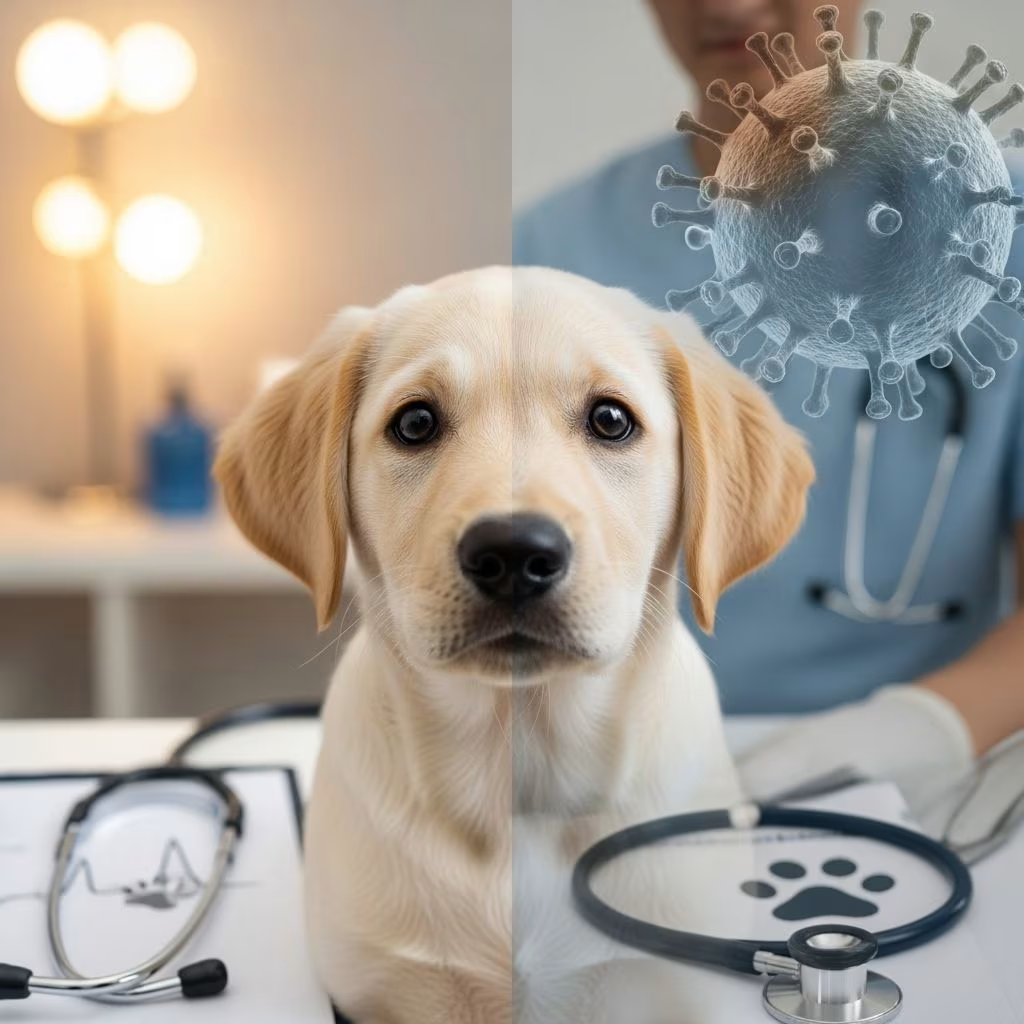
Understanding Canine Parvovirus
Canine parvovirus (CPV) is a highly contagious and potentially fatal viral infection that affects dogs of all ages, with puppies and unvaccinated dogs being particularly vulnerable. This devastating disease primarily targets the gastrointestinal system, causing severe gastrointestinal distress that can rapidly progress to life-threatening complications. The virus attacks rapidly dividing cells in the intestines and also has an affinity for bone marrow and lymphoid tissues, significantly compromising a dog’s immune system. Understanding the nature of this virus, how it spreads, and recognizing early warning signs are critical components of responsible dog ownership.
How Canine Parvovirus Spreads
Canine parvovirus is transmitted primarily through contact with infected dog feces, making it an extremely contagious disease. The virus can survive in the environment for extended periods, contaminating various surfaces and materials. Common transmission routes include:
– Direct contact with infected feces- Contaminated soil and outdoor environments- Infected objects such as food bowls, toys, shoes, and other surfaces- Contact with infected dogs or their waste products
Once a dog ingests the virus, it rapidly attacks the intestinal lining and other rapidly dividing cells throughout the body. This fast-acting nature of the infection underscores the importance of early detection and immediate veterinary intervention.
Recognizing Parvovirus Symptoms
The symptoms of canine parvovirus appear suddenly and progress quickly, often becoming severe within hours of onset. Early recognition of these signs is essential for achieving positive treatment outcomes. Key symptoms include:
– Persistent vomiting and nausea- Severe diarrhea, often containing blood- Extreme lethargy and weakness- Loss of appetite or complete refusal to eat- High fever or hypothermia (abnormally low body temperature)- Abdominal pain and discomfort- Depression and behavioral changes
The severity of symptoms can vary depending on the dog’s age, immune status, and overall health condition. Puppies often experience more severe symptoms than adult dogs. Without prompt veterinary treatment, the condition rapidly leads to life-threatening dehydration, electrolyte imbalances, and sepsis. Additionally, the virus causes a significant drop in white blood cell counts, further compromising the dog’s immune system and increasing vulnerability to secondary bacterial infections.
Diagnosis of Canine Parvovirus
Veterinarians diagnose canine parvovirus through a combination of clinical signs and diagnostic testing. Rapid diagnostic tests can detect parvovirus antigens in fecal samples, providing quick confirmation of infection. Blood work may also be performed to assess white blood cell counts, electrolyte levels, and overall organ function. The clinical presentation of symptoms combined with positive test results typically confirms a parvovirus diagnosis, allowing veterinarians to begin immediate treatment protocols.
Treatment Options for Canine Parvovirus
Currently, there is no specific antiviral medication that can kill the parvovirus in dogs. Instead, treatment focuses on supportive care to manage symptoms, maintain the dog’s vital functions, and prevent secondary infections while the immune system fights the virus. Hospitalization is often necessary to provide intensive medical care. Treatment typically includes:
Intravenous Fluid Therapy
A critical component of parvovirus treatment is administering intravenous fluids to correct dehydration caused by severe vomiting and diarrhea. These fluids contain essential electrolytes and nutrients that help restore the dog’s fluid and electrolyte balance. Maintaining proper hydration is crucial for cellular function and recovery.
Electrolyte and Nutritional Support
Treatment includes restoring essential electrolytes, proteins, and nutrients lost during illness. In severe cases where dogs cannot eat or retain food, veterinarians may recommend tube feeding to provide necessary nutrition. This ensures the dog’s body has the resources needed for healing and immune function.
Antiemetic Medications
Anti-nausea medications are administered to reduce vomiting and help dogs retain fluids and nutrients. Controlling vomiting allows the gastrointestinal tract to begin healing and improves the dog’s ability to receive nutrition.
Antibiotic Therapy
Antibiotics are prescribed to prevent or treat secondary bacterial infections that commonly occur due to the weakened immune system. Puppies exhibiting signs of sepsis require immediate antibiotic therapy, while puppies with high fevers or low white blood cell counts may also receive antibiotics as a preventive measure. Antibiotics may be administered intravenously, by injection, or orally depending on the dog’s condition.
Pain Management
Pain relief medications are provided to alleviate abdominal pain and discomfort associated with gastrointestinal distress, improving the dog’s comfort during recovery.
Canine Parvo Monoclonal Antibody (CPMA)
Some veterinarians recommend treatment with canine parvo monoclonal antibody therapy, which prevents parvovirus from infecting cells and causing damage, much like a dog’s own antibodies. While CPMA can reduce clinical signs of the virus, it does not address damage already done by the infection prior to diagnosis.
The duration of hospitalization and treatment varies based on the severity of infection and the individual dog’s response to therapy. Prompt and aggressive treatment significantly increases survival chances, though prognosis can be guarded, especially for young puppies. Recovery typically takes one to two weeks of hospitalization, followed by careful home monitoring and gradual reintroduction to regular activities and diet.
Prevention of Parvo in Dogs and Puppies
Vaccination is the most effective method of preventing canine parvovirus infection and remains the cornerstone of disease prevention. A comprehensive prevention strategy includes both vaccination and environmental precautions.
Vaccination Protocol
Puppies should begin their vaccination series at six to eight weeks of age, followed by booster shots every three to four weeks until they reach 16 to 20 weeks old. After this initial series, adult dogs require regular booster vaccinations every three years to maintain immunity and ongoing protection. The parvovirus vaccine is commonly known as the distemper vaccine, which is a combination vaccine that protects against distemper, parvo, parainfluenza, and adenovirus.
Environmental Prevention Measures
Beyond vaccination, dog owners should implement the following preventive strategies:
– Keep your dog away from feces and contaminated areas- Avoid contact with known infected dogs and their environments- Limit access to dog parks, wooded areas, and grooming salons until vaccination is complete- Promptly clean up after your dog to reduce environmental contamination- Regularly disinfect areas where your dog eats, sleeps, and plays using disinfectants proven to kill parvo- Wipe down shared crates or training equipment with appropriate disinfectants- Practice controlled socialization by introducing puppies to new environments and other dogs gradually, ensuring they are vaccinated and healthy- Use a dog stroller to keep unvaccinated puppies off the ground and away from unknown dogs- Allow socialization only with properly vaccinated dogs
These preventive measures significantly reduce the risk of your dog contracting canine parvovirus.
Prognosis and Recovery
The prognosis for dogs diagnosed with parvovirus depends on several factors, including the dog’s age, overall health status, immune system strength, and how quickly treatment is initiated. Dogs that recover from CPV infection retain lifelong protective immunity against the strain that infected them. Many dogs respond well to medical therapy when treatment is started promptly, and with vigilant care and comprehensive treatment plans, numerous dogs recover from parvovirus and return to healthy lives.
Aftercare Following Parvovirus Treatment
Home care following hospitalization is critical for complete recovery. This includes careful monitoring of the dog’s appetite, bowel movements, and energy levels. A gradual reintroduction to regular diet is recommended, starting with bland, easily digestible foods and slowly transitioning back to the dog’s normal food. Activity should also be limited initially, with gradual increases in exercise as the dog gains strength and energy.
The Importance of Early Action
If your dog shows any signs of infection, immediate veterinary attention is crucial. Early recognition and treatment are very important in successful outcomes. The rapidly progressive nature of parvovirus means that delays in seeking veterinary care can be fatal. When in doubt, contact your veterinarian immediately rather than waiting to see if symptoms resolve on their own.
Isolation and Disease Control
Since parvo is highly contagious, isolation of infected dogs is necessary to minimize the spread of infection to other dogs. The virus is not easily killed, so proper cleaning and disinfection of contaminated kennels and other areas where infected dogs have been is essential to control the spread of parvovirus. Consult your veterinarian for specific guidance on cleaning and disinfecting agents most effective against this particular virus.
Frequently Asked Questions (FAQs)
Q: What is the mortality rate for canine parvovirus?
A: Without treatment, the mortality rate can be extremely high, particularly in puppies. However, with prompt veterinary treatment and supportive care, survival rates are significantly improved. Early detection and aggressive treatment can save many dogs’ lives.
Q: Can adult dogs get parvovirus?
A: Yes, adult dogs can contract parvovirus if they are unvaccinated or if their vaccinations have lapsed. However, puppies and unvaccinated dogs are at much higher risk for severe infection and complications.
Q: How long does parvovirus last in dogs?
A: The acute phase of illness typically lasts one to two weeks with proper treatment. However, the dog may shed the virus in their feces for several weeks after recovery, which is why isolation and strict hygiene are important.
Q: Is parvovirus contagious to humans?
A: No, canine parvovirus only affects dogs and some other animals. It is not contagious to humans, though humans can transfer the virus on their clothing or hands, so proper hygiene practices are important when handling infected dogs.
Q: How much does parvovirus treatment cost?
A: Treatment costs vary depending on the severity of illness, length of hospitalization, and location. Expect costs ranging from $500 to several thousand dollars for hospitalization and supportive care. Vaccination, which costs significantly less, is a much more cost-effective prevention method.
Q: Can I prevent parvovirus if my dog has already been exposed?
A: If you know your dog has been exposed and there has been a lapse in their vaccinations, contact your veterinarian immediately. While vaccination after exposure may not prevent infection if the virus is already incubating, supportive care can be initiated early if symptoms develop, potentially improving outcomes.
References
- Canine Parvovirus: Prevention and Treatment Options — PetNest Animal Hospital. 2024-05-22. https://petnestanimalhospital.com/2024/05/22/canine-parvovirus-prevention-and-treatment-options/
- Causes, Symptoms, and Treatment for Canine Parvovirus — PetMD. https://www.petmd.com/dog/conditions/infectious-parasitic/parvo-in-dogs
- Parvovirus in Dogs: Symptoms, Causes, and Treatments — GoodRx. https://www.goodrx.com/pet-health/dog/parvovirus-in-dogs
- Parvovirus in Dogs — VCA Animal Hospitals. https://vcahospitals.com/know-your-pet/parvovirus-in-dogs
- Dog Parvovirus: Symptoms & Prevention — Aurora Veterinary Hospital. 2023-05-30. https://www.auroraveterinaryhospital.com/site/blog/2023/05/30/dog-parvovirus-symptoms-prevention
- Canine Parvovirus — Cornell University College of Veterinary Medicine. https://www.vet.cornell.edu/departments-centers-and-institutes/baker-institute-animal-health/research-baker-institute/canine-parvovirus
- Canine Parvovirus Infection (Parvoviral Enteritis in Dogs) — Merck Veterinary Manual. https://www.merckvetmanual.com/digestive-system/infectious-diseases-of-the-gastrointestinal-tract-in-small-animals/canine-parvovirus-infection-parvoviral-enteritis-in-dogs



