

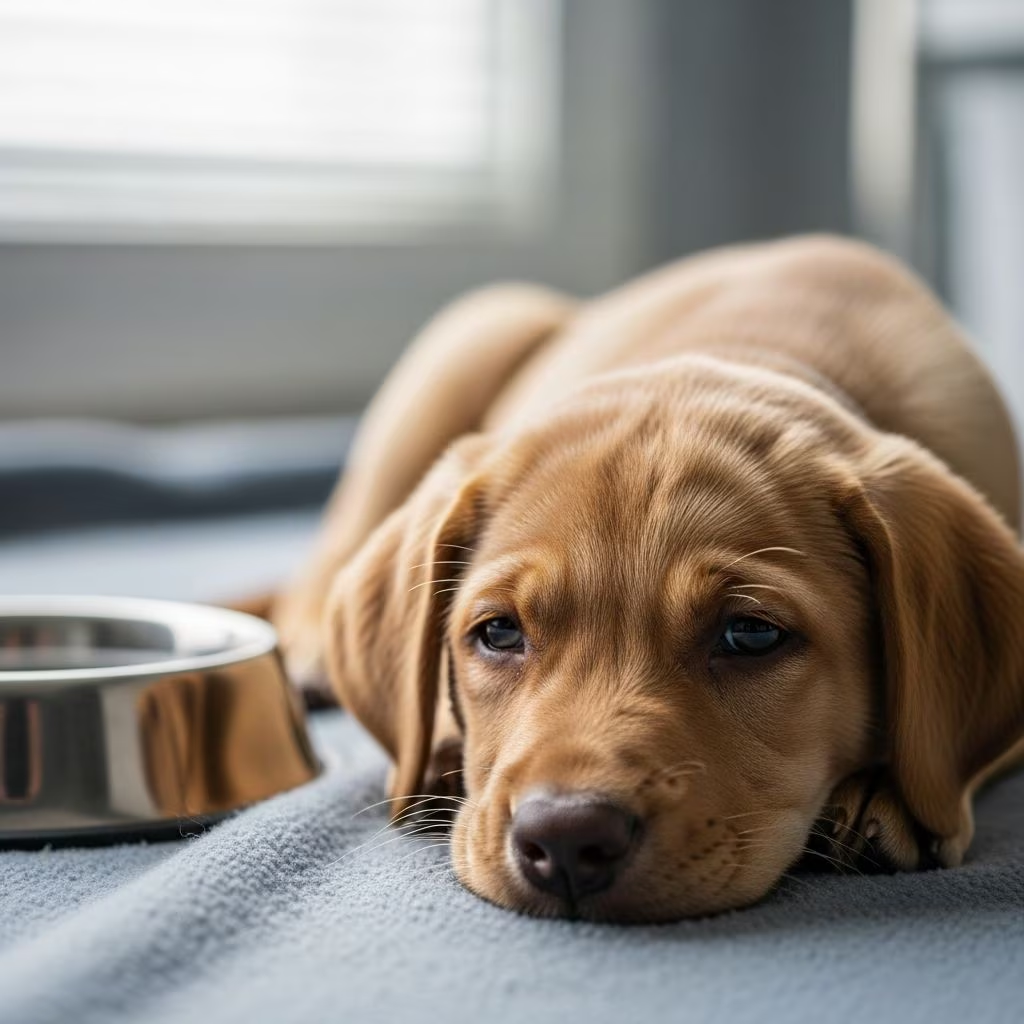
Canine parvovirus, commonly known as parvo, is a highly contagious viral disease that primarily affects puppies and unvaccinated dogs, attacking the gastrointestinal tract and causing severe symptoms that can be fatal without prompt intervention. Early recognition of symptoms and aggressive supportive treatment are critical for survival rates exceeding 85-95% in treated cases.
What Is Canine Parvo?
Canine parvovirus (CPV) is a robust, hardy virus discovered in the late 1970s that rapidly spread worldwide, causing acute enteritis characterized by vomiting, bloody diarrhea, and high mortality in young dogs. It targets rapidly dividing cells in the intestines and bone marrow, leading to immunosuppression and severe dehydration.
The virus is shed in feces and can survive in the environment for months or even years, resisting many disinfectants. Puppies aged 6 weeks to 6 months are most vulnerable due to immature immune systems, though adults can also be affected, especially if unvaccinated.
Symptoms of Parvo in Dogs
Symptoms typically appear 3-7 days post-exposure, starting subtly before escalating rapidly. Early detection is vital as the disease progresses to life-threatening stages within 24-72 hours.
- Lethargy and depression: Dogs appear unusually tired and withdrawn.
- Loss of appetite: Complete refusal of food is common.
- Vomiting: Frequent, often progressing to bile or blood.
- Diarrhea: Profuse, foul-smelling, bloody (fecal matter often described as ‘raspberry jam’).
- Fever or hypothermia: Body temperature spikes initially, then drops.
- Abdominal pain and bloating: Dogs may hunch or cry when touched.
- Dehydration: Sunken eyes, dry gums, weak pulse, skin tenting.
- Weakness and collapse: Severe cases lead to shock.
- Low white blood cell count (leukopenia): Increases sepsis risk.
- Hypoglycemia: Low blood sugar causing seizures.
In puppies, symptoms intensify quickly, with high heart rates and nutrient absorption failure exacerbating the condition.
How Does a Dog Get Parvo?
Parvo spreads primarily through the fecal-oral route: ingesting virus particles from contaminated surfaces, soil, food bowls, or direct contact with infected dogs’ feces. Highly contagious, it infects via paws, muzzles, or sniffing.
- Contact with infected dogs or their environment.
- Contaminated objects like toys, bedding, or clothing.
- Public areas: parks, dog runs, vet clinics with unvaccinated pups.
- Indirectly via humans who touch infected material and then their dog.
Incubation is 3-7 days; infected dogs shed virus 5-10 days pre-symptoms and up to 10 days post-recovery. Adults may be asymptomatic carriers.
Parvo Diagnosis
Veterinarians diagnose via history, symptoms, and tests. A fecal SNAP test detects parvo antigen quickly (high sensitivity in acute cases). Confirmatory PCR tests for strain typing. Bloodwork reveals leukopenia, electrolyte imbalances, and hypoglycemia.
Physical exam notes dehydration, fever, and abdominal pain. Early diagnosis improves outcomes significantly.
Treating Parvo in Dogs
No antiviral cure exists; treatment is supportive to combat dehydration, secondary infections, and organ stress until the dog’s immune system clears the virus. Hospitalization (5-7 days) with 24/7 monitoring yields 85-95% survival.
Core Treatments
- IV Fluids: Corrects dehydration, electrolytes, and low blood sugar; cornerstone therapy.
- Antiemetics: Maropitant or ondansetron to stop vomiting.
- Antibiotics: Prevent/treat sepsis (e.g., cefovecin).
- CPMA Therapy: Canine parvo monoclonal antibodies (Elanco’s product) neutralize virus early, reducing severity; one-time injection.
- Nutrition: Feeding tubes if needed; veterinary diets like Hill’s, Purina Pro Plan Veterinary Diets.
- Plasma Transfusions: For severe cases to restore proteins and clotting factors.
- Pain/Nausea Control: Anti-inflammatories, warmth.
Outpatient care possible for mild cases: SC fluids, oral electrolytes, but success ~80% vs. >90% hospitalized.
Parvo Treatment Success Rates
| Treatment Type | Survival Rate | Source |
|---|---|---|
| Hospitalized Intensive Care | 85-95% | |
| Outpatient Supportive | ~80% | |
| Untreated | <10% |
Highest mortality risk 24-72 hours post-symptoms; prompt care key.
Parvo Recovery Timeline
Improvement seen in 24-48 hours with treatment; full recovery 5-10 days. Monitor for relapse. Recovered dogs gain lifelong immunity but remain carriers briefly.
- Days 1-3: Stabilization, peak crisis.
- Days 4-7: Appetite returns, diarrhea lessens.
- Post-discharge: Bland diet, probiotics, rest 1-2 weeks.
Preventing Parvo in Dogs
Vaccination is primary: Puppies start at 6-8 weeks, boosters every 3-4 weeks to 16 weeks, then annually.
- Vaccines: Core DHPP (Distemper, Hepatitis, Parvo, Parainfluenza, Parvo).
- Hygiene: Disinfect with 1:32 bleach (10% solution, 10-min contact); avoid public dog areas pre-full vaccination.
- Isolation: Quarantine suspects; limit exposure.
- Maternal Antibodies: Interfere with early vaccines; titer testing optional.
Parvo in Puppies vs. Adult Dogs
| Aspect | Puppies | Adults |
|---|---|---|
| Susceptibility | High (6w-6m) | Lower if vaccinated |
| Symptom Severity | Extreme, rapid death | Milder, often asymptomatic |
| Survival w/ Treatment | 85-95% aggressive care | Higher (>95%) |
| Carrier Risk | Low post-recovery | Possible asymptomatic |
Puppies suffer most due to developing immunity.
Frequently Asked Questions (FAQs)
Can dogs survive parvo without treatment?
Rarely; untreated mortality >90% due to dehydration/shock.
Is there a home remedy for parvo?
No; supportive care requires vet intervention. Delaying worsens prognosis.
How long is parvo contagious?
Up to 10 days post-recovery; environment months-years.
Can vaccinated dogs get parvo?
Rare breakthrough infections possible, but milder.
When can a parvo survivor play with other dogs?
2-4 weeks post-recovery, vet approval; lifelong immunity.
References
- Causes, Symptoms, and Treatment for Canine Parvovirus — PetMD. 2023. https://www.petmd.com/dog/conditions/infectious-parasitic/parvo-in-dogs
- Canine Parvovirus Fact Sheet — Ohio State University College of Veterinary Medicine. 2020-01-23. https://vet.osu.edu/sites/default/files/documents/Canine%20Parvovirus%20Fact%20Sheet%2020200123.pdf
- A Comprehensive Guide to Parvo Virus Treatment — Waco Animal Emergency. 2023. https://www.wacoanimalemergency.com/blog/a-comprehensive-guide-to-parvo-virus-treatment-what-pet-owners-should-know
- Parvovirus in Dogs — VCA Animal Hospitals. 2023. https://vcahospitals.com/know-your-pet/parvovirus-in-dogs
- Canine Parvovirus — American Veterinary Medical Association (AVMA). 2023. https://www.avma.org/resources-tools/pet-owners/petcare/canine-parvovirus
- Parvovirus: Transmission to Treatment — Cornell University College of Veterinary Medicine. 2023. https://www.vet.cornell.edu/departments-centers-and-institutes/riney-canine-health-center/canine-health-topics/parvovirus-transmission-treatment
- Canine Parvovirus Infection (Parvoviral Enteritis in Dogs) — Merck Veterinary Manual. 2023. https://www.merckvetmanual.com/digestive-system/infectious-diseases-of-the-gastrointestinal-tract-in-small-animals/canine-parvovirus-infection-parvoviral-enteritis-in-dogs



