
Canine Parasites: Recognition, Management, and Prevention
Learn to identify and treat parasitic infections in dogs with expert guidance
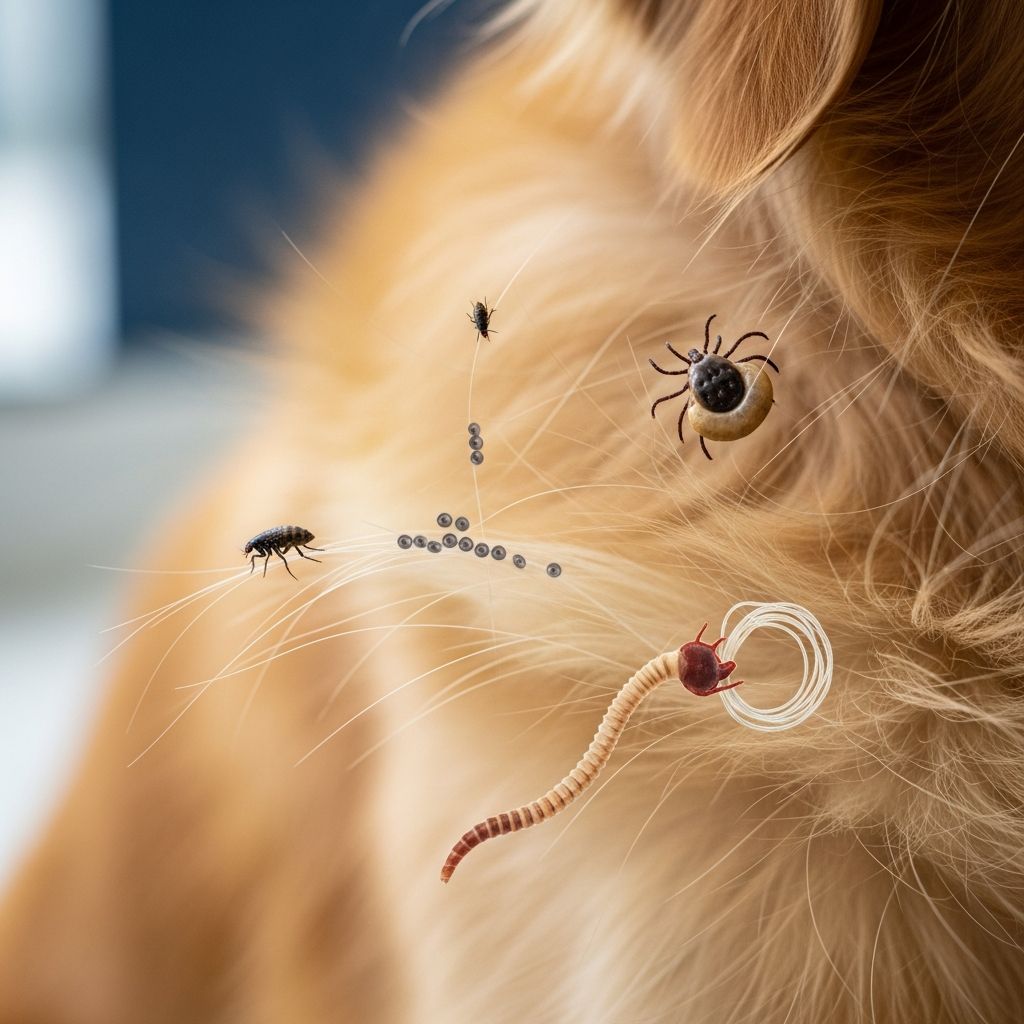
Canine Parasites: Recognition, Management, and Prevention Strategies
Parasitic infections represent one of the most frequently encountered health challenges in veterinary medicine. Dogs of all ages and backgrounds can fall victim to parasitic invasions, which range from microscopic organisms to visible worms. Understanding the nature of these parasites, recognizing their symptoms, and implementing appropriate treatment and prevention measures is essential for maintaining your dog’s overall health and preventing zoonotic transmission to human family members.
Understanding the Landscape of Canine Parasitic Disease
Parasitic infections in dogs fall into two primary categories: internal parasites that inhabit the gastrointestinal tract and body systems, and external parasites that affect the skin and coat. Internal parasites include various worm species and single-celled organisms, while external parasites encompass fleas, ticks, mites, and lice. Unlike acute infections that trigger immediate immune responses, parasitic infections often establish themselves gradually, sometimes producing minimal symptoms in the early stages.
The prevalence of parasitic disease in the canine population remains surprisingly high despite advances in preventative medicine. Young puppies are particularly vulnerable due to their developing immune systems and potential transmission from their mothers. Additionally, dogs with outdoor access, poor sanitation environments, or weakened immune systems face heightened risk of parasitic infestation.
Common Internal Parasites Affecting Dogs
Roundworms: The Most Prevalent Intestinal Invader
Roundworms rank as the most commonly encountered intestinal parasites in domestic dogs. These organisms, primarily represented by *Toxocara canis* and *Toxascaris leonina*, establish themselves within the small intestine where they feed on partially digested food and blood. Puppies frequently acquire roundworm infections through transplacental transmission from infected mothers or through nursing, while adult dogs typically contract the parasites by consuming contaminated soil, feces, or infected intermediate hosts.
The visual appearance of roundworm-infected feces often resembles spaghetti strands, making identification possible even without veterinary examination. Infected dogs frequently exhibit a characteristic pot-bellied appearance despite weight loss, along with variable appetite and dull coat quality. In severe infections, particularly in young animals, vomiting may occur and gastrointestinal impaction can develop.
Hookworms: Parasites with Anemia Complications
Hookworms present a more serious threat than roundworms due to their blood-feeding behavior and ability to cause significant anemia. Dogs contract hookworm infections through ingestion of infective eggs or larvae in contaminated environments, or through skin penetration of larval forms. The parasites attach to intestinal walls and extract blood, which can lead to weakness, lethargy, and pale mucous membranes in affected animals.
Clinical signs of hookworm infection include bloody diarrhea, weight loss, and poor coat condition. Puppies and young dogs show more severe clinical manifestations compared to adult animals due to their smaller blood volume and developing immune systems. Severe infections can result in life-threatening anemia if left untreated.
Whipworms: The Persistent Intestinal Resident
Whipworms (*Trichuris vulpis*) attach themselves to the lining of the large intestine and colon, where they cause chronic inflammation. These parasites produce eggs that survive for extended periods in moist environmental conditions, making reinfection a persistent concern even after successful treatment.
Light whipworm infections may produce no observable symptoms, while heavier burdens result in weight loss, chronic diarrhea, and occasionally fresh blood in stool samples. The inflammatory response triggered by whipworm activity can lead to anemia and protein malabsorption. Treatment typically requires multiple medication administrations spaced 3 to 4 weeks apart, followed by ongoing preventative dosing.
Tapeworms: Segmented Parasites with Flea Connections
Tapeworms differ structurally from other intestinal parasites, comprising multiple body segments that can detach and be shed in feces. Dogs acquire tapeworm infections through consumption of infected prey animals or, most commonly, through ingestion of fleas carrying tapeworm larvae. The *Dipylidium caninum* species represents the most frequent flea-associated tapeworm in canine populations.
Many dogs with tapeworm infections demonstrate minimal clinical signs, with infection discovery occurring upon observation of rice-like segments in feces or around the perianal area. In heavier infections, dogs may experience poor food absorption and mild diarrhea. The close relationship between flea infestations and tapeworm transmission underscores the importance of comprehensive parasite prevention programs.
Heartworms: Systemic Parasites with Serious Consequences
Heartworms (*Dirofilaria immitis*) represent perhaps the most serious internal parasitic threat, establishing themselves within the heart and pulmonary vessels rather than the gastrointestinal tract. Mosquitoes serve as the obligatory vector for heartworm transmission, making geographic location and seasonal activity critical risk factors. Dogs bitten by infected mosquitoes develop progressive infections that can ultimately lead to congestive heart failure.
Clinical signs of heartworm infection develop gradually and include fatigue, persistent coughing, reluctance to exercise, and general poor physical condition. Advanced infections produce severe complications including fluid accumulation, labored breathing, and potentially fatal cardiac dysfunction. Unlike other internal parasites, heartworm requires specialized treatment protocols that may include injectable medications, oral antimicrobials, restricted activity protocols, and in severe cases, extended cardiac medication regimens.
Giardia: The Protozoal Parasite
Giardia represents a single-celled parasitic organism distinct from helminths in both structure and treatment requirements. According to the Centers for Disease Control, Giardia constitutes the most common intestinal parasitic disease in the United States, infecting up to 45% of dogs. This organism causes symptoms nearly indistinguishable from bacterial or viral gastroenteritis, including watery diarrhea, vomiting, and abdominal discomfort.
Diagnostic Approaches and Recognition of Parasitic Infection
Clinical Presentation and Owner Observations
Astute dog owners often detect parasitic infections before veterinary examination through observation of behavioral and physical changes. The most common clinical indicators include gastrointestinal disturbances such as diarrhea and vomiting, particularly when these symptoms persist beyond typical viral or dietary causes. Weight loss despite adequate feeding, abdominal distension, and visible worms in feces or vomit warrant immediate veterinary consultation.
Additional signs that may indicate parasitic involvement include failure to thrive in young animals, poor coat quality characterized by dullness and increased shedding, variable appetite patterns, and general lethargy. Some dogs may exhibit behavioral changes such as increased irritability or apparent discomfort during defecation.
Veterinary Diagnostic Procedures
Veterinarians employ multiple diagnostic modalities to identify parasitic infections. Fecal examination remains the gold standard for detecting most intestinal parasites, involving microscopic analysis of stool samples to identify parasite eggs, larvae, or organisms. Fresh fecal samples produce the most reliable results, and multiple samples collected over several days may be necessary since parasite shedding fluctuates.
For certain parasites, additional diagnostic techniques prove necessary. Heartworm diagnosis typically requires blood testing to detect circulating antigens or antibodies, with some cases requiring ultrasound examination to visualize worms within cardiac chambers. Endoscopic examination and radiographic imaging may be employed when esophageal worms or other less common parasites are suspected.
Treatment Protocols and Therapeutic Approaches
Pharmacological Treatment Options
Parasitic infections require active treatment intervention, as spontaneous resolution rarely occurs. Deworming medications represent the primary therapeutic approach, with specific agents selected based on parasite identification and infection severity. Liquid dewormers, particularly pyrantel pamoate formulations, address multiple common parasites and are easily administered to most dogs.
Oral medications and injectable formulations provide alternative delivery methods for specific parasites or patient circumstances. Treatment protocols vary depending on the parasite species, with some requiring single doses while others necessitate multiple treatments spaced at specific intervals. Roundworm and hookworm infections typically respond to single-dose or short-course treatment regimens, while whipworm infections frequently require medications administered at 2 to 6 week intervals depending on severity.
Supportive Care and Symptomatic Management
Beyond parasite-specific medications, infected dogs often require supportive care to address secondary complications. Dogs with blood-feeding parasites such as hookworms may need iron supplementation and dietary modifications to support red blood cell production. Fluid therapy addresses dehydration resulting from severe diarrhea or vomiting, while dietary adjustments facilitate recovery and reduce gastrointestinal irritation.
Heartworm infections in advanced stages may require diuretics to reduce fluid accumulation in the lungs and body cavities, antibiotics to address secondary bacterial complications, and cardiac medications to support heart function. Severely affected dogs often require extended hospitalization and intensive monitoring during treatment initiation.
Ringworm Treatment Considerations
While not a parasitic worm, ringworm fungal infections frequently occur alongside parasitic disease and require distinct treatment approaches. Veterinarians may prescribe topical antifungal medications, antimicrobial shampoos, lime-sulfur dips, and in severe cases, clipping of affected areas to promote healing and reduce transmission.
Prevention Strategies and Protective Measures
Routine Deworming Programs
Preventative deworming represents a cornerstone of comprehensive parasite management. Puppies require deworming on multiple occasions during their first six months of life to eliminate maternally transmitted parasites and protect developing immune systems. Monthly heartworm preventatives, in addition to protecting against heartworm disease, provide protection against certain intestinal parasites including roundworms and hookworms.
Adult dogs benefit from routine deworming protocols tailored to their lifestyle and exposure risk. Dogs with outdoor access, particularly those in areas with warm, humid climates, face increased parasitic exposure and may require more frequent preventative dosing than indoor-only animals.
Flea and Tick Control as Parasite Prevention
Comprehensive external parasite control indirectly prevents certain internal parasitic infections. Since fleas transmit tapeworms, aggressive flea prevention eliminates one transmission route for tapeworm establishment. FDA- or EPA-approved insecticidal products designed for canine use provide effective flea control when applied as directed.
Environmental Management and Sanitation
Maintaining clean living environments significantly reduces parasitic transmission risk. Regular removal of feces from yards, particularly in households with multiple dogs or in kennels, prevents accumulation of infective parasite stages. Prompt disposal of waste eliminates the opportunity for parasites to complete their life cycles and reinfect susceptible animals.
Dogs should be prevented from consuming potentially infected prey animals, drinking from contaminated water sources, and accessing areas where other animals have defecated. In regions where certain parasites are endemic, avoiding exposure to intermediate hosts—such as dung beetles, frogs, and small rodents—can reduce infection risk.
Veterinary Guidance and Professional Consultation
Individual parasite control programs should be developed in consultation with veterinary professionals who understand local parasite prevalence, seasonal transmission patterns, and specific risk factors for each dog. Veterinarians can recommend appropriate preventative medications, deworming schedules, and monitoring protocols tailored to each patient’s unique circumstances.
Zoonotic Concerns and Human Health Protection
Several canine parasites pose transmission risks to human family members, particularly children and immunocompromised individuals. Roundworm infections can result in visceral larva migrans, a condition where parasite larvae migrate through human organs causing systemic illness. Rarely, ocular larva migrans develops when parasites reach the retina, potentially causing vision impairment.
Threadworm infections require cautious handling, particularly for immunocompromised individuals who may develop severe disease. Giardia readily transmits between dogs and humans through fecal-oral contamination, making hand hygiene and environmental sanitation critically important in households with infected dogs.
Children require particular attention regarding parasite prevention, as they may engage in behaviors that increase contamination risk such as playing in potentially contaminated soil and inadequate hand hygiene. Strict sanitation practices and prompt parasite treatment in infected dogs provide the most effective zoonotic protection.
Frequently Asked Questions About Canine Parasites
- How often should dogs receive deworming treatments?
- Deworming frequency depends on individual risk factors, geographic location, and lifestyle. Puppies require multiple treatments during their first six months, while adult dogs may need treatments ranging from monthly to quarterly based on exposure risk and preventative medication use.
- Can parasitic infections cause permanent damage to dogs?
- Untreated severe infections, particularly heartworm disease, can cause permanent cardiac damage and potentially fatal complications. Chronic hookworm infections may result in anemia requiring extended recovery periods. Prompt diagnosis and treatment prevent most serious complications.
- Are over-the-counter parasite treatments as effective as prescription medications?
- Veterinary consultation before administering any parasite treatment ensures proper diagnosis, accurate dosing, and selection of medications appropriate for the specific parasite and individual patient circumstances. Veterinarians can determine infestation severity and recommend optimal treatment protocols.
- What environmental conditions favor parasite transmission?
- Warm, humid environments accelerate parasite development and transmission. Areas with poor sanitation, standing water, and contaminated soil pose significantly higher infection risks. Seasonal variations affect parasite activity, with some species thriving during specific times of year.
Conclusion and Long-Term Health Considerations
Parasitic infections represent preventable threats to canine health when appropriate recognition, treatment, and prevention strategies are implemented. By understanding common parasites, recognizing clinical signs of infection, and maintaining consistent preventative protocols under veterinary guidance, dog owners can protect their pets from parasitic disease while reducing zoonotic transmission risks to their families. Regular veterinary examinations, appropriate deworming schedules, and environmental management practices form the foundation of effective parasite control in dogs of all ages.
References
- Gastrointestinal Parasites of Dogs — Merck Veterinary Manual. 2024. https://www.merckvetmanual.com/dog-owners/digestive-disorders-of-dogs/gastrointestinal-parasites-of-dogs
- Internal Parasites in Dogs — VCA Animal Hospitals. 2024. https://vcahospitals.com/know-your-pet/internal-parasites-in-dogs
- Intestinal Parasites in Cats and Dogs — American Veterinary Medical Association (AVMA). 2024. https://www.avma.org/resources-tools/pet-owners/petcare/intestinal-parasites-cats-and-dogs
- How To Tell if Your Dog Has Worms: Symptoms, Treatment — PetMD. 2024. https://www.petmd.com/dog/general-health/how-to-tell-if-your-dog-has-worms
- What You Need To Know About Parasites In Your Dog — Haywood Road Veterinary Clinic. 2024. https://www.haywoodroadvet.com/services/dogs/parasites
- Intestinal Parasites – Roundworms, Hookworms, Whipworms — DuPont Veterinary Clinic. 2024. https://dupontvetclinic.com/canine-internal-parasites/
Similar Articles








Read full bio of Sneha Tete




