

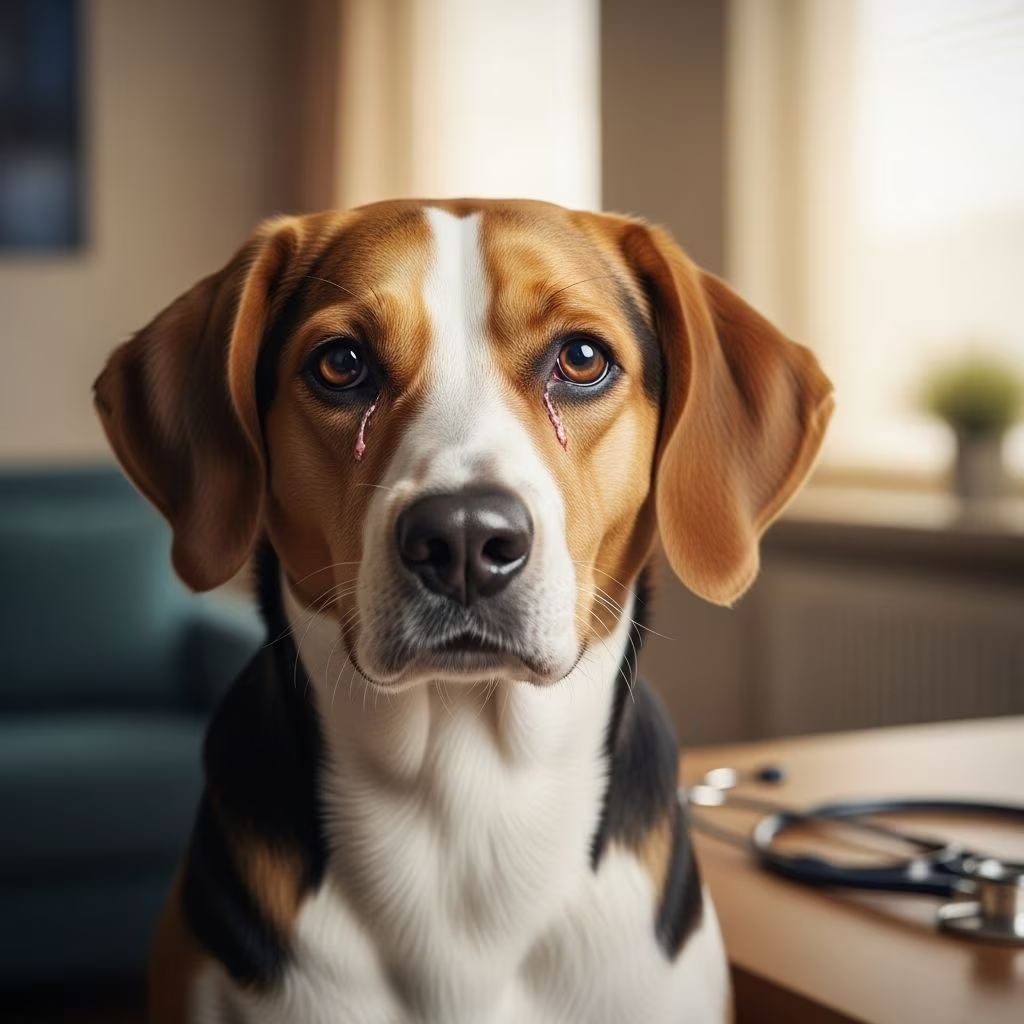
Understanding Canine Parainfluenza Virus (CPIV)
Canine parainfluenza virus (CPIV) is a highly contagious respiratory pathogen that affects dogs worldwide. This virus is one of the primary causative agents of infectious tracheobronchitis, commonly known as kennel cough. When CPIV combines with other pathogens such as Bordetella bronchiseptica or canine adenovirus-2 (CAV-2), it significantly increases the severity of respiratory disease in infected dogs. Understanding this virus is essential for dog owners and veterinarians to manage outbreaks effectively and protect vulnerable canine populations.
The virus spreads rapidly through respiratory secretions, making it particularly problematic in environments where multiple dogs are housed together, such as kennels, shelters, dog parks, and training facilities. Despite its contagious nature, CPIV infection can be managed effectively with appropriate veterinary care and supportive treatment.
Transmission and Contagiousness
Canine parainfluenza virus is transmitted primarily through airborne respiratory droplets from infected dogs. The virus is excreted from the respiratory tract of infected animals for up to two weeks following infection, making newly infected dogs significant sources of transmission.
The virus spreads with exceptional efficiency in high-density dog populations. Kennels and shelters where large numbers of dogs are kept in close quarters experience rapid viral transmission. Other high-risk environments include dog shows, training facilities, and boarding establishments. Even brief contact with an infected dog through shared water bowls, toys, or contaminated surfaces can facilitate transmission, though airborne droplets remain the primary transmission route.
Individual dogs vary in their susceptibility to infection based on immune competence, vaccination status, and overall health. Puppies and senior dogs face elevated risk due to compromised immune systems that provide insufficient protection against the virus.
Clinical Signs and Symptoms
Dogs infected with canine parainfluenza virus typically develop respiratory symptoms within three to ten days of exposure. The hallmark clinical sign is persistent coughing, which may present in different forms depending on disease progression and severity.
Common clinical signs include:
- Coughing (dry, hacking cough or moist, productive cough that may contain blood)
- Low-grade fever
- Nasal discharge (mucus, pus, or blood-tinged)
- Lack of energy and lethargy
- Loss of appetite or decreased appetite
- General malaise and depression
The severity and intensity of symptoms vary significantly based on the age of the infected dog and the strength of the individual dog’s immune system. Young puppies and elderly dogs typically experience more pronounced symptoms and face greater risk of complications. Some dogs may develop only mild symptoms and recover without intervention, while others experience severe respiratory distress requiring intensive veterinary care.
The dry, hacking cough characteristic of CPIV infection can become quite painful, leading to discomfort and decreased quality of life. In some cases, prolonged coughing can cause scarring of lung tissue, resulting in long-term respiratory problems even after the acute infection resolves.
Risk Factors and Vulnerable Populations
Certain groups of dogs face substantially higher risk of contracting canine parainfluenza virus and developing severe disease:
- Puppies: Young dogs with developing immune systems lack the maturity to mount effective immune responses against the virus
- Senior Dogs: Older dogs experience age-related immune system decline, reducing their ability to fight infection
- Toy Breeds: Smaller dog breeds are predisposed to developing pneumonia following CPIV infection due to anatomical factors and tendency toward thick secretions from throat irritation
- Immunocompromised Dogs: Dogs with existing health conditions or taking immunosuppressive medications face elevated infection risk
- Unvaccinated Dogs: Dogs lacking appropriate vaccination protection are highly susceptible to infection
Dogs with pre-existing respiratory conditions, such as chronic bronchitis or collapsing trachea, face increased risk of severe complications. Additionally, dogs living in boarding facilities, kennels, or shelters experience greater exposure to the virus and other infectious agents.
Diagnosis
Veterinary diagnosis of canine parainfluenza virus typically begins with a thorough physical examination and detailed history. Veterinarians assess respiratory sounds, check body temperature, and evaluate overall health status. The characteristic dry cough combined with nasal discharge and other respiratory symptoms in a recently sheltered or exposed dog raises strong suspicion for CPIV infection.
Specific diagnostic testing may include:
- Rapid antigen detection tests on respiratory samples
- Viral culture from nasal or throat swabs
- PCR (polymerase chain reaction) testing for definitive viral identification
- Thoracic radiographs to assess lung involvement and rule out pneumonia
- Complete blood count and chemistry panel to evaluate overall health status
Speedy and accurate diagnosis is essential for initiating appropriate treatment and implementing quarantine measures to prevent transmission to other dogs. Early identification allows veterinarians to begin supportive therapy promptly, improving prognosis and reducing the risk of secondary bacterial infections.
Treatment Options
Treatment for canine parainfluenza virus focuses on supportive care and symptom management, as no specific antiviral cure exists for this self-limiting viral infection. Some dogs may recover without medication; however, most benefit substantially from veterinary intervention.
Supportive Care
The foundation of CPIV treatment involves providing appropriate supportive care. Hospitalization is generally unnecessary unless the dog develops severe complications, as the highly contagious nature of the virus makes it preferable to manage infected dogs at home. Veterinarians typically recommend:
- Adequate nutrition with recommendations for healthy eating patterns
- Strict hygiene protocols to prevent transmission
- Nursing care to monitor the dog’s condition and provide comfort
- Environmental modifications to address suspected contributing factors
Medications
Veterinarians commonly prescribe several types of medications to manage CPIV infection:
- Antibiotics: Prescribed to treat or prevent secondary bacterial infections. Common choices include cephalosporins, quinolones, chloramphenicol, and tetracycline. The specific antibiotic selection is often based on culture and sensitivity testing results.
- Antiviral Medications: May be used to suppress viral replication and reduce disease severity
- Cough Suppressants: Particularly useful when dogs develop dry, painful coughs. Codeine derivatives should be reserved for long-term ineffective cough relief and used judiciously
- Pain Relievers: Analgesic medications help manage the discomfort associated with persistent coughing
Advanced Treatment Approaches
For severe or chronic cases, veterinarians may recommend:
- Bronchodilator pretreatment followed by aerosolization (nebulization) treatments to help open airways and reduce inflammation
- Humidification therapy to ease respiratory symptoms and soothe irritated airways
- Oxygen therapy in severe cases with respiratory distress
The duration of treatment varies based on disease severity and individual response. Most uncomplicated cases resolve within two to three weeks with appropriate supportive care. Persistent coughing over extended periods can cause lasting lung tissue damage and chronic respiratory problems, underscoring the importance of prompt veterinary attention.
Prevention and Vaccination
Vaccination represents the most effective strategy for preventing canine parainfluenza virus infection. The CPIV vaccine is typically administered as part of combination vaccination protocols that protect against multiple canine pathogens including distemper, canine adenovirus, and other respiratory viruses.
Standard vaccination recommendations include:
- Initial vaccination series beginning at 6 weeks of age
- Booster vaccinations administered every 3 to 4 weeks until 16 weeks of age
- A booster vaccination at one year of age
- Subsequent boosters at three-year intervals throughout adulthood
Dogs at particularly high risk—such as those frequently exposed to other dogs at shows, training facilities, or boarding establishments—may benefit from more frequent booster vaccinations. Consult with your veterinarian about developing an appropriate vaccination schedule for your individual dog based on lifestyle and risk factors.
Prevention in Multi-Dog Environments
In addition to vaccination, several management strategies help prevent CPIV transmission in kennels, shelters, and multi-dog households:
- Implement strict quarantine protocols for newly arrived or sick dogs
- Maintain rigorous hygiene practices with frequent cleaning and disinfection
- Provide adequate ventilation to minimize airborne viral particle concentration
- Minimize stress, which impairs immune function
- Separate infected dogs from susceptible populations
- Use individual feeding bowls and avoid shared toys until sanitized
Environmental Contamination and Decontamination
Understanding viral survival in the environment aids in preventing transmission. Canine parainfluenza virus loses infectivity relatively quickly once shed into the environment. Inside climate-controlled spaces, the virus becomes substantially less infectious after approximately one month. Outdoors, rain and watering dilute viral concentration over time, while sunlight’s sanitizing effects accelerate viral inactivation.
Proper disinfection of kennels, cages, and equipment involves using standard disinfectants proven effective against enveloped viruses. Thorough cleaning removes organic material that can shield viral particles from disinfectants, making a two-step process of cleaning followed by disinfection essential for effective contamination control.
Prognosis and Recovery
The prognosis for dogs with uncomplicated canine parainfluenza virus infection is generally excellent. Most dogs recover completely with appropriate supportive care and appropriate medication when needed. Recovery time typically ranges from two to four weeks, though coughing may persist for several weeks after the acute infection resolves.
Dogs that develop secondary bacterial infections or pneumonia face more complicated recoveries requiring extended antibiotic therapy. Toy breeds and very young puppies remain at elevated risk for serious complications, particularly pneumonia. Senior dogs and dogs with pre-existing respiratory conditions may experience prolonged recovery periods.
One important consideration is that persistent coughing over extended periods can cause irreversible scarring of lung tissue, leading to chronic respiratory compromise. This underscores the importance of prompt diagnosis and treatment initiation to minimize the duration of coughing episodes.
When to Seek Veterinary Care
Contact your veterinarian promptly if your dog develops a persistent cough, particularly if accompanied by other respiratory symptoms such as nasal discharge, fever, or lethargy. Seek emergency veterinary care if your dog shows signs of severe respiratory distress, including rapid or labored breathing, weakness, or collapse.
Dogs recently exposed to other dogs in shelters, kennels, or boarding facilities should be monitored closely for symptom development. Early intervention leads to better outcomes and reduces the risk of complications and disease transmission.
Frequently Asked Questions
Q: Can humans catch canine parainfluenza from dogs?
A: No, canine parainfluenza virus is species-specific and infects only dogs. Humans cannot contract this virus from infected dogs.
Q: How long is a dog contagious with CPIV?
A: Dogs shed the virus from the respiratory tract for approximately two weeks following infection. However, coughing may persist longer even after infectivity declines.
Q: Is kennel cough the same as canine parainfluenza?
A: Kennel cough is a syndrome that can be caused by multiple pathogens, including CPIV, Bordetella bronchiseptica, and canine adenovirus-2. CPIV is one common causative agent of kennel cough but not the only cause.
Q: Can dogs get CPIV more than once?
A: While dogs can develop protective immunity following infection, reinfection with different viral strains is possible, though usually less severe due to partial cross-protection from previous infection.
Q: What’s the difference between a dry cough and a moist cough in CPIV infection?
A: A dry, hacking cough typically occurs early in infection, while a moist, productive cough may develop later and can contain mucus or blood. The type of cough helps veterinarians assess disease stage and severity.
Q: Are there any home remedies for CPIV?
A: While supportive care like humidification and adequate rest are beneficial, veterinary treatment is necessary to address secondary infections and manage symptoms effectively. Always consult your veterinarian before attempting home treatments.
References
- Canine Parainfluenza Virus (CPIV) — Merck Animal Health USA. 2024. https://www.merck-animal-health-usa.com/condition/canine-parainfluenza/
- Canine Parainfluenza: Symptoms, Treatment, and Prevention Tips — Aerowood Animal Hospital. 2024. https://www.aerowoodanimalhospital.com/site/blog/2024/05/15/parainfluenza-dog
- Parainfluenza in Dogs: Symptoms, Treatment, and Prevention — Midway Veterinary Hospital. 2024. https://www.midwayvetlovesmypet.com/site/blog/2024/08/10/parainfluenza-dogs
- Canine Parainfluenza Virus (CPIV) — Home Health UK. 2024. https://homehealth-uk.com/animalhealth/canine-parainfluenza-virus-cpiv/
- Canine Parainfluenza — Zoetis. 2024. https://www2.zoetis.co.nz/products-solutions/dogs/canine-parainfluenza
- Parainfluenza Dogs — Windsor Vet (NEVCCC). 2023. https://www.nevccc.com/site/blog/2023/11/15/parainfluenza-dog



