Canine Papillomas: Viral Warts in Dogs
Discover the causes, symptoms, and effective management of viral warts in dogs, ensuring your pet's skin health and comfort.
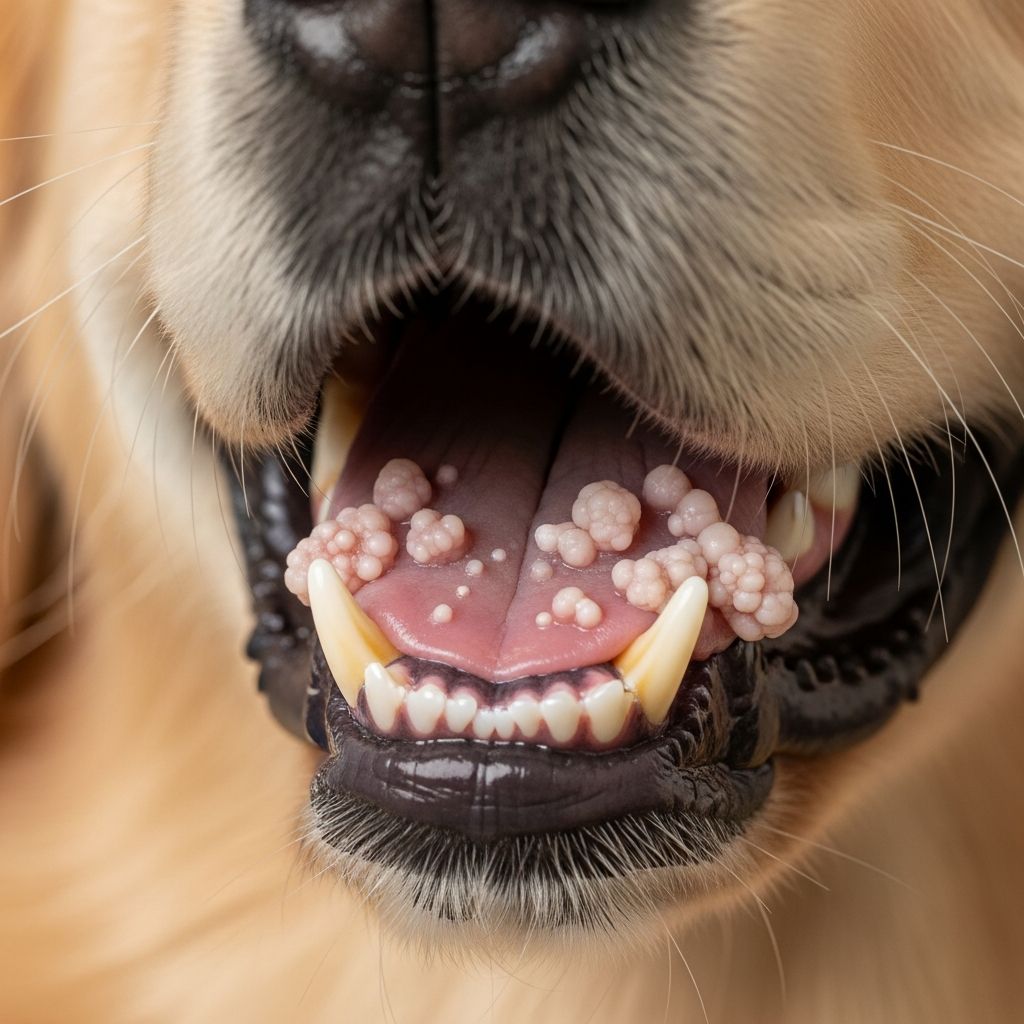
Canine papillomas, commonly referred to as viral warts, represent a frequent yet typically benign skin condition in dogs triggered by specific strains of papillomavirus. These growths primarily affect younger dogs whose immune systems are still maturing, manifesting as irregular, cauliflower-like bumps on the skin, particularly around the mouth, eyes, and paws. While alarming in appearance, most cases resolve spontaneously as the dog’s immunity strengthens, though prompt veterinary evaluation remains essential to rule out more serious issues.
Understanding the Nature of Dog Warts
Viral papillomas arise from infection with canine papillomaviruses (CPV), a group of DNA viruses that target epithelial cells in the skin and mucous membranes. Unlike malignant tumors, these warts are non-cancerous and result from the virus hijacking normal cell division processes, leading to rapid, uncontrolled growth of skin cells. The most prevalent strain, CPV-1, is notorious for causing oral papillomas, while other variants may produce warts on the feet or eyelids.
These growths vary in size from tiny protrusions to larger clusters, often featuring a rough, whitish-gray surface. They thrive in moist areas, explaining their commonality inside the mouth or between toes. Importantly, while contagious among dogs, CPV does not transmit to humans or other species, alleviating cross-species concerns for multi-pet households.
How Papillomavirus Infects Dogs
The transmission of CPV occurs primarily through direct contact with infected dogs or contaminated environmental objects such as shared bowls, toys, bedding, or grooming tools. The virus persists in these settings for weeks, posing risks in high-traffic dog areas like parks, kennels, and grooming facilities. Entry points include minor skin abrasions, insect bites, cuts, or naturally damp regions like the oral cavity.
Following exposure, an incubation period of 4 to 8 weeks typically precedes visible wart development. Not all exposed dogs develop symptoms; a robust immune response can neutralize the virus early. However, puppies under 2 years and immunocompromised adults face higher susceptibility due to immature or weakened defenses. Once infected with a specific CPV strain, dogs gain lifelong immunity to that variant but remain vulnerable to others.
Recognizing Symptoms of Viral Warts
- Appearance: Small, raised bumps resembling cauliflower heads, often grayish-white or flesh-toned with a crusty texture.
- Common Locations: Lips, gums, tongue, inside cheeks, eyelids, between toes, or genital areas.
- Number and Growth: Single or multiple (up to dozens), growing rapidly within weeks.
- Associated Signs: Halitosis, mild swelling, reluctance to eat due to discomfort, or excessive paw licking if foot involvement.
In severe cases, extensive oral clustering may hinder chewing or breathing, though pain is rare unless secondary infection occurs. Owners often notice these during routine grooming or feeding.
Risk Factors for Developing Papillomas
Certain dogs are predisposed to CPV infections. Young puppies, especially those socializing frequently, encounter the virus readily. Breeds with genetic immune variations or dogs on prolonged corticosteroids exhibit elevated risks. Elderly pets with declining immunity may also develop persistent warts. Environmental factors, such as crowded shelters, amplify exposure chances.
| Risk Group | Reason | Prevalence |
|---|---|---|
| Puppies <2 years | Immature immune system | High |
| Immunosuppressed dogs | Weakened defenses (e.g., meds, illness) | Moderate-High |
| Senior dogs | Age-related immunity decline | Moderate |
| Social dogs in parks/kennels | Increased exposure | High |
Accurate Diagnosis by Veterinarians
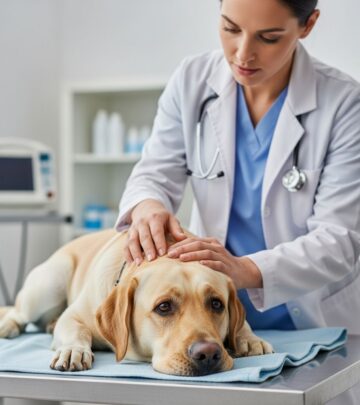
Veterinarians diagnose papillomas through visual inspection, given their distinctive morphology. For confirmation, especially with atypical presentations, fine-needle aspiration or biopsy reveals characteristic viral changes like koilocytosis (enlarged cells with viral inclusions) under microscopy. This distinguishes them from cysts, mast cell tumors, or squamous cell carcinomas, which may mimic warts.
Owners should avoid home diagnosis, as misidentification delays treatment for malignant growths. Routine bloodwork assesses immune status in recurrent cases.
Natural Resolution and Immune Response
In healthy young dogs, 70-90% of papillomas regress within 1-2 months as antibodies target infected cells, leading to wart sloughing. This spontaneous remission confers strain-specific immunity. Persistence beyond 3 months signals potential immune compromise, warranting intervention.
Treatment Options for Persistent or Problematic Warts
Observation suits uncomplicated cases. For interference with eating, infection, or cosmetics:
- Surgical Excision: Quick removal under sedation, ideal for few large warts.
- Cryotherapy: Freezing with liquid nitrogen, effective for small clusters.
- Topical Therapies: Imiquimod or interferon creams stimulate local immunity.
- Oral Vaccines/Auto-Inoculation: Injecting wart tissue to boost systemic response (veterinary-only).
- Antivirals/Laser: For refractory cases in compromised dogs.
Post-treatment monitoring prevents recurrence. Antibiotics address secondary bacterial infections.
Preventing Papilloma Spread in Your Home
Isolation of affected dogs from uninfected ones minimizes transmission. Disinfect surfaces with bleach solutions (1:30 dilution), and avoid sharing items. Limit park visits until resolution. No commercial vaccine exists, though research explores broad-spectrum options.
When to Seek Immediate Veterinary Care
- Rapid growth or color changes (possible malignancy).
- Bleeding, ulceration, or foul odor (infection).
- Difficulty eating, drooling, or pawing at growths.
- Recurrence in adult dogs (underlying illness).
Frequently Asked Questions (FAQs)
Are dog warts contagious to humans?
No, canine papillomaviruses are species-specific and do not infect people.
Can warts turn cancerous?
Rarely in dogs; most remain benign, but biopsy atypical ones.
How long do dog papillomas last?
Typically 1-2 months in young dogs; longer in others requires vet intervention.
What’s the difference between warts and skin tags?
Warts are viral-induced, rough, and contagious; skin tags are soft, non-contagious flaps.
Should I remove warts at home?
No, risks infection or incomplete removal; consult a vet.
Long-Term Management for At-Risk Dogs
For recurrent sufferers, immune-boosting diets, probiotics, and regular check-ups help. Monitor for comorbidities like allergies weakening skin barriers.
References
- Warts in Dogs – PetMD — PetMD. 2023. https://www.petmd.com/dog/conditions/all-about-dog-warts-types-causes-and-treatments
- Warts on Dogs: Papilloma Pics, Pointers + Precautions – Lavengel — Lavengel. 2024. https://lavengel.com/pages/skin-issues-warts
- Canine Oral Papillomas – Yarmouth Veterinary Center — Yarmouth Veterinary Center. 2023. https://yarmouthvetcenter.com/yvcipedia/canine-oral-papillomas-yarmouth-veterinary-center/
- Dog’s warts might look scary, but they’re likely harmless – Greendale Village Vet — Greendale Village Vet. 2023. https://greendalevillagevet.com/dogs-warts-might-look-scary-but-theyre-likely-harmless/
- Papillomaviral skin diseases of humans, dogs, cats and horses – PMC — PMC (NCBI). 2024-10-01. https://pmc.ncbi.nlm.nih.gov/articles/PMC11494463/
Similar Articles





Read full bio of medha deb