

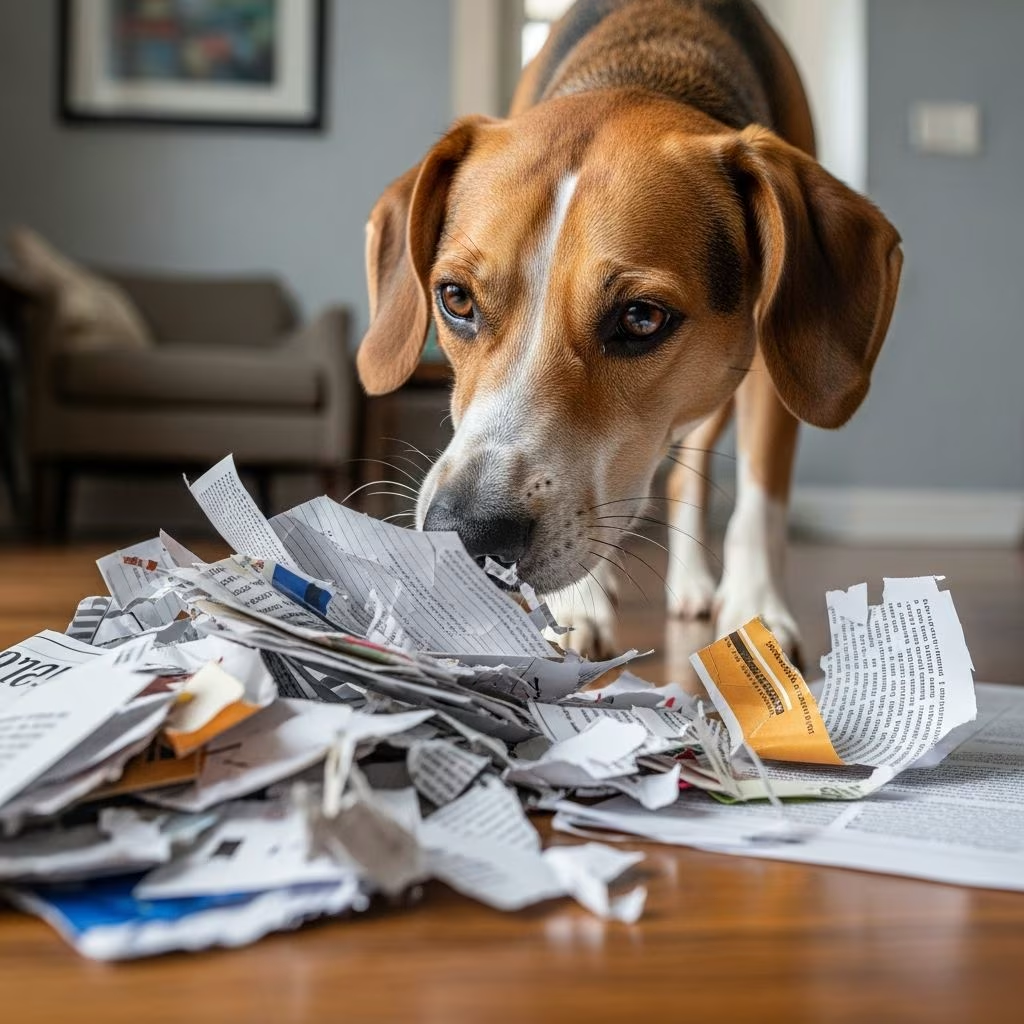
Pet owners frequently encounter the puzzling behavior of their dogs consuming or destroying paper products. This seemingly harmless habit can range from an occasional playful incident to a compulsive disorder requiring professional intervention. Understanding the motivations behind this behavior helps dog owners distinguish between normal canine curiosity and potential health or behavioral concerns.
The Attraction to Paper Materials
Dogs interact with their environment primarily through their senses, and paper products present a unique combination of tactile, olfactory, and textural stimuli that appeal to many canines. The sensation of shredding paper activates neural pathways associated with reward and satisfaction. When a dog tears into paper, the physical act releases dopamine—the neurochemical linked to pleasurable experiences like hunting and play. This explains why even well-fed, content dogs may engage in this behavior purely for the sensory experience it provides.
The appeal of specific paper items often relates to scent markers left behind by human contact. When you use a tissue to wipe your mouth, hands, or nose, you leave behind aromatic compounds that make the item infinitely more interesting to your dog than blank paper. Similarly, napkins and paper towels used during meals carry traces of food that trigger your dog’s natural foraging instincts.
Behavioral Drivers Behind Paper Consumption
Insufficient Mental and Physical Stimulation
One of the most common reasons dogs resort to paper destruction is inadequate enrichment in their daily routines. Dogs possess significant cognitive abilities and require both mental engagement and physical exercise to maintain psychological well-being. When these needs go unmet, dogs experience pent-up energy and frustration that manifests in destructive behaviors. Paper products, being readily accessible in most households, become convenient targets for this displaced energy.
The connection between boredom and paper consumption creates a self-reinforcing cycle. Once a dog discovers that shredding paper provides entertainment, the behavior becomes established in their repertoire of coping mechanisms. Bored dogs may intensify this behavior over time, viewing toilet paper dispensers as particularly engaging toys due to the spinning motion and unrolling action.
Attention-Seeking Mechanisms
Dogs are highly social animals that thrive on interaction with their human family members. When legitimate attention is scarce, some dogs learn to manufacture interactions through undesirable behaviors. If your dog discovers that grabbing a paper towel prompts you to chase them through the house, they’ve identified a successful attention-acquisition strategy. From the dog’s perspective, negative attention (being chased or scolded) is preferable to being ignored entirely.
Anxiety and Stress Responses
Anxiety manifests differently in individual dogs, but destructive behaviors including paper shredding commonly occur when dogs experience emotional distress. Environmental stressors such as loud noises, changes in household composition, or separation from owners can trigger anxiety-driven paper consumption. Some dogs engage in this behavior compulsively when experiencing stress, using the repetitive action as a self-soothing mechanism.
Developmental Factors in Puppies
Teething Discomfort
Puppies entering their teething phase often seek items to chew to alleviate gum pain and pressure. Paper products, particularly soft materials like facial tissues and toilet paper, provide satisfying textural feedback during this developmental stage. The softness of paper makes it appealing to puppies whose gums are tender and sensitive. This phase typically resolves once permanent teeth fully emerge and the acute discomfort subsides.
Exploratory Behavior
Young dogs navigate their world primarily through oral exploration. Puppies use their mouths and noses as primary sensory tools to investigate novel objects and environments. Paper items represent intriguing textures and sounds that warrant investigation. What appears destructive to humans is actually developmentally appropriate exploratory behavior. Providing appropriate chew toys and supervised access to safe materials redirects this natural instinct toward acceptable outlets.
Medical and Nutritional Considerations
Pica: When Paper Eating Becomes Pathological
Pica represents a significant departure from occasional paper interaction, manifesting as a compulsive drive to consume non-nutritive, inedible items. Dogs with pica don’t simply shred paper—they ingest it, consuming substantial quantities. This condition can result from underlying medical problems, psychological disorders, or a combination of factors. The critical distinction between normal chewing and pica involves actual ingestion rather than mere destruction.
Pica presents serious health risks including intestinal obstruction, perforation, and toxic exposure depending on the materials consumed. A dog exhibiting compulsive paper consumption requires veterinary evaluation to rule out underlying medical conditions and develop appropriate management strategies.
Nutritional Insufficiency
Dogs lacking essential minerals and nutrients sometimes exhibit appetite for non-food items as their bodies attempt to compensate for dietary shortcomings. Zinc, iron, and dietary fiber deficiencies have been associated with increased consumption of non-nutritive materials. However, nutritional deficiency doesn’t necessarily indicate inadequate food quantity or quality—gastrointestinal diseases including parasitic infections, chronic diarrhea, and intestinal malignancies prevent proper nutrient absorption despite appropriate diet.
When nutritional causes underlie paper consumption, addressing the primary condition typically resolves the behavior. Veterinary diagnostics including bloodwork and gastrointestinal assessment help identify whether nutritional factors contribute to the behavior.
Polyphagia and Endocrine Disorders
Conditions that increase appetite or alter satiety signals can drive excessive consumption of non-food items. Polyphagia (abnormally increased appetite) and endocrine disorders such as diabetes can prompt dogs to seek alternative oral stimulation when primary hunger remains unsatisfied. These medical conditions require professional diagnosis and management.
Toilet Paper: A Particular Fascination
Toilet paper warrants specific discussion due to its unique properties that make it especially appealing to many dogs. The mechanical action of unrolling creates visual and auditory stimulation that captures canine attention. The soft texture satisfies tactile preferences, particularly for puppies or dogs with sensitive mouths. The accessibility of toilet paper in bathrooms—often unguarded spaces—makes it an easy target compared to other household items.
Additionally, bathroom paper products frequently encounter human bodily contact, creating scent markers that heighten their appeal. The combination of physical accessibility, appealing texture, and olfactory interest makes toilet paper an ideal target for dogs seeking paper-based stimulation.
Safety Implications and Health Risks
While occasional paper consumption in small quantities rarely causes serious harm, regular or substantial paper ingestion carries meaningful risks. Large paper consumption can lead to intestinal blockages requiring surgical intervention. Dyes, bleaches, and artificial scents on certain paper products may cause gastrointestinal upset or toxicity. Some papers contain contaminants—such as the fishing hook incident documented in veterinary literature—that create emergency situations.
Dog owners should monitor consumption patterns and contact veterinary professionals if paper eating becomes compulsive, occurs in large quantities, or accompanies other behavioral or physical changes.
Management Strategies and Solutions
Environmental Modification
The simplest intervention involves limiting access to paper products. Closing bathroom doors, securing trash containers, and removing paper items from accessible locations reduces opportunity for paper consumption. Environmental management works particularly well for dogs motivated by opportunity rather than compulsion.
Enrichment and Exercise
Dogs with inadequate stimulation benefit from structured increases in physical exercise and mental engagement. Interactive toys, puzzle feeders, regular walks, and training sessions provide appropriate outlets for energy and cognitive engagement. Enriched environments reduce the appeal of destructive alternatives.
Behavioral Modification
Avoid chasing dogs who possess paper, as this reinforces the attention-seeking cycle. Instead, calmly retrieve paper if ingestion becomes dangerous. For anxiety-driven behaviors, working with veterinary behaviorists to address underlying emotional issues may involve desensitization protocols, medication, or environmental modifications.
Veterinary Intervention
Persistent or compulsive paper consumption warrants professional evaluation. Veterinarians can identify medical contributors, recommend dietary adjustments, or prescribe medications when behavioral or medical conditions drive the behavior.
Frequently Asked Questions
When should I be concerned about my dog eating paper?
Concern increases when consumption becomes compulsive, occurs in large quantities, happens regularly despite intervention, or accompanies other behavioral or physical changes. Immediate veterinary attention is warranted if your dog shows signs of obstruction including vomiting, loss of appetite, or abdominal pain.
Can paper consumption indicate serious illness?
Yes, occasional paper shredding is usually benign, but persistent consumption can indicate pica, nutritional deficiency, gastrointestinal disease, or endocrine disorders. Medical evaluation helps distinguish behavioral from medical causes.
Is it safe to punish my dog for eating paper?
Punishment proves counterproductive, particularly for attention-seeking behaviors where negative attention still satisfies the underlying motivation. Positive reinforcement of appropriate behaviors and environmental management prove more effective.
How can I redirect my puppy’s paper chewing?
Provide appropriate chew toys, supervise access to paper items, and praise your puppy for interacting with approved toys. Most puppies naturally outgrow paper interest once teething concludes and they mature.
Summary and Takeaways
Paper consumption in dogs encompasses a spectrum from normal exploratory behavior to compulsive pathology. Most instances reflect playful interaction or environmental opportunity rather than serious concerns. However, distinguishing between benign behavior and problematic consumption requires careful observation of frequency, quantity, and accompanying symptoms.
Dogs eating paper respond well to environmental management, increased enrichment, and behavioral modification when motivation is behavioral. Medical cases require professional diagnosis and targeted treatment. When paper consumption becomes persistent, compulsive, or accompanied by other symptoms, veterinary evaluation helps identify underlying causes and develop appropriate intervention strategies.
References
- Why Do Dogs Eat Paper? 8 Vet-Reviewed Reasons — Dogster. Retrieved from https://www.dogster.com/dog-health-care/why-do-dogs-eat-paper
- Why Do Dogs Eat Toilet Paper and Paper Products? — Pet Professional Guild. Retrieved from https://www.petprofessionalguild.com/barks/barks-magazine-blog/why-do-dogs-eat-toilet-paper-and-paper-products/
- Why Do Dogs Shred Paper Products? — PetMD. Retrieved from https://www.petmd.com/dog/behavior/why-do-dogs-shred-paper-products
- Eating Toilet Paper: Is Your Dog on a Roll? — Zebra CBD. Retrieved from https://zebracbd.com/blogs/cbd-dog-blog/dogs-eat-toilet-paper
- Why is my dog eating paper? — Wag Walking. Veterinary reviewed by Dr. Linda Simon, MVB MRCVS. Retrieved from https://wagwalking.com/symptom/why-is-my-dog-eating-paper
- Why Does My Dog Eat Paper? Understanding the Behavior and Solutions — Oreat AI. Retrieved from http://oreateai.com/blog/why-does-my-dog-eat-paper-understanding-the-behavior-and-solutions/2c13aa840cba4df409e36238db0ef4a5



