

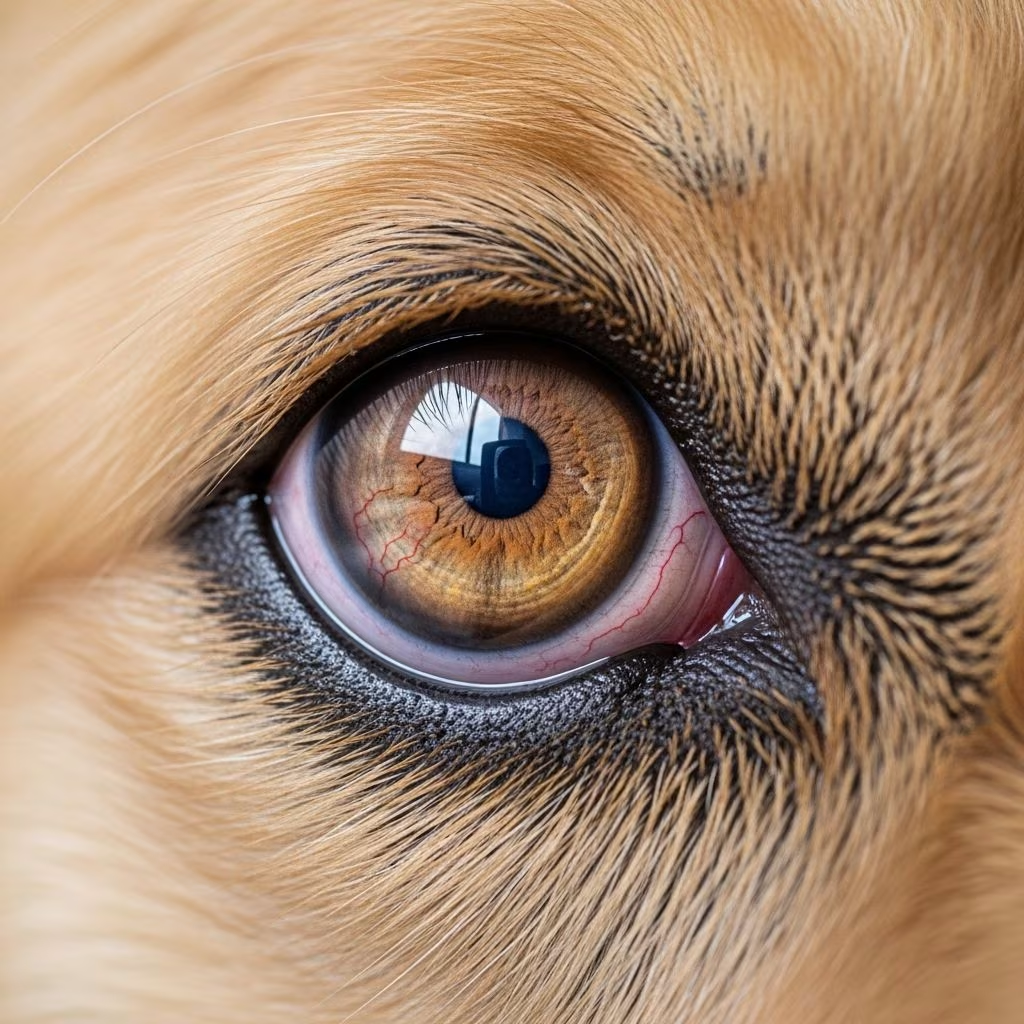
Pannus, medically known as chronic superficial keratitis (CSK), represents one of the more challenging ocular conditions affecting dogs today. This progressive eye disease develops when a dog’s immune system mistakenly targets the cornea—the transparent outer layer of the eye—as if it were a foreign invader. The resulting inflammatory response creates visible changes on the corneal surface that can eventually compromise vision if left untreated. While pannus cannot be cured, modern veterinary medicine offers effective management strategies that allow affected dogs to maintain their quality of life through consistent, lifelong care.
Understanding the Immune Response Behind Pannus
Pannus develops through a complex autoimmune mechanism where the body’s protective immune system becomes misdirected. Rather than defending against genuine threats, immune cells infiltrate and inflame the cornea, causing characteristic physical changes. The condition typically begins at the outer and lower edges of the cornea before gradually advancing inward across the eye’s surface. This progression can occur at different rates depending on individual factors and environmental influences affecting each dog.
The inflammatory process involves the accumulation of immune cells that create raised, vascular lesions on the cornea. Over time, affected areas develop increased pigmentation and blood vessel growth, causing the cornea to darken and become scarred. These changes directly interfere with light passing through the eye, potentially leading to significant vision reduction or blindness if the condition advances without intervention.
Identifying Your Dog’s Risk Profile
Certain dog breeds demonstrate dramatically higher susceptibility to pannus, suggesting a strong genetic component to the disease. German Shepherds represent the most commonly affected breed, with research indicating that German Shepherds and their mixes experience pannus at substantially elevated rates compared to other dogs. Belgian shepherd breeds, including Belgian Malinois, Belgian Tervurens, and Belgian Sheepdogs, also show increased prevalence.
Beyond breed predisposition, other dog types face elevated risk as well. Research from veterinary genetics laboratories has identified greyhounds and dachshunds as breeds showing higher-than-average incidence rates. However, it’s important to note that pannus can develop in any dog breed regardless of genetic background. Age also plays a significant role—pannus typically manifests in middle-aged dogs, though it can appear at various life stages.
Environmental and Lifestyle Contributors
Geographic location and sun exposure represent critical environmental factors influencing both disease development and severity. Dogs living at higher elevations receive substantially greater ultraviolet (UV) radiation exposure, which significantly increases their risk of developing pannus. The relationship between UV light and pannus severity is so well-established that veterinarians often consider altitude and sun exposure when discussing prognosis with dog owners.
Dogs residing in lower altitude regions typically experience milder disease manifestations and respond more favorably to treatment. This observation underscores the importance of environmental modification as part of comprehensive pannus management. Extended outdoor time, particularly in sunny climates or at high elevations, appears to accelerate disease progression in genetically predisposed animals.
Recognizing Pannus Symptoms in Your Dog
Pannus presents through a variety of observable eye changes that can range from subtle to severely obvious. Early recognition enables prompt veterinary intervention and generally results in better treatment outcomes. Dog owners should remain alert for any of the following signs:
- Red or inflamed eye tissues that appear irritated
- A grayish-pink film or hazy appearance developing over the cornea
- Blood vessels becoming visible across the white part of the eye
- Progressive darkening or pigmentation changes in the cornea
- Mucus discharge or other ocular secretions
- Squinting or sensitivity to light
- Pawing or rubbing at the affected eye
- Reluctance to go outside or navigate unfamiliar spaces
- Vision difficulties that may progress to complete blindness
These symptoms typically develop gradually, with changes becoming more pronounced over weeks or months without appropriate treatment. Some dogs show remarkably rapid progression, while others experience slower manifestation of disease signs. The variability in symptom development makes regular veterinary eye examinations particularly important for at-risk breeds and individual dogs showing early warning signs.
Diagnostic Processes and Veterinary Examination
Veterinarians diagnose pannus through comprehensive ocular examination using specialized equipment. Slit lamp biomicroscopy and other diagnostic tools allow veterinarians to visualize corneal changes that characterize the disease. A complete eye examination becomes especially important for dogs in high-risk breeds, even before symptoms develop visibly, as early intervention produces significantly better outcomes.
During the examination, the veterinarian evaluates the extent of corneal involvement, assesses the degree of vascularization and pigmentation, and determines whether secondary infections have developed. This assessment guides treatment intensity and helps establish appropriate management expectations for ongoing care.
Treatment Approaches for Managing Pannus
While pannus cannot be cured, veterinary medicine offers multiple effective treatment options that control inflammation and arrest disease progression. Treatment success depends on consistent medication administration and regular veterinary monitoring. Most dogs respond well to topical medications when owners follow treatment protocols reliably.
Topical Medication Protocols
Immunosuppressive eye drops form the foundation of pannus management, working to calm the misdirected immune response attacking the cornea. The primary medication classes used include corticosteroids and other immune-modulating drugs.
| Medication Type | Common Examples | Typical Frequency | Primary Action |
|---|---|---|---|
| Corticosteroids | Prednisolone, Dexamethasone | Up to 4 times daily | Reduces inflammation and immune response |
| Calcineurin Inhibitors | Cyclosporine, Tacrolimus | Once to twice daily | Modulates immune system without steroid side effects |
| Supportive Medications | Artificial tears, lubricating ointments | As directed | Protects cornea and maintains moisture |
The specific medication combination prescribed depends on individual disease severity and response patterns. Many dogs begin with corticosteroid drops as primary treatment, potentially combined with cyclosporine or tacrolimus for enhanced effectiveness. The treatment goal involves using the lowest effective medication dosage that maintains disease control, minimizing potential side effects from long-term immunosuppressive therapy.
Medication frequency typically ranges from once to six times daily depending on disease severity and specific medications used. Medications are often adjusted based on seasonal changes in UV exposure, with increased treatment during peak sunlight months in many geographic regions.
Advanced Treatment Options
For pannus cases that don’t adequately respond to topical medications alone, veterinarians may recommend more aggressive intervention strategies. Subconjunctival steroid injections deliver medication directly around the eye, providing more concentrated immunosuppression. Recent advances include long-lasting cyclosporin implants placed beneath the conjunctiva, offering extended treatment benefits from a single procedure.
In rare, severe cases where traditional methods provide insufficient benefit, specialized treatments such as beta radiation therapy may be considered to reduce blood vessel growth and inflammatory cells in corneal tissues. Surgical removal of scar tissue can sometimes improve vision when the condition has caused significant corneal changes. Some dogs with severe pannus require referral to board-certified veterinary ophthalmologists who can access the full range of advanced treatment options.
The Role of UV Protection in Pannus Management
Given the strong connection between UV light exposure and pannus development and progression, sun protection represents an essential component of disease management. UV-blocking strategies complement medication therapy and help minimize disease flare-ups.
- Dog sunglasses designed specifically for canine eyes (such as Doggles) provide direct corneal protection during outdoor activities
- Limiting outdoor time during peak UV hours (typically 10 AM to 4 PM) reduces overall UV exposure
- Veterinarian-prescribed UV-blocking ointments offer additional corneal protection
- Indoor activities and shaded outdoor time represent safer alternatives for regular play
- Seasonal adjustment of sun protection strategies accommodates changing sun angles and intensity
These protective measures work synergistically with topical medications to control inflammation and prevent disease progression. Dogs living in high-altitude regions or particularly sunny climates benefit most dramatically from comprehensive UV protection strategies.
Long-Term Management and Lifestyle Considerations
Pannus requires a permanent commitment to daily medication administration and regular veterinary oversight. Successfully managing the condition requires owners to establish sustainable routines that ensure medications are administered at correct times and frequencies. Consistency proves critical—inconsistent or missed treatments significantly increase disease progression risk and may cause treatment failures.
Follow-up veterinary appointments allow the veterinarian to assess treatment effectiveness, monitor for disease progression, and adjust medications as needed. Regular check-ups become especially important since pannus often experiences periodic relapses throughout a dog’s life despite ongoing treatment.
Treatment Adjustments Over Time
Individual dogs respond differently to pannus treatment, and medication protocols often require refinement based on observed responses. Some dogs achieve disease control with a single topical medication long-term, while others require ongoing combination therapy. Seasonal variations may necessitate adjusting medication frequency or intensity based on UV exposure changes throughout the year.
German Shepherd Dogs diagnosed with pannus at young ages often present particularly challenging treatment situations, as early-onset disease tends to be more aggressive and less responsive to standard medications. These cases may require more intensive treatment protocols from the outset.
Prognosis and Expected Outcomes
With appropriate treatment, most dogs experience significant improvement in symptoms and disease stabilization. Prompt intervention at disease onset generally produces better long-term outcomes than delayed treatment initiation. Dogs that respond well to topical medications maintain functional vision and quality of life for many years with consistent care.
Early detection and aggressive initial treatment particularly benefit dogs at highest genetic risk, such as German Shepherds and Belgian shepherd breeds. Environmental modification combined with reliable medication administration creates optimal conditions for disease control. While some dogs eventually develop scarring that affects vision despite excellent treatment compliance, most maintain functional eyesight throughout their lives when receiving consistent, appropriate care.
Frequently Asked Questions About Canine Pannus
- Can pannus cause blindness in dogs?
- Yes, untreated pannus can progress to complete blindness as corneal scarring and pigmentation accumulate. However, most dogs treated promptly maintain functional vision.
- Is pannus painful for dogs?
- Dogs may experience discomfort from inflammation and light sensitivity, though pain severity varies. Treatment usually alleviates these uncomfortable symptoms.
- How often must pannus medications be applied?
- Frequency ranges from once to six times daily depending on disease severity and specific medications, with typical maintenance therapy requiring one to four applications daily.
- Can pannus affect both eyes?
- Pannus commonly affects both eyes, though severity may differ between the two. Treatment addresses both eyes to prevent progressive vision loss.
- What happens if pannus medication is discontinued?
- Disease progression typically accelerates when treatment stops, potentially leading to vision loss. Pannus requires lifelong management to maintain disease control.
- Do all dogs respond equally to pannus treatment?
- Treatment response varies individually. Some dogs achieve excellent control with minimal medication while others require intensive therapy. Early-onset cases in susceptible breeds often prove more challenging.
Moving Forward With Pannus Management
Receiving a pannus diagnosis for your dog requires acceptance of a lifelong management commitment, but the condition need not significantly diminish your pet’s quality of life. Modern treatments effectively control inflammation and halt disease progression when applied consistently. By combining reliable medication administration, appropriate UV protection, regular veterinary care, and environmental modifications, dog owners can help their affected companions maintain functional vision and continue enjoying normal activities throughout their lives.
Understanding the disease, recognizing early warning signs, and working closely with your veterinarian establish the foundation for successful long-term pannus management. With dedication and proper care, most dogs with pannus experience excellent quality of life while navigating their lifelong ocular health requirements.
References
- Pannus in Dogs: Symptoms, Causes, and Treatment — PetMD. Accessed March 2026. https://www.petmd.com/dog/conditions/eyes/pannus-dogs-symptoms-causes-and-treatment
- Pannus in Dogs: Managing a Lifelong Eye Condition — Envision Eye Vet. Accessed March 2026. https://envisioneyevet.com/pannus-in-dogs-managing-a-lifelong-eye-condition/
- Pannus in Dogs (Chronic Superficial Keratitis) — VCA Animal Hospitals. Accessed March 2026. https://vcahospitals.com/know-your-pet/pannus-in-dogs
- Chronic Superficial Keratitis (Pannus) — Canine Genetics Lab, College of Veterinary Medicine, Cornell University. Accessed March 2026. https://caninegeneticslab.vet.cornell.edu/chronic-superficial-keratitis-pannus/
- Pannus — American College of Veterinary Ophthalmologists (ACVO). Accessed March 2026. https://www.acvo.org/common-conditions-1/2018/2/2/pannus
- Pannus in Dogs (Chronic Superficial Keratitis) — Animal Eye Guys, South Florida Veterinary Services. Accessed March 2026. https://www.animaleyeguys.com/site/blog/2024/02/15/pannus-dogs



