

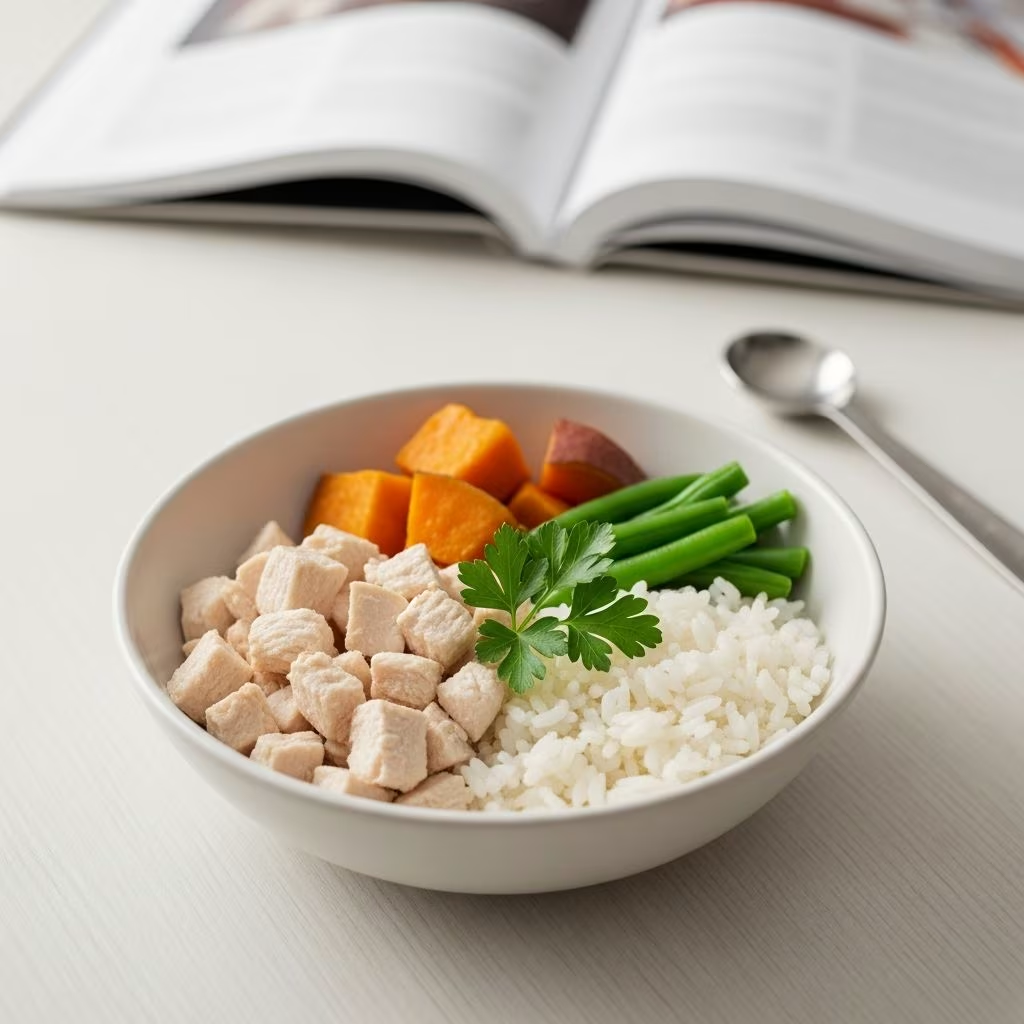
When a dog is diagnosed with pancreatitis, dietary modifications become one of the most critical components of treatment and long-term management. The pancreas plays a vital role in producing digestive enzymes and regulating blood sugar, making nutritional choices particularly important for dogs with pancreatic inflammation. Understanding how to feed a dog with pancreatitis can significantly reduce the frequency and severity of flare-ups while supporting overall digestive health and recovery.
Understanding Pancreatitis and Its Dietary Connection
Pancreatitis occurs when the pancreas becomes inflamed, which can happen either acutely or develop into a chronic condition. The pancreas produces enzymes responsible for breaking down fats, proteins, and carbohydrates during digestion. When this organ is compromised, it struggles to function properly, and high-fat meals can overstimulate pancreatic enzyme production, potentially triggering painful inflammatory episodes.
The relationship between diet and pancreatitis severity is significant enough that veterinary professionals consistently emphasize dietary management as a cornerstone of treatment. Dietary adjustments can help reduce pancreatic workload, minimize inflammation, and prevent recurrent episodes that might otherwise lead to chronic pancreatitis or permanent organ damage.
Core Principles of Pancreatitis-Friendly Nutrition
The fundamental approach to feeding a dog with pancreatitis involves several key nutritional principles that work together to support pancreatic recovery and prevent flare-ups.
Fat Content: The Primary Concern
Fat restriction stands as the most critical dietary modification for dogs with pancreatitis. The pancreas is responsible for producing lipase enzymes that break down dietary fats, and excessive fat consumption forces this already-inflamed organ to work harder than it can tolerate. Most veterinary professionals recommend maintaining fat content at approximately 8-10% in kibble form, though specific recommendations may vary based on individual circumstances.
For dogs with hyperlipidemia—a condition where blood lipid levels are elevated—ultra-low-fat diets containing 2 to 3 grams of fat per 100 kilocalories of metabolizable energy are often necessary. However, it’s important to note that dogs without elevated blood lipids may tolerate moderate fat content of 4 to 6 grams per 100 kilocalories if they show no signs of fat intolerance.
Digestibility and Nutrient Absorption
A highly digestible diet ensures that the dog’s digestive system can efficiently absorb nutrients without placing excessive strain on the compromised pancreas. Digestibility refers to how well a dog’s body can break down and absorb nutrients from food. Diets designed specifically for gastrointestinal disease are typically formulated to be highly digestible, minimizing digestive stress and reducing the work required from pancreatic enzymes.
Protein and Essential Nutrients
While fat reduction is paramount, adequate protein remains essential for tissue repair and recovery. A properly balanced pancreatitis diet should contain moderate levels of quality protein to support the dog’s healing process without burdening the pancreas. Additionally, certain nutrients become particularly critical during pancreatitis episodes, including hydration status and electrolyte balance, as many dogs experience vomiting and diarrhea that deplete essential minerals.
Building an Effective Feeding Strategy
Ingredient Selection and Preparation Methods
Selecting the right ingredients and preparing them properly significantly impacts their suitability for a dog with pancreatitis. Lean protein sources should form the foundation of meals, with boiled chicken, turkey, and fish being excellent choices that avoid introducing additional fats during cooking. Boiling is the preferred cooking method as it prevents fat accumulation that other cooking techniques might introduce.
Carbohydrate sources should be bland and easily digestible. White rice and sweet potatoes are ideal options that provide energy without causing digestive strain, while boiled pumpkin and oatmeal offer additional benefits for digestive health. These ingredients work together to create meals that are gentle on the pancreas while still providing complete nutrition.
Foods to Eliminate from the Diet
Certain foods and feeding practices must be completely avoided to prevent pancreatitis flare-ups. High-fat meats including pork, lamb, and marbled cuts of beef should never be offered. Table scraps, regardless of their content, often contain hidden fats and seasonings that can trigger inflammation. High-fat treats, dairy products, and fried foods are particularly problematic and should be eliminated from the dog’s diet entirely.
Even well-intentioned treats can cause serious problems. Many commercial dog treats contain excessive fat or ingredients that trigger digestive upset in pancreatitis-prone dogs. Working with family members to ensure consistency in feeding and eliminating unauthorized treats is essential for dietary success.
Practical Implementation of Pancreatitis Diets
Transitioning to a New Diet
Sudden dietary changes can upset a dog’s digestive system and potentially trigger the very flare-ups you’re trying to prevent. When switching to a pancreatitis-appropriate diet, gradual transition over a minimum of 10 days is recommended. This slow introduction allows the dog’s digestive system to adjust to new ingredients while allowing you to monitor for any adverse reactions.
During the transition period, gradually increase the proportion of the new food while decreasing the previous diet. This methodical approach minimizes digestive disruption and helps establish the new diet as the dog’s regular nutrition source.
Hydration and Fluid Management
Many dogs with acute pancreatitis experience dehydration due to ongoing vomiting and diarrhea, making water a critical nutrient during treatment and recovery. Dogs with mild fluid deficits may be managed with oral water intake if they’re not actively vomiting, while more severe cases may require subcutaneous or intravenous fluid support. Ensuring consistent access to fresh water and monitoring fluid intake becomes part of the overall nutritional management strategy.
Supporting Digestive Health Beyond Basic Nutrition
Supplementation Strategies
While a properly formulated diet provides the foundation for pancreatitis management, certain supplements can further support digestive health. Probiotics help maintain beneficial gut bacteria that support digestive function, while digestive enzymes can reduce the pancreatic workload by helping break down nutrients in the intestines rather than requiring full pancreatic enzyme production. These supplements work synergistically with a low-fat, highly digestible diet to optimize gastrointestinal health.
Weight Management as a Preventive Strategy
Maintaining a healthy body weight is one of the most effective ways to prevent pancreatitis flare-ups and reduce overall pancreatic stress. Overweight dogs have higher metabolic demands and may struggle with nutritional balance, potentially triggering inflammation. Weight management diets designed to support healthy weight while maintaining low fat content can be particularly beneficial for dogs with pancreatitis, as they reduce the metabolic burden on the pancreas while promoting overall health.
Long-Term Dietary Management
Chronic Pancreatitis Considerations
For many dogs, pancreatitis becomes a chronic condition requiring lifelong dietary management. A bland, low-fat, nutrient-dense diet becomes not a temporary intervention but a permanent feeding approach. This reality emphasizes the importance of selecting foods that your dog finds palatable and that you can realistically prepare or obtain long-term.
Dogs with chronic pancreatitis benefit from consistent feeding schedules and minimal dietary variation. The stability and predictability of their nutritional intake helps prevent unexpected flare-ups and supports consistent health outcomes. Many dog owners find that establishing a regular feeding routine with consistent ingredients reduces stress for both the dog and the household.
Monitoring and Adjusting the Diet
Even after establishing an effective dietary routine, ongoing monitoring remains important. Observing your dog’s digestion, energy levels, and overall health helps identify whether the current diet is truly optimal. Signs of dietary success include consistent digestion, stable weight, good energy levels, and absence of vomiting or diarrhea. If problems persist despite dietary modifications, consultation with a veterinarian or veterinary nutritionist can help identify whether further adjustments are needed.
Comparing Dietary Approaches
| Dietary Approach | Fat Content | Best For | Considerations |
|---|---|---|---|
| Homemade Low-Fat Diet | Minimal, controlled | Owners wanting ingredient control | Requires careful planning; time-intensive |
| Prescription Gastrointestinal Diet | Formulated low-fat | Acute episodes and chronic management | Veterinarian oversight recommended |
| Weight Management Formula | 8-10% in kibble | Overweight dogs with pancreatitis | Balances fat reduction with satiety |
| Ultra-Low-Fat Diet | 2-3g per 100 kcal | Dogs with hyperlipidemia | Most restrictive; for specific cases |
Frequently Asked Questions About Pancreatitis Diets
How Long Does a Dog Need to Stay on a Pancreatitis Diet?
Dogs with acute pancreatitis may transition to regular diets once they fully recover, though many vets recommend maintaining a low-fat diet indefinitely to prevent recurrence. Dogs with chronic pancreatitis typically require lifelong dietary management to maintain health and prevent flare-ups.
Can Dogs Eat Regular Dog Food After Pancreatitis Recovery?
This depends on the individual dog and whether pancreatitis was a one-time acute episode or a chronic condition. Dogs that experienced acute pancreatitis from a specific trigger may eventually tolerate regular food if that trigger is eliminated. However, dogs with chronic pancreatitis generally need to maintain low-fat diets indefinitely.
What Are Signs That the Current Diet Is Working?
Success indicators include stable digestion, absence of vomiting or diarrhea, consistent energy levels, and stable weight. The dog should appear comfortable and show no signs of abdominal pain or digestive upset.
Is Homemade Food Better Than Commercial Pancreatitis Diets?
Both can be effective when properly formulated. Homemade diets offer ingredient control but require careful nutritional planning. Commercial prescription diets are formulated by veterinary nutritionists to meet all nutritional requirements and provide convenience. The best choice depends on individual circumstances, owner preference, and veterinary guidance.
Key Takeaways for Pancreatitis Nutritional Management
- Fat restriction is the foundation of pancreatitis dietary management, with most dogs thriving on 8-10% fat content
- Highly digestible diets reduce pancreatic workload and support recovery from inflammation
- Lean proteins, bland carbohydrates, and consistent meal composition create the ideal pancreatitis-friendly diet
- Gradual dietary transitions minimize digestive upset and improve dietary compliance
- Hydration and electrolyte balance become critical during acute episodes with vomiting and diarrhea
- Supplementation with probiotics and digestive enzymes can further support digestive health
- Weight management supports long-term pancreatic health and reduces flare-up frequency
- Chronic pancreatitis typically requires lifelong dietary management for optimal health outcomes
- Veterinary guidance ensures the diet is nutritionally balanced and appropriate for your individual dog
- Consistency in feeding schedule and ingredients helps prevent unexpected inflammatory episodes
Working With Your Veterinarian
While this comprehensive guide provides foundational knowledge about pancreatitis nutritional management, individual dogs have unique needs based on their medical history, severity of pancreatitis, presence of concurrent conditions, and overall health status. A veterinarian or board-certified veterinary nutritionist can evaluate your specific dog’s situation and recommend the most appropriate dietary approach, whether that involves prescription diets, homemade meals, or a combination of strategies. Regular follow-up appointments help ensure the chosen diet continues to meet your dog’s evolving nutritional needs and health goals.
References
- Homemade Diets for Dogs with Pancreatitis — Under the Weather. 2026. https://www.undertheweatherpet.com/blogs/under-the-weather/homemade-diets-for-dogs-with-pancreatitis
- Acute Pancreatitis in Dogs — Purina Institute. 2026. https://www.purinainstitute.com/centresquare/therapeutic-nutrition/canine-acute-pancreatitis
- Pancreatitis in Dogs — Pet Nutrition at OVC, University of Guelph. 2023-07-17. https://ovcpetnutrition.uoguelph.ca/2023/07/17/pancreatitis-in-dogs/
- How to Comfort a Dog with Pancreatitis — Go! Solutions. 2026. https://go-solutions.com/en-ca/blog/how-to-comfort-a-dog-with-pancreatitis
- Pancreatitis: First Steps and Dietary Essentials — Veterinary Practice. 2026. https://www.veterinary-practice.com/article/pancreatitis-first-steps-and-dietary-essentials
- Nutritional Management of Pancreatitis and Concurrent Disease in Dogs — National Center for Biotechnology Information (PubMed). 2024-05-15. https://pubmed.ncbi.nlm.nih.gov/38569533/



