

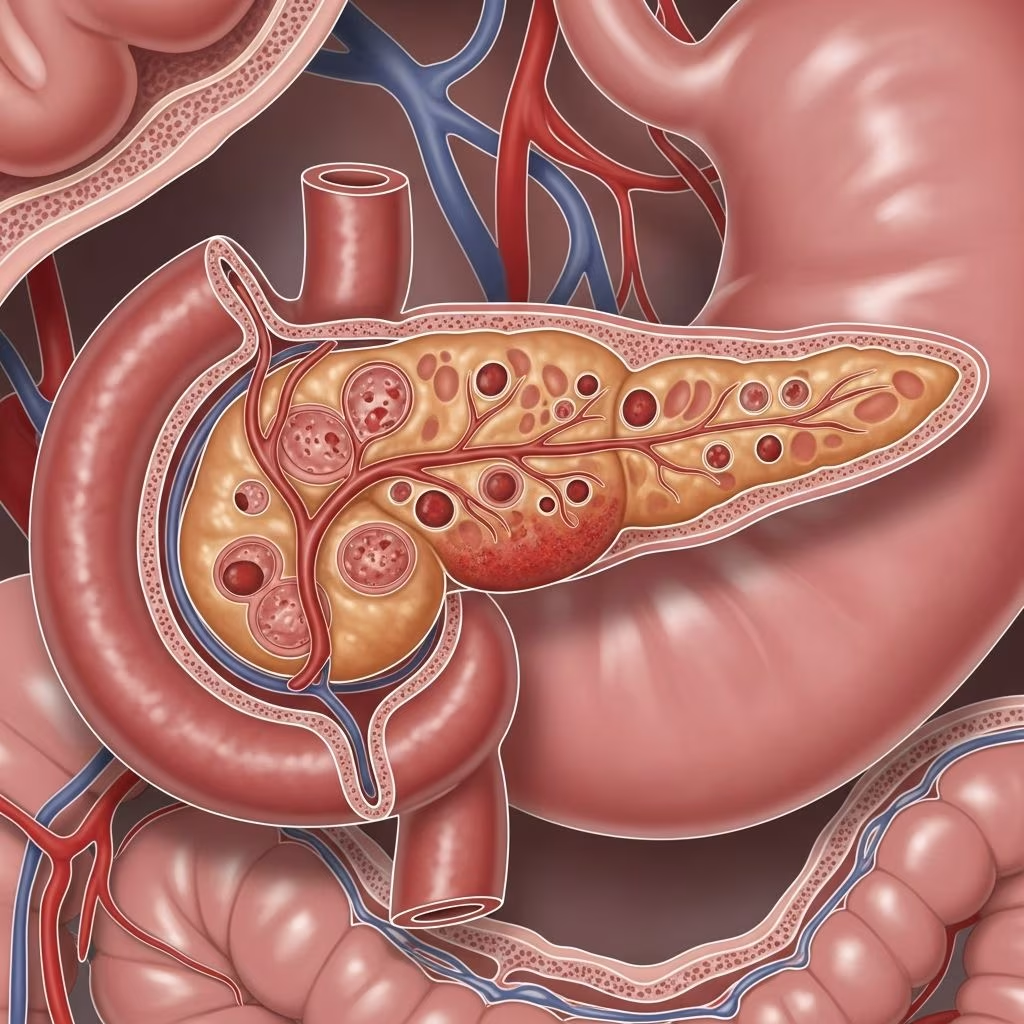
Pancreatitis, or inflammation of the pancreas, represents one of the more serious health conditions that can affect dogs of any age or breed. This condition occurs when the pancreas, a vital organ responsible for producing digestive enzymes and regulating blood sugar, becomes inflamed and begins to malfunction. Understanding this condition is essential for dog owners who want to recognize early warning signs and seek appropriate veterinary intervention. The pancreas plays a critical role in maintaining your dog’s overall health and digestive function, making any inflammation a matter of concern that requires prompt attention.
What Happens Inside the Pancreas During Inflammation
The pancreas performs two essential functions in your dog’s body. First, it produces digestive enzymes that help break down nutrients from food, allowing the body to absorb proteins, fats, and carbohydrates. Second, it regulates blood sugar levels by producing insulin. Under normal circumstances, these digestive enzymes remain inactive until they reach the small intestine, where they become active and begin breaking down food particles.
When pancreatitis develops, this carefully balanced process goes awry. The digestive enzymes activate prematurely while still inside the pancreas itself. Rather than waiting until they reach the intestines, these powerful substances begin attacking the pancreatic tissue, causing inflammation and damage. In severe cases, the pancreas essentially begins to digest itself, which can lead to serious complications affecting other organs and systems throughout the body. This self-digestion process is what causes the significant pain and distress that accompany this condition.
Recognizing the Warning Signs in Your Dog
Pancreatitis can present itself in different ways depending on whether it develops suddenly or progresses gradually over time. The symptoms may vary in intensity from mild to severe, and some dogs display more obvious signs than others. Recognizing these warning signs early can be the difference between quick recovery and serious complications.
The most common indicators that your dog may be experiencing pancreatic inflammation include:
- Vomiting and Nausea: Repeated vomiting occurring over several hours or intermittently over multiple days is one of the hallmark symptoms.
- Appetite Changes: A noticeable decrease in appetite or complete refusal to eat can signal pancreatic distress.
- Abdominal Discomfort: Pain or distention of the abdomen, which may cause your dog to appear uncomfortable, bloated, or reluctant to move.
- Digestive Issues: Diarrhea is frequently observed in affected dogs.
- Postural Changes: Some dogs adopt a distinctive “praying position” with their rear end elevated and front legs extended forward on the ground, attempting to relieve abdominal pain.
- General Malaise: Weakness, lethargy, inactivity, or moving slowly may indicate systemic illness.
- Dehydration: Loss of fluids can occur due to vomiting and reduced water intake.
- Fever: Elevated body temperature may accompany the inflammatory response.
- Weight Loss: Over time, particularly with chronic inflammation, dogs may lose weight due to decreased food intake and nutrient absorption.
The severity and combination of symptoms depend on whether your dog is experiencing acute (sudden-onset) or chronic (long-term) pancreatitis. Acute cases typically present with more intense clinical signs, while chronic cases may show more subtle symptoms that develop gradually.
Identifying Risk Factors and Underlying Causes
Understanding what causes pancreatitis is crucial for prevention and early intervention. While some cases develop without an identifiable trigger, researchers have identified numerous risk factors that increase the likelihood of developing this condition.
Dietary Influences
One of the most well-documented causes of pancreatitis is the consumption of high-fat foods. Even a single large meal containing excessive fat can trigger an acute episode in susceptible dogs. Common culprits include fatty table scraps, holiday leftovers, greasy meat trimmings, and garbage. Dogs that exhibit dietary indiscretion—meaning they will eat almost anything they encounter—face significantly elevated risk.
Weight and Metabolic Factors
Obesity represents another significant risk factor for pancreatic inflammation. Overweight dogs have increased metabolic stress and altered fat metabolism, which can predispose them to pancreatic problems. Additionally, underlying metabolic diseases can trigger pancreatitis by causing reduced blood flow or oxygen delivery to the pancreas. Conditions like diabetes mellitus and hypothyroidism (or other endocrine disorders) have been associated with increased pancreatitis risk.
Medications and Medical Treatments
Certain medications have been linked to pancreatitis development. These include corticosteroids used for anti-inflammatory purposes, cholinesterase inhibitors, potassium bromide, phenobarbital, l-asparaginase, estrogen, salicylates, azathioprine, thiazide diuretics, and vinca alkaloids. Additionally, anesthesia used during surgery may reduce blood flow to the pancreas, potentially triggering inflammation in susceptible individuals.
Breed Predisposition
Certain dog breeds show higher genetic susceptibility to developing pancreatitis. Miniature Schnauzers and Yorkshire Terriers are particularly prone to this condition, suggesting inherited factors play a role in disease development.
Trauma and Other Causes
Severe abdominal trauma, such as injuries from traffic accidents or falls, can cause pancreatitis. In rare cases, infectious diseases have been implicated, though the evidence for direct causation remains weak in most instances. Importantly, in many cases, no specific cause can be identified—these are classified as idiopathic pancreatitis.
Acute versus Chronic Presentation Patterns
Pancreatitis manifests differently depending on its onset and duration. Understanding these distinctions helps pet owners recognize the urgency of their dog’s condition.
| Characteristic | Acute Pancreatitis | Chronic Pancreatitis |
|---|---|---|
| Onset | Sudden, rapid development | Gradual, progressive over time |
| Severity | Typically more severe symptoms | Usually milder or vague signs |
| Common Signs | Severe vomiting, lethargy, acute abdominal pain | Decreased appetite, weight loss, occasional vomiting |
| Frequency | More common in dogs | Less common but can flare acutely |
| Emergency Risk | High—may progress to shock or organ failure | Lower unless acute exacerbation occurs |
Dogs with chronic pancreatitis may appear relatively stable for extended periods, only to experience sudden worsening that requires emergency care. This unpredictability underscores the importance of veterinary monitoring even when symptoms seem mild.
Diagnostic Approaches and Medical Evaluation
When you bring your dog to the veterinarian with suspected pancreatitis, the veterinary team will conduct a thorough evaluation. This typically includes a physical examination, blood work to assess pancreatic enzymes and other markers, abdominal imaging such as ultrasound or radiographs, and sometimes additional specialized tests. The combination of clinical signs, laboratory findings, and imaging results helps veterinarians confirm the diagnosis and assess severity.
Treatment Strategies and Management Approaches
Treatment for pancreatitis focuses on supporting your dog’s recovery while managing pain and controlling symptoms. The specific approach depends on disease severity and your dog’s overall health status. Hospitalization may be necessary for acute cases requiring intravenous fluid therapy to maintain hydration and electrolyte balance. Pain management is crucial, as pancreatitis causes significant discomfort that affects quality of life and recovery.
Nutritional management plays a vital role in both acute and chronic pancreatitis care. Most dogs benefit from temporarily withholding food to allow the inflamed pancreas to rest, followed by gradual introduction of easily digestible, low-fat meals. Long-term dietary modification is essential for managing chronic pancreatitis and preventing recurrence. Anti-nausea medications may be prescribed to control vomiting, while antibiotics might be used if secondary infection is suspected.
Prevention Strategies for Dog Owners
While you cannot eliminate all pancreatitis risk factors, several preventive measures can significantly reduce the likelihood of your dog developing this condition:
- Maintain a healthy body weight through appropriate portion control and regular exercise
- Feed a high-quality, low-fat diet appropriate for your dog’s age and health status
- Avoid giving table scraps, particularly fatty or greasy foods
- Secure garbage containers to prevent your dog from accessing discarded food items
- Monitor your dog after consuming holiday meals or unusual foods
- Keep your dog current on routine veterinary examinations to identify and manage underlying health conditions
- Discuss medication side effects with your veterinarian, particularly regarding those linked to pancreatitis
- Provide fresh water at all times to support hydration
When to Seek Emergency Veterinary Care
Pancreatitis can escalate rapidly from a manageable condition to a life-threatening emergency. If your dog experiences severe lethargy, persistent vomiting that prevents food and water intake, signs of shock (pale gums, rapid weak pulse, cold extremities), or collapse, seek emergency veterinary care immediately. Additionally, if your dog shows any combination of the previously mentioned symptoms, contact your veterinarian promptly rather than waiting to see if symptoms resolve on their own. Early intervention is critical in preventing worsening and supporting your dog’s recovery.
Long-Term Outlook and Management Considerations
Dogs that survive acute pancreatitis episodes can go on to live normal, healthy lives with appropriate ongoing management. However, those that have experienced one episode face increased risk of recurrence, particularly if risk factors remain uncontrolled. Dogs with chronic pancreatitis require lifelong dietary management and periodic veterinary monitoring. The prognosis depends on disease severity at diagnosis, how quickly treatment was initiated, and how well the underlying causes can be controlled.
By staying informed about pancreatitis, maintaining open communication with your veterinary team, and implementing preventive strategies, you can help protect your dog from this serious condition and ensure early intervention if problems develop. Your vigilance as a pet owner, combined with professional veterinary care, provides the best foundation for your dog’s continued health and well-being.
References
- Pancreatitis in Dogs: Symptoms, Causes and Treatment — American Kennel Club. 2024. https://www.akc.org/expert-advice/health/pancreatitis-in-dogs/
- Pancreatitis in Dogs: Symptoms and Treatment — GoodRx Pet Health. 2024. https://www.goodrx.com/pet-health/dog/pancreatitis-in-dogs
- Pancreatitis in dogs — People’s Dispensary for Sick Animals (PDSA). 2024. https://www.pdsa.org.uk/pet-help-and-advice/pet-health-hub/conditions/pancreatitis-in-dogs
- Pancreatitis in Dogs: Signs, Causes and Treatment — PetMD. 2024. https://www.petmd.com/dog/conditions/endocrine/pancreatitis-in-dogs
- Pancreatitis in Dogs: Urgent Signs, Causes, and When to Seek Care — Golden State Veterinary Specialists. 2024. https://gsvs.org/blog/pancreatitis-in-dogs-urgent-care/
- Pancreatitis in Dogs — SASH Vets. 2024. https://sashvets.com/diseases/pancreatitis-in-dogs/
- Pancreatitis in Dogs and Cats – Digestive System — Merck Veterinary Manual. 2024. https://www.merckvetmanual.com/digestive-system/the-exocrine-pancreas/pancreatitis-in-dogs-and-cats
- Pancreatitis in Dogs — VCA Animal Hospitals. 2024. https://vcahospitals.com/know-your-pet/pancreatitis-in-dogs



