

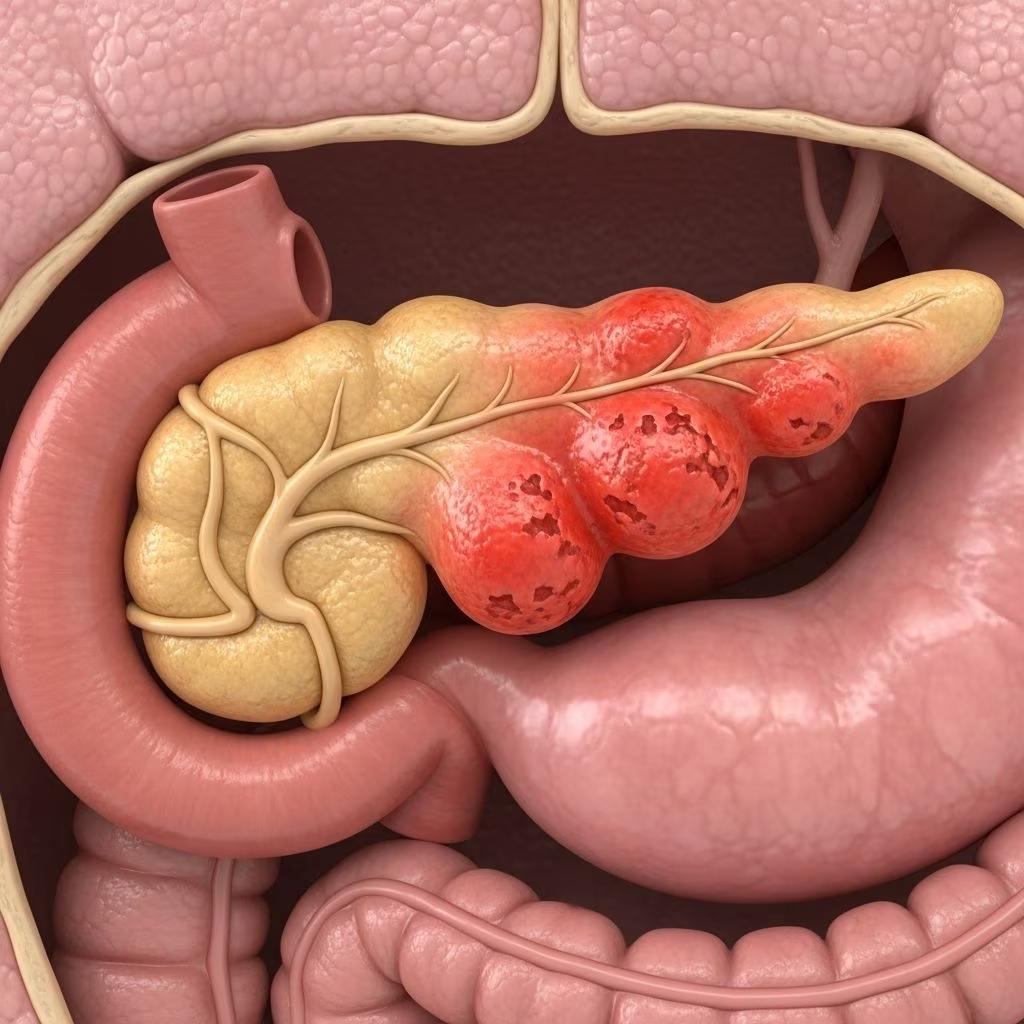
The pancreas plays a vital role in your dog’s overall health, functioning as both an endocrine and exocrine organ. When this essential gland becomes inflamed, it can cause significant discomfort and potentially serious health complications. Pancreatic inflammation in dogs, medically known as pancreatitis, represents one of the more challenging conditions veterinarians encounter in clinical practice. Understanding this condition empowers dog owners to recognize warning signs early and seek appropriate veterinary intervention.
What Happens When the Pancreas Becomes Inflamed
The pancreatic gland produces digestive enzymes responsible for breaking down fats, proteins, and carbohydrates that dogs consume. Under normal circumstances, these powerful enzymes remain inactive until they reach the small intestine, where they perform their intended function. However, when pancreatic inflammation occurs, these enzymes activate prematurely within the pancreas itself. This premature activation triggers a cascade of harmful effects, as the enzymes begin digesting pancreatic tissue and surrounding structures.
The inflammation extends beyond the pancreas alone. Activated enzymes leak into surrounding tissues and the abdominal cavity, causing widespread irritation and damage to neighboring organs. In severe cases, the pancreas may begin auto-digesting, leading to pancreatic necrosis and potentially life-threatening complications. This self-destructive process can compromise multiple organ systems and create dangerous inflammatory responses throughout the body.
Recognizing the Warning Signs in Your Dog
Dogs experiencing pancreatic inflammation typically display a constellation of symptoms that vary in severity depending on whether the condition is acute or chronic. Recognizing these signs allows owners to seek timely veterinary care, which significantly improves outcomes.
Physical manifestations include:
- A characteristic hunched posture, often indicating abdominal discomfort
- Repeated vomiting episodes, ranging from several occurrences within hours to periodic episodes over multiple days
- Visible abdominal distention or obvious discomfort when the belly is touched
- Diarrhea or loose stools
- Diminished or absent appetite
- Signs of dehydration
- General weakness and reduced activity levels
- Elevated body temperature or fever
The severity and combination of symptoms can vary considerably between individual dogs. Some animals display only mild signs, while others present with acute, severe manifestations requiring emergency veterinary intervention. The pain associated with pancreatic inflammation causes dogs to vomit, which subsequently leads to loss of appetite as they anticipate further discomfort.
Identifying Risk Factors and Underlying Causes
While many cases of canine pancreatitis remain idiopathic (without an identifiable cause), numerous risk factors have been identified through veterinary research and clinical observation. Understanding these factors helps owners take preventive measures to protect their dogs.
Dietary factors represent the most commonly recognized triggers. High-fat meals pose the greatest risk, particularly when dogs consume fatty foods in large quantities during a single meal. The day after major holidays featuring rich human foods, veterinary emergency clinics experience dramatic increases in pancreatitis cases. Dogs that scavenge from garbage cans or consume table scraps face elevated risk, as these foods typically contain excessive fat content.
Metabolic and endocrine conditions significantly increase susceptibility. Dogs with hypothyroidism, diabetes mellitus, Cushing’s disease, or elevated triglyceride levels show higher incidence rates of pancreatic inflammation. Obesity itself functions as an independent risk factor, as excess adipose tissue contributes to metabolic dysfunction.
Medications and toxins can trigger pancreatic inflammation in susceptible dogs. Specific pharmaceutical agents known to increase risk include:
- Corticosteroids used for anti-inflammatory purposes
- Anticonvulsant medications such as phenobarbital and potassium bromide
- Cholinesterase inhibitors prescribed for neurological conditions
- Calcium supplements
- Estrogen and certain chemotherapy agents
- Thiazide diuretics and other cardiovascular medications
Physical trauma and surgical procedures can precipitate pancreatic inflammation. Severe blunt force injuries or recent abdominal surgery sometimes result in subsequent pancreatic inflammation, likely due to tissue trauma and inflammatory response activation.
Breed predisposition plays a notable role. Certain breeds including Miniature Schnauzers and Yorkshire Terriers show genetic predisposition toward developing pancreatitis. These breeds warrant extra vigilance regarding dietary management and regular health monitoring.
Diagnostic Approaches and Confirmation
Veterinarians employ multiple diagnostic strategies to confirm suspected pancreatic inflammation. Initial assessment typically begins with a thorough physical examination and detailed history from the owner. Blood work forms the cornerstone of diagnosis, with specific attention paid to pancreatic enzyme levels.
Elevated amylase and lipase enzyme levels suggest pancreatic dysfunction, though these markers alone do not definitively confirm pancreatitis. More specific pancreatic biomarkers and imaging studies may be necessary. Ultrasound examination often reveals pancreatic enlargement, fluid accumulation, or structural changes consistent with inflammation. In severe cases, abdominal radiographs help assess for complications or secondary conditions.
Complete blood chemistry analysis provides crucial information about electrolyte imbalances, organ function, and the degree of systemic involvement. Baseline blood glucose levels help identify concurrent diabetes or metabolic derangements.
Treatment Strategies for Acute Pancreatic Inflammation
Treatment approaches differ substantially based on disease severity. Mild cases require conservative management, while severe presentations demand intensive hospitalization and aggressive interventions.
Mild case management typically involves:
- Pain relief through oral analgesic medications
- Anti-nausea medication to control vomiting and preserve hydration
- Temporary fasting (withholding food and water for 24 hours) to rest the pancreas
- Transition to a low-fat or ultra-low-fat prescription diet
- Close monitoring at home with veterinary follow-up
Severe case management requires hospitalization and intensive supportive care:
- Intravenous fluid therapy to maintain hydration and electrolyte balance, with fluid volumes calculated based on dehydration severity and ongoing losses from vomiting or diarrhea
- Injectable pain medications for adequate analgesia
- Anti-nausea medications administered intravenously
- Antibiotic therapy to prevent or treat secondary bacterial infections
- Appetite stimulant medications when appropriate
- Specialized medications targeting pancreatic inflammation, such as fuzapladib sodium, which prevents ongoing inflammation and reduces risk of multi-organ failure
- Nutritional support through feeding tubes if oral intake remains impossible
- Continuous monitoring for systemic complications and organ involvement
Early intervention proves critical in preventing disease progression. Prompt recognition and aggressive treatment substantially improve recovery rates and reduce mortality risk in severe cases.
Long-Term Management and Prevention Strategies
Following acute pancreatic inflammation, successful long-term management prevents recurrence and maintains pancreatic health. This requires committed dietary management and regular veterinary oversight.
Dietary modifications form the foundation of prevention:
- Transition to and maintain a low-fat or ultra-low-fat prescription diet formulated to support gastrointestinal health
- Divide daily food portions into smaller, more frequent meals rather than single large feedings
- Eliminate all table scraps and human food entirely
- Prevent access to garbage, fatty foods, and food scraps
- Use only low-fat treats approved by the veterinarian
Medical monitoring involves:
- Regular veterinary examinations to assess overall health status
- Periodic blood work checking amylase and lipase enzyme levels
- Weight management through appropriate caloric intake and exercise
- Treatment of underlying endocrine diseases like hypothyroidism or diabetes
- Careful review of all medications with attention to those known to increase pancreatic inflammation risk
Chronic Pancreatic Inflammation: A Different Challenge
Some dogs develop chronic pancreatic inflammation characterized by recurrent or persistent symptoms. This form requires modified treatment approaches beyond those used for acute cases.
Chronic pancreatitis often necessitates long-term immunosuppressive medication therapy to manage ongoing inflammation. Dogs may experience progressive weight loss, chronic lethargy, and intermittent gastrointestinal symptoms. Strict dietary adherence becomes even more critical, as chronic cases show less tolerance for dietary indiscretion.
Management typically involves the same dietary and monitoring strategies as acute recovery, but with emphasis on long-term compliance and early recognition of symptom exacerbation. Dogs with chronic disease benefit from consistent exercise, weight management, and close veterinary supervision.
When to Seek Emergency Veterinary Care
Certain signs warrant immediate emergency veterinary attention. Owners should recognize that pancreatic inflammation can progress rapidly from mild to life-threatening. Seek emergency care if your dog displays:
- Persistent, severe vomiting unresponsive to home care
- Signs of severe abdominal pain including rigidity or extreme reluctance to move
- Collapse, lethargy, or unresponsiveness
- Rapid breathing or signs of shock
- Inability to maintain hydration despite supportive measures
- Fever combined with other symptoms
Early intervention during acute episodes significantly improves prognosis and prevents catastrophic complications.
Prognosis and Recovery Expectations
The outlook for dogs with pancreatic inflammation varies based on severity, underlying causes, and owner compliance with management recommendations. Mild cases generally carry an excellent prognosis with appropriate treatment, and most dogs recover fully with timely veterinary care.
Severe cases require more aggressive intervention and may result in longer hospitalization and recovery periods. Some dogs develop chronic pancreatitis necessitating lifelong dietary restriction and medical management. However, even chronic cases can be managed effectively with dedicated owner involvement and consistent veterinary supervision.
The key to optimal outcomes involves recognizing symptoms early, seeking prompt veterinary evaluation, adhering strictly to recommended dietary and medical protocols, and maintaining regular follow-up care.
Key Takeaways for Dog Owners
Pancreatic inflammation represents a serious but manageable condition when detected and treated appropriately. Owners play a crucial role in prevention through careful dietary management, prevention of access to high-fat foods and garbage, and regular health monitoring. Recognizing early warning signs enables timely veterinary intervention that substantially improves recovery outcomes. Working closely with veterinary professionals to manage underlying health conditions and carefully monitor medications helps minimize risk of pancreatic inflammation development or recurrence.
References
- Pancreatitis in Dogs: Symptoms, Causes and Treatment — American Kennel Club. 2024. https://www.akc.org/expert-advice/health/pancreatitis-in-dogs/
- Pancreatitis in Dogs: How to Spot It and Get It Treated — WebMD. 2024. https://www.webmd.com/pets/dogs/dog-pancreatitis-symptoms-and-treatment
- Pancreatitis in Dogs: Symptoms and Treatment — GoodRx. 2024. https://www.goodrx.com/pet-health/dog/pancreatitis-in-dogs
- Pancreatitis in Dogs: Signs, Causes and Treatment — PetMD. 2024. https://www.petmd.com/dog/conditions/endocrine/pancreatitis-in-dogs
- Pancreatitis in Dogs and Cats – Digestive System — Merck Veterinary Manual. 2024. https://www.merckvetmanual.com/digestive-system/the-exocrine-pancreas/pancreatitis-in-dogs-and-cats
- Pancreatitis in Cats and Dogs: Signs, Diagnosis, and Treatment — MedVet. 2024. https://www.medvet.com/pancreatitis-in-pets/



