

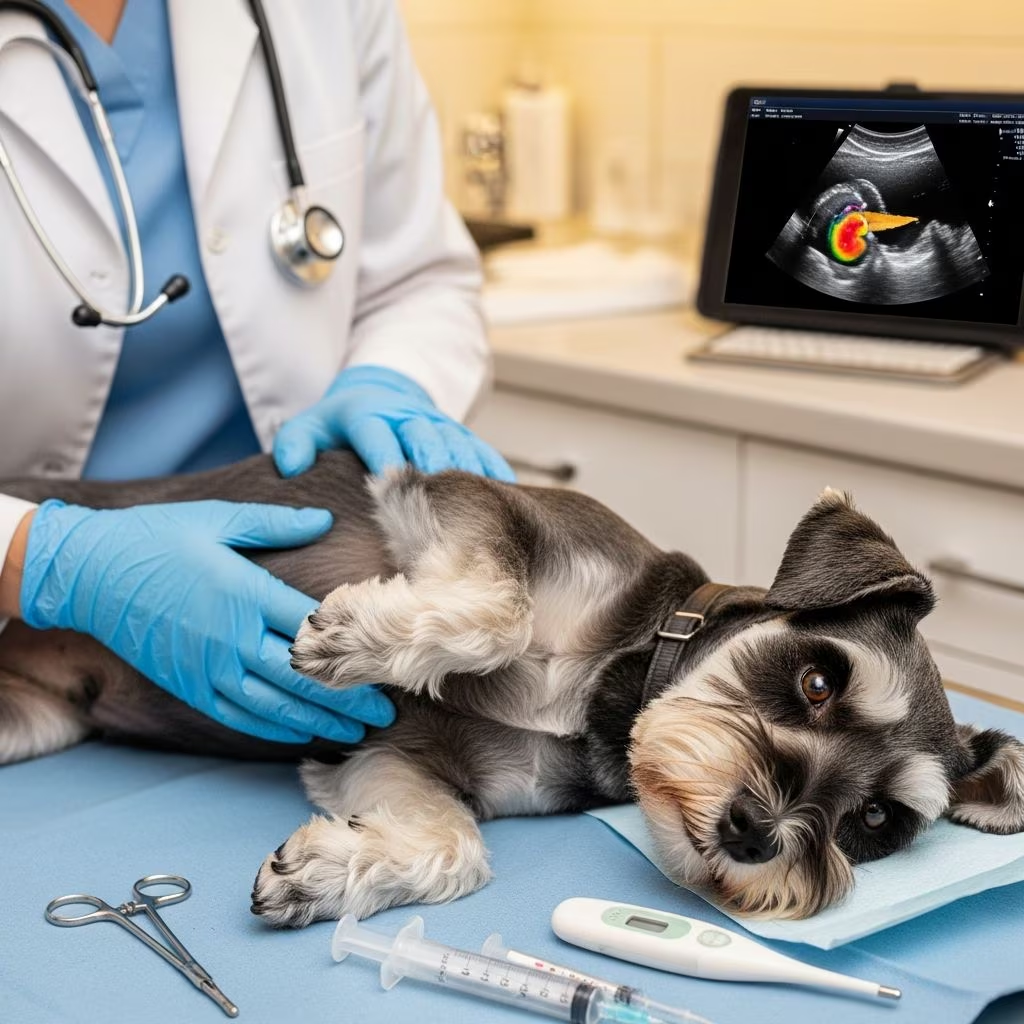
The pancreas plays a vital role in a dog’s digestive and metabolic systems, producing enzymes for food breakdown and hormones like insulin for blood sugar regulation. When this organ becomes inflamed or dysfunctional, it can lead to serious health complications. This article delves into the most prevalent pancreatic conditions in dogs, focusing primarily on pancreatitis while touching on related issues like exocrine pancreatic insufficiency (EPI) and diabetes mellitus connections.
Understanding the Canine Pancreas
The pancreas is a slender organ located near the stomach and duodenum, divided into exocrine and endocrine sections. The exocrine portion secretes digestive enzymes such as amylase, lipase, and proteases into the small intestine to aid in nutrient absorption. The endocrine part releases insulin and glucagon directly into the bloodstream to manage glucose levels. Disruptions in either function can manifest as acute or chronic disorders, often requiring prompt veterinary intervention.
Primary Symptoms to Watch For
Recognizing early signs of pancreatic distress is crucial for effective management. Dogs with pancreatic issues commonly exhibit:
- Vomiting, sometimes repeated and severe
- Diarrhea, often greasy or foul-smelling
- Abdominal pain, shown by hunching, reluctance to move, or a ‘prayer’ position with front legs extended and rear end elevated
- Lethargy and weakness
- Loss of appetite and dehydration
- Fever in acute cases
These symptoms can vary in intensity; mild cases might present as subtle listlessness, while severe ones demand immediate care to prevent organ failure.
Common Triggers and Risk Factors
Several factors contribute to pancreatic inflammation in dogs. High-fat meals are the leading culprit, particularly after holidays or when dogs scavenge table scraps. Obesity, endocrine disorders like hypothyroidism or Cushing’s disease, and trauma from accidents or surgery heighten susceptibility. Certain medications, including anticonvulsants (phenobarbital, potassium bromide), chemotherapy agents, and corticosteroids, can also provoke episodes. Breeds such as Miniature Schnauzers, Yorkshire Terriers, and Poodles appear genetically predisposed.
Diagnosing Pancreatic Problems
Veterinarians rely on a combination of clinical history, physical exams, and diagnostics. Blood tests measure elevated pancreatic enzymes like lipase and amylase, often using specific assays like canine pancreatic lipase immunoreactivity (cPLI). Ultrasound imaging reveals pancreatic swelling or structural changes, while radiographs rule out other abdominal issues. In chronic cases, fecal tests assess enzyme levels for EPI.
Treatment Approaches for Acute Pancreatitis
Treatment prioritizes supportive care to rest the pancreas and stabilize the dog. Key components include:
- IV Fluids: Essential for correcting dehydration and electrolyte imbalances, especially in hospitalized patients.
- Pain Management: Analgesics to alleviate discomfort without stressing the organ.
- Anti-Nausea Drugs: Medications like maropitant (Cerenia) or ondansetron to control vomiting.
- Nutritional Support: Initial fasting followed by gradual introduction of low-fat, highly digestible diets.
For rapid-onset cases, innovative therapies like fuzapladib sodium (Panoquell-CA1) target inflammation by inhibiting neutrophil activity, administered via IV for three days alongside standard care.
Managing Chronic Pancreatitis
Recurrent or ongoing inflammation requires long-term strategies. Dogs benefit from prescription ultra-low-fat diets fed in small, frequent meals to minimize pancreatic workload. Regular monitoring via bloodwork tracks enzyme levels and overall health. In some instances, immunosuppressants or appetite stimulants like mirtazapine support recovery. Lifestyle adjustments, such as weight control and avoiding fatty treats, are paramount.
Treatment Comparison Table
| Severity | Primary Interventions | Duration | Prognosis |
|---|---|---|---|
| Mild | Outpatient meds, diet change | Days to weeks | Excellent with compliance |
| Severe/Acute | Hospitalization, IV fluids, Panoquell | 3-7 days inpatient | Good if treated early |
| Chronic | Lifelong low-fat diet, monitoring | Ongoing | Manageable |
Exocrine Pancreatic Insufficiency (EPI)
EPI occurs when the pancreas fails to produce sufficient digestive enzymes, leading to maldigestion and weight loss despite normal appetite. Symptoms include voluminous, pale feces and nutrient deficiencies. Diagnosis involves trypsin-like immunoreactivity (TLI) tests. Treatment centers on enzyme replacement powders sprinkled on meals, plus vitamin B12 injections and low-fat diets for optimal results.
Links to Endocrine Disorders
Pancreatic inflammation can impair insulin production, contributing to diabetes mellitus. Concurrent conditions like hypothyroidism exacerbate risks. Owners should monitor for polydipsia, polyuria, and unexplained weight changes, prompting endocrine evaluations.
Prevention Strategies for Optimal Pancreatic Health
Proactive measures significantly reduce incidence:
- Maintain ideal body weight through balanced exercise and feeding.
- Stick to vet-recommended low-fat kibble; avoid human foods, especially post-holiday excesses.
- Regular wellness checks for at-risk breeds or those on predisposing meds.
- Promptly address scavenging or dietary indiscretions.
Table scraps should be off-limits, as even small amounts of fat can trigger flares.
Prognosis and Long-Term Outlook
With early intervention, most dogs recover fully from acute bouts, though chronic cases demand vigilant management to prevent relapses. Severe, untreated pancreatitis carries risks of multi-organ failure, emphasizing urgency. Owners report high quality of life post-treatment when adhering to dietary protocols.
Frequently Asked Questions (FAQs)
What should I do if my dog shows signs of pancreatitis?
Contact your vet immediately. Do not feed anything and monitor for worsening symptoms like persistent vomiting.
Can pancreatitis be fatal in dogs?
Yes, severe cases can lead to complications like shock or disseminated intravascular coagulation, but timely care improves survival rates dramatically.
Is a low-fat diet sufficient for prevention?
It helps greatly, but combine with weight management and avoiding triggers for best results.
How long does recovery take?
Mild cases: 48-72 hours; severe: up to two weeks with hospitalization.
Are certain breeds more at risk?
Yes, small breeds like Schnauzers and toy breeds are predisposed due to genetics and fat metabolism.
Emerging Therapies and Research
Recent advancements include targeted anti-inflammatory drugs like Panoquell, showing faster recovery in trials. Ongoing studies explore genetic markers for early detection and novel enzyme supplements for EPI. Stay informed through reputable veterinary sources for updates.
In summary, pancreatic disorders, led by pancreatitis, pose significant but manageable threats to canine health. Awareness of symptoms, swift action, and preventive habits empower owners to safeguard their pets’ well-being.
References
- Pancreatitis in Dogs: How to Spot It and Get It Treated — WebMD. 2023. https://www.webmd.com/pets/dogs/dog-pancreatitis-symptoms-and-treatment
- Pancreatitis in Dogs: Signs, Causes and Treatment — PetMD. 2024. https://www.petmd.com/dog/conditions/endocrine/pancreatitis-in-dogs
- Pancreatitis in Dogs: Symptoms, Causes and Treatment — American Kennel Club (AKC). 2023. https://www.akc.org/expert-advice/health/pancreatitis-in-dogs/
- Pancreatitis in Dogs — VCA Animal Hospitals. 2024. https://vcahospitals.com/know-your-pet/pancreatitis-in-dogs
- Pancreatitis in Dogs: Symptoms and Treatment — GoodRx. 2024. https://www.goodrx.com/pet-health/dog/pancreatitis-in-dogs
- Pancreatitis in Dogs: Symptoms, Causes, Treatment — ToeGrips. 2024. https://toegrips.com/pancreatitis-dogs-symptoms-treatment/



