

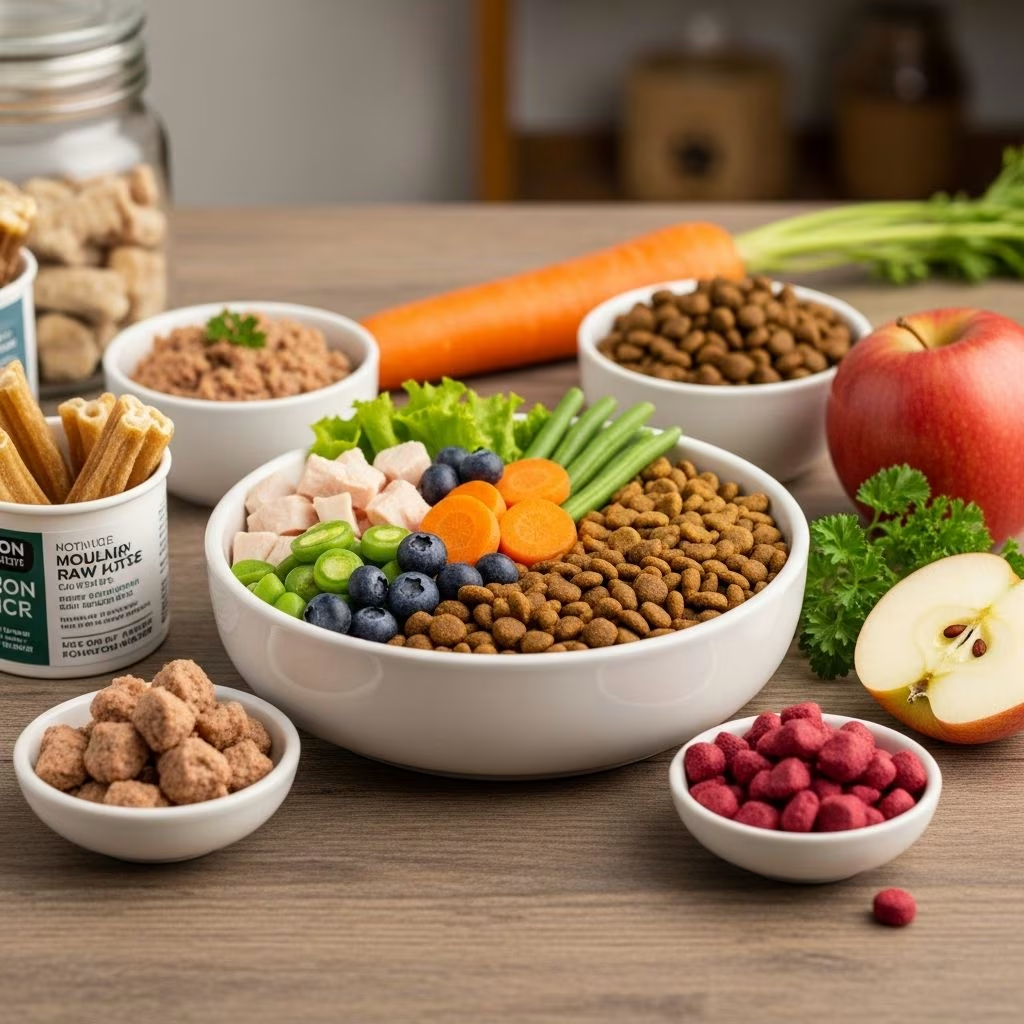
When it comes to feeding our canine companions, many pet owners wonder whether their dogs have taste preferences similar to humans or if they simply eat whatever is placed in front of them. The reality is far more nuanced. Dogs do experience taste, though their sensory perception differs significantly from ours, and this understanding becomes crucial when selecting appropriate nutrition for your furry friend. Beyond taste perception, the variety of food formats available today offers pet owners multiple ways to provide balanced, nutritious meals tailored to their dog’s specific needs and lifestyle.
How Dogs Experience Taste: The Canine Sensory Experience
Dogs possess taste buds, but their taste perception operates quite differently from human taste sensitivity. While humans have approximately 9,000 taste buds distributed across our tongue, dogs have roughly 1,700 taste buds. This significant difference means that dogs cannot detect subtle flavor nuances the way we do. However, this does not mean that taste is unimportant to canine nutrition and feeding practices.
The primary taste preferences in dogs center around a few key sensations: sweetness, saltiness, sourness, and bitterness. Interestingly, dogs show a natural preference for sweet and salty flavors, which may explain why many commercial dog foods incorporate these taste elements. Additionally, the texture, temperature, and aroma of food play equally important roles in how dogs perceive and respond to meals. The olfactory system, which detects smell, is exponentially more powerful in dogs than in humans—dogs have up to 300 million olfactory receptors compared to approximately 6 million in humans. This heightened sense of smell often influences food preferences more significantly than taste alone.
The combination of taste buds and olfactory receptors creates a unique sensory experience for dogs. When a dog approaches a food bowl, the aroma reaches their nose before the food even touches their tongue. This initial olfactory assessment often determines whether a dog will eagerly consume the meal or approach it cautiously. Pet owners should recognize that apparent pickiness in eating habits may relate more to how food smells than to its actual taste profile.
Factors Influencing Individual Food Preferences
Beyond basic taste perception, several factors shape how individual dogs respond to different foods. Age represents a significant variable, as puppies, adult dogs, and senior dogs have varying nutritional requirements and sensory capabilities. Puppies, with developing digestive systems and higher caloric needs, may show different food preferences than mature adults.
Health status also plays a critical role. Dogs recovering from illness, experiencing digestive upset, or managing chronic conditions may require specially formulated diets. Some dogs develop food sensitivities or allergies that limit their options to specific protein sources or formulations. Genetics influences food preferences as well—certain breeds have been selectively bred to thrive on specific types of diets, though individual variation within breeds remains substantial.
Learned preferences develop early in a dog’s life. Puppies exposed to diverse food textures and flavors during their critical early weeks tend to accept a wider variety of foods throughout life. Conversely, dogs fed the same food consistently from puppyhood may resist dietary changes, even when nutritional improvement is possible.
Environmental factors, stress levels, and even the presence of other pets during feeding can influence how much a dog enjoys and consumes their food. Some dogs eat more enthusiastically when competing with littermates or other household pets, while others eat better in quiet, solitary settings. Understanding these individual preferences helps owners select not only nutritionally appropriate foods but also formats and feeding strategies that encourage optimal consumption.
The Complete Spectrum of Dog Food Formats
Modern pet nutrition offers several distinct food formats, each with unique characteristics, advantages, and considerations. Understanding these options allows pet owners to make informed decisions aligned with their dog’s nutritional needs and lifestyle.
Dry Kibble: Convenience and Practicality
Dry kibble represents the most widely purchased dog food format, accounting for the majority of commercial pet food sales. These bite-sized pieces are created through an extrusion process that combines ingredients, heats them, and then cuts them into uniform shapes. Kibble typically contains between 10-12 percent moisture, requiring the addition of water for proper hydration during digestion.
The advantages of dry kibble are substantial. It offers exceptional convenience for busy pet owners—storage is straightforward, serving portions are easy to measure, and the food remains fresh after opening for extended periods. Additionally, the mechanical action of chewing dry kibble provides mild abrasive benefits for dental health, potentially reducing tartar buildup. From an economic perspective, dry kibble generally offers the most cost-effective nutrition per calorie compared to other formats.
Nutritional formulations in dry kibble vary widely, allowing owners to select options appropriate for their dog’s life stage, activity level, and health status. Premium quality kibbles typically contain 18-30 percent protein, meeting or exceeding minimum nutritional standards while supporting muscle maintenance and overall health. High-quality formulas prioritize whole meat proteins and beneficial carbohydrate sources like whole grains or vegetables.
Canned and Wet Foods: Moisture and Palatability
Canned dog foods contain significantly higher moisture content, typically ranging from 70-85 percent. This substantial water content makes these products more aromatic and flavorful, often resulting in enhanced palatability for dogs who are selective eaters or those with dental issues that make chewing difficult.
The benefits of wet foods extend beyond mere palatability. The high moisture content supports adequate hydration, particularly beneficial for dogs with kidney disease or those who do not drink sufficient water independently. Wet foods are often recommended during recovery from illness or surgery, as the soft texture requires minimal chewing effort while providing concentrated nutrition in easily consumed portions.
However, wet foods present storage challenges once opened—contents must be refrigerated and typically used within 2-3 days to prevent spoilage. The cost per serving substantially exceeds that of equivalent dry kibble. Additionally, the softer texture provides no mechanical cleaning benefits for teeth. Despite these considerations, many owners find the nutritional and palatability benefits justify the additional expense for at least a portion of their dog’s diet.
Semi-Moist Foods: Middle Ground Options
Semi-moist dog foods represent a middle ground between dry kibble and fully canned products, typically containing 25-35 percent moisture. These formulations are often shaped into burger-like patties or chunks, presenting an appealing texture that many dogs find satisfying to eat.
Semi-moist options offer moderate convenience and generally higher palatability than dry kibble without the complete inconvenience of fully canned foods. However, they require careful storage in airtight containers to prevent drying out and may contain higher levels of preservatives or humectants—substances that retain moisture—compared to other formats. These foods occupy a smaller market share, with many pet owners choosing either the economy and convenience of kibble or the therapeutic benefits of canned foods.
Home-Cooked Diets: Customization and Challenges
An increasing number of pet owners prepare home-cooked meals for their dogs, attracted by the ability to control ingredients and customize nutrition. Home-cooked diets offer opportunities to incorporate fresh, whole ingredients and eliminate additives or preservatives found in commercial foods.
However, formulating nutritionally complete home-cooked diets requires substantial knowledge and careful planning. Dogs require specific ratios of protein, fats, carbohydrates, vitamins, and minerals to maintain optimal health. Improperly balanced home-cooked diets can lead to serious nutritional deficiencies or excesses. Veterinary nutritionists strongly recommend that owners consulting with board-certified veterinary nutritionists when implementing home-cooked feeding protocols to ensure all nutritional requirements are met.
Raw and Minimally Processed Options
Raw feeding—providing uncooked meat, organs, and sometimes vegetables—has gained popularity among some pet owners. Proponents argue that raw diets more closely resemble ancestral canine nutrition and may offer benefits for coat quality, energy levels, and dental health.
Raw feeding presents significant food safety considerations that require careful attention. Raw meats carry potential contamination risks including bacteria like E. coli and Salmonella, which can affect both the dog and human family members handling the food. Additionally, achieving nutritional balance in raw diets requires careful ingredient selection and often supplementation. Pet owners considering raw feeding should thoroughly research proper protocols and consult with their veterinarians regarding safety and nutritional adequacy.
Meeting Essential Nutritional Requirements Across Food Types
Regardless of format, all dog foods must provide essential nutrients supporting canine health. Protein stands as the most critical nutrient, with adult dogs requiring a minimum of 18 percent protein on a dry matter basis, while puppies and pregnant females require at least 22.5 percent. Protein provides amino acids that dogs cannot synthesize independently, making dietary protein essential for muscle development, tissue repair, and numerous metabolic functions.
Fats serve as the primary concentrated energy source in canine diets, with adult dogs requiring minimum fat levels of 5.5 percent, increasing to 8.5 percent for puppies and pregnant dogs. Beyond energy provision, fats supply essential fatty acids including linoleic acid and omega-3 fatty acids critical for skin and coat health, immune function, and cellular integrity.
Carbohydrates, while not strictly essential for dogs, provide valuable energy and beneficial fiber. Growing dogs and active dogs benefit from diets containing at least 20 percent carbohydrates. Quality carbohydrate sources—whole grains, vegetables, and legumes—supply minerals, fiber, antioxidants, and other phytochemicals supporting digestive health and overall wellness.
Vitamins and minerals round out nutritional requirements, supporting bone development, immune function, nerve transmission, and numerous enzymatic processes. Critical vitamins include A, D, E, K, and B-complex vitamins, while essential minerals include calcium and phosphorus.
Evaluating Food Quality and Selection Criteria
With numerous dog food options available, pet owners benefit from understanding how to evaluate quality and appropriateness. Reading ingredient lists carefully provides important information—quality foods list whole meat sources or identifiable meat meals near the top of the ingredient list. Ingredients are listed by weight, so the first ingredients constitute the largest portions of the formula.
Pet owners should look for foods formulated to meet AAFCO (Association of American Feed Control Officials) standards, which establish minimum nutritional guidelines for pet foods. Additionally, consulting with veterinarians or board-certified veterinary nutritionists helps identify foods appropriate for individual dogs’ life stages, health conditions, and activity levels.
Individual dogs may thrive on different food types. Some dogs flourish on premium kibble, while others benefit from mixed feeding strategies combining kibble with canned or home-cooked supplements. Many veterinarians recommend that table food additions constitute no more than 20-25 percent of total daily calories, with the remainder coming from complete commercial dog foods, ensuring balanced nutrition while allowing for variety and fresh ingredients.
Frequently Asked Questions About Canine Taste and Food Selection
Can dogs taste sweetness like humans do?
Dogs can detect sweet flavors, and many show preference for naturally sweet foods. However, their taste perception differs significantly from humans due to having fewer taste buds. Additionally, research suggests dogs may experience sweetness differently than humans, responding more to the energy content associated with sweet foods rather than pure taste sensation.
Why does my dog prefer one food over another?
Dogs’ food preferences result from multiple factors including smell, texture, temperature, learned preferences from early experiences, and individual sensory sensitivity. Aroma often plays the dominant role, as the canine sense of smell is exponentially more sensitive than taste perception.
Is it healthy to switch between different food formats?
Dogs can thrive on varied food formats as long as nutritional requirements are consistently met. Many veterinarians support mixed feeding strategies combining dry kibble with canned foods or fresh ingredients. However, dietary transitions should occur gradually over 7-10 days to prevent digestive upset.
Should puppies eat different food than adult dogs?
Yes, puppies require different nutritional profiles than adults. Puppies need higher protein concentrations (minimum 22.5 percent) to support growth and development, compared to adult requirements of 18 percent. Additionally, puppies benefit from carefully balanced calcium and phosphorus ratios supporting proper bone development.
Conclusion: Personalized Nutrition for Optimal Canine Health
Understanding canine taste perception and the available food format options empowers pet owners to make informed decisions supporting their dogs’ nutritional needs and overall wellness. While dogs experience taste differently than humans, their sensory experiences—particularly olfactory perception—meaningfully influence food acceptance and consumption. The variety of available food formats allows customization to individual preferences, health requirements, and lifestyle considerations. By selecting nutritionally complete foods, consulting with veterinarians when implementing dietary changes, and remaining attentive to individual responses, pet owners can establish feeding practices supporting lifelong canine health and vitality.
References
- Dog Nutrition: Guide to Dog Food Nutrients — PetMD. https://www.petmd.com/dog/nutrition/evr_dg_whats_in_a_balanced_dog_food
- Dog Nutrition & Diet Guide: Healthy Foods vs. What to Avoid — Barkbus. https://www.barkbus.com/blog/what-to-feed-your-dog
- Dog Nutrition: Choosing The Right Dog Food — Valley West Veterinary Clinic. https://www.valleywestvets.com/services/dogs/dog-nutrition
- What’s Really in Your Dog’s Food? — Consumer Reports. https://www.consumerreports.org/health/pet-food/whats-really-in-your-dogs-food-a1115304393/
- Nutrient Requirements of Dogs and Cats — National Research Council. 2006. https://nap.nationalacademies.org/catalog/10675/nutrient-requirements-of-dogs-and-cats
- Selecting the Right Pet Food — AAFCO (Association of American Feed Control Officials). https://www.aafco.org/consumers/understanding-pet-food/selecting-the-right-pet-food/
- Decoding Pet Food Labels: Choosing the Best Nutrition for Dogs — The Animal Hospital. https://www.theanimalhospital.net/how-to-choose-the-right-nutrition-for-your-dog-or-cat/



