

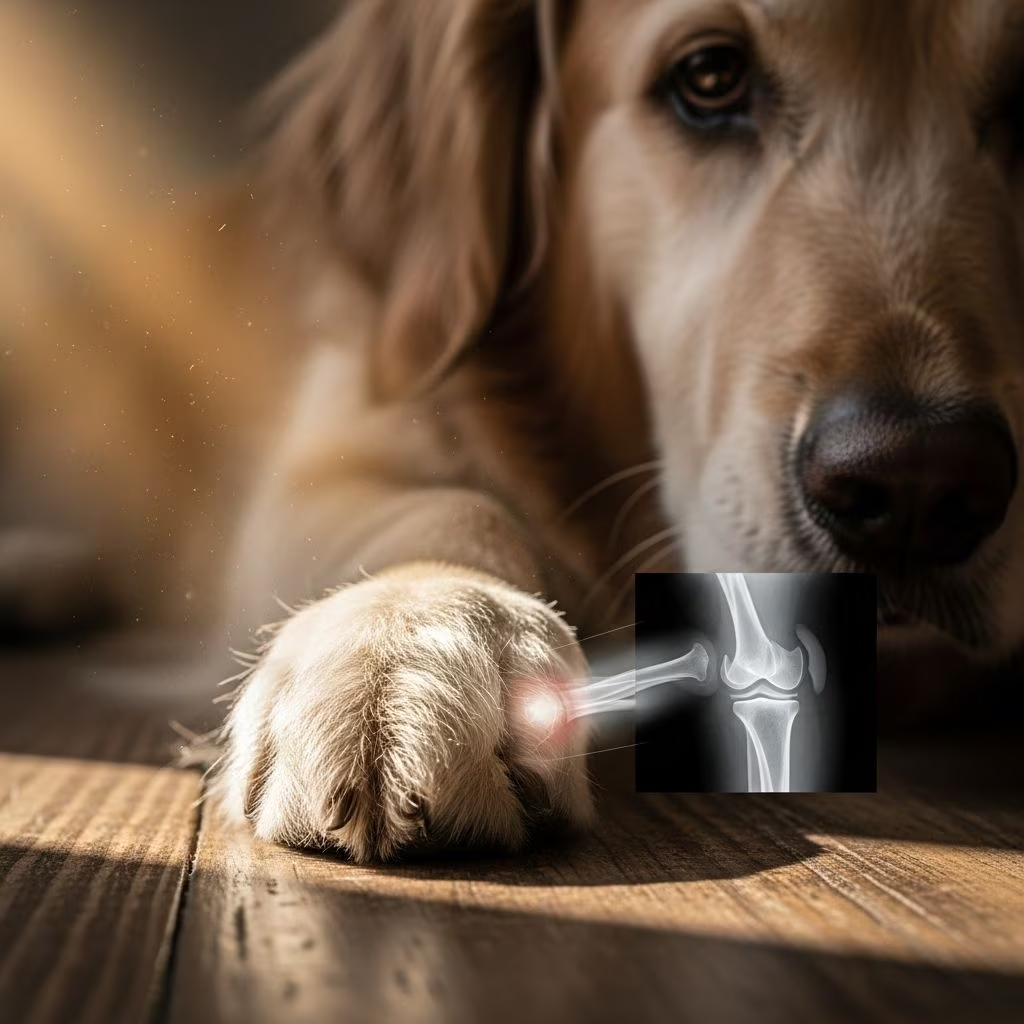
Osteoarthritis, a progressive joint disorder common in dogs, involves cartilage breakdown, inflammation, and bone changes that lead to pain and reduced mobility. Affecting up to 20% of adult dogs, it requires proactive management through veterinary care, lifestyle adjustments, and targeted therapies.
Understanding Joint Degeneration in Dogs
Joints enable smooth movement via cartilage cushioning bones, synovial fluid lubrication, and supportive ligaments. In osteoarthritis (OA), cartilage thins, fluid accumulates, and bony spurs form, causing stiffness and discomfort. Unlike acute injuries, OA develops gradually, often starting young in predisposed dogs.
This condition impacts quality of life, limiting play and walks. Early intervention preserves function, emphasizing owner vigilance for subtle changes.
Risk Factors and Predisposed Breeds
Large and giant breeds face higher risks due to joint stress from rapid growth and weight. Common examples include:
- German Shepherds
- Rottweilers
- Great Danes
- Golden Retrievers
- Newfoundlands
- Saint Bernards
Obesity exacerbates OA by overloading joints, while working dogs endure repetitive strain. Age, prior injuries, and genetics also contribute, making any dog susceptible.
Recognizing Early Warning Signs
Symptoms emerge subtly, often dismissed as aging. Key indicators include:
- Hesitation to jump, climb stairs, or rise
- Limping or favoring limbs
- Stiffness after rest or in cold weather
- Reduced enthusiasm for play or walks
- Behavioral shifts like irritability
- Excessive licking or chewing joints
Gait alterations, such as shortened strides or bunny-hopping, signal progression. Monitor energy and posture closely.
Comprehensive Veterinary Diagnosis
Diagnosis combines owner input, physical exams, and imaging. Vets assess:
- History of symptoms and risks
- Gait observation and joint palpation for swelling or pain
- Range of motion tests
- X-rays revealing bone spurs, narrowed spaces, or fluid buildup
Tools like the Canine OsteoArthritis Staging Tool (COAST) standardize staging via owner questionnaires, orthopedic exams, and radiographs, guiding tailored plans.
Core Pillars of Effective Management
Treatment rests on four interdependent pillars: analgesia, weight control, nutrition, and exercise. These reduce pain, enabling activity that further alleviates symptoms.
Pain Relief Medications
Non-steroidal anti-inflammatory drugs (NSAIDs) are first-line, reducing inflammation, fever, and pain effectively. Veterinary-specific formulations ensure safety. Multimodal approaches may include adjuncts for chronic cases.
Weight and Nutrition Optimization
Excess weight intensifies joint load; lean body condition eases symptoms dramatically. Select diets rich in lean proteins, omega-3s, fruits, vegetables, and joint-support nutrients like glucosamine and chondroitin. Avoid table scraps; ensure hydration.
| Nutrient | Benefit for OA | Sources |
|---|---|---|
| Omega-3 Fatty Acids | Anti-inflammatory | Fish oil, salmon |
| Glucosamine | Cartilage support | Supplements, shellfish |
| Antioxidants | Reduce oxidative stress | Berries, veggies |
| Lean Proteins | Muscle maintenance | Chicken, turkey |
Exercise Modifications
Consistent, low-impact activity strengthens muscles, aiding joint stability without overload. Strategies include:
- Multiple short walks on soft surfaces over long ones
- Swimming or underwater treadmills
- Warm-ups before play
- Avoiding jumps and roughhousing
Monitor tolerance; adjust based on response.
Advanced and Complementary Therapies
Beyond basics, options enhance outcomes:
- Physiotherapy: Stretching, massage, and hydrotherapy improve mobility.
- Supplements: Dog-specific joint formulas with MSM, hyaluronic acid.
- Physical Medicine: Acupuncture, laser therapy, chiropractic, regenerative injections.
- Home Adaptations: Orthopedic beds, ramps, non-slip floors, warmth.
COAST guidelines tailor these by stage, from prevention to advanced care.
Prevention Strategies for Lifelong Joint Health
Proactive steps mitigate risks:
- Maintain ideal weight from puppyhood
- Provide balanced growth diets for large breeds
- Regular vet screenings for at-risk dogs
- Controlled exercise avoiding extremes
- Prompt injury treatment
These foster resilience, delaying onset.
Daily Care Tips for Affected Dogs
Enhance comfort with:
- Ramps for cars/stairs
- Memory foam bedding
- Indoor living, avoiding damp cold
- Gentle massages
- Consistent routines
Track progress in a journal for vet visits.
Frequently Asked Questions
How common is osteoarthritis in dogs?
Up to 20% of adult dogs are affected, rising with age.
Can diet alone manage OA?
Diet supports but pairs with exercise and meds for best results.
Is surgery ever needed?
For severe cases like hip dysplasia, yes; consult vets.
What if my dog resists exercise?
Start slow with pain control; use hydrotherapy.
Are human supplements safe?
No; use vet-formulated dog products.
Monitoring Progress and Long-Term Outlook
Regular re-evaluations adjust plans. With management, many dogs maintain active lives. Owner commitment transforms prognosis.
References
- Osteoarthritis in dogs: a comprehensive guide — Pooch and Mutt. 2023. https://www.poochandmutt.co.uk/blogs/health/osteoarthritis-in-dogs-a-comprehensive-guide
- COAST Development Group’s international consensus guidelines — Frontiers in Veterinary Science. 2023-03-23. https://www.frontiersin.org/journals/veterinary-science/articles/10.3389/fvets.2023.1137888/full
- Getting ahead of osteoarthritis in pets — AVMA. 2021-01-01. https://www.avma.org/javma-news/2021-01-01/getting-ahead-osteoarthritis-pets
- Understanding and Managing Osteoarthritis in Senior Dogs and Cats — Southwind Pets. 2024. https://southwindpets.com/canine-guides/understanding-and-managing-osteoarthritis-in-senior-dogs-and-cats/
- Helping Your Dog with Osteoarthritis — VCA Animal Hospitals. 2024. https://vcahospitals.com/know-your-pet/helping-your-dog-with-osteoarthritis
- Arthritis Management and Prevention — Colorado State University Veterinary Teaching Hospital. 2024. https://vetmedbiosci.colostate.edu/vth/services/orthopedic-medicine/arthritis-management-and-prevention/
- Managing Your Pet’s Osteoarthritis: A Vet’s Guide — Assisi (Zomedica). 2024. https://assisi.zomedica.com/managing-your-pets-osteoarthritis-a-vets-guide-to-cutting-edge-treatments/



