

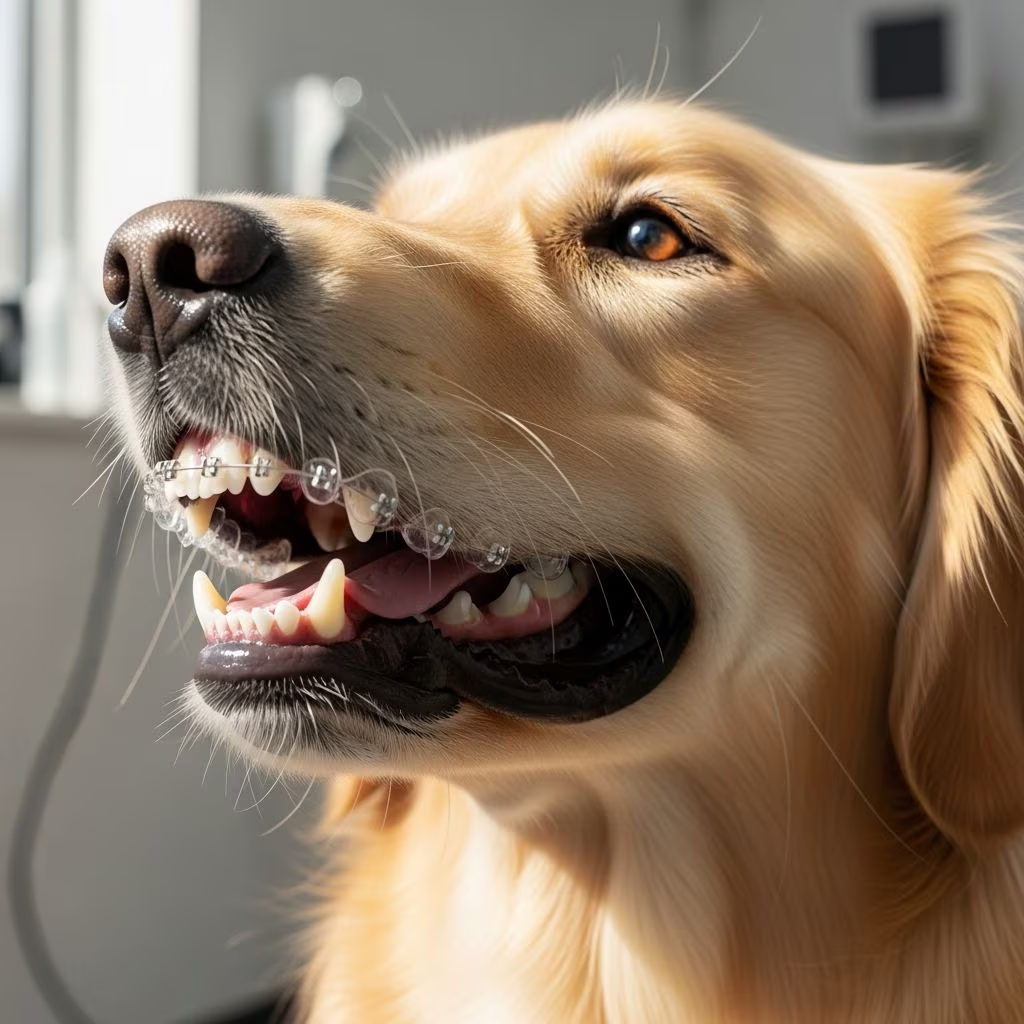
Canine orthodontics addresses malocclusions—misaligned bites—in dogs, using treatments like braces, inclined planes, and extractions to prevent dental trauma, pain, and periodontal disease. These interventions ensure functional occlusion, allowing dogs to chew comfortably and maintain oral health.
What Is Canine Orthodontics?
Canine orthodontics involves repositioning malpositioned teeth in dogs to achieve a healthy, functional bite. Unlike human orthodontics focused on aesthetics, veterinary orthodontics prioritizes function to prevent trauma from teeth piercing soft tissues, such as the palate or gums. Common issues include mesioverted maxillary canines (lancing teeth) and linguoverted mandibular canines, which narrow spaces and cause injuries.
Treatments apply controlled forces via appliances like masal chains (dog braces), inclined planes, or balls to tip teeth into proper positions. Procedures are most effective in young dogs during permanent tooth eruption, leveraging bone remodeling.
Common Malocclusions in Dogs
Dogs experience various malocclusions classified by occlusion type:
- Class I: Normal bite with individual tooth malpositions, like linguoversion of mandibular canines (base narrow), common and responsive to early intervention.
- Class II: Mandibular brachygnathism (short lower jaw), complicating corrections due to limited space.
- Class III: Mandibular prognathism (protruding lower jaw), rarer in dogs.
Traumatic malpositions include mesioverted maxillary canines in breeds like Shetland Sheepdogs, narrowing diastemas and forcing mandibular canines lingually. Early detection via oral exams prevents secondary issues like gingivitis and attachment loss.
Why Treat Malocclusions in Dogs?
Untreated malocclusions cause chronic pain, tissue trauma, and periodontal disease. Linguoverted mandibular canines puncture the palate, while lancing canines impinge on opposing teeth. Proper occlusion supports chewing, reduces plaque buildup, and preserves dentition.
Breeds prone to issues include Shetland Sheepdogs (lancing canines), brachycephalics (overbites), and toy breeds (crowding). Interceptive orthodontics during puppyhood yields high success rates, avoiding extractions. Owners benefit from counseling on breeding/showing implications, as corrected dogs may be disqualified.
Diagnosis of Dental Malocclusions
Veterinary dentists perform comprehensive exams:
- Static Occlusal Analysis: Checks tooth contacts in intercuspation, identifying premature contacts.
- Dynamic Evaluation: Assesses jaw movements for interferences.
- Imaging: Dental X-rays reveal root positions and bone health.
- Periodontal Probing: Measures attachment loss from trauma.
Anesthesia enables detailed palpation and charting. Accurate classification guides treatment, with Class I cases showing 100% success from early deciduous extractions versus 27% in Class II.
Treatment Options for Canine Malocclusions
Treatments range from conservative to surgical, selected by severity, age, and occlusion class.
Interceptive Orthodontics
Extract deciduous mandibular canines to guide permanent eruption, ideal pre-eruption. Success: 100% in Class I.
Ball Therapy
Non-invasive for mild linguoversion: Dogs chew lacrosse balls 15 minutes, 3x daily, applying outward pressure. Compliance-dependent, effective young patients.
Dog Braces and Masal Chains
Masal chains (braces) correct mesioverted maxillary canines. Brackets on premolars/molars anchor elastic chains tipping canines distally, widening diastemas. Treatment: 4-6 weeks, weekly adjustments. Common in Shelties; self-retaining via canine interlock post-treatment.
Inclined Planes
Acrylic/metal ramps direct mandibular canines labially. Fabricated in-mouth or lab-cemented; correction in 2-4 weeks. Example: Poodle with palatal trauma fixed in 2 weeks.
Gingival Wedges and Gingivectomy
Remove maxillary tissue between I3 and C to create space for mild cases. Simple, single anesthesia.
Crown Reduction with Vital Pulp Therapy
Reduces crown height, caps pulp; >90% success. For unmovable teeth in Class II.
Strategic Extractions
Remove problematic teeth (prefer canines over incisors for function). Resolves trauma immediately.
Camouflage Orthodontics
For mild Class II/III: Tips incisors (maxillary rostrally, mandibular caudally). Advanced: Expansion devices with elastics.
| Treatment | Best For | Duration | Success Rate |
|---|---|---|---|
| Ball Therapy | Mild linguoversion | Weeks-Months | Variable (compliance-based) |
| Masal Chains/Braces | Mesioverted max canines | 4-6 weeks | High in young dogs |
| Inclined Planes | Linguoverted mand canines | 2-4 weeks | High |
| Crown Reduction | Unmovable teeth | One procedure | >90% |
| Extractions | Severe/Adult cases | Immediate | Functional resolution |
Do Dog Braces Work?
Yes, dog braces (masal chains, buttons/elastics) effectively reposition teeth by tipping forces, unlike human braces needing retainers. Anchorage from carnassial/molar units moves large-rooted canines. Not for cosmetics; AVDC specialists perform for function.
Risks and Aftercare
Risks: Appliance breakage, gingival irritation, non-compliance. Aftercare: Daily brushing, soft diets, frequent check-ups (weekly). Hygiene prevents plaque; most self-retain. Complications rare with specialists.
When to See a Veterinary Dentist
Consult if puppy chews one-sided, drops food, shows oral bleeding, or has visible trauma. Early intervention (4-7 months) best. Refer to AVDC diplomates for appliances. General vets handle extractions/balls.
Cost of Canine Orthodontics
Varies: $500-$2000+ per quadrant. Factors: Appliance complexity, visits, anesthesia. Extractions cheapest; braces/inclined planes higher. Pet insurance may cover.
Breeds Prone to Malocclusions
- Shetland Sheepdogs: Lancing canines.
- Brachycephalics (Bulldogs, Pugs): Skeletal malocclusions.
- Toy breeds: Crowding.
- Large breeds: Mandibular canine linguoversion.
Frequently Asked Questions (FAQs)
Can dogs get braces?
Yes, veterinary braces like masal chains correct traumatic malpositions in young dogs, typically 4-6 weeks.
At what age can orthodontics start?
Interceptive at deciduous stage (3-6 months); permanent corrections post-eruption (6-12 months).
Is orthodontics painful for dogs?
Mild discomfort initially; managed with soft food. Less invasive than extractions.
Do dogs need retainers after braces?
Usually no; canine interlock self-retains.
Can orthodontics fix adult dog bites?
Limited; extractions/crown reductions preferred over movement due to fused roots.
References
- Dog Braces (Orthodontics) — Advanced Animal Dentistry. 2025. https://animaldental.com.au/dog-braces-orthodontics/
- Dog Malocclusion Treatment: A Veterinary Guide — Veterinary Dentistry.net. N/A. https://veterinarydentistry.net/dog-malocclusion-canine-tooth-extraction/
- Dental Corner: Canine orthodontics: Providing healthy occlusions — dvm360. N/A. https://www.dvm360.com/view/dental-corner-canine-orthodontics-providing-healthy-occlusions
- Does My Dog Need Braces? Canine Orthodontics Explained — Animal Dental AZ. N/A. https://animaldentalaz.com/does-my-dog-need-braces-understanding-canine-orthodontics-treatment-options/
- Understanding Orthodontics in Veterinary Dentistry — Atlanta Veterinary Dentistry. N/A. https://atlantaveterinarydentistry.com/understanding-orthodontics-in-veterinary-dentistry-braces-and-corrective-measures-for-animals/



