Orthodontic Solutions for Canine Dental Health
Discover how modern orthodontics can transform your dog's bite, ease pain, and prevent serious oral issues for a healthier, happier life.
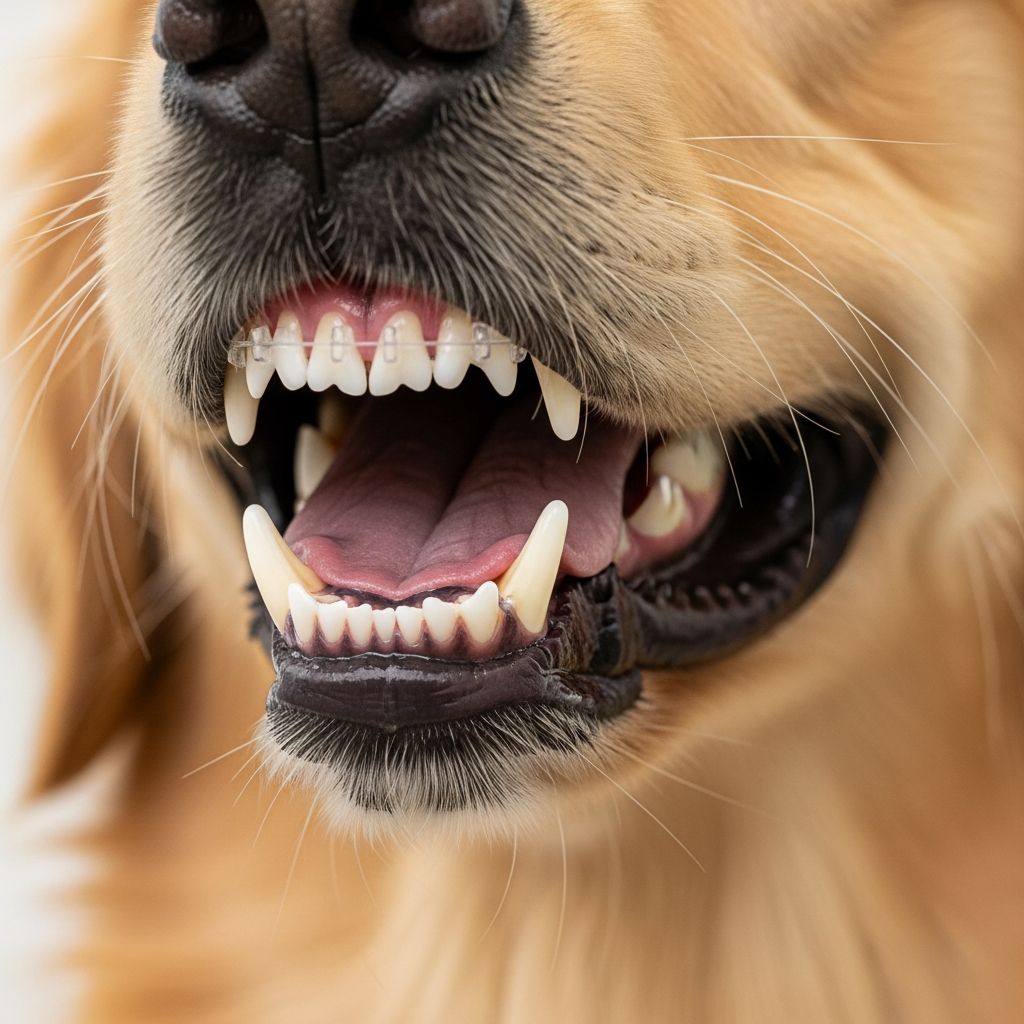
Canine orthodontics has advanced significantly, offering dogs effective ways to correct dental misalignments that impact their daily lives. Unlike human braces often sought for aesthetics, treatments for dogs prioritize functionality, pain relief, and disease prevention. These interventions address issues like improper tooth positioning that can lead to trauma, infections, or eating difficulties, ensuring pets maintain a healthy mouth throughout their lives.
Understanding Common Dental Misalignments in Dogs
Dogs frequently experience dental problems due to genetics, retained deciduous teeth, or rapid jaw growth during puppyhood. These issues can cause chronic discomfort if untreated. Key conditions include:
- Linguoversion: Lower canine teeth positioned too far lingually (toward the tongue), often called ‘base narrow’ in breeding circles. This traps the upper jaw’s palate against the lower teeth, risking ulcers and pain.
- Mesioverted upper canines: Canines pointing forward (‘lance teeth’), narrowing space for lower teeth and causing trauma to soft tissues.
- Crowded or rotated teeth: Teeth overlapping or too close, promoting plaque buildup, gum disease, and decay.
- Overbites or underbites: Jaw misalignments affecting chewing efficiency and joint health.
- Retained puppy teeth: Deciduous teeth failing to shed, crowding emerging adult teeth and increasing infection risk.
These malocclusions often manifest between 4-6 months as permanent teeth erupt. Early detection during routine vet exams is crucial, as timely intervention prevents long-term complications like periodontal disease or tooth fractures.
Why Orthodontics Matters for Your Dog’s Well-Being
Functional occlusion ensures dogs can eat, chew toys, and breathe comfortably. Misaligned bites lead to uneven wear, enamel damage, and exposure of sensitive dentin. In severe cases, teeth puncture gums or cheeks, causing infections that may require antibiotics or extractions. For show dogs, proper dentition affects competition scores, but health remains paramount—vets avoid cosmetic-only treatments.
Orthodontics improves quality of life by restoring normal bite dynamics. Dogs post-treatment resume regular diets without pain, avoiding soft-food restrictions. Untreated issues compound, potentially leading to jaw deformities or nutritional deficits from painful eating.
Types of Orthodontic Appliances for Dogs
Veterinary dentists use specialized, durable appliances suited to canine anatomy and behavior. Unlike humans, dogs can’t comply with removable devices, so fixed options dominate. Common types include:
| Appliance Type | Description | Best For | Duration |
|---|---|---|---|
| Metal Braces / Masal Chains | Wire chains or brackets bonded to teeth, applying controlled force. | Mesioverted canines, linguoversion. | 4-12 weeks. |
| Orthopedic Buttons & Elastics | Buttons with rubber bands to tip or rotate teeth. | Rotated incisors, minor misalignments. | 2-8 weeks. |
| PetAlign Aligners | Sequential clear plastic trays modeled from dental impressions. | Mild crowding, no anesthesia for changes. | 4-16 weeks. |
| Composite Inclines | Grooved ramps bonded to teeth guiding eruption. | Base narrow canines in puppies. | 3-6 weeks. |
These appliances are installed under sedation or anesthesia for precision. Metal options withstand chewing forces, while ceramic brackets offer aesthetics for long-toothed breeds.
The Orthodontic Treatment Process Step-by-Step
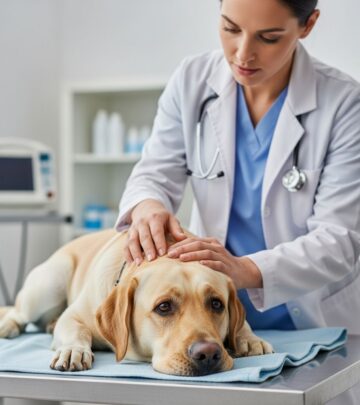
Treatment begins with a thorough exam, including radiographs to assess roots and bone. Vets confirm the malocclusion causes harm, not just appearance issues.
- Initial Consultation: History review, oral exam, and imaging to diagnose.
- Appliance Placement: Under anesthesia, clean teeth, bond appliances, and adjust for force direction.
- Monitoring Visits: Bi-weekly checks (under light sedation if needed) to tighten or replace parts.
- Removal and Retention: Once aligned, remove hardware; no retainers needed due to natural stabilization.
Treatment duration varies by severity and dog age—younger patients (6-12 months) respond fastest as bones remodel quickly. Full cases rarely exceed months, unlike human multi-year therapies.
Post-Treatment Care and What to Expect
Owners manage home care diligently. Soft diets, chew restrictions, and daily rinses prevent debris buildup. Signs of issues include excessive drooling, pawing at mouth, or refusal to eat—contact your vet immediately.
- Feed ground or soaked kibble to minimize stress on appliances.
- Avoid hard toys, bones, or tug games.
- Brush gently around brackets with pet-safe toothpaste.
- Monitor for loose wires or swelling.
After removal, teeth stabilize naturally. Regular dental cleanings maintain gains, preventing relapse.
Alternatives to Braces: Weighing Options
Not every case requires orthodontics. Vets consider:
- Extractions: Removing offending teeth; quick but permanent, risking gaps or shifts.
- Bite Adjustments: Filing high points; temporary, may recur.
- Ball Therapy: Chewing textured balls to guide eruption; non-invasive for mild cases.
Orthodontics preserves natural dentition, ideal when function is compromised. Costs range $1,000-$5,000 depending on complexity, often less than lifelong extractions or infections.
Risks, Success Rates, and When to Seek Help
Complications like root resorption or enamel damage are rare with board-certified veterinary dentists. Success exceeds 90% for primary indications, with pain resolution in weeks. Seek specialists if your vet notes bite issues during puppy exams—early action saves teeth.
Post-cancer jaw surgery, braces stabilize remnants, preventing drift and aiding recovery.
FAQs on Canine Orthodontics
Q: Are dog braces painful?
A: Placement uses anesthesia; mild discomfort fades quickly, managed with pain meds.
Q: Can any dog get braces?
A: Yes, but best in young dogs; adults possible if health permits.
Q: Do dogs need retainers after?
A: No, natural forces hold positions.
Q: How much do they cost?
A: Varies by case; consult your veterinary dentist for quotes.
Q: Is it cosmetic or medical?
A: Strictly medical for function and health; cosmetics secondary.
Choosing a Veterinary Dental Specialist
Board-certified diplomates (e.g., AVDC) offer expertise. Look for practices with digital radiography, anesthesia monitoring, and orthodontic experience. Pre-treatment consultations clarify goals and outcomes.
Advancements like 3D-printed aligners reduce anesthesia needs, enhancing safety.
References
- Dog Braces (Orthodontics) — Advanced Animal Dentistry. 2025. https://animaldental.com.au/dog-braces-orthodontics/
- Can Dogs Wear Braces to Straighten Teeth? — Orthodontist West Covina. N/A. https://orthodontistwestcovina.com/can-dogs-wear-braces-to-straighten-teeth/
- Dog Braces: Everything You Need to Know — PetMD. N/A. https://www.petmd.com/dog/care/dog-braces-everything-you-need-know
- Does Your Dog Need Braces? — Orthodontist Gardena. N/A. https://www.orthodontistgardena.com/does-your-dog-need-braces/
- Your Dog Can Receive Braces, Too! — Firestone Teeth. 2016-03-14. https://firestoneteeth.com/blog/your-dog-can-receive-braces-too
- Orthodontics Services – Braces for Dogs and Cats — Orlando Veterinary Dentistry. N/A. https://orlandoveterinarydentistry.com/services/braces-for-dogs-and-cats/
Similar Articles




Read full bio of Sneha Tete