

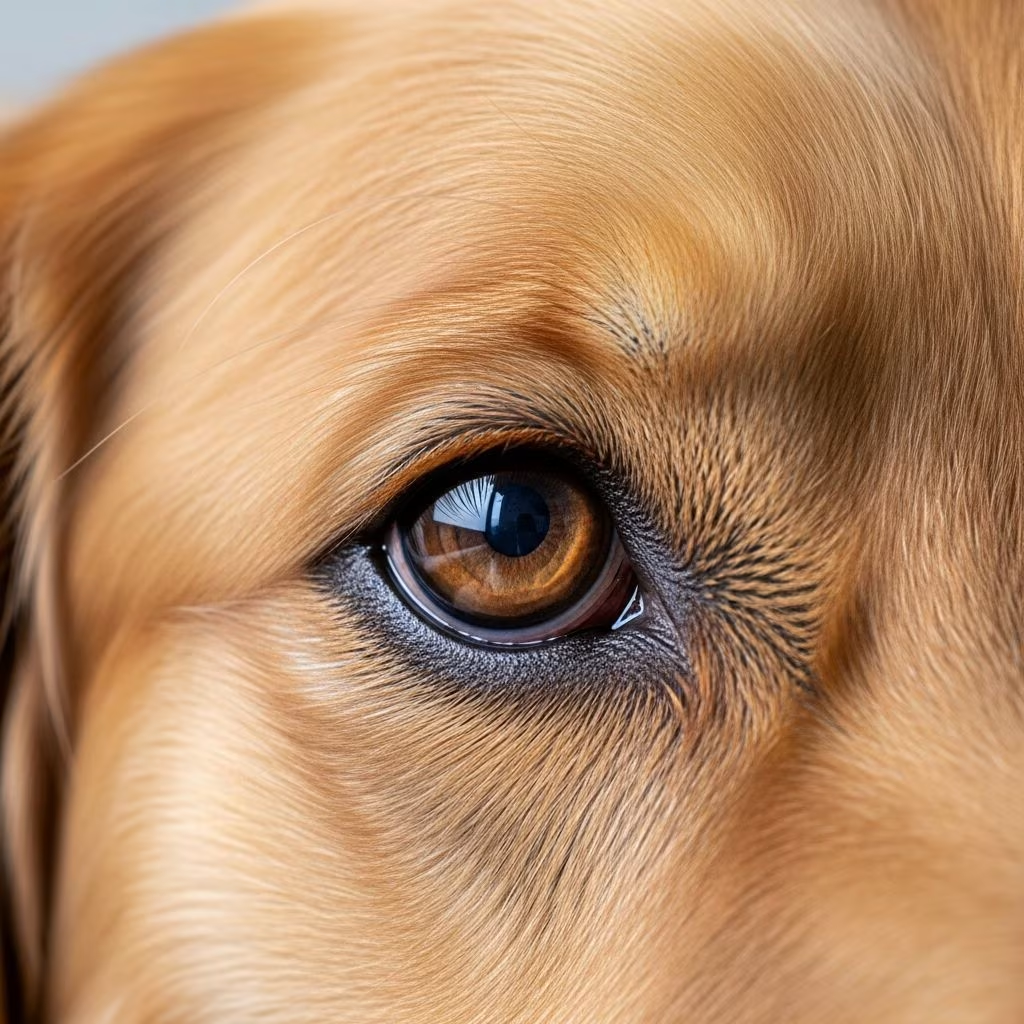
Orbital disorders in dogs involve problems within the eye socket, known as the orbit, which houses the eyeball and surrounding structures. These conditions can lead to visible changes in eye position, pain, and potential vision loss if not addressed promptly. Understanding these issues helps dog owners recognize early signs and seek appropriate care.
Understanding the Canine Orbit
The orbit is a bony cavity that protects the eye, muscles, nerves, blood vessels, and tear glands. In dogs, it’s relatively spacious compared to other animals, allowing some eye movement but also making it prone to space-occupying lesions. Disruptions here can cause the eye to protrude (exophthalmos), sink in (enophthalmos), or deviate abnormally (strabismus).
Common triggers include infections, inflammation, trauma, foreign objects, and growths. Breeds like Golden Retrievers may be predisposed to certain inflammatory conditions due to genetic factors.
Key Symptoms to Watch For
Dogs with orbital issues often show dramatic eye changes. Owners might notice:
- Eye bulging (exophthalmos): The eyeball pushes forward, often with third eyelid protrusion and swollen tissues.
- Sunken eye (enophthalmos): Eye recedes into the socket, linked to dehydration, fat loss, or muscle wasting.
- Eye misalignment (strabismus): Eye turns inward or outward, impairing focus.
- Pain when opening the mouth, eyelid swelling, discharge, fever, or reluctance to eat.
- Vision deficits, tearing, or corneal exposure from inability to blink fully.
These signs can appear suddenly or progress slowly, depending on the cause.
Common Causes of Orbital Problems
Orbital disorders stem from diverse origins. Here’s a breakdown:
Infections and Abscesses
Bacterial infections, often from tooth roots or migrating plant material like grass awns, cause cellulitis or abscesses. Young dogs chewing sticks are at higher risk. Symptoms include severe pain, pus discharge, and fever.
Inflammatory Conditions
Extraocular myositis, common in young Golden Retrievers, inflames eye muscles, leading to bilateral bulging and eyelid retraction. Other rare issues include immune-mediated diseases or salivary gland inflammation near the orbit.
Foreign Bodies
Organic debris can embed in the orbit, sparking abscesses. Dogs present with pain on jaw movement and normal globe appearance unless penetrated.
Tumors and Growths
Benign or malignant masses expand the orbit, causing protrusion and vision threats. Early signs include resistance to eye retropulsion and third eyelid show.
Trauma and Other Factors
Injuries, dehydration, or nerve issues like Horner’s syndrome contribute to sunken eyes or misalignment.
| Condition | Main Symptoms | Common Causes |
|---|---|---|
| Exophthalmos | Bulging eye, pain, third eyelid up | Infection, tumor, inflammation |
| Enophthalmos | Sunken eye, muscle atrophy | Dehydration, fat loss, scarring |
| Strabismus | Misaligned eye, poor motility | Trauma, genetics, nerve damage |
Diagnostic Approaches
Veterinarians start with a full history and exam, checking eye position, retropulsion (pushing the eye back), mouth, and sinuses. Advanced tools include:
- X-rays or CT scans to spot masses, abscesses, or bone changes.
- Ultrasound for soft tissue evaluation.
- Fine-needle aspirates or biopsies for tumors/infections.
- Blood tests for systemic illness.
Orbital imaging is crucial as the globe often looks normal despite deep issues.
Treatment Strategies
Treatments target the root cause for best outcomes.
For Infections and Abscesses
Drainage via incision behind the last premolar, followed by antibiotics (oral/injected) and warm compresses. Avoid sharp tools to prevent rupture. Fungal cases need antifungals; prognosis is fair.
Inflammatory and Myositis Cases
Immunosuppressants like corticosteroids, with monitoring for relapse. Myositis in Goldens often responds well early.
Tumor Management
Surgery to excise masses, often with enucleation (eye removal) for malignancies. Chemotherapy or radiation follows for cancers. Prognosis varies by type; benign tumors fare better.
Supportive Care
Eye lubricants prevent corneal ulcers from lagophthalmos. Pain relief with NSAIDs like meloxicam. Hydration for enophthalmos.
Severe cases may require referral to a veterinary ophthalmologist or oncologist.
Prognosis and Long-Term Management
Outcomes depend on cause: infections often resolve fully, while tumors may threaten vision or life. Early intervention preserves eyes in many cases. Regular check-ups monitor for recurrence, especially post-drainage or surgery.
Owners should watch for relapse signs like renewed swelling or pain.
Prevention Tips for Dog Owners
- Supervise chewing to avoid foreign bodies.
- Maintain dental health to prevent root infections spreading.
- Ensure hydration and nutrition to avoid enophthalmos.
- Schedule routine vet eye exams, especially for at-risk breeds.
Frequently Asked Questions (FAQs)
What causes a dog’s eye to bulge suddenly?
Sudden exophthalmos often signals abscess, foreign body, or acute inflammation. Seek immediate vet care.
Can orbital disorders affect both eyes?
Yes, conditions like myositis are bilateral, while infections/tumors are usually unilateral.
Is surgery always needed for orbital tumors?
Not always; small benign ones may be monitored, but most require removal to save vision.
How do I know if my dog’s sunken eye is serious?
Enophthalmos from dehydration improves with fluids, but persistent cases need imaging for atrophy or masses.
What home care helps during treatment?
Warm compresses, prescribed drops, and preventing self-trauma with cones aid recovery.
References
- An eye on canine orbital disease: Causes, diagnostics, and treatment — dvm360. 2023-05-01. https://www.dvm360.com/view/eye-canine-orbital-disease-causes-diagnostics-and-treatment
- Disorders of the Orbit in Dogs — Merck Veterinary Manual. 2024-01-15. https://www.merckvetmanual.com/dog-owners/eye-disorders-of-dogs/disorders-of-the-orbit-in-dogs
- Diseases of the Orbit of the Eye in Dogs — PetMD. 2023-11-20. https://www.petmd.com/dog/conditions/eyes/c_multi_orbital_diseases
- Orbital Tumors in Pets: Symptoms, Diagnosis, and Treatment Options — Veterinary Vision Center. 2024-02-10. https://veterinaryvisioncenter.com/orbital-tumors-in-pets-recognizing-the-signs-and-exploring-treatment-options/
- Sunken Eyes in Dogs – Causes, Treatment and Associated Symptoms — Vetster. 2023-08-05. https://vetster.com/en/symptoms/dog/sunken-eyes



