

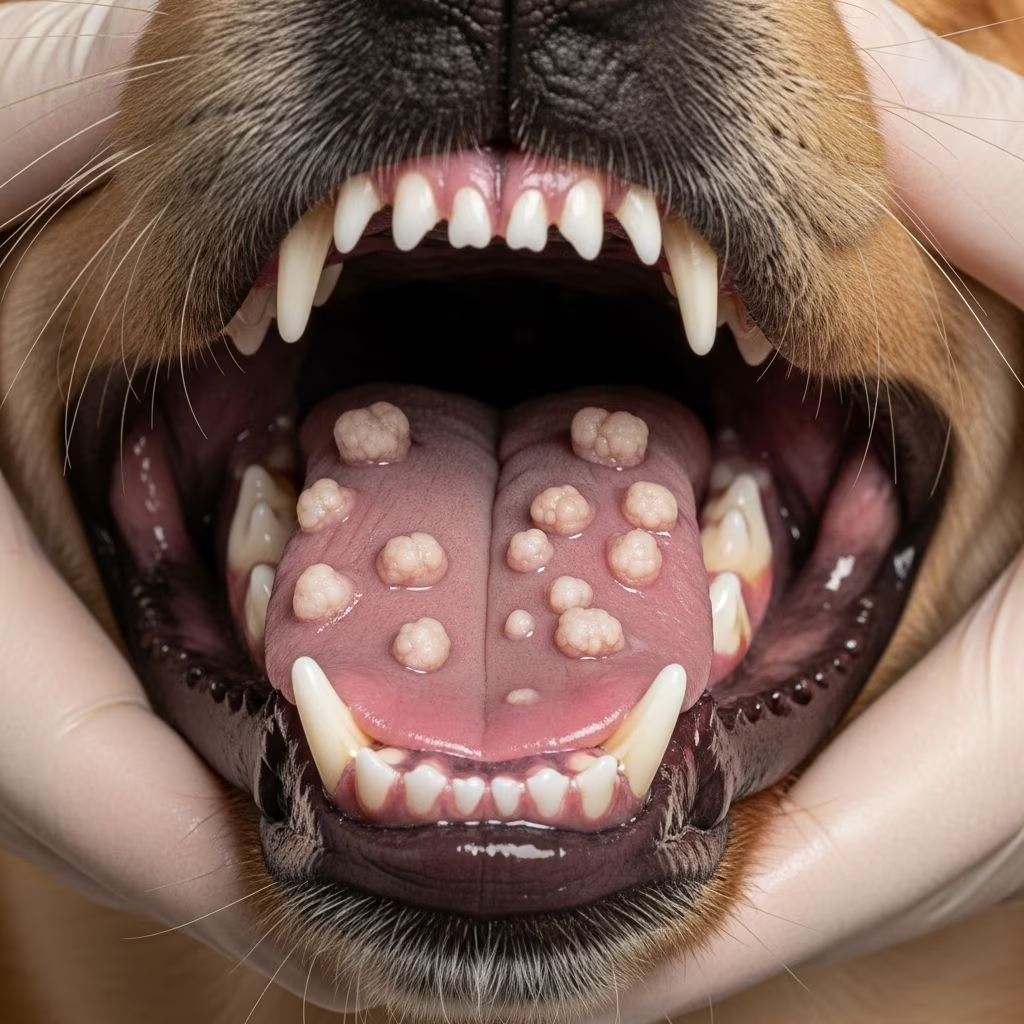
Canine oral papillomas are benign, wart-like growths in a dog’s mouth caused by the canine papillomavirus type 1 (CPV-1). These viral lesions primarily affect young dogs under two years old, often appearing on the gums, tongue, lips, or roof of the mouth, and typically resolve spontaneously as the immune system matures.
What Triggers These Oral Growths in Dogs?
The primary culprit behind canine oral papillomas is **CPV-1**, a DNA virus that infects the mucosal tissues of the mouth. Transmission occurs through direct contact with infected saliva, such as during play, shared bowls, or grooming among dogs. Young puppies and adolescents are most susceptible because their immune systems lack prior exposure and sufficient antibodies to combat the virus effectively.
Immunosuppressed adult dogs, those undergoing chemotherapy or suffering from chronic illnesses, may also develop persistent cases. The virus enters through minor abrasions in the oral cavity, proliferating in epithelial cells and forming characteristic frond-like or cauliflower-shaped masses. Unlike human papillomaviruses, CPV-1 is species-specific and poses no risk to humans or other pets.
Recognizing the Signs of Oral Papillomas
Early detection hinges on observing multiple small, raised, pale or whitish growths resembling warts. These can cluster or appear singly, varying from pinpoint size to larger protrusions that interfere with eating. Common symptoms include:
- Excessive drooling due to irritation
- Difficulty chewing or reluctance to eat hard food
- Bleeding gums or mouth if growths are traumatized
- Foul breath (halitosis) from secondary bacterial infection
- Pawing at the mouth or head shaking indicating discomfort
In severe instances, extensive lesions may obstruct airways or swallowing, necessitating urgent care. Owners might notice behavioral changes like weight loss or lethargy if the dog avoids meals.
When Do Papillomas Resolve Naturally?
Most cases self-limit within 1-5 months as the dog’s immunity mounts a response, sloughing off infected cells. Waiting is viable for mild, non-obstructive growths, allowing antigen production for lifelong protection against reinfection. However, monitor closely; persistence beyond 2-3 months or complications like ulceration warrants veterinary evaluation to exclude malignancy.
Advanced Treatment Strategies for Persistent Cases
For non-resolving or problematic papillomas, interventions range from conservative to surgical. Here’s a breakdown:
| Treatment Type | Description | Pros | Cons |
|---|---|---|---|
| Surgical Excision | Laser, scalpel, or electrocautery removal | Quick resolution; low recurrence | Requires anesthesia; healing time |
| Cryotherapy | Freezing with liquid nitrogen | Minimally invasive; outpatient | Multiple sessions possible; pain |
| Antiviral Therapy | Azithromycin (10 mg/kg daily) | Non-surgical; resolves in 2-3 weeks | Potential GI side effects |
| Immune Modulators | Interferon or imiquimod cream | Boosts immunity; topical | Variable efficacy; cost |
| Molecular Iodine | 300 ppm topical, twice daily for 90s | Non-invasive; rapid (3-4 weeks); inexpensive | Limited data; owner-applied |
Surgical debulking of large lesions can trigger systemic regression by stimulating immunity. Vaccines are reserved for extreme cases impairing respiration. Novel approaches like molecular iodine show promise, inactivating the virus via capsid protein disruption, with one case achieving full resolution in four weeks without recurrence.
High-Risk Scenarios Requiring Specialist Intervention
Certain dogs benefit from veterinary dental specialists:
- Infected lesions: Ulcerated papillomas prone to bacteria, causing pus, swelling, and sepsis risk—treat with antibiotics and debridement.
- Malignant suspicion: Rarely, chronic warts transform to squamous cell carcinoma; biopsy confirms via histopathology.
- Immunocompromised patients: Those with autoimmune diseases or cancer therapy need aggressive management like combined surgery and antivirals.
- Obstructive growths: Covering >50% of mouth surfaces, hindering eating or breathing.
CO2 laser therapy offers precision, vaporizing tissue with minimal bleeding and faster recovery.
Preventing Spread and Recurrence in Your Pack
Proactive steps minimize outbreaks:
- Isolate affected dogs from others, especially puppies, for 1-2 months.
- Disinfect shared toys, bowls, and bedding with virucidal agents.
- Maintain oral hygiene via regular brushing and dental chews.
- Support immunity with balanced nutrition, avoiding over-supplementation.
- Delay elective surgery until 4-6 weeks post-resolution for immunity buildup.
Breed predispositions aren’t strongly evidenced, but multi-dog homes heighten exposure risks.
Cost Considerations and Home Care Tips
Treatment expenses vary: consults ($50-150), surgery ($300-1000+), medications ($20-100). Insurance often covers diagnostics and procedures. At home, avoid irritating lesions; offer soft food and monitor for worsening. Never use human wart removers—toxic to dogs.
Frequently Asked Questions (FAQs)
Are dog oral papillomas contagious to humans?
No, CPV-1 is canine-specific and does not infect people or cats.
How long until warts disappear without treatment?
Typically 1-5 months in healthy young dogs.
Can vaccines prevent canine papillomas?
Autogenous vaccines help severe cases but aren’t preventive standards.
What if my adult dog gets papillomas?
Investigate underlying immunosuppression; treat promptly.
Is laser removal better than traditional surgery?
Laser minimizes bleeding and pain, ideal for oral sites.
Long-Term Outlook and Monitoring
Post-treatment, most dogs enjoy full recovery without scarring. Annual dental exams catch recurrences early. Boosting overall health via exercise and diet fortifies against viral challenges. Consult vets for tailored plans, especially in breeding or kenneled dogs.
References
- Oral Papillomas in Dogs: Severe Cases, Symptoms, and Treatment — North Bay Veterinary Dentistry. 2023. https://northbayvetdentist.com/oral-papillomas-in-dogs-severe-cases-symptoms-and-treatment/
- Canine Oral Papilloma Virus: Knowing the Signs and Risks — Lone Tree Veterinary Hospital. 2023. https://www.lonetreevet.com/blog/canine-oral-papilloma-virus-knowing-the-signs-and-risks/
- Canine Oral Papilloma Treatment: Topical Molecular Iodine Case — PMC (PubMed Central). 2023-10-15. https://pmc.ncbi.nlm.nih.gov/articles/PMC12599576/
- Oral Papillomas in Dogs — MSD Veterinary Manual. 2024. https://www.msdvetmanual.com/digestive-system/diseases-of-the-mouth-in-small-animals/oral-papillomas-in-dogs
- Oral Papillomas in Dogs: Treatment and Cost — MetLife Pet Insurance. 2023. https://www.metlifepetinsurance.com/blog/pet-health/oral-papillomas-dogs/
- Papilloma of the Skin — VCA Animal Hospitals. 2024. https://vcahospitals.com/know-your-pet/papilloma-of-the-skin



