

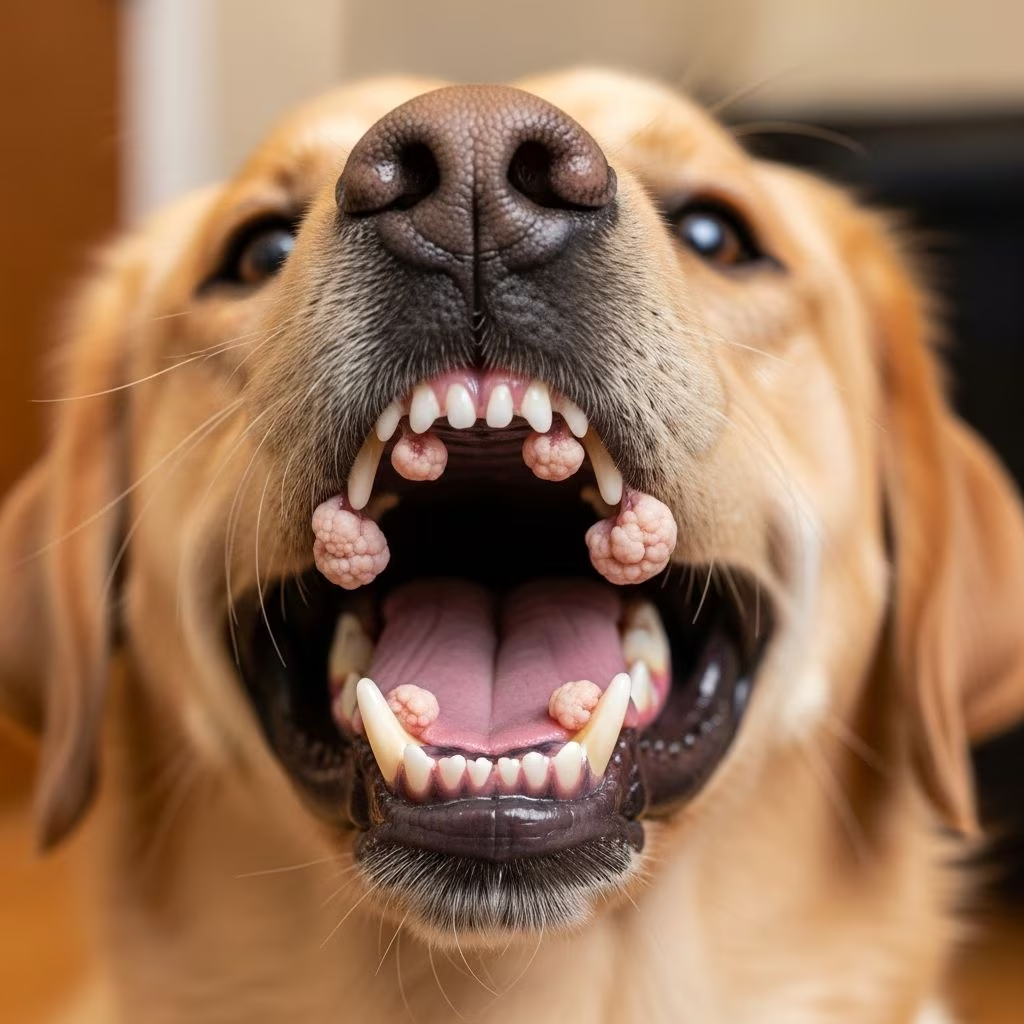
Canine oral papillomas are benign viral growths that commonly appear in the mouths of dogs, particularly younger ones. Caused by the canine papillomavirus (CPV-1), these wart-like lesions typically resolve without intervention as the dog’s immune system fights off the infection. However, in certain situations, they can cause discomfort, interfere with eating, or persist, necessitating veterinary attention. This guide provides pet owners and veterinarians with detailed information on identification, management, and long-term care strategies.
What Causes These Viral Growths in Dogs?
The primary culprit behind canine oral papillomas is CPV-1, a DNA virus that targets the moist mucous membranes of the mouth. Transmission occurs through direct contact with infected dogs or contaminated objects like shared bowls, toys, or grooming tools. Puppies and young dogs under two years old are most susceptible because their immune systems are still developing, making them prime targets for viral entry through minor abrasions in the oral cavity.
Adult dogs can also develop these lesions, especially if immunocompromised due to conditions like chronic illness, chemotherapy, or stress. Unlike skin papillomas, oral variants thrive in the warm, humid environment of the mouth, proliferating rapidly in clusters. The virus integrates into epithelial cells, prompting uncontrolled growth that forms the characteristic cauliflower-like structures.
- Key risk factors: Young age, crowded kennels, dog parks, or weakened immunity.
- Incubation period: 1-2 months post-exposure.
Spotting the Signs: Symptoms and Appearance
Early detection hinges on recognizing the distinctive look and associated behaviors. Lesions start as small, white or flesh-colored bumps on the gums, tongue, lips, or roof of the mouth. They quickly evolve into pedunculated (stalked) or sessile (flat-based) growths with a rough, frond-like surface resembling a miniature cauliflower.
Symptoms vary by severity. Mild cases may go unnoticed, but advanced ones lead to excessive drooling, reluctance to eat hard food, pawing at the mouth, or foul breath from secondary bacterial infections. In rare severe instances, large masses obstruct airways or swallowing, posing immediate health risks.
| Stage | Appearance | Common Symptoms |
|---|---|---|
| Early | Small pink/white nodules | None or mild irritation |
| Progressive | Cauliflower clusters, 0.5-2 cm | Drooling, soft food preference |
| Severe | Large, ulcerated masses | Pain, bleeding, eating refusal |
Owners should monitor for changes beyond 1-2 months, as prolonged presence signals potential complications.
Accurate Diagnosis: Veterinary Confirmation
A thorough oral examination by a veterinarian or dental specialist is the first step. Visual inspection often suffices for classic cases, but biopsies are recommended for atypical, persistent, or solitary growths to exclude malignancy like squamous cell carcinoma, which papillomaviruses rarely precede.
Histopathology reveals koilocytes—epithelial cells with perinuclear halos and enlarged nuclei—hallmark of papillomavirus infection. Cytology or PCR testing can confirm viral DNA if needed. Differential diagnoses include fibropapillomas, viral plaques, or non-viral epithelial proliferations, which grow slower and solitary.
- Diagnostic tools: Oral exam, biopsy, histopathology.
- Red flags: Rapid growth in adults, ulceration, or systemic illness.
Natural Course: When They Resolve on Their Own
Over 70% of cases spontaneously regress within 1-5 months as immunity develops. The dog’s antibodies target infected cells, causing inflammation, darkening, and sloughing of lesions. Full clearance prevents recurrence from the same strain, though reinfection from new exposures remains possible.
Supportive care during this phase includes soft diets, oral rinses to prevent infection, and monitoring. Patience is key, but intervention thresholds include growth beyond 6 weeks without regression or functional impairment.
Treatment Strategies for Challenging Cases
For non-resolving or symptomatic papillomas, multiple options exist, tailored to size, location, and patient health.
Surgical Interventions
Debulking via scalpel, laser (CO2 preferred for precision and hemostasis), electrocautery, or cryotherapy effectively removes obstructive growths. Removing even one lesion can trigger systemic immunity, accelerating resolution elsewhere. Postoperative care involves pain meds, antibiotics, and e-collars.
Medical Therapies
Azithromycin (10 mg/kg PO daily) resolves lesions in 2-3 weeks by modulating immunity, not direct antiviral action. Topical imiquimod stimulates interferon production, applied 3-5 times weekly. Interferon injections or autogenous vaccines are reserved for extreme cases impairing respiration.
- Laser therapy: Minimally invasive, seals vessels to reduce bleeding.
- Cryotherapy: Freezes tissue, ideal for small clusters.
Emerging Options
Molecular iodine topicals show promise in case reports for direct viral disruption with minimal side effects. Always under veterinary supervision.
Complications and When to Worry
Secondary bacterial infections cause halitosis and swelling. Trauma from chewing leads to bleeding or ulceration. Rarely, chronic infection links to squamous cell carcinoma, especially in older dogs—prompt biopsy essential. Immunosuppressed patients face prolonged courses, demanding aggressive management.
Prevention Tactics for Dog Owners
No commercial vaccine exists for CPV-1, but hygiene curbs spread: Isolate affected dogs, disinfect surfaces, avoid high-risk areas during outbreaks. Boost immunity via balanced nutrition, deworming, and annual exams. Regular dental cleanings maintain oral health, reducing entry points.
- Quarantine new pups for 2 months.
- Clean toys/bowls with virucidal agents.
- Support with omega-3 supplements if advised.
FAQs on Canine Oral Papillomas
Q: Are these contagious to humans or cats?
A: No to humans; cats have different strains, rarely affected orally.
Q: How long before seeing improvement without treatment?
A: Most show regression by 4-8 weeks; full clearance by 3-5 months.
Q: Can my dog get them again?
A: Immunity is strain-specific; new exposures possible.
Q: Is surgery always needed?
A: Only for persistent, painful, or obstructive cases—most self-limit.
Q: What home remedies work?
A: None proven; avoid, as they risk irritation or delayed care.
Long-Term Oral Health for Your Dog
Post-resolution, biannual dental checks catch recurrences early. Breeds like Boxers or English Bulldogs may be predisposed, warranting vigilance. Integrating dental chews and brushing routines fortifies resilience against viral and bacterial threats alike.
This condition underscores the mouth’s vulnerability in dogs. Proactive monitoring and timely veterinary input ensure swift recovery and comfort.
References
- Oral Papillomas in Dogs: Severe Cases, Symptoms, and Treatment — North Bay Veterinary Dentistry. 2023. https://northbayvetdentist.com/oral-papillomas-in-dogs-severe-cases-symptoms-and-treatment/
- Oral Papillomas in Dogs — Merck Veterinary Manual. 2023-10-17. https://www.merckvetmanual.com/digestive-system/diseases-of-the-mouth-in-small-animals/oral-papillomas-in-dogs
- Papillomavirus: Clinical Presentations and Treatment Approaches — PubMed/Elsevier. 2024. https://pubmed.ncbi.nlm.nih.gov/39734106/
- Papilloma of the Skin — VCA Animal Hospitals. 2023. https://vcahospitals.com/know-your-pet/papilloma-of-the-skin
- Treatment of a Canine Oral Papilloma with Topical Molecular Iodine — Cureus. 2023. https://www.cureus.com/articles/410085-treatment-of-a-canine-oral-papilloma-with-topical-molecular-iodine-a-case-report-with-implications-for-antiviral-therapy-in-humans



