

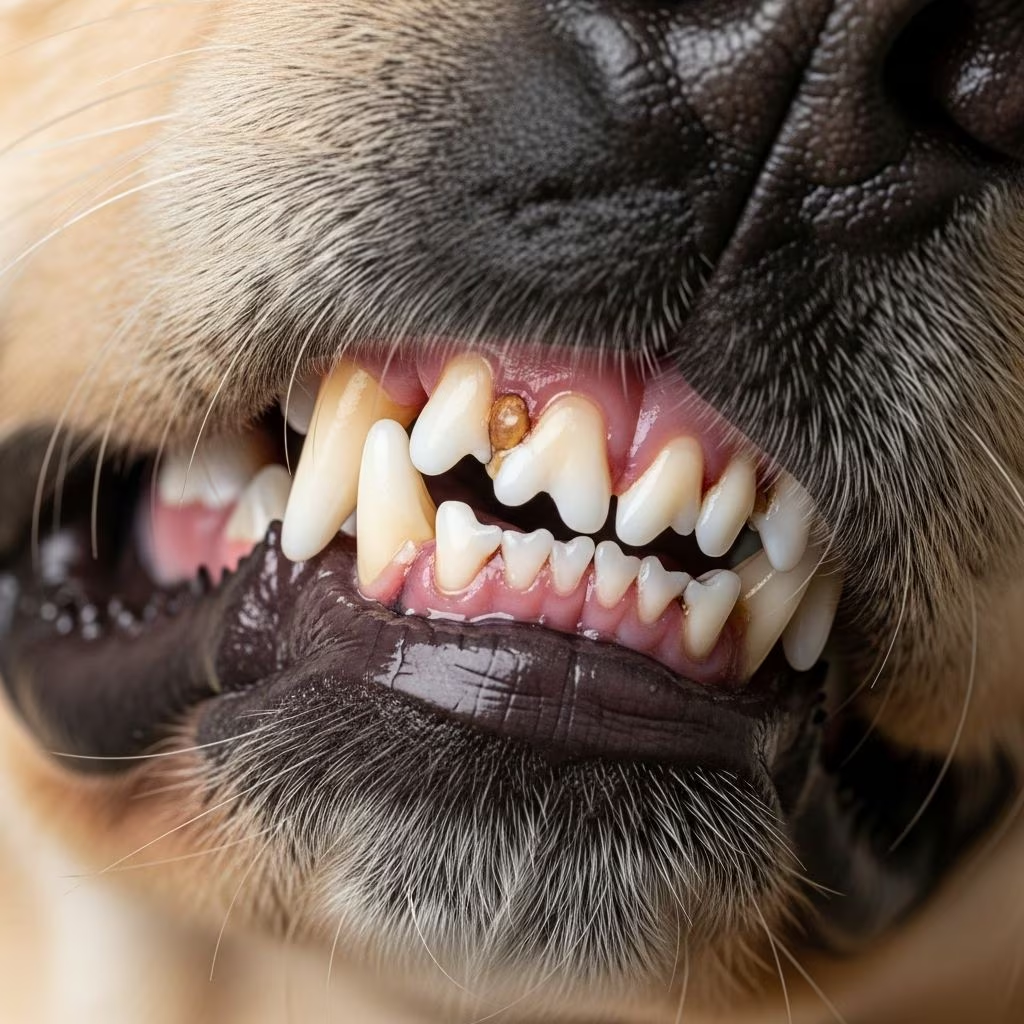
Dogs frequently encounter various oral health challenges that can significantly affect their comfort, eating habits, and overall well-being. These conditions range from mild inflammations to severe infections requiring veterinary intervention. Recognizing early signs such as persistent bad breath, excessive drooling, or reluctance to chew is crucial for timely management.
Recognizing Early Warning Signs of Oral Problems
Pet owners play a key role in detecting oral issues before they escalate. Common indicators include halitosis, which often signals bacterial buildup; swollen or bleeding gums; and visible tartar accumulation on teeth. Dogs may paw at their mouths, drop food while eating, or show facial swelling around the jaw. Weight loss can occur if pain discourages eating.
- Halitosis: A foul odor from the mouth, frequently the first noticeable symptom.
- Gum Changes: Redness, swelling, or bleeding during play or brushing.
- Behavioral Shifts: Drooling excessively, hesitancy to eat hard kibble, or general lethargy.
- Visible Deposits: Yellow-brown tartar on teeth, especially at the gumline.
Regular home checks, combined with annual veterinary exams, help catch these problems early. During routine visits, vets inspect teeth, gums, and mucous membranes for abnormalities.
Gum Inflammation and Periodontal Challenges
Gingivitis, an initial stage of gum disease, arises from plaque—a sticky film of bacteria and food debris—hardening into tartar. This irritates gums, leading to inflammation. If untreated, it progresses to periodontitis, destroying supporting bone and tissues, potentially causing tooth loss.
Breeds with crowded teeth or small mouths, like brachycephalics (e.g., Bulldogs), are particularly susceptible. Symptoms include red gum edges, pain on touch, and loose teeth. Diagnosis involves probing gum pockets and dental X-rays to assess bone loss.
| Stage | Symptoms | Treatment Approach |
|---|---|---|
| Early Gingivitis | Red gums, mild bad breath | Professional cleaning, home brushing |
| Advanced Periodontitis | Loose teeth, pus, bone loss | Extractions, antibiotics, surgery |
Treatment typically starts with scaling to remove tartar under anesthesia, followed by polishing. Home care involves daily tooth brushing with enzymatic toothpaste and dental chews to control plaque.
Inflammatory Conditions of the Mouth Mucosa
Stomatitis refers to widespread inflammation of the mouth’s soft tissues, often linked to immune responses against plaque. Breeds like Greyhounds and Retrievers show higher incidence. Affected dogs exhibit severe gum recession, ulcers near molars, profuse salivation, and eating aversion.
Diagnosis requires biopsy to rule out autoimmune diseases. Management includes rigorous plaque control via professional cleanings and daily chlorhexidine rinses. In refractory cases, full-mouth extractions may be necessary, surprisingly leading to pain-free outcomes for many dogs.
Fungal overgrowth, such as Candida, is rarer but occurs in immunocompromised pets or those on prolonged antibiotics. It presents with white plaques, bleeding sores, and refusal to eat. Antifungal medications and addressing underlying issues resolve most cases.
Tongue-Related Disorders in Dogs
Glossitis, or tongue inflammation, can stem from trauma, infections, irritants, or stings. Dogs may drool blood-tinged saliva, have a swollen red tongue, and struggle to close their mouth. Foreign objects like sticks or sharp bones often cause acute cases.
Veterinary care involves removing irritants, antibiotics for secondary infections, and soothing rinses. Soft foods aid recovery, and severe cases might need IV fluids or tube feeding. Healing is swift once the cause is eliminated.
Lip and Salivary Gland Abnormalities
Lip inflammation (cheilitis) arises from bacterial infections in folds, allergies, or systemic spread. Deep folds in breeds like Spaniels trap moisture, fostering bacteria. Cleaning with antiseptics and antibiotics clears most infections.
Salivary mucoceles form cysts from gland leakage, appearing as fluid-filled swellings under the tongue or jaw. Surgery to excise the gland and duct is standard, preventing recurrence and complications like airway blockage. Dry mouth (xerostomia), though uncommon, follows radiation therapy or nerve damage, causing eating difficulties managed with saliva substitutes.
Severe Ulcerative and Necrotizing Conditions
Trenchmouth, or necrotizing gingivitis, features rapid gum destruction with ulcers and bone exposure. Triggers include stress, malnutrition, or microbial shifts. Dogs suffer intense pain, bloody drool, and anorexia.
Treatment demands aggressive intervention: wound debridement, antibiotics, extractions, and supportive nutrition. Prognosis improves with early action. Oral ulcerative diseases tied to immunity, like pemphigus, require biopsies and immunosuppressants.
Benign Growths and Other Lesions
Canine oral papillomas, viral warts, appear as cauliflower-like bumps on gums or lips, mainly in young dogs. They self-resolve but may need removal if persistent or bleeding. Trauma-induced ulcers heal with soft diets, while persistent ones signal deeper issues.
Prevention Strategies for Optimal Oral Health
Proactive care prevents most disorders. Brush teeth daily using dog-safe products, offer VOHC-approved chews, and schedule yearly cleanings. Water additives reduce bacteria, and diets with dental benefits minimize tartar.
- Daily brushing with enzymatic paste.
- Weekly dental chew rewards.
- Regular vet oral exams.
- Avoid table scraps promoting plaque.
When to Seek Veterinary Help
Consult a vet promptly for any oral changes. Delays worsen infections and pain. Specialists in veterinary dentistry offer advanced tools like digital radiography for precise diagnosis.
FAQs on Dog Oral Disorders
What causes bad breath in dogs?
Primarily plaque and tartar buildup leading to gingivitis; also infections or diet.
Can home remedies treat dog gingivitis?
Brushing helps prevent but professional cleaning is essential for established cases.
Is tooth extraction common for stomatitis?
Yes, often curative in chronic cases by eliminating plaque sources.
How to clean a dog’s mouth safely?
Use finger brushes and pet toothpaste; never human products.
Do all dogs need dental cleanings?
Most over age 3 benefit annually based on exam findings.
References
- 6 Common Mouth Conditions in Dogs — PetMD. 2023. https://www.petmd.com/dog/slideshows/6-common-mouth-conditions-dogs
- Disorders of the Mouth in Dogs — Merck Veterinary Manual. 2024-02-15. https://www.merckvetmanual.com/dog-owners/digestive-disorders-of-dogs/disorders-of-the-mouth-in-dogs
- 7 Common Dental Problems in Dogs — Montana Pet Dentist. 2023. https://montanapetdentist.com/7-common-dental-problems-in-dogs/
- An update on oral manifestations of systemic disorders in dogs — PMC (NCBI). 2024. https://pmc.ncbi.nlm.nih.gov/articles/PMC11743369/
- Common Dental Problems in Dogs — Choice Veterinary Specialists. 2024-02-15. https://www.choicevs.com/site/blog/2024/02/15/common-dental-problems-dogs
- Dental disease and home dental care — Cornell University College of Veterinary Medicine. 2023. https://www.vet.cornell.edu/departments-centers-and-institutes/riney-canine-health-center/canine-health-information/dental-disease-and-home-dental-care



