

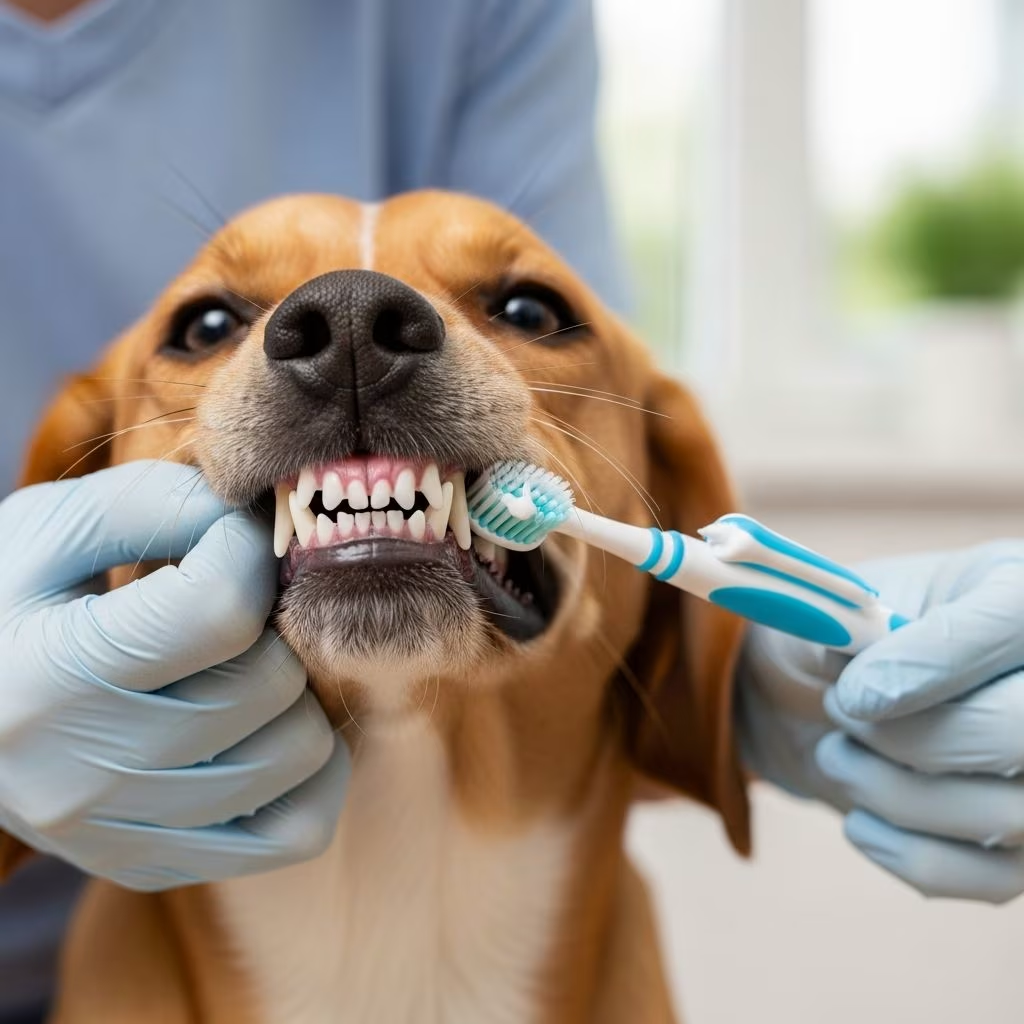
Dental disease represents one of the most prevalent health concerns affecting dogs today, yet many pet owners overlook the importance of oral hygiene in their daily care routines. The foundation of a healthy mouth begins at home with consistent preventive measures that can significantly reduce the likelihood of serious dental problems developing as your dog ages. Understanding how to properly maintain your dog’s teeth and gums is an investment in their long-term health and quality of life.
The Foundation: Why Dental Care Matters for Dogs
The buildup of plaque and tartar on a dog’s teeth can lead to gingivitis, tooth loss, and systemic health problems affecting the heart, kidneys, and liver. Unlike humans who can brush their own teeth daily, dogs depend entirely on their owners to provide oral care. Professional veterinary cleanings are necessary, but they cannot be the only intervention in your dog’s dental health strategy. The gap between professional treatments can span months or even years, during which significant damage can accumulate. By implementing a comprehensive home care program, you can dramatically slow the progression of dental disease and potentially reduce the need for invasive procedures.
Establishing Your Daily Brushing Protocol
Tooth brushing remains the gold standard for maintaining canine oral health and should be the cornerstone of any home dental care program. The process begins with selecting appropriate equipment designed specifically for dogs, as human toothpaste and brushes are not suitable for pet use.
Selecting the Right Tools
Pet-specific toothpaste is formulated to be safe if swallowed and comes in flavors that appeal to dogs. Never use human toothpaste on your dog, as fluoride and other ingredients can be harmful. For brush selection, small dogs benefit from baby toothbrushes or finger-tip brushes, while large dogs can use standard soft-bristled pet toothbrushes or regular human toothbrushes. The key consideration is ensuring the bristles are soft enough to avoid damaging the gums.
Proper Brushing Technique
Begin by allowing your dog to become accustomed to the toothbrush and paste before attempting to brush. Start with just a few teeth, focusing on the outer surfaces where plaque accumulates most readily. Use gentle, circular motions, paying special attention to where the gum meets the tooth. The back upper molars and canines require extra attention as these areas tend to accumulate tartar rapidly. Work gradually to increase coverage as your dog becomes more comfortable with the process.
The optimal approach involves brushing daily, though brushing several times per week can still provide substantial benefits. If your dog resists having the inner tooth surfaces cleaned, focus on the outer surfaces, as this is where the majority of plaque accumulation occurs. You need not rinse the toothpaste from your mouth after brushing, as it is designed to be safe for dogs to swallow.
Building Positive Associations
Making tooth brushing a positive experience is essential for long-term compliance. Use treats and praise after brushing sessions to create favorable associations with the activity. Select a time when your dog is calm and relaxed to maximize cooperation. Incorporating brushing into your existing routine, such as before an evening meal, helps establish consistency. Patience and gradual introduction are critical, particularly for dogs who initially resist handling of their mouth.
Supplementary Dental Maintenance Methods
While brushing is the most effective home care technique, several supplementary options can enhance your overall dental health strategy, particularly for dogs that resist regular brushing.
Dental Wipes and Alternative Tools
Dental wipes offer a convenient alternative or complement to traditional brushing for dogs sensitive to toothbrushes. These wipes wrap around your finger and allow you to gently clean tooth surfaces and gums across all areas of the mouth. While less thorough than angled-handle brushes, wipes can still reduce plaque accumulation and serve as an effective training tool.
Dental Powder Supplements
Powdered dental supplements formulated for dogs can be sprinkled on meals daily to support oral health. Many contain probiotics that promote beneficial bacteria while simultaneously suppressing plaque-forming bacteria. These powders help freshen breath and contribute to tartar and plaque prevention when combined with other home care methods.
Water Additives and Oral Rinses
Water additives represent a passive approach to dental care, as they require no direct interaction with your dog’s mouth. However, research indicates these options are among the least effective methods of maintaining oral health, as they do not physically disrupt plaque accumulation. They may provide complementary benefits but should not be relied upon as primary preventive measures.
Dental Chews and Dietary Considerations
Incorporating appropriate dental chews into your dog’s routine can provide mechanical cleaning benefits and help maintain engagement with oral care. Select bendable dental chews rather than extremely hard varieties to prevent tooth fracture. Some rawhide products can be softened by soaking in water before offering to your dog. Always supervise your dog during chew time to ensure they do not attempt to swallow large pieces whole or experience choking incidents.
Prescription dental diets formulated by veterinarians can support oral health through their texture and composition, though these should complement rather than replace mechanical cleaning methods. The variety of available chew products means you can rotate different types to maintain your dog’s interest while providing varied textures that benefit different tooth surfaces.
Understanding the Limitations of Home Care
Despite diligent home maintenance, tartar will inevitably accumulate beneath the gum line where home care tools cannot reach. This accumulation occurs naturally over time as a result of your dog’s mouth chemistry and the bacterial environment. Just as humans who brush daily still require professional dental cleanings, dogs need periodic professional interventions to remove accumulated tartar and assess oral health below the visible surfaces. Home care cannot fully substitute for professional cleaning but rather extends the intervals between necessary treatments and reduces overall disease severity.
Professional Dental Cleanings: Essential Complementary Care
Professional cleanings represent an irreplaceable component of comprehensive canine dental health management. Veterinary dental prophylaxis involves placing your dog under anesthesia, performing thorough cleaning and polishing, and capturing radiographic images of the teeth and jaw structure. The anesthesia serves an important purpose: it allows your veterinarian to clean below the gum line and prevent your dog from swallowing or biting harmful materials during the procedure.
Most veterinarians recommend annual dental examinations and cleanings as part of your dog’s regular wellness care. Dogs exhibiting visible tartar accumulation or signs of gingivitis require cleaning to prevent progression to more serious conditions. The frequency of professional cleanings may increase for dogs with genetic predispositions to dental disease or those with advanced periodontal conditions. Annual wellness exams should always include an oral health assessment by your veterinarian.
Recognizing Dental Health Problems
Regular monitoring of your dog’s mouth for signs of developing problems enables early intervention. Monitor for redness, swelling, or bleeding of the gums, as these indicate inflammation. Bad breath that worsens suddenly may signal active infection or advanced plaque accumulation. Difficulty eating, pawing at the mouth, or visible tartar accumulation warrant prompt veterinary evaluation. By catching problems early through regular home inspections and professional exams, you can often prevent serious complications and avoid more extensive treatments.
Creating a Sustainable Dental Care Routine
The most sophisticated dental care program fails if you cannot maintain it consistently. Establish brushing as part of your daily routine by linking it to existing activities, such as your morning or evening schedule. Start with realistic goals—daily brushing is ideal, but even several sessions per week provide meaningful benefits. If daily brushing seems overwhelming initially, begin with three to four sessions weekly and gradually increase frequency as both you and your dog become more comfortable with the process.
Document your brushing frequency and note any changes you observe in your dog’s breath, gum appearance, or eating behavior. This information becomes valuable during veterinary exams and helps your veterinarian track your dog’s oral health trajectory over time. Discussing your home care efforts with your veterinarian allows them to provide specific recommendations tailored to your dog’s individual needs and risk factors.
Frequently Asked Questions
Can I use human toothpaste on my dog?
No, human toothpaste should never be used on dogs. Many formulations contain fluoride and other ingredients that can be harmful if swallowed. Always select toothpaste specifically formulated for dogs and safe if ingested.
How often should I brush my dog’s teeth?
Daily brushing provides optimal results, but brushing several times per week can still be effective in reducing plaque accumulation and maintaining oral health. Consistency matters more than frequency alone—regular sessions are preferable to sporadic intensive efforts.
What if my dog refuses to let me brush their teeth?
Start slowly by allowing your dog to sniff and taste the toothpaste before attempting brushing. Begin with just a few teeth and focus on outer surfaces. Use positive reinforcement with treats and praise. If brushing remains problematic, dental wipes, supplementary powders, and appropriate chews can provide some benefits, though they are less effective than brushing.
Are professional cleanings absolutely necessary?
Yes, professional veterinary cleanings are essential because they remove tartar below the gum line that home care cannot access. Regular home care may reduce the frequency of needed cleanings but cannot eliminate the need for professional intervention. At minimum, annual dental exams should assess whether cleaning is warranted.
How can I tell if my dog has dental problems?
Watch for redness or swelling of the gums, bleeding, persistent bad breath, difficulty eating, or visible tartar accumulation. Any of these signs warrant prompt veterinary evaluation to prevent progression to serious periodontal disease.
References
- Dog Dental Care: 6 Ways to Keep a Dog’s Mouth Clean — PetMD. https://www.petmd.com/dog/general-health/dog-dental-care-ways-keep-dogs-mouth-clean
- How to Perform a Safe and Effective Home Dental Cleaning for Your Pet — Walden Animal Clinic. https://www.waldenanimalclinic.com/blog/1381574-how-to-perform-a-safe-and-effective-home-dental-cleaning-for-your-pet
- A Guide to At-Home Care for Pet Teeth — Tsah Veterinary Services. https://tsahvet.com/blog/2024/01/31/a-guide-to-at-home-care-for-pet-teeth/
- How to Clean and Care for Your Pet’s Teeth — AARP. https://www.aarp.org/family-relationships/pet-dental-care-guide/
- Pet Dental Care — American Veterinary Medical Association. https://www.avma.org/resources-tools/pet-owners/petcare/pet-dental-care
- Five Tips to Keep Your Pet’s Teeth Healthy — SPCA Tampa Bay. https://spcatampabay.org/five-tips-to-keep-your-pets-teeth-healthy/
- Guide to Dental Home Care — TLC Animal Hospital. https://www.tlcvetelpaso.com/storage/app/media/PuppyResources/guide-to-dental-home-care.docx



