

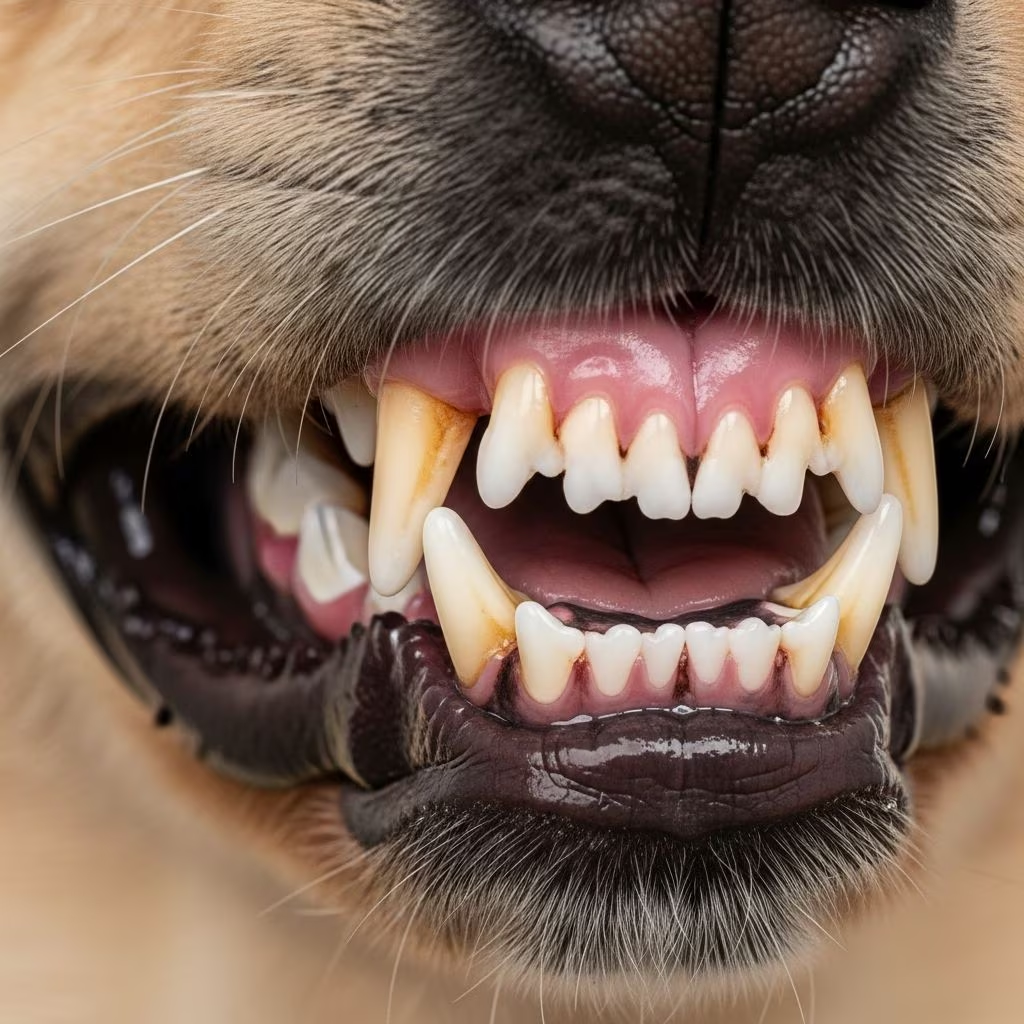
Dental disease represents one of the most prevalent yet preventable health conditions affecting dogs today. Many pet owners remain unaware of the silent nature of oral infections, which often progress without obvious symptoms until reaching advanced stages. Understanding the mechanisms, warning indicators, and intervention strategies for dental disease is essential for maintaining your dog’s long-term health and quality of life.
The Foundation of Oral Infection: How Dental Disease Develops
Canine dental disease begins with a seemingly innocuous process: the accumulation of bacteria and food particles along the gum line. When these materials are not removed through regular cleaning, they consolidate into a sticky substance called plaque. Within just two to three days, this plaque combines with minerals present in saliva and hardens into tartar, a rough, mineralized deposit that becomes increasingly difficult to remove without professional intervention.
The bacterial growth that accompanies tartar buildup triggers an inflammatory response from your dog’s immune system. As bacteria multiply beneath the gum line, they release waste products including hydrogen sulfide, ammonia, and various acids. These byproducts, combined with the body’s own inflammatory response, gradually damage the tissues supporting the teeth, including the gums, ligaments, and bone structure.
Multiple factors can accelerate this process. Breed predisposition plays a significant role, with small-breed dogs exhibiting higher susceptibility to severe periodontal disease than their larger counterparts. Genetic factors, advancing age, nutritional deficiencies, and misaligned teeth that create crowding can all contribute to the rate at which dental disease develops. Additionally, poor grooming habits and contact with unclean objects increase bacterial exposure and plaque formation.
Identifying Warning Signs: Recognizing Dental Problems Early
One of the most challenging aspects of canine dental disease is its tendency to progress silently. Dogs often mask discomfort remarkably well, and visible symptoms typically emerge only after significant damage has occurred. However, attentive owners can identify several warning indicators that warrant veterinary evaluation:
- Oral Discoloration: Teeth that appear brown or yellow, or gums that display unusual coloration beyond their normal coral-pink hue, may indicate bacterial infection or calculus accumulation.
- Halitosis (Bad Breath): While not exclusively indicative of dental disease, persistent foul breath often results from bacterial overgrowth and tissue deterioration in the oral cavity.
- Gum Changes: Inflammation, redness, swelling, or bleeding of the gums—especially when touched or during eating—signals active gum disease.
- Tooth Integrity Issues: Loose, missing, or fractured teeth indicate advanced bone loss and structural deterioration of tooth support systems.
- Behavioral Modifications: Changes in eating patterns, such as favoring one side of the mouth, dropping food, or preferring soft foods to hard kibble, often reflect oral pain.
- Excessive Salivation: Unusual drooling, particularly if tinged with blood, suggests gum damage or infection.
- Facial Swelling: Swelling on the face, particularly below the eye, may indicate a tooth root abscess—a localized infection requiring immediate attention.
- Secondary Behaviors: Pawing at the mouth, head shaking, jaw chattering, or unusual irritability may all reflect oral discomfort.
- Systemic Signs: Unexplained weight loss or reduced appetite can result from dental pain making eating difficult or uncomfortable.
The Progression Timeline: Understanding Disease Stages
Dental disease in dogs follows a predictable progression pattern, with distinct stages characterized by increasing tissue damage. Recognizing which stage your dog has reached helps guide appropriate treatment decisions.
Stage One: Initial Inflammation
The earliest stage involves inflammation confined to the gums—a condition known as gingivitis. At this point, the gums change color from healthy coral-pink to red or purple, and the gum margin swells noticeably. The gums bleed easily when touched or during eating, and bad breath typically becomes apparent. Importantly, at this stage, the ligaments and bone supporting the teeth remain unaffected, making gingivitis potentially reversible with appropriate intervention.
Stage Two: Attachment Loss Begins
As the disease progresses, the connection between teeth and gums begins to deteriorate. The immune system’s inflammatory response, while designed to combat infection, paradoxically contributes to tissue breakdown. X-rays taken during this stage may reveal minimal bone loss, yet the structural integrity of tooth support is compromised.
Stage Three: Moderate Structural Damage
By stage three, significant changes become evident. Gums appear distinctly red and may bleed during normal activities. X-ray examination typically reveals 25 to 50 percent bone loss around affected teeth. Pain becomes more pronounced, affecting your dog’s eating habits and overall behavior. Dental surgery often becomes necessary at this stage to address severely compromised teeth.
Stage Four: Advanced Irreversible Disease
Advanced dental disease represents the final stage, characterized by infection and inflammation affecting more than 50 percent of the gum and bone structure surrounding teeth. Multiple teeth may be missing, loose, or severely compromised. The damage is irreversible, and aggressive intervention becomes necessary to prevent further systemic complications and alleviate severe pain.
Distinguishing Related Conditions: Beyond Simple Plaque
While plaque and tartar accumulation form the foundation of most canine dental disease, several distinct conditions may develop as complications or concurrently:
Gingivitis and Its Implications
Gingivitis—inflammation of the gums caused by bacterial plaque—represents the earliest and most treatable form of dental disease. When caught early, mild gingivitis can improve substantially through consistent home care involving daily toothbrushing. More moderate to severe cases require professional scaling and polishing under anesthesia to remove tartar both above and below the gum line.
Tooth Root Abscess: A Serious Complication
When bacteria penetrate beneath the gum line and establish infection around a tooth root, a tooth root abscess develops. This condition causes significant pain and frequently produces facial swelling, particularly below the eye. Tooth root abscesses represent true emergencies requiring prompt veterinary intervention, as the infection can spread systemically and compromise overall health.
Professional Treatment Approaches
The specific treatment recommended for your dog depends on the disease stage and severity of damage. Veterinarians employ several intervention strategies:
Preventive and Early-Stage Care
Professional dental cleaning performed under general anesthesia remains the cornerstone of early intervention. This procedure involves thorough scaling to remove tartar and plaque, followed by polishing to smooth tooth surfaces and reduce future bacterial adhesion. For mild gingivitis, aggressive home care with daily toothbrushing may prevent disease progression and avoid the need for additional intervention.
Advanced Interventions
As disease severity increases, treatment becomes more complex. Deep root cleaning reaches tartar and bacteria below the gum line. Bone graft placement may help regenerate lost supporting bone structure around tooth roots. When teeth are severely compromised or cause chronic pain, extraction eliminates the source of infection and discomfort. Root canal procedures, while less common in veterinary dentistry than human practice, may be considered for valuable teeth with endodontic disease.
Antibiotic Management
Veterinarians frequently prescribe antibiotics to manage bacterial infections associated with advanced dental disease. These medications help control infection systemically while local dental treatment addresses the source.
Home Care: The Foundation of Long-Term Oral Health
Professional veterinary intervention provides essential treatment, but home dental care forms the foundation of prevention and long-term oral health management. Daily toothbrushing represents the single most effective home care strategy, mechanically removing plaque before it hardens into tartar. Even dogs who have undergone professional cleaning benefit tremendously from consistent brushing routines, which can prevent or significantly slow disease recurrence.
Dental-specific treats and chews designed to reduce plaque accumulation may provide supplementary benefits. High-quality nutrition supports overall oral health, while maintaining appropriate body weight reduces systemic inflammation that can exacerbate gum disease.
Prevention: The Optimal Strategy
Rather than treating dental disease after it develops, prevention offers superior outcomes. Establishing consistent home dental care early in your dog’s life—ideally beginning in puppyhood—creates lifelong habits that maintain oral health. Regular veterinary examinations allow early detection of developing problems before they progress to advanced stages. Professional dental cleanings performed at appropriate intervals help remove tartar that home care cannot address.
Understanding that periodontal disease remains preventable through routine cleanings and diligent home brushing throughout your dog’s entire life should motivate proactive management. The time invested in prevention dramatically exceeds the time, expense, and emotional burden of treating advanced disease.
Frequently Asked Questions About Canine Dental Disease
How often should I brush my dog’s teeth?
Daily brushing provides optimal results for plaque removal. Even several times weekly offers substantial benefits compared to no brushing. Consistency matters more than perfection—establish a routine your lifestyle can sustain.
At what age do dogs develop dental disease?
Dental disease becomes more common as dogs age, but it can develop at any age. Small-breed dogs and those with genetic predisposition may show signs earlier. Regular examination and preventive care should begin in younger dogs to catch early stages.
Can dental disease affect my dog’s overall health?
Yes, advanced dental disease can have systemic implications. Chronic bacterial infections can affect organs throughout the body, and severe oral pain impacts eating, weight management, and quality of life.
Is anesthesia necessary for professional dental cleaning?
Yes, general anesthesia is essential for thorough professional cleaning, as it allows access to areas below the gum line and ensures complete tartar removal. Modern anesthetic protocols are quite safe for most dogs.
What diet supports dental health?
While specialized dental diets exist, high-quality nutrition overall promotes better immune function and tissue health. Discuss dietary recommendations with your veterinarian, as individual needs vary based on your dog’s health status.
References
- Periodontal Disease in Dogs: Symptoms, Causes & Treatment — Lake Cross Veterinary Hospital. https://www.lakecross.com/site/blog-huntersville-vet/2020/07/22/periodontal-disease-dogs-symptoms-treatment
- Dental Disease in Dogs — PDSA (People’s Dispensary for Sick Animals). https://www.pdsa.org.uk/pet-help-and-advice/pet-health-hub/conditions/dental-disease-in-dogs
- Dental Issues in Dogs — PetMD. https://www.petmd.com/dog/conditions/mouth/dental-issues-dogs
- Dental Disorders of Dogs — Merck Veterinary Manual. https://www.merckvetmanual.com/dog-owners/digestive-disorders-of-dogs/dental-disorders-of-dogs
- Dental Disease in Dogs — VCA Animal Hospitals. https://vcahospitals.com/know-your-pet/dental-disease-in-dogs
- Dental Disease and Home Dental Care — Cornell University College of Veterinary Medicine, Riney Canine Health Center. https://www.vet.cornell.edu/departments-centers-and-institutes/riney-canine-health-center/canine-health-information/dental-disease-and-home-dental-care



