

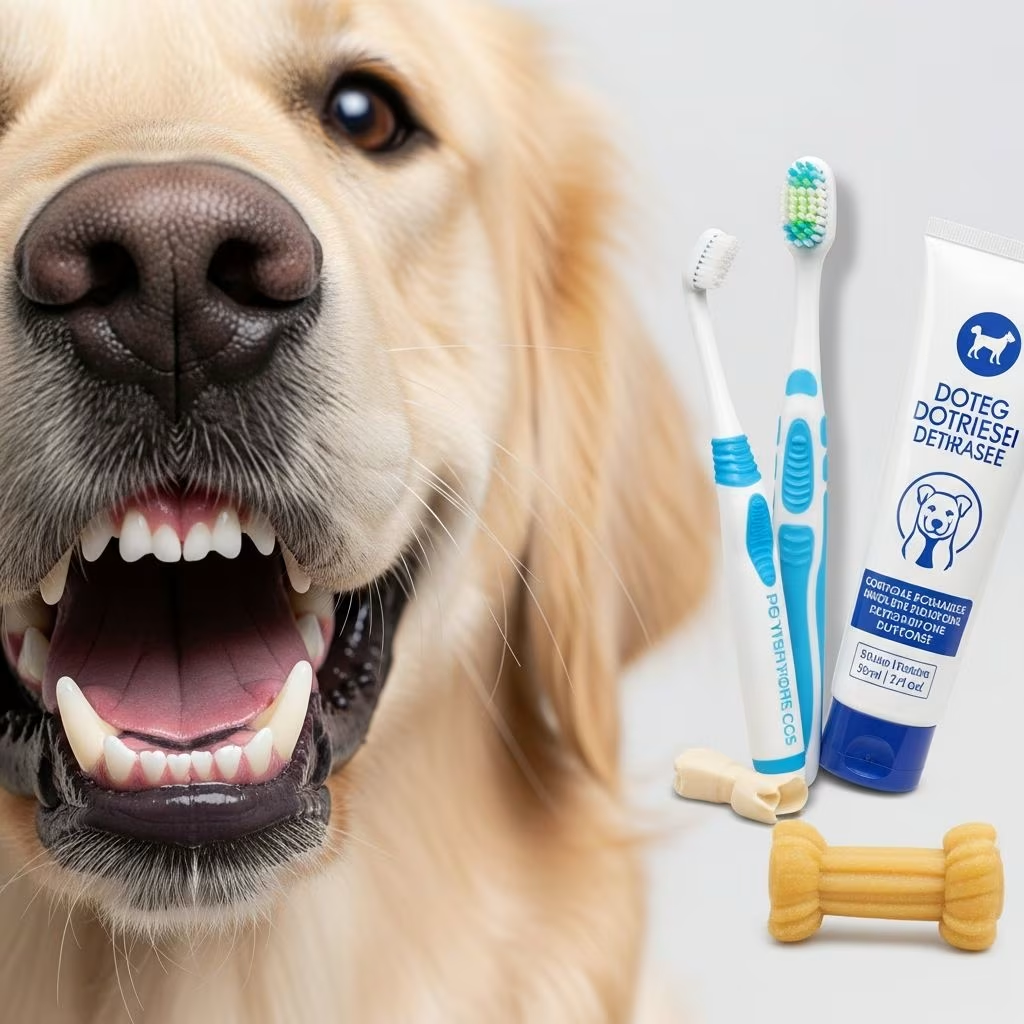
Many dog owners focus on their pets’ nutrition, exercise, and general wellness while overlooking one critical aspect of health: dental care. The reality is that oral hygiene in dogs directly influences their longevity, comfort, and susceptibility to serious medical conditions. Understanding the significance of canine dental maintenance and implementing consistent care strategies can add years of quality life to your companion.
The Overlooked Foundation of Canine Wellness
Dental disease ranks as one of the most prevalent health issues affecting dogs today, second only to ear infections in frequency. Yet many pet owners remain unaware of how profoundly oral health impacts their dog’s overall physical condition. Unlike humans who can articulate dental discomfort, dogs often suffer silently, masking pain through behavioral changes that owners may misinterpret as normal aging or personality shifts.
The progression of dental disease in canines mirrors human dental pathology. Plaque accumulation begins immediately after eating, and without intervention, this substance hardens into tartar within days. Once tartar forms below the gum line, professional removal becomes necessary, as mechanical brushing alone cannot reach these subgingival deposits.
Understanding the Cascade of Oral Deterioration
When dental hygiene is neglected, dogs experience a predictable sequence of problems. Initial plaque accumulation leads to gingivitis, characterized by inflammation of the gingival tissues. This early stage remains reversible with proper intervention, making early detection crucial.
If left untreated, gingivitis progresses to periodontal disease, involving infection of both gum tissue and underlying bone structures. At this advanced stage, teeth become loose as their supporting structures deteriorate, ultimately resulting in tooth loss. Dogs with missing teeth experience difficulty eating, reduced nutritional intake, and chronic discomfort that affects their behavioral patterns and quality of life.
The Systemic Health Connection
Perhaps the most significant finding in veterinary medicine is the relationship between oral bacteria and systemic organ disease. When periodontal disease develops, pathogenic bacteria breach the gum barrier and enter the bloodstream through damaged blood vessels. This bacteremia can seed infection in vital organs.
Organs at risk from oral bacteria include:
- The heart, where bacteria can cause endocarditis or myocarditis
- The kidneys, leading to glomerulonephritis and chronic kidney disease
- The liver, potentially causing hepatic dysfunction
- The lungs, potentially triggering respiratory complications
Research demonstrates that dogs with untreated dental disease face significantly elevated risks of cardiovascular disease, kidney dysfunction, and liver problems. By maintaining oral health, owners directly reduce their pets’ susceptibility to these life-threatening conditions.
Oral Discomfort and Behavioral Changes
Dental disease causes genuine pain for dogs, though they typically hide their suffering until the condition becomes severe. Inflamed gums, exposed tooth roots, and abscessed teeth create constant discomfort that manifests as behavioral shifts. Owners often notice their dogs eating more slowly, chewing on only one side of the mouth, or losing interest in hard kibble.
Beyond eating difficulties, oral pain triggers broader behavioral changes. Dogs experiencing chronic mouth discomfort often become withdrawn, display irritability, or show reduced interest in play and social interaction. These behavioral changes frequently get attributed to aging or personality changes when they actually signal underlying dental pathology. Once dental treatment restores oral comfort, many owners report their dogs’ energy levels and enthusiasm return noticeably.
The Economics of Prevention Versus Treatment
While professional dental cleanings require investment, the cost pales in comparison to treating advanced dental disease and its complications. A preventative cleaning typically costs significantly less than extractions, antibiotics, and imaging required when disease becomes severe. Furthermore, preventing systemic infections eliminates the considerably higher costs of treating heart disease, kidney disease, or liver dysfunction in aging dogs.
Professional dental care also allows veterinarians to detect early oral pathology before it advances. This early intervention approach saves money while sparing dogs unnecessary suffering.
Professional Dental Cleaning: What to Expect
Professional cleanings involve several distinct phases. First, veterinarians perform a thorough oral examination, documenting existing pathology and identifying teeth requiring extraction. Radiographic imaging provides visualization of subgingival disease and root conditions not visible during surface examination.
The cleaning itself utilizes ultrasonic scalers to remove tartar both above and below the gum line. This subgingival scaling proves essential for treating periodontal disease, as surface brushing cannot reach infected areas. Following scaling, veterinarians polish teeth to create a smooth surface that discourages rapid plaque reaccumulation. Any teeth deemed compromised or irretrievably diseased are extracted to eliminate chronic pain and infection.
Recommended Cleaning Frequency
The ideal frequency for professional dental cleanings varies based on individual canine factors. Dogs with excellent oral hygiene and no existing disease may require professional cleaning annually or every eighteen months. Those with established periodontal disease or predisposition to rapid tartar formation may need professional intervention every six to twelve months.
Certain dog breeds exhibit genetic predisposition to dental disease. Smaller breeds, including toy poodles, chihuahuas, and Yorkshire terriers, demonstrate higher rates of early periodontal disease than larger breeds. These individuals typically benefit from more frequent professional cleanings and more rigorous home care protocols.
At-Home Care: The Foundation of Dental Health
Professional cleanings represent only one component of comprehensive dental care. Consistent at-home maintenance between professional appointments proves equally important for preventing plaque recurrence and maintaining oral health. Daily tooth brushing using dog-specific toothpaste provides the single most effective intervention available to dog owners.
The American Veterinary Medical Association identifies regular brushing as the most effective method for controlling plaque and tartar formation. Ideally, brushing should occur daily, though brushing several times weekly provides meaningful benefit when daily brushing proves impractical. Most dogs adapt to brushing with consistent, positive conditioning.
Effective brushing technique involves:
- Using a soft-bristled toothbrush designed for canines
- Applying gentle pressure at the gum line where plaque accumulates
- Using horizontal brushing strokes rather than vertical motions
- Focusing on the outer tooth surfaces where plaque most commonly forms
- Using only dog-specific toothpaste, as human formulas contain harmful ingredients
Supplementary At-Home Interventions
Beyond brushing, several additional strategies support oral health. Dental treats designed to mechanically reduce plaque through chewing action provide some benefit, though they cannot replace brushing. Certain treats contain enzymes or compounds specifically formulated to inhibit plaque formation.
Water additives containing chlorhexidine or zinc have demonstrated efficacy in reducing bacterial growth, though research suggests these supplements work optimally alongside mechanical plaque removal. Diet can influence oral health; some commercial diets formulated with specific kibble textures and ingredients promote dental health better than soft foods that contribute to rapid plaque accumulation.
Fresh Breath and Quality of Life
Beyond the clinical benefits of dental care, oral health directly affects the human-animal bond. Dogs with healthy teeth and gums have fresher breath, making close contact and cuddles more enjoyable for owners. The characteristic “doggy breath” frequently results from bacterial overgrowth in diseased mouths rather than representing normal canine physiology. Regular dental care virtually eliminates this odor in most dogs.
Identifying Signs of Dental Disease
Owners should monitor their dogs for warning signs indicating emerging dental pathology. Persistent bad breath, visible tartar on teeth, red or swollen gums, and behavioral changes during eating warrant veterinary evaluation. Some dogs exhibit increased drooling or visible bleeding from the mouth when advanced periodontal disease develops.
Annual veterinary examinations should include thorough oral evaluation. Veterinarians can identify early-stage disease before it advances, allowing preventative intervention that preserves tooth structure and function.
Common Questions About Canine Dental Care
FAQ
How often should I brush my dog’s teeth?
Daily brushing provides optimal protection, though several times weekly offers meaningful benefit. Even occasional brushing supports oral health better than no brushing at all.
Can diet influence my dog’s dental health?
Yes. Dry kibble with appropriate texture promotes mechanical plaque removal better than soft foods. Specific commercial diets formulate ingredients to support oral health.
What age should I start dental care?
Dental care should begin in puppyhood through brushing, establishing positive associations with oral care. Professional cleanings typically begin in middle age, though some dogs require earlier intervention.
Are extractions necessary during professional cleaning?
Veterinarians recommend extraction only for teeth that cannot be saved through treatment. Modern dental techniques preserve tooth structure whenever possible.
Can my dog function normally with missing teeth?
Dogs adapt well to missing teeth and can eat normally even with significant tooth loss, though prevention of tooth loss remains preferable.
Building a Sustainable Dental Care Routine
Implementing dental care requires establishing consistent routines that become habits rather than chores. Starting with short brushing sessions helps dogs adapt to the sensation. Positive reinforcement during and after brushing builds positive associations, making compliance easier over time.
Scheduling professional cleanings at the same time annually establishes a routine, reducing the likelihood of oversight. Discussing individual risk factors and recommended frequency with your veterinarian ensures personalized planning appropriate for your specific dog’s needs and circumstances.
Comprehensive canine dental care represents an investment in your dog’s health that yields profound returns through enhanced comfort, disease prevention, and extended quality of life. By prioritizing oral hygiene through consistent home care and periodic professional intervention, owners take active responsibility for their pets’ overall wellbeing and longevity.
References
- Cleaning Your Dogs Teeth – Dog Dental Health — Royal Society for the Prevention of Cruelty to Animals (RSPCA). Accessed 2026. https://www.rspca.org.uk/adviceandwelfare/pets/dogs/health/teeth
- The Importance of Regular Dog Teeth Cleaning: Key Health Benefits — Levittown Animal Hospital. Accessed 2026. https://www.levittownvet.com/benefits-of-regular-dog-teeth-cleaning/
- 5 Reasons Why Dog Dental Care Is Important — PetMD. Accessed 2026. https://www.petmd.com/news/view/5-reasons-why-dog-dental-care-important-38003
- Why Dog Teeth Cleaning is Important for Your Pet’s Health — Chimacum Veterinary Clinic. Accessed 2026. https://chimacumvet.com/blog/dog-teeth-cleaning/
- Pet Dental Care — American Veterinary Medical Association (AVMA). Accessed 2026. https://www.avma.org/resources-tools/pet-owners/petcare/pet-dental-care



