

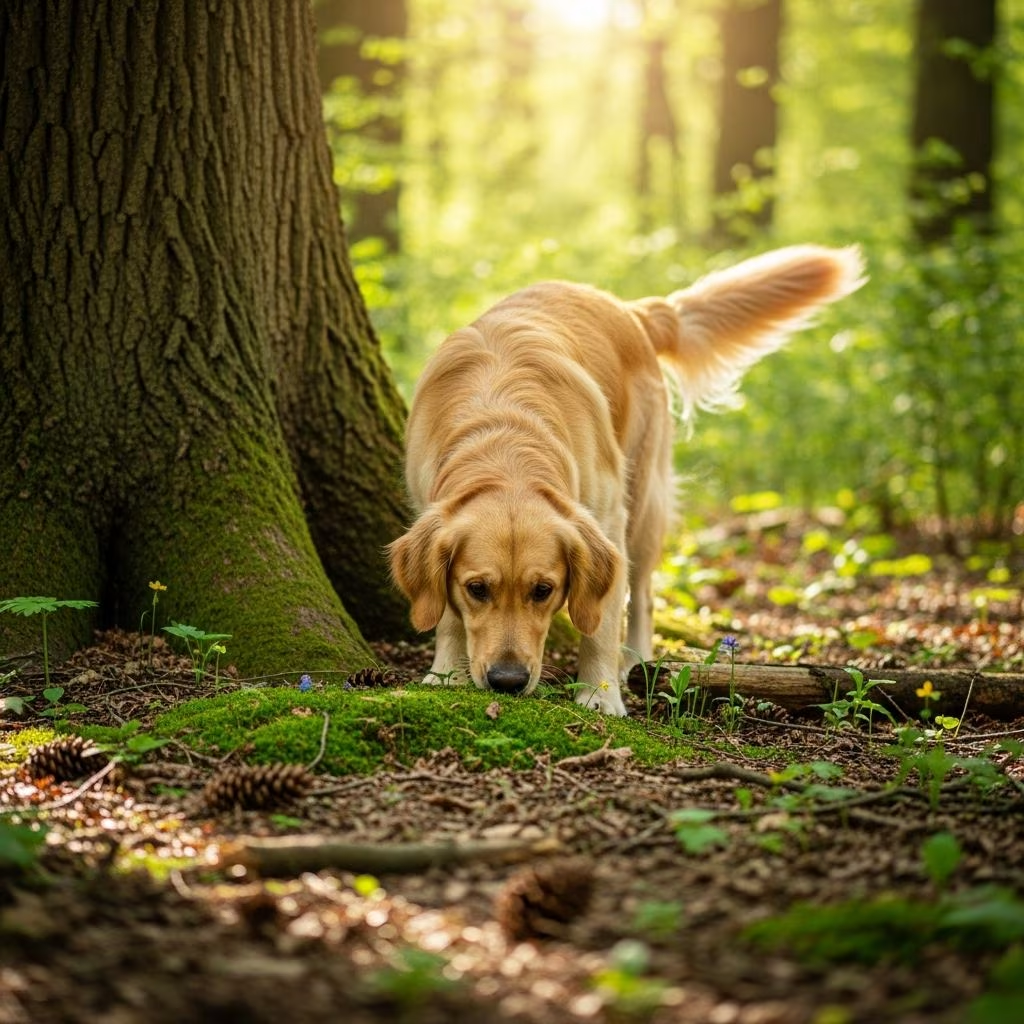
Dogs experience the world primarily through their sense of smell, a faculty that far surpasses human olfactory capabilities. A dog’s nose contains approximately 300 million olfactory receptors, enabling them to detect scents between 10,000 and 100,000 times more accurately than humans. This extraordinary sensory ability isn’t merely a biological curiosity—it represents a gateway to profound improvements in canine mental health, emotional stability, and behavioral development. When pet owners leverage this natural strength through intentional olfactory enrichment activities, they unlock transformative benefits that extend far beyond simple entertainment.
Understanding Your Dog’s Olfactory Capabilities and Brain Function
The olfactory system in dogs operates as a sophisticated neural network that demands substantial cognitive resources. When dogs engage in scent detection and processing, they activate a large portion of their brain dedicated to interpreting and analyzing odor information. This neural engagement differs fundamentally from visual or auditory processing in humans, making scent work a uniquely powerful tool for canine mental stimulation.
The relationship between scent processing and canine behavior is direct and measurable. Dogs who participate in regular olfactory activities experience measurable shifts in their neurological functioning, leading to improved focus, enhanced problem-solving abilities, and better emotional regulation. The brain’s reward pathways activate during successful scent identification, creating positive associations with problem-solving and task completion.
Cognitive Development Through Nasal Engagement
Scent-based activities represent one of the most effective methods for stimulating canine cognition. Unlike traditional play or basic obedience exercises, olfactory work challenges dogs to analyze environmental data, process complex information patterns, and make independent decisions about target location and identification.
Enhanced Problem-Solving Capacity: When dogs follow scent trails or locate hidden aromatic targets, they engage in genuine problem-solving. This activity strengthens their analytical capabilities and teaches them to persist through challenges, developing resilience and confidence in their ability to overcome difficulties.
Sustained Attention and Impulse Regulation: Olfactory work requires dogs to maintain focus for extended periods, filtering out distractions and concentrating on subtle scent variations. This sustained attention naturally translates into improved impulse control in other contexts, creating dogs who demonstrate better listening skills and reduced reactive behaviors.
Neurological Fatigue and Relaxation: Mental exertion through scent work produces a specific type of tiredness that differs from physical exhaustion. Dogs who engage in intense olfactory activities often demonstrate remarkable behavioral changes afterward, displaying increased calm, receptiveness to relaxation, and improved ability to settle.
Emotional Wellness and Anxiety Reduction
Beyond cognitive enhancement, olfactory enrichment addresses fundamental emotional needs in dogs. Many behavioral problems stem from unmet mental needs and suppressed natural instincts. When dogs engage in scent work, they channel their inherent drives into constructive, rewarding activities that provide genuine satisfaction.
Anxiety and Stress Relief: Dogs experiencing stress or anxiety often display destructive behaviors, excessive vocalization, or restlessness. Scent-based activities provide a healthy outlet for stress regulation by allowing dogs to engage their natural instincts in controlled, positive contexts. The mental focus required during olfactory work redirects anxious energy into purposeful activity, reducing the neurological patterns associated with stress responses.
Confidence Building: Shy, nervous, or behaviorally inhibited dogs benefit substantially from structured olfactory activities. The clear, achievable goals inherent in scent work provide dogs with experiences of competence and success. Each successful scent identification reinforces a positive self-image and builds emotional resilience.
Natural Instinct Satisfaction: Dogs possess deeply ingrained drives to track, hunt, and explore through scent. When modern domestic life prevents natural expression of these instincts, dogs often develop compensatory behaviors or emotional imbalance. Olfactory enrichment directly addresses this instinctual need, providing genuine satisfaction rather than mere distraction.
Behavioral Transformation Through Olfactory Activities
The behavioral improvements resulting from consistent scent work engagement are substantial and measurable across multiple dimensions of canine conduct.
- Reduced Hyperactivity: Dogs with excessive energy often lack appropriate outlets for mental stimulation. Scent work channels high-drive energy into productive tasks, effectively reducing hyperactive behaviors and creating more balanced, manageable dogs.
- Prevention of Destructive Behaviors: Boredom-related destruction—including inappropriate chewing, digging, and material shredding—significantly decreases when dogs receive adequate mental enrichment. Olfactory work addresses the root cause of these behaviors rather than merely managing symptoms.
- Improved Social Conduct: Dogs trained through group scent work classes develop better focus and discipline in social settings. The cognitive engagement required by olfactory activities helps dogs maintain composure and positive behavior even in stimulating environments with other animals.
- Enhanced Handler Bonding: Collaborative scent work creates powerful positive associations between dogs and their handlers, strengthening the relationship through shared success and mutual trust.
Physical Health Benefits of Olfactory Engagement
While olfactory enrichment is fundamentally a cognitive activity, it provides substantial physical benefits, particularly for dogs with age-related limitations or injury recovery needs.
Movement Variety and Natural Locomotion: Scent work encourages dogs to move in patterns mimicking natural hunting behaviors—walking, trotting, weaving, and directional changes. These varied movement patterns engage different muscle groups and promote overall physical development.
Low-Impact Exercise Option: For senior dogs, dogs recovering from orthopedic injuries, or breeds prone to joint issues, scent work provides meaningful physical activity without the joint stress associated with high-intensity exercise like running or jumping. Dogs can engage in olfactory activities at their own pace, adjusting intensity based on physical capability.
Endurance and Cardiovascular Development: Extended scent-trailing exercises build endurance gradually and naturally. Dogs may follow scent trails for extended periods, increasing cardiovascular capacity and overall stamina without the injury risk associated with forced exercise programs.
Musculoskeletal Strengthening: Navigating varied terrain during scent work—crossing fields, moving through forests, or traversing indoor scent courses—naturally strengthens muscles and maintains joint flexibility without structured, repetitive exercise.
Practical Methods for Implementing Olfactory Enrichment
Incorporating scent-based activities into your dog’s routine requires minimal specialized equipment and can begin immediately in home environments.
Home-Based Olfactory Activities
- Scent Hide-and-Seek: Conceal treats or favored toys throughout your home, garage, or yard. Encourage your dog to locate these hidden items using olfactory cues. Begin with easily accessible locations and progressively increase difficulty as your dog’s skill develops.
- Scent Trail Creation: Establish basic scent trails by placing food or scented objects along predetermined paths. Guide your dog to follow these trails, rewarding successful progress. Trails can be as simple as leading across a room or as complex as extending through multiple environmental zones.
- DIY Enrichment Devices: Snuffle mats and puzzle toys encourage natural foraging behavior. These devices mimic the search patterns dogs employ in natural environments, providing mental engagement during brief activity sessions.
Professional Training and Competition
Dogs demonstrating enthusiasm for olfactory activities may benefit from professional scent work training programs. Organizations offer structured courses in nose work, scent detection, and related activities that provide systematic skill development, handler guidance, and social benefits through group participation.
Distinguishing Scent Walks from Traditional Exercise Outings
Scent walks represent a fundamentally different walking experience than typical exercise or potty-break excursions. Understanding these distinctions helps pet owners provide appropriately varied enrichment across multiple daily outings.
| Walk Type | Primary Focus | Handler Role | Duration Flexibility | Behavioral Impact |
|---|---|---|---|---|
| Scent Walk | Olfactory exploration and processing | Permissive; allows dog-directed investigation | Variable based on scent engagement | Cognitive stimulation; relaxation |
| Exercise Walk | Physical activity and fitness | Directional; maintains pace and route | Predetermined distance/duration | Physical exhaustion; controlled energy |
| Routine Outing | Potty break and bathroom needs | Efficient; focused on task completion | Brief; time-limited | Practical; minimal enrichment |
Pet owners benefit from rotating between these different walking modalities. Some days may emphasize scent exploration, while other outings prioritize exercise or efficiency. This variety prevents behavioral confusion while ensuring comprehensive enrichment.
Age-Specific Considerations in Olfactory Enrichment
Puppies: Young dogs naturally employ their noses for environmental exploration. Channeling this instinctual behavior into structured activities accelerates cognitive development and establishes positive engagement patterns early in life.
Adult Dogs: Dogs in their prime years benefit most from intentional, challenging olfactory activities. This life stage permits maximum cognitive demands and skill progression.
Senior Dogs: Aging dogs continue to benefit from scent work, with the added advantage of low physical impact. Mental engagement remains crucial for cognitive health, and olfactory activities provide this without excessive physical strain.
Frequently Asked Questions About Canine Olfactory Enrichment
Q: How frequently should dogs engage in scent work activities?
A: Frequency depends on individual dog temperament, age, and current enrichment levels. Starting with 2-3 structured sessions weekly allows you to assess your dog’s response and adjust accordingly. Many dogs benefit from incorporating scent elements into daily activities in addition to dedicated sessions.
Q: What breeds are best suited for olfactory activities?
A: All dogs possess olfactory capability and benefit from scent-based enrichment. Breeds traditionally developed for hunting or scent-tracking often demonstrate particular enthusiasm, but individual variation exists within all breeds. A dog’s motivation and drive matter more than breed classification.
Q: Can olfactory enrichment address specific behavioral problems?
A: Scent work can help manage behaviors rooted in boredom, anxiety, or unmet mental stimulation needs. For complex behavioral issues, olfactory enrichment works best as part of comprehensive training approaches addressing multiple causative factors.
Q: Does weather affect scent work activities?
A: Extreme weather—very hot, cold, or wet conditions—may require activity adjustments. However, scent work can continue in most weather conditions, sometimes with increased effectiveness in humid environments where scent particles remain more available.
Q: What safety considerations apply to olfactory enrichment?
A: Ensure hidden items or scent sources are non-toxic and appropriately sized for your dog. Supervise activities with new scent materials to prevent ingestion of unsuitable substances. Modify terrain and duration for dogs with physical limitations.
The Lasting Impact of Olfactory Enrichment
Implementing consistent olfactory enrichment creates cumulative benefits extending far beyond individual training sessions. Dogs who regularly engage their olfactory capabilities demonstrate improved overall wellbeing, enhanced behavioral stability, and stronger relationships with their handlers. The combination of cognitive stimulation, emotional satisfaction, and physical activity through scent-based enrichment addresses fundamental canine needs often unmet in typical domestic environments.
By recognizing and leveraging your dog’s extraordinary olfactory capabilities, you provide an accessible, powerful pathway to transforming their mental health, emotional state, and behavioral expression. This enrichment approach respects dogs’ natural instincts while channeling these drives into activities that enhance both individual wellbeing and the human-canine relationship.
References
- How Scent Training Challenges Your Dog Mentally and Physically — A Peaceful Pack. 2024. https://www.apeacefulpack.com/post/how-scent-training-challenges-your-dog-mentally-and-physically
- The Values of Scent Work for You and Your Dog — Freak on a Leash Dog Training. 2024. https://freakonaleashdogtraining.com/scent-work/
- The Many (Some Surprising) Uses and Benefits of Scent Work — American Kennel Club. 2024. https://www.akc.org/expert-advice/sports/many-uses-benefits-scent-work/
- Dog Sniffing Benefits: Why ‘Scent Walks’ Are So Important — PetMD. 2024. https://www.petmd.com/dog/behavior/importance-scent-walks-dogs
- 5 Benefits of Teaching Your Dog Scent Work — Jolly Pets. 2024. https://jollypets.com/blogs/training-enrichment/5-benefits-of-teaching-your-dog-scent-work



