

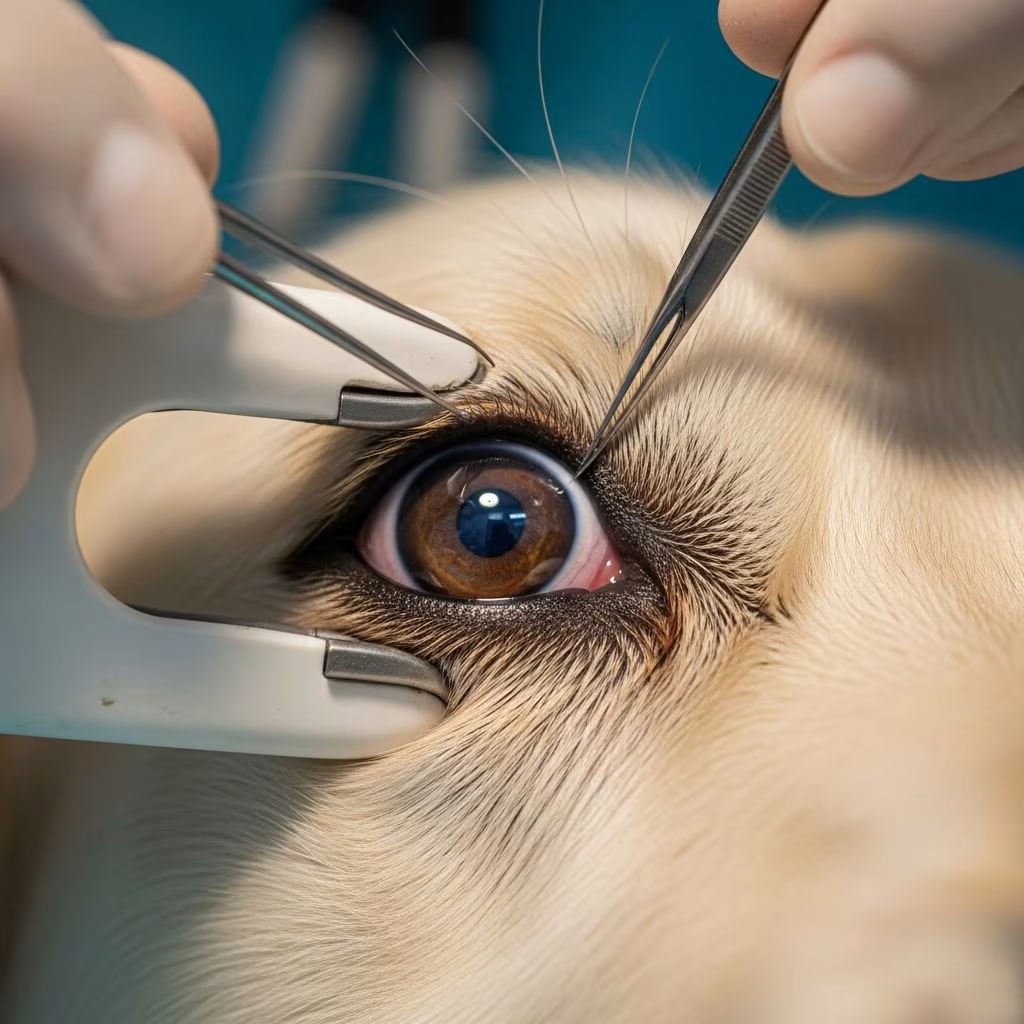
Dogs frequently encounter eye conditions necessitating surgical intervention to alleviate pain, restore vision, and prevent complications. These procedures range from simple eyelid adjustments to complex intraocular operations, tailored to specific diagnoses and breed tendencies.
Understanding the Need for Eye Surgery in Dogs
Canine eye issues arise from genetics, trauma, infections, or aging. Brachycephalic breeds like Bulldogs and Pugs are prone to conformational abnormalities, while others face acquired diseases such as glaucoma or cataracts. Early detection through veterinary exams is crucial, as untreated conditions can lead to blindness or chronic discomfort.
Surgeries aim to correct structural defects, remove pathological tissues, or manage pressure buildup. Board-certified veterinary ophthalmologists often perform these, using general anesthesia for precision and pet safety.
Key Eyelid-Related Surgeries
Eyelid disorders are among the most prevalent, causing irritation from improper contact with the cornea.
Entropion Correction
Entropion involves the eyelid rolling inward, allowing lashes to scratch the eye surface. Common in Shar-Peis, Labradors, and large breeds, it leads to ulcers and infections if ignored.
Surgical Approach:
- Pre-operative assessment marks excess tissue.
- Anesthesia induces sleep; a wedge or arrowhead of skin is excised.
- Tissues are sutured to evert the lid margin, with techniques varying by breed—pocket methods for small dogs, ligament adjustments for large ones.
- Post-op, antibiotic ointments prevent infection.
Success rates exceed 90% with experienced surgeons, though recurrence may require revisions.
Ectropion Management
Conversely, ectropion features sagging lower lids, exposing the eye to dryness and debris, prevalent in Bloodhounds and Mastiffs.
Correction shortens the palpebral fissure via medial canthoplasty, creating a stable pocket for tissue realignment. This enhances tear drainage and protects the globe.
Cherry Eye Repositioning
The third eyelid’s tear gland prolapses in breeds like Cocker Spaniels and Beagles, risking dry eye since it produces 50% of tears.
Procedure Steps:
- Gland identification and pocket creation in the eyelid.
- Gland tucking and suturing to secure position.
- Avoids removal to preserve function.
Imbrication or pocket techniques yield high success, with minimal prolapse recurrence.
Tumor and Growth Removal Techniques
Eyelid tumors, often benign but locally invasive, demand prompt excision to avert spread.
Surgery under anesthesia involves tumor mapping, full-thickness removal, and reconstruction via flaps or grafts. Small defects close primarily; larger ones use sliding skin or advancement flaps to maintain blink function and cosmesis.
Distichiasis—extra lashes—requires marginal incisions for extraction, followed by cautery to deter regrowth. Histopathology confirms tumor type, guiding adjunct therapies.
Intraocular Interventions
Cataract Extraction
Cataracts cloud the lens, impairing sight in breeds like Miniature Poodles. Phacoemulsification ultrasonically fragments and aspirates the lens, implanting an artificial one.
Pre-op ultrasounds assess retina viability. Complications like inflammation are managed with drops, restoring vision in 95% of suitable cases.
Glaucoma Pressure Relief
Elevated intraocular pressure damages the optic nerve, causing pain. Surgeries like laser cyclophotocoagulation or filtering shunts lower pressure when medications fail.
In terminal stages, enucleation removes the source of agony.
Enucleation: When Removal is Necessary
The most definitive procedure, enucleation excises the globe for untreatable glaucoma, tumors, or trauma.
Process:
- Anesthesia and bulbar conjunctival incision.
- Optic nerve severance and muscle disinsertion.
- Optional orbital prosthesis for socket volume.
- Closure and pain control.
Dogs adapt remarkably, showing no ‘phantom’ pain, with cosmetic outcomes aided by fur growth.
Corneal and Anterior Segment Repairs
Ulcers, lacerations, or sequestra necessitate keratectomy—superficial scraping or grafting. Third eyelid flaps protect healing corneas.
For deeper defects, corneal transplants or amniotic membranes promote regeneration.
Advanced Posterior Segment Procedures
Retinal detachments, linked to hypertension or genetics in Collies, benefit from laser retinopexy or vitrectomy to reattach. These high-tech interventions preserve peripheral vision.
Pre-Operative Preparations
| Step | Description |
|---|---|
| Health Screening | Bloodwork, ECG for anesthesia safety. |
| Ocular Exam | Tonometry, fluorescein staining, ultrasound. |
| Client Consultation | Risks, costs, outcomes discussed. |
Post-Operative Care Guidelines
Recovery demands vigilance:
- E-collar to prevent rubbing.
- Topical antibiotics/steroids per schedule.
- Activity restriction 2-4 weeks.
- Follow-up exams at 1, 2 weeks.
Signs of trouble—swelling, discharge—warrant immediate vet contact.
Risks and Complication Management
Though rare, issues include infection, dehiscence, or dry eye. Brachycephalic breeds face higher anesthesia risks. Prompt intervention mitigates most.
Long-term, regular check-ups monitor for contralateral issues.
Breed Predispositions Overview
| Breed Group | Common Conditions | Surgeries |
|---|---|---|
| Brachycephalic | Entropion, Cherry Eye | Blepharoplasty, Gland Reposition |
| Hunting Hounds | Ectropion, Distichiasis | Canthoplasty, Lash Removal |
| Toy Breeds | Cataracts, Glaucoma | Phaco, Shunts |
FAQs on Dog Eye Surgeries
Q: How much do these surgeries cost?
A: Ranges $500-$5000+, depending on complexity and location.
Q: Is general anesthesia safe?
A: Yes, with pre-op screening; mortality under 0.1%.
Q: Can my dog see after enucleation?
A: Unaffected eye compensates fully; mono-vision suffices.
Q: When is surgery urgent?
A: Acute pain, ulcers, or pressure spikes demand immediate action.
Q: Success rates?
A: 85-95% for most, per veterinary ophthalmology data.
Choosing a Specialist
Seek ACVO diplomates for intricate cases. Facilities with phacoemulsifiers and lasers offer superior outcomes.
Pet insurance often covers 70-90%, easing financial burden.
References
- Common Veterinary Eye Surgeries: Purpose, Procedure, and Potential Risks — Vet and Tech. 2023. https://www.vetandtech.com/blogs/common-veterinary-eye-surgeries-purpose-procedure-and-potential-risks
- Pet Eye Surgery — South Federal Animal Hospital. 2024-02-17. https://www.southfederalanimalhosp.com/pet-eye-surgery
- Basic Ophthalmic Surgical Procedures — Veterian Key. 2022. https://veteriankey.com/basic-ophthalmic-surgical-procedures/
- Understanding Common Eye Surgeries for Dogs — Dr. Kelly’s Vet. 2023. https://www.drkellysvet.com/understanding-common-eye-surgeries-for-dogs/
- Eye and Ear Surgery — Caring Hands Vet Clinic. 2024. https://www.caringhandsvetclinic.com/eye-and-ear-surgery
- Surgical Services — Animal Eye Consultants of Iowa. 2023. https://animal-eye-iowa.com/surgical/
- Pet Surgeries in St. Louis, MO — Animal Eye Associates. 2024. https://animaleyeassociatesstl.com/pet-surgeries-st-louis-mo/



