

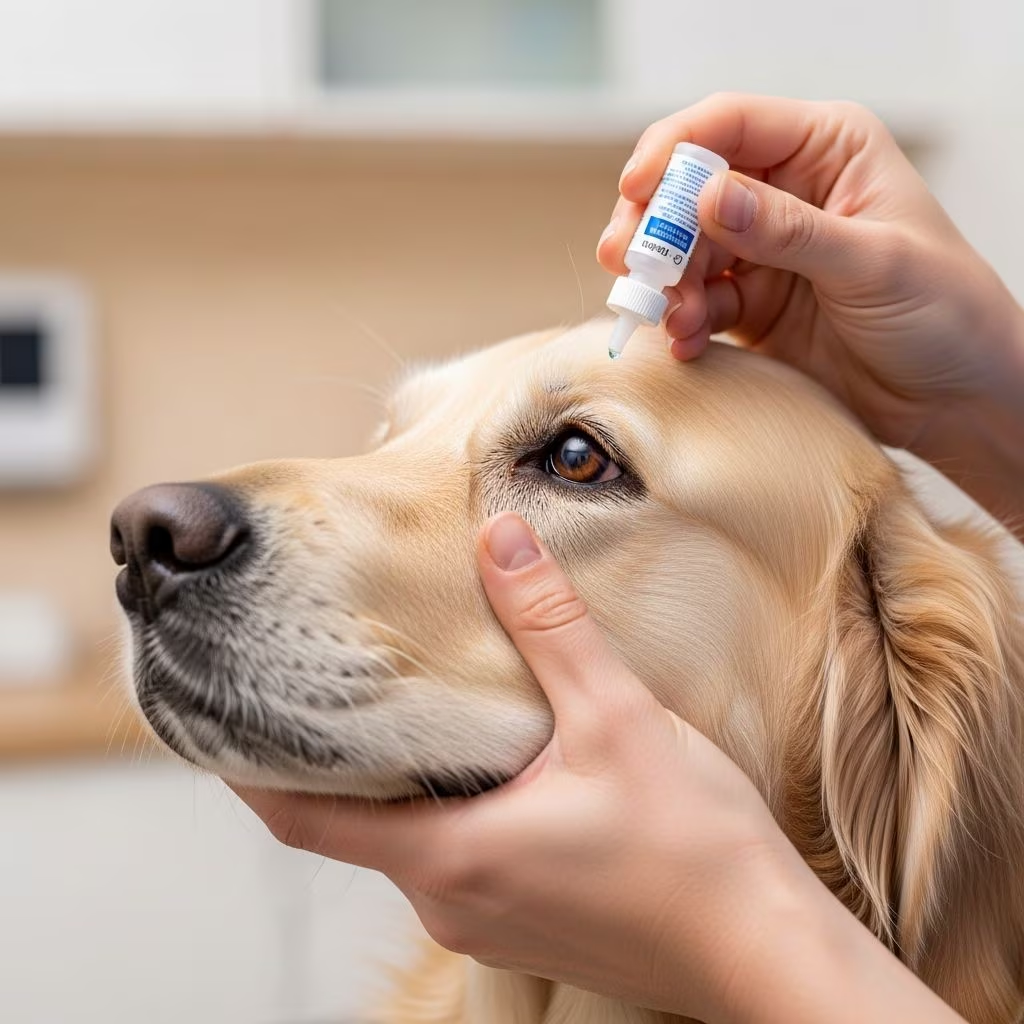
Your dog’s eyes are windows to their world, requiring careful attention and proper care when health issues arise. When veterinarians prescribe eye medications for dogs, pet owners often feel uncertain about proper administration techniques and the reasoning behind treatment recommendations. Understanding how to correctly apply ophthalmic medications is crucial for ensuring your dog receives the full therapeutic benefit of prescribed treatments. This guide provides detailed information about canine eye medications, common conditions requiring treatment, and best practices for administering these vital therapeutics.
Understanding When Dogs Need Ocular Medications
Various eye conditions in dogs necessitate topical or systemic medication. Recognizing signs that your dog requires professional evaluation helps prevent complications and ensures timely intervention. Common indicators include visible redness in the eye tissue, discharge of varying colors ranging from clear to greenish-yellow, excessive blinking or squinting behaviors, and reluctance to open the eye when exposed to light. Additionally, if your dog frequently paws at their eyes or tilts their head favoring one side, these behaviors suggest ocular discomfort requiring veterinary assessment.
The severity and nature of eye discharge can provide clues about the underlying condition. Watery discharge differs significantly from thick, colored secretions, with each type suggesting different pathological processes. Some conditions develop gradually over time, while others emerge suddenly with acute symptoms requiring emergency evaluation.
Primary Eye Conditions Requiring Medication
Conjunctivitis and Inflammatory Conditions
Conjunctivitis, commonly referred to as pink eye, represents one of the most frequently encountered ocular conditions in canine patients. This inflammation of the conjunctival tissue can result from bacterial infections, viral pathogens, or allergic reactions. Clinical presentation typically includes marked redness, tissue swelling, and discharge that may range from clear to purulent depending on etiology. Treatment approaches vary based on the underlying cause, with antibiotic solutions addressing bacterial infections, anti-inflammatory eye drops managing allergic manifestations, and supportive care appropriate for viral cases.
Dry Eye Syndrome
Keratoconjunctivitis sicca, commonly known as dry eye, occurs when tear glands fail to produce adequate tears for maintaining corneal health and lubrication. This condition creates a chronic cycle of irritation and recurrent infections if left untreated. Certain breeds including West Highland Terriers, Cavalier King Charles Spaniels, and Cocker Spaniels demonstrate higher predisposition to this condition. Treatment typically involves tear-stimulating medications, artificial tear solutions, and sometimes anti-inflammatory agents to reduce secondary conjunctival inflammation. Without proper management, dry eye can progress to corneal damage and vision impairment.
Keratitis and Corneal Issues
The cornea, being the eye’s outermost transparent layer, remains particularly vulnerable to injury and infection. Corneal ulcerations develop through traumatic injury, secondary infection, or chronic irritation from dry eye. Clinical signs include pronounced redness, excessive tearing, and notable squinting behavior. Treatment involves antibiotic or antifungal eye drops depending on whether bacterial or fungal organisms are involved, complemented by pain-relief medications. Severe cases may require protective measures or surgical intervention to prevent permanent vision loss.
Glaucoma Management
Glaucoma represents a serious condition characterized by elevated intraocular pressure damaging the optic nerve and retinal structures. Dogs with glaucoma exhibit eye pain, redness, apparent cloudiness, and sometimes a dilated pupil unresponsive to light changes. This condition demands prompt treatment as vision loss can occur rapidly. Medication-based approaches focus on reducing fluid production within the eye and decreasing overall pressure through topical and oral medications. Severe cases or those unresponsive to medical management may require surgical intervention to preserve remaining vision.
Internal Eye Inflammation
Uveitis involves inflammation of the eye’s internal structures including the iris and uveal tissue. This condition can develop secondarily from systemic diseases or primary ocular pathology. Treatment combines topical eye medications with oral anti-inflammatory agents to control pain and inflammation. Importantly, untreated uveitis carries significant risk of developing secondary complications including lens luxation, glaucoma, and retinal detachment, potentially resulting in blindness. Most dogs show improvement within 24 hours of appropriate treatment initiation, though veterinary monitoring continues throughout recovery.
Types of Ocular Medications Available
| Medication Category | Primary Uses | Administration Form | Common Conditions Treated |
|---|---|---|---|
| Antibiotic Solutions | Bacterial infection elimination | Drops or ointment | Conjunctivitis, keratitis |
| Anti-inflammatory Agents | Inflammation reduction | Drops or ointment | Allergic reactions, uveitis |
| Tear Stimulants | Tear production enhancement | Drops | Dry eye syndrome |
| Artificial Tears | Lubrication and hydration | Drops | Dry eye, corneal irritation |
| Pressure-Reducing Agents | Intraocular pressure reduction | Drops or oral | Glaucoma |
| Antifungal Agents | Fungal infection treatment | Drops | Fungal keratitis |
Mastering the Technique: Applying Eye Drops
Successful medication administration begins with understanding proper technique. The process requires patience, gentle handling, and systematic approach to ensure medication reaches the ocular surface and provides therapeutic benefit.
Step-by-Step Administration Protocol
- Preparation Phase: Gather all necessary supplies including the prescribed eye drops, clean cotton balls or gauze pads, and warm water. Ensure your hands are thoroughly washed before handling your dog’s eye or medication bottle.
- Positioning: Have your dog sit or lie in a comfortable position where you can easily access their face. For anxious dogs, positioning against a wall or corner may reduce escape attempts.
- Head Positioning: Gently tilt your dog’s head backward and slightly upward, facilitating easier drop instillation. Use your non-dominant hand’s fingers to carefully hold the upper and lower eyelids open, preventing reflexive blinking.
- Bottle Positioning: Hold the drop bottle or ointment tube close to the eye without allowing direct contact with the eye surface, eyelid, or eyelashes. Contact between the bottle tip and eye tissue can introduce contamination and cause discomfort.
- Drop Instillation: Gently squeeze the prescribed number of drops directly onto the eye’s surface or into the lower conjunctival sac. Most prescriptions require one to two drops per application.
- Post-Application: Immediately release your dog’s eyelids and allow natural blinking to distribute medication across the ocular surface. Your dog will automatically spread the medication through blinking movements.
- Discharge Management: Gently wipe away any excess medication or discharge using a clean, damp cotton ball.
Administering Eye Ointments Effectively
Ophthalmic ointments require a slightly different application approach than liquid drops. These thicker formulations provide prolonged contact time with the ocular surface, delivering extended therapeutic benefit.
- Some dogs may require gentle muzzling to prevent interference during application
- Remove any discharge or crusted material around the eye using warm water and cotton balls before applying fresh medication
- Consult the medication package insert for specific dosage instructions
- Gently pull back both upper and lower eyelids to expose the conjunctival surface
- Hold the ointment tube parallel to the lower eyelid edge and dispense a small ribbon of medication along the eyelid margin
- Allow the eyelids to close and gently massage them together to distribute the ointment across the eye’s entire surface
- Release your dog’s head and permit natural blinking to complete the distribution process
Diagnostic Procedures Preceding Treatment
Before prescribing specific eye medications, veterinarians perform comprehensive diagnostic evaluations to identify the underlying condition accurately. These procedures guide treatment selection and predict likely outcomes.
Common Diagnostic Tests
Fluorescein Staining: This test helps identify corneal ulcerations by highlighting areas of corneal damage that absorb the staining dye.
Schirmer Tear Test: This procedure measures tear production levels to diagnose dry eye conditions. The test involves placing a special paper strip near the eye to quantify tear quantity.
Intraocular Pressure Measurement: Tonometry measures eye pressure to diagnose or monitor glaucoma development.
Ophthalmoscopic Examination: This instrument allows veterinarians to visualize internal eye structures including the retina, optic nerve, and lens.
Blood Work and Imaging: When systemic conditions may underlie ocular disease, veterinarians may recommend blood tests or imaging studies to identify contributing factors.
Safety Considerations and Best Practices
Proper medication handling and storage ensures therapeutic efficacy and prevents contamination. Always store eye medications in cool, dark environments unless otherwise specified on the label. Check expiration dates before use, as expired medications may lose potency or become contaminated.
Never allow the bottle tip or tube opening to contact your dog’s eye, eyelid, or surrounding skin. Such contact introduces bacteria and contaminants, potentially worsening the condition being treated. If you accidentally touch the eye with the bottle tip, contact your veterinarian for guidance regarding whether the medication remains safe for use.
Maintain consistent medication schedules as prescribed by your veterinarian. Skipped doses reduce treatment effectiveness and may prolong recovery or allow conditions to worsen. Set phone reminders if needed to ensure you don’t miss scheduled applications.
When to Seek Immediate Veterinary Care
Certain signs warrant immediate veterinary evaluation rather than waiting for scheduled appointments. Sudden vision loss, severe eye pain indicated by reluctance to open the eye, significant increase in discharge volume, or signs of trauma require emergency assessment. Additionally, if your dog’s condition worsens despite medication use, or if new symptoms develop during treatment, inform your veterinarian immediately.
Frequently Asked Questions
How long does treatment typically last?
Treatment duration varies significantly depending on the underlying condition, severity, and individual dog response. Some acute infections may resolve in one to two weeks, while chronic conditions like dry eye require ongoing management, potentially indefinitely.
Can I stop treatment once symptoms improve?
Never discontinue prescribed medications without veterinary approval, even if symptoms appear to resolve. Premature discontinuation allows infections to recur or chronic conditions to flare, potentially causing permanent damage.
What should I do if I miss a dose?
If you miss a scheduled application, administer the medication as soon as you remember unless the next scheduled dose approaches. Never double-dose to compensate for missed applications.
Are there alternative treatment options?
For some conditions, alternatives exist including oral medications, surgical interventions, or specialist referral to veterinary ophthalmologists. Discuss options with your veterinarian to determine the best approach for your dog’s specific situation.
How can I prevent future eye problems?
Regular veterinary check-ups enable early detection of developing eye issues. Maintain proper grooming to prevent hair irritation around the eyes, protect your dog from sharp objects and rough play that could cause injury, and ensure balanced nutrition supporting overall eye health.
Conclusion
Understanding your dog’s eye medications and mastering proper administration techniques significantly improves treatment outcomes and prevents complications. By recognizing warning signs, following your veterinarian’s instructions precisely, and maintaining consistent medication schedules, you provide your dog with the best opportunity for maintaining healthy vision and ocular comfort throughout their life.
References
- Guide to Recognizing and Managing Common Dog Eye Problems — Fetch by The Dodo. 2026. https://fetchvets.com/blog/common-dog-eye-problems/
- Dog Eye Infection — Willow Glen Pet Hospital. 2026. https://willowglenpethospital.com/dog-eye-infection/
- Dog Eye Care — Animal Oasis of the Rockies Veterinary Hospital. 2026. https://www.aorvethospital.com/services/dogs/eye-care-1
- A Guide to Common Eye Problems — Calder Vets. 2026. https://www.caldervets.co.uk/pet-help-advice/dogs/eye-care-for-dogs/55-a-guide-to-common-eye-problems
- Common Dog Eye Diseases — Charlotte Veterinary Ophthalmologist. 2023. https://www.charlotte.carolinavet.com/site/charlotte-emergency-vet-blog/2023/05/15/dog-eye-diseases
- Pet Eye Health: Everything You Need to Know About Common Dog and Cat Eye Disorders — Aurora Veterinary Hospital. 2026. https://www.auroravet.com/services/cats/blog/pet-eye-health-everything-you-need-know-about-common-dog-cat-eye-disorders-part
- What to Know About Your Dog’s Eye Health — CareCredit. 2026. https://www.carecredit.com/well-u/pet-care/dog-eye-health-vodcast/



