

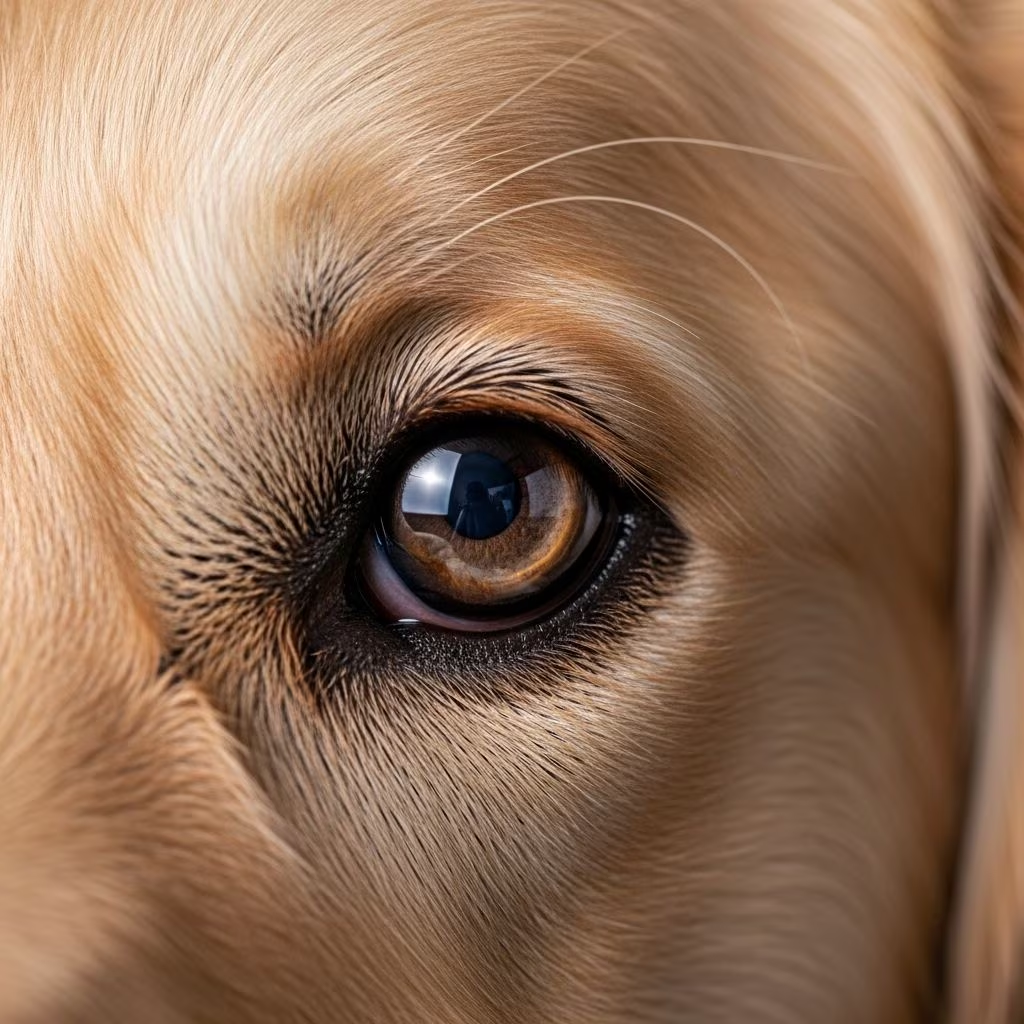
Your dog’s eyes are windows into their overall health and quality of life. When ocular problems develop, they can cause significant discomfort and potentially threaten your pet’s vision. Eye infections are among the most common eye conditions affecting dogs, and understanding their causes, recognizing warning signs, and knowing when professional intervention is necessary can make a crucial difference in your dog’s recovery and long-term eye health.
Recognizing the Warning Signs Your Dog May Have an Eye Problem
Dogs cannot communicate their discomfort in words, so pet owners must learn to recognize behavioral and physical indicators of eye health issues. The earlier you identify potential problems, the faster you can seek treatment and prevent complications.
Physical symptoms often appear first and are visible to the observant owner. The whites of your dog’s eyes may become noticeably red or bloodshot, indicating inflammation or irritation. Discharge from the eyes—which may be clear, yellow, or green—is another significant warning sign. The tissues surrounding the eye, particularly the eyelids, may swell or appear puffed up. Your dog’s eye area might also show signs of excessive tearing or watery discharge that wasn’t present before.
Behavioral changes are equally important indicators. Your dog may squint frequently or keep their eyes closed more than usual, which typically signals discomfort or light sensitivity. Excessive rubbing, pawing, or scratching at the face and eye area suggests irritation that your dog is trying to relieve. Some dogs may also become more withdrawn or show reluctance to engage in normal activities if eye pain is present.
If you observe any combination of these signs, scheduling a veterinary appointment within the first 24 hours is advisable. Early intervention can prevent minor irritations from developing into serious infections that threaten vision.
Understanding the Range of Ocular Infections in Canines
Not all eye infections are identical, and understanding the different types helps explain why your veterinarian may recommend specific treatments.
Conjunctivitis, commonly called pink eye, represents one of the most frequently diagnosed eye conditions in dogs. This condition involves inflammation of the conjunctiva, the mucous membrane that covers the outer surface of the eyeball and lines the inside of the eyelids. The affected tissue becomes red, irritated, and produces excessive discharge. Allergic conjunctivitis, in particular, often develops after dogs have been exposed to contaminated water or allergens in their environment.
Corneal complications range from minor scratches to serious ulcerations. The cornea—the clear outer layer of the eye—is delicate and susceptible to injury from foreign objects, trauma, or infectious agents. When the corneal surface is compromised, topical antibiotics become necessary to prevent secondary bacterial infection.
Tear gland and eyelid abnormalities can create chronic eye problems. Some dogs have structural issues where eyelashes or eyelids rub against the eyeball, causing continuous irritation. Blocked tear ducts prevent normal drainage and can lead to infection and discomfort. Certain dog breeds are genetically predisposed to these conditions.
Uveitis, an inflammation affecting the internal structures of the eye, represents a more serious condition. This can involve the iris, ciliary body, or choroid layers and may require aggressive treatment to preserve vision.
The Multiple Causes Behind Canine Eye Infections
Eye infections in dogs rarely develop spontaneously. Instead, they typically result from specific pathogens or environmental factors that compromise the eye’s natural defenses.
Infectious Agents
Bacterial infections can originate from various sources. Staphylococcus bacteria, which naturally exist on skin surfaces, may cause infection when a dog’s immune system is compromised. Other bacterial pathogens include those responsible for tick-borne diseases such as Lyme disease, canine brucellosis, leptospirosis, canine ehrlichiosis, and canine influenza.
Viral infections represent another significant category of causes. Canine distemper, herpesvirus, hepatitis, and canine influenza can all result in eye inflammation and discharge. These viral infections often produce conjunctivitis or other inflammatory responses within the eye.
Fungal infections, while less common than bacterial or viral causes, can develop when fungal spores are inhaled or come into contact with ocular tissues. Fungal eye infections may require prolonged treatment with specialized antifungal medications.
Environmental and Mechanical Factors
Beyond microorganisms, various environmental exposures and physical factors contribute to eye infections. Irritants such as smoke, shampoo, dust, and other airborne particles can inflame the eyes and create conditions favorable for secondary infections. Foreign bodies—including dirt, grass seeds, or even the dog’s own hair—can become lodged in the eye and cause scratches or infections.
Direct trauma to the eye from fighting with other animals, running through brush, or accidents can result in scratches or cuts to the cornea. These injuries may subsequently become infected if not properly treated. Parasites can also affect the eyes, though this is less common in well-maintained pets.
Underlying Health Conditions
Sometimes, eye infections develop secondary to other health problems. Dry eye syndrome (keratoconjunctivitis sicca or KCS) reduces the protective tear film, making the eye vulnerable to infection. Glaucoma, tumors, nutritional deficiencies, and certain systemic diseases can all predispose dogs to eye problems. Additionally, some dog breeds have anatomical features—such as cherry eye or naturally occurring eyelid abnormalities—that increase infection susceptibility.
Comprehensive Treatment Strategies for Canine Eye Infections
The most effective treatment approach depends entirely on accurate diagnosis of the underlying cause. Your veterinarian will determine the appropriate therapy after thorough examination.
Medication-Based Treatments
Topical medications are often the first line of defense. Eye drops and ointments containing antibiotics can address bacterial infections directly at the infection site. For dogs with suspected allergies, antihistamine eye drops or systemic antihistamines help reduce inflammation and soothe irritated tissues. Dogs experiencing dry eye may benefit from artificial tear solutions applied multiple times daily, though veterinarian-prescribed tear stimulants are more effective for addressing the underlying problem.
Oral medications become necessary for more severe cases or when topical application proves difficult. Systemic antibiotics address bacterial infections affecting the eyelids and surrounding tissues. Anti-inflammatory drugs reduce swelling and pain while the body fights infection. In some cases, antifungal or antiviral medications may be prescribed depending on the identified pathogen.
Procedural Interventions
When infections involve foreign bodies, sedation or local anesthesia allows safe removal without causing additional trauma. For structural abnormalities causing chronic irritation, surgical correction becomes necessary. Eyelid or eyelash abnormalities that rub against the eyeball require surgical repositioning or removal. Blocked tear ducts often necessitate surgical clearing, followed by antibiotic eye drops and topical medications to prevent re-blockage.
Creating a Timeline for Recovery and Management
Most uncomplicated eye infections respond well to appropriate treatment within a relatively short timeframe. Bacterial conjunctivitis, when treated promptly with proper antibiotics, typically shows improvement within 7–10 days. However, chronic conditions or infections caused by viruses may require extended management periods.
Your veterinarian will establish a specific treatment schedule and determine how frequently you should apply medications. Consistency with prescribed treatments is critical for successful outcomes. Some dogs may experience occasional flare-ups of chronic eye conditions even after initial resolution, requiring ongoing management strategies.
Prevention and Long-Term Eye Health Management
While not all eye problems are preventable, several proactive measures can reduce your dog’s infection risk. Maintaining excellent hygiene around your dog’s face helps prevent accumulation of irritants and bacteria. Limiting exposure to dirty water sources, smoke, and other known irritants protects ocular health. Regular veterinary checkups allow early detection of emerging eye problems before they progress to serious infections.
Some breeds predisposed to eye issues may benefit from periodic preventive care and monitoring. Dogs recovering from eye infections should have follow-up veterinary examinations to ensure complete healing and to catch any complications early.
When Professional Veterinary Care Is Essential
While minor eye irritation might seem manageable at home, professional evaluation is crucial for protecting your dog’s vision and preventing permanent damage. Any eye redness, discharge, or behavioral changes warrant veterinary assessment. Eye infections can progress rapidly and lead to serious complications including vision loss if not properly treated. Many eye conditions that appear similar externally require different treatments based on underlying causes, making accurate diagnosis essential.
Frequently Asked Questions About Canine Eye Infections
Are dog eye infections contagious to other pets?
Most eye infections in dogs are not highly contagious, though it is prudent to limit contact between pets until a veterinarian has examined the affected dog and determined the specific cause. Some bacterial infections might spread through shared food bowls or bedding, making temporary separation wise during acute infection.
How can I safely apply eye medication to my dog?
Your veterinarian will demonstrate proper application techniques. Generally, gently pull down the lower eyelid to create a small pocket, then apply the prescribed number of drops or small amount of ointment. Allow the eye to close naturally and wipe away excess medication with a clean cloth.
What should I do if my dog won’t allow eye treatment?
Contact your veterinarian for alternatives. Oral antibiotics might be available as substitutes for topical medications, or your vet might recommend a brief sedation to allow treatment application without stress or injury.
Can home remedies treat dog eye infections?
While some natural solutions might provide temporary comfort, they cannot treat the underlying infection. Delaying professional treatment allows infections to worsen. Always consult your veterinarian before using any home remedies.
How much does treatment typically cost?
Costs vary based on the underlying cause and required treatments. Simple bacterial conjunctivitis treated with topical antibiotics costs far less than surgical interventions for structural abnormalities. Pet insurance can help offset unexpected veterinary expenses.
Conclusion: Prioritizing Your Dog’s Ocular Health
Your dog’s eyes deserve the same careful attention you give to other aspects of their health. Recognizing early warning signs, seeking prompt veterinary care, and following prescribed treatment regimens are essential for preserving vision and ensuring your pet’s comfort. While eye infections are common, they are highly treatable when addressed promptly and appropriately. By staying vigilant and maintaining regular veterinary contact, you can help your dog enjoy a lifetime of clear vision and ocular comfort.
References
- Dog Eye Infection – Causes & Treatments — Mill Plain Veterinary Clinic. 2024-07-15. https://www.millplainvet.com/site/blog/2024/07/15/dog-eye-infection
- Dog Eye Infection – Causes & Treatments — Animal Eye Guys Vets. 2022-06-20. https://www.animaleyeguys.com/site/blog/2022/06/20/dog-eye-infection
- Dog Eye Infections: Symptoms, Causes, and Treatment — American Kennel Club. https://www.akc.org/expert-advice/health/dog-eye-infections/
- Eye Infections in Dogs: Causes and Treatment — Animal Care Center. https://www.animalcarectr.com/blog/eye-infections-in-dogs-causes-and-treatment
- Dog Eye Infection — Willow Glen Pet Hospital. https://willowglenpethospital.com/dog-eye-infection/
- Dog Eye Infection: Symptoms & Treatment — MetLife Pet Insurance. https://www.metlifepetinsurance.com/blog/pet-health/dog-eye-infections/
- Conjunctivitis in Dogs: Symptoms and Treatment — PetMD. https://www.petmd.com/dog/condition/eyes/conjunctivitis-in-dogs
- Dog Eye Infection: Symptoms & Treatment — Purina. https://www.purina.com/articles/dog/health/symptoms/eye-infection
- Dog eye infections: Causes, symptoms and treatment — Vets Now. https://www.vets-now.com/pet-care-advice/dog-eye-infection/



