
Canine Nutrition: Portion Control and Meal Frequency
Master your dog's dietary needs with science-backed feeding guidelines
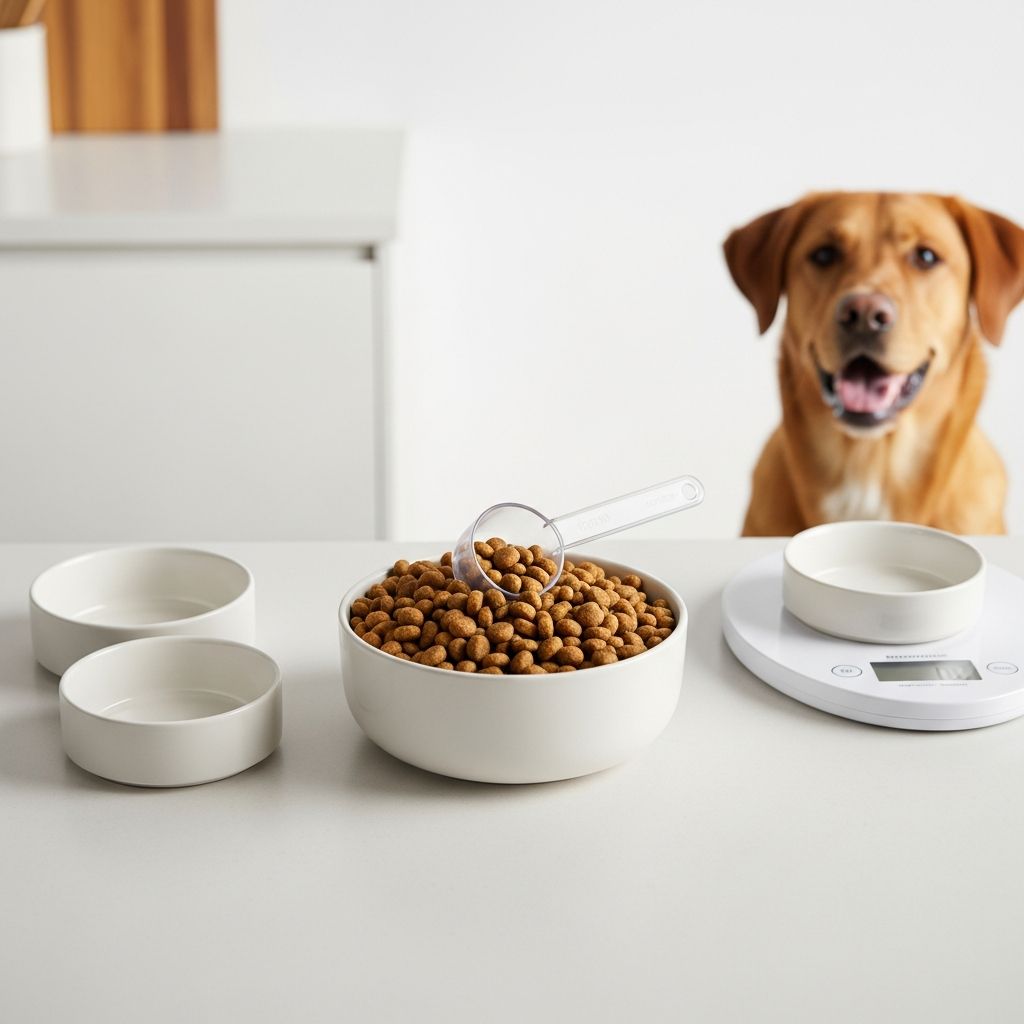
Providing your dog with appropriate nutrition is one of the most fundamental responsibilities of pet ownership. However, determining the right amount of food and establishing a consistent feeding routine can be challenging, especially with conflicting information from various sources. Understanding your dog’s individual nutritional needs based on age, weight, activity level, and health status is essential for maintaining optimal health and preventing obesity-related conditions.
Understanding Your Dog’s Caloric Requirements
Every dog has unique energy requirements that depend on multiple factors. The basal metabolic rate—the number of calories your dog needs at rest—forms the foundation for determining appropriate portions. This baseline increases significantly based on activity level, age, and metabolic efficiency. A sedentary senior dog will require substantially fewer calories than an active young adult, even if they weigh the same. Additionally, individual dogs process food differently; some maintain lean body weight on modest portions while others require more food to sustain healthy weight.
Environmental factors and individual genetics also influence caloric needs. Dogs living in cold climates may require more calories to maintain body temperature, while those in warm environments may need less. Metabolic efficiency varies between individual dogs, meaning that two dogs of identical weight and activity level may require different caloric intakes to maintain the same body condition.
Body Weight as the Primary Sizing Reference
Your dog’s current body weight serves as the primary reference point for determining appropriate portion sizes. Most commercial dog foods provide feeding guidelines based on weight ranges, allowing you to locate your dog’s category and follow the recommended daily amount. However, these recommendations represent starting points rather than absolute requirements. Your dog’s actual needs may be higher or lower based on individual factors.
Regularly monitoring your dog’s weight and body condition score helps you make necessary adjustments. A healthy dog should have ribs that you can feel but not prominently see, a visible waist when viewed from above, and a tucked abdomen from the side profile. If your dog appears overweight or underweight, gradual adjustments to portion size are warranted.
Small Breed Portions
Small dogs weighing between 3 and 12 pounds typically require 1/3 to 1 cup of food daily when fed complete and balanced commercial diets. Within this weight range, the lightest dogs may need only 1/3 cup while those approaching 12 pounds may consume closer to 1 cup. Small breed dogs have proportionally higher metabolic rates compared to larger dogs, meaning they require more calories per pound of body weight.
Medium Breed Portions
Medium-sized dogs in the 13 to 35 pound range represent the most common pet category. Dogs weighing 13 to 20 pounds typically need 1 to 1 1/3 cups daily, while those weighing 21 to 35 pounds require 1 1/3 to 2 cups. These ranges accommodate variations in activity level and individual metabolism within each weight class.
Large and Giant Breed Portions
Large dogs require careful portion management to prevent overfeeding and associated health complications. Dogs weighing 26 to 50 pounds need approximately 2 to 2 2/3 cups daily, while those weighing 51 to 75 pounds require 2 2/3 to 3 1/3 cups. Giant breeds over 100 pounds need 4 1/4 cups plus an additional 1/4 cup for every 10 pounds of body weight above 100 pounds.
Large breed puppies require special attention during growth phases to ensure proper skeletal and joint development without excessive weight gain that could stress developing bones.
Life Stage Nutritional Requirements
Dogs have dramatically different nutritional needs at different life stages. Each stage presents unique challenges and opportunities for supporting optimal health development or maintenance.
Puppies: Foundation for Lifelong Health
Puppies require substantially more calories and specific nutrient ratios compared to adult dogs because they’re simultaneously maintaining their bodies and building new tissues. Puppy diets should contain 22-32% protein on a dry matter basis and 10-25% fat to support muscle growth and provide energy for development.
Very young puppies need feeding more frequently than adults. Puppies under four months benefit from four meals daily, those between four and six months do well on three meals, and puppies over six months transition to twice-daily feeding. This frequent feeding schedule prevents hypoglycemia in young dogs and allows for better nutrient absorption during critical growth periods.
Adult Dogs: Maintenance Nutrition
Adult dogs have established nutritional requirements focused on maintenance rather than growth. Balanced adult diets typically contain 18-25% protein and 8-20% fat. These percentages support normal energy production, muscle maintenance, and organ function without excess calories that could lead to weight gain.
The transition from puppy to adult food generally occurs between 12 and 18 months of age, depending on breed size. Larger breeds may remain on growth-formulated diets longer due to their extended development period, while small breeds transition to adult nutrition sooner.
Senior Dogs: Age-Appropriate Adjustments
Senior dogs typically have reduced metabolic requirements and lower activity levels compared to younger adults. Senior-specific formulations contain 18-23% protein and 8-15% fat to accommodate slower metabolism while preserving lean muscle mass. Adequate protein remains important in senior diets because older dogs are more prone to muscle loss and require sufficient protein to prevent excessive muscle wasting.
Many senior dogs also benefit from modified nutrient profiles that support joint health, cognitive function, and digestive efficiency. Senior formulations often include joint-supporting supplements and easily digestible ingredients.
Active and Working Dogs: Performance Nutrition
Dogs engaged in athletic activities, working roles, or high-energy play require substantially more calories than sedentary pets. Performance-focused diets typically contain 25-30% protein and 15-25% fat to fuel endurance and support muscle recovery. The elevated fat content provides concentrated energy sources that sustain activity and maintain healthy skin and coat.
Establishing Optimal Meal Frequency
The frequency with which you feed your dog significantly impacts digestive health, blood sugar stability, and overall well-being. Most veterinarians recommend a structured feeding schedule rather than allowing dogs continuous access to food.
Adult Dogs: The Two-Meal Standard
The most commonly recommended feeding frequency for adult dogs is twice daily, with meals spaced 8 to 12 hours apart. This schedule aligns with typical household routines and provides consistent digestive stimulation throughout the day. Morning and evening feedings work well for most families, though the exact timing can be adjusted based on your schedule.
Twice-daily feeding offers several advantages over single daily meals: it maintains steadier blood sugar levels, reduces hunger-related behaviors, and distributes nutrient absorption throughout the day. Dogs often anticipate their regular mealtimes and establish predictable routines that can benefit household training.
Puppies: More Frequent, Smaller Meals
Puppies require three to four meals daily to accommodate their rapid growth and smaller stomach capacity. A typical puppy feeding schedule might include breakfast, midday meal, afternoon snack, and dinner. As puppies mature and their digestive systems develop, meal frequency gradually decreases until they reach adult feeding patterns by 12 months of age.
Senior Dogs: Frequency Flexibility
Senior dogs may benefit from continued twice-daily feeding or, in some cases, three smaller meals to ease digestion and prevent hunger-related distress. Some senior dogs with reduced appetites do better with smaller, more frequent meals. Observation of your individual dog’s response to different schedules helps determine optimal frequency.
Selecting Appropriate Food Types
The type of food you choose affects both portion size and nutritional delivery. Different food formats—dry kibble, wet canned food, raw, and semi-moist options—have varying caloric densities and moisture content.
Dry Kibble Advantages and Considerations
Dry food is convenient, economical, and shelf-stable. Most commercial feeding guidelines reference dry food portions because of its standardized nutrient density. When calculating portions, always check the specific brand’s feeding guidelines, as nutrient concentrations vary between manufacturers.
Wet Food and Mixed Feeding Approaches
Wet food contains significantly more moisture than dry kibble, meaning a greater volume is required to deliver equivalent calories. If you combine wet and dry foods, you must adjust portions accordingly to maintain appropriate total caloric intake. For example, replacing 20% of your dog’s dry food calories with wet food requires reducing dry food portions by 20% and adding the appropriate wet food amount.
When mixing food types, ensure both components are complete and balanced rather than using supplemental-only products. The same brand often provides complementary feeding guidelines for combined feeding approaches.
Dietary Transitions and Digestive Health
Sudden dietary changes commonly cause gastrointestinal upset in dogs, including vomiting and diarrhea. When introducing new foods—whether changing brands, life stage formulations, or food types—gradual transitions over 7 to 10 days allow beneficial digestive bacteria to adapt.
A typical transition schedule might include 25% new food with 75% old food for days 1-3, 50% new with 50% old for days 4-6, 75% new with 25% old for days 7-9, and finally 100% new food. Slower transitions benefit dogs with sensitive digestive systems.
Monitoring Body Condition and Adjusting Portions
Feeding guidelines represent averages, and your individual dog’s requirements may differ. Regular body condition assessment helps determine whether current portions are appropriate.
Body Condition Scoring
Veterinary professionals use a nine-point body condition scale where 5 represents ideal weight. Ideal dogs have ribs palpable without excessive visibility, a visible waist when viewed from above, and a tucked abdominal profile from the side. Overweight dogs lose the visible waist and have difficulty palpating individual ribs, while underweight dogs have prominent ribs, spine, and hip bones.
Adjusting Portions Based on Assessment
If your dog appears overweight, reduce portions by approximately 10% and re-evaluate after 4 weeks. Underweight dogs should have portions increased by a similar percentage. Always make gradual adjustments rather than dramatic changes to allow your dog’s metabolism to adapt.
Special Considerations for Different Life Situations
Pregnant and Nursing Dogs
Pregnant and lactating female dogs require elevated caloric intake—sometimes 25-50% more than baseline—to support fetal development and milk production. Their nutritional needs increase progressively throughout pregnancy and peak during nursing. Consulting with your veterinarian about appropriate increased portions during these periods ensures both mother and offspring receive adequate nutrition.
Health Conditions and Therapeutic Diets
Dogs with medical conditions often require specialized therapeutic diets formulated for their specific health needs. Conditions such as kidney disease, diabetes, digestive disorders, and food allergies may require prescribed diets that differ from standard commercial formulations. Your veterinarian can recommend appropriate therapeutic options and determine proper portions based on your dog’s specific condition.
Preventing Common Feeding Mistakes
Understanding what to avoid helps optimize your feeding approach. Common mistakes include using outdated feeding guidelines that don’t account for individual variation, failing to adjust portions as dogs age, and inconsistent feeding schedules that confuse dogs and complicate housetraining.
Over-treating is another frequent error; treats should comprise no more than 10% of daily caloric intake, with the remaining 90% coming from their primary diet. Excessive treats displace balanced nutrition and contribute to obesity.
Hydration: The Often-Overlooked Component
Appropriate water intake receives less attention than food but is equally critical. Dogs should have constant access to fresh, clean water throughout the day. Water requirements increase with activity level, environmental temperature, and food type. Dogs fed dry kibble typically drink more water than those consuming wet food due to moisture differences in their meals.
Free-Choice Versus Scheduled Feeding
Two primary feeding methods exist: scheduled portion-controlled feeding and free-choice (ad libitum) feeding where food remains available continuously. Free-choice feeding with dry food works for some dogs, particularly those prone to underfeeding or those with unpredictable schedules. However, many dogs overeat when food is constantly available, leading to obesity.
Scheduled feeding allows better portion control, easier monitoring of food intake and appetite changes, and more predictable elimination patterns—particularly valuable for housetraining. Most veterinarians recommend scheduled feeding for optimal health monitoring and weight management.
References
- Feeding Chart For Dogs: A Complete Guide — Darwin’s Pet. 2024. https://www.darwinspet.com/blogs/transitioning/feeding-chart-for-dogs-a-complete-guide
- Dog Feeding Chart: How Much Should I Feed My Dog? — Purina US. 2024. https://www.purina.com/articles/dog/feeding/guides/how-much-should-i-feed-my-dog
- Feeding Guides for Dogs & Cats — Nature’s Logic. 2024. https://natureslogic.com/nutrition/feeding-guide/
- The Complete Dog Feeding Guide: Everything You Need to Know — VetPartners. Updated 21 August 2024. https://www.vetpartners.co.uk/pet-advice/dog-advice/diet/the-complete-dog-feeding-guide/
- Dog Nutrition Tips — ASPCA. 2024. https://www.aspca.org/pet-care/dog-care/dog-nutrition-tips
- Nutrition – General Feeding Guidelines for Dogs — VCA Animal Hospitals. 2024. https://vcahospitals.com/know-your-pet/nutrition-general-feeding-guidelines-for-dogs
- Ultimate Guide: How Much Food To Feed Your Dog — Wellness Pet Food. 2024. https://www.wellnesspetfood.com/blog/ultimate-guide-how-much-food-to-feed-your-dog/
Similar Articles








Read full bio of medha deb




