

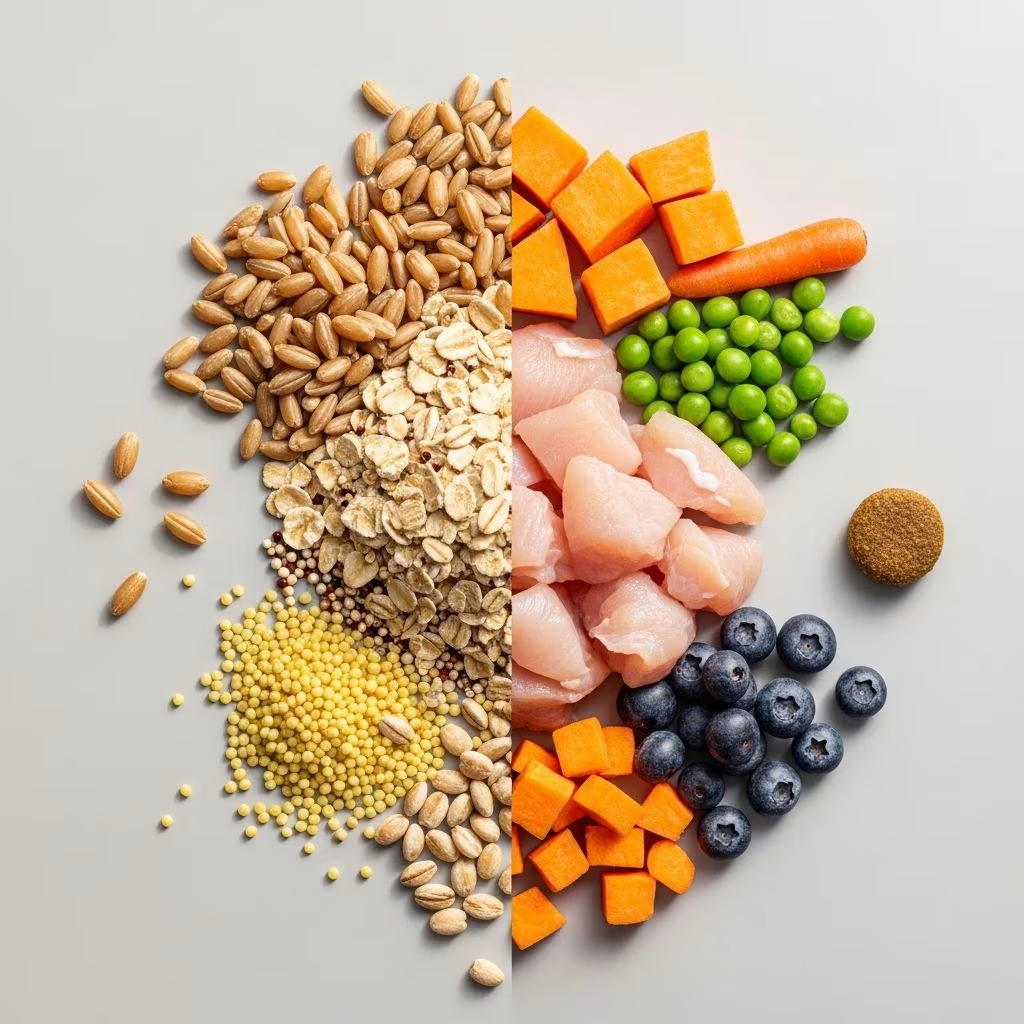
Pet owners today face numerous choices when selecting food for their dogs, with one of the most debated decisions involving whether to feed grain-inclusive or grain-free diets. Understanding the differences between these options, along with their respective nutritional profiles and health implications, is essential for making informed decisions about your dog’s diet. This guide explores the complexities of both approaches, helping you determine which option aligns best with your dog’s individual health requirements, activity level, and digestive characteristics.
Defining Grain-Inclusive and Grain-Free Diets
Traditional dog foods contain various grains that serve as primary carbohydrate sources and contribute essential nutrients to canine diets. Common grains found in conventional dog food include wheat, corn, barley, oats, rye, rice, and soy. These ingredients have been incorporated into dog food formulations for decades and remain staple components in many commercial pet food products available today.
Grain-free dog food, conversely, excludes all traditional grain sources and instead relies on alternative carbohydrate sources to meet a dog’s energy requirements. Common substitutes in grain-free formulations include potatoes, pea flour, sweet potatoes, lentils, chickpeas, and other legumes. It’s important to recognize that removing grains does not eliminate carbohydrates from your dog’s diet, as canines still require carbohydrates to maintain proper energy levels and bodily functions.
Evolutionary Dietary Considerations for Dogs
A frequently cited argument supporting grain-free diets revolves around ancestral dietary patterns. Proponents suggest that grain-free formulations more closely align with what wild canines would naturally consume, emphasizing protein from animal sources with minimal grain intake. This perspective has influenced many pet owners to transition their dogs toward grain-free options, believing such diets represent a more biologically appropriate choice.
However, modern domesticated dogs have evolved significantly from their wild ancestors over thousands of years. Contemporary canine digestive systems have developed considerable capacity to process and utilize diverse ingredients, including grains. Dogs possess the enzymatic tools necessary to break down and absorb nutrients from grain-containing foods effectively, making grain consumption neither unnatural nor problematic for most dogs.
Nutritional Profiles and Macronutrient Content
One of the most significant differences between grain-inclusive and grain-free dog foods involves their macronutrient composition. Grain-free formulations typically contain higher protein and fat percentages, as manufacturers replace grains with meat, fish, and legume-based ingredients. This elevated protein content can be particularly advantageous for highly active dogs, working breeds, and dogs involved in sports activities that demand substantial energy expenditure.
Grain-inclusive diets, by contrast, offer more moderate protein levels while providing substantial fiber content from whole grains. This fiber component plays a crucial role in maintaining healthy digestive function, promoting regular bowel movements, and supporting overall gastrointestinal health. Additionally, whole grains like oatmeal, pearled barley, brown rice, sorghum, and millet provide valuable micronutrients, including vitamins and minerals essential for optimal canine health.
Digestive Health and Ingredient Sensitivities
Many pet owners choose grain-free diets after observing their dogs experience digestive upset or apparent sensitivity to traditional grain-based foods. Grain-free formulations typically feature ingredients that are highly digestible, allowing a larger percentage of the food to be fully absorbed by the dog’s digestive system. Dogs consuming grain-free diets often produce smaller, firmer stools, which some owners interpret as evidence of improved digestive efficiency.
However, digestive sensitivities in dogs rarely stem from grains themselves. According to veterinary medicine, true food allergies are exceptionally uncommon in dogs and cats, and when allergies do occur, grains are rarely the offending substance. More frequently, dogs develop sensitivities to specific proteins or other ingredients within their food. The apparent improvement some owners observe after switching to grain-free diets may result from eliminating other problematic ingredients or from the overall composition change rather than grain removal specifically.
For dogs with documented sensitivities or allergies, grain-free options with limited ingredient lists can be helpful, as they reduce the number of potential allergens present. However, grain-free does not automatically equate to limited ingredients, and some grain-free products contain numerous processed components that may still trigger digestive issues.
Weight Management and Caloric Density
A common misconception suggests that grain-free diets inherently support weight management. However, grain-free formulations often contain higher caloric densities due to elevated protein and fat percentages, making them potentially problematic for weight-conscious feeding. Dogs requiring less energy—including senior dogs, those with reduced activity levels, and breeds predisposed to obesity—may actually gain weight on grain-free diets despite consuming smaller portion sizes.
The legumes and potatoes replacing grains in grain-free formulations contain less dietary fiber than whole grains, making them less filling for your dog. Consequently, less active dogs may feel less satisfied and experience increased hunger despite adequate caloric intake. For these animals, grain-inclusive diets with their superior fiber content may provide better satiety and more effective weight management support.
Cost Considerations and Accessibility
Grain-free dog food typically commands premium pricing compared to grain-inclusive alternatives, making it less accessible for many pet owners. However, because grain-free formulations are more calorie-dense and nutrient-concentrated, dogs often require smaller portion sizes to meet their nutritional needs. This reduced feeding amount can partially offset the higher per-unit cost, making the overall monthly expense more comparable than initial price comparisons suggest.
Grain-inclusive foods remain widely available in virtually all retail environments, offering convenience and accessibility for pet owners seeking straightforward, cost-effective options. The abundance and affordability of grain-inclusive products make them practical for households with multiple dogs or those operating on strict pet care budgets.
Quality Indicators and Ingredient Selection
Regardless of whether you choose grain-inclusive or grain-free dog food, the quality of specific ingredients matters substantially. For grain-inclusive diets, prioritize whole grains including oatmeal, pearled barley, quinoa, brown rice, sorghum, and millet. Conversely, avoid low-quality grain fillers such as corn, wheat, and refined grains like white rice, which lack the nutritional density of whole grains and may contribute to weight gain.
Similarly, grain-free products should feature quality protein sources as primary ingredients, with legumes and vegetables supporting rather than dominating the formula. Be cautious of grain-free products that rely heavily on potato starch or pea protein concentrate, as these highly processed ingredients may offer less nutritional value than whole food sources.
Selecting the Optimal Diet for Your Dog
Choosing between grain-inclusive and grain-free formulations requires evaluating your individual dog’s specific characteristics and health status:
Assessment of Health Status
If your dog has been diagnosed with a grain allergy by a veterinarian, grain-free options become the clear choice. However, absent a confirmed diagnosis, your dog likely tolerates grains well and may benefit from the fiber and nutritional profile of grain-inclusive foods. Dogs with sensitive stomachs or gastrointestinal issues may improve on grain-free diets featuring easily digestible legume and potato-based carbohydrates.
Activity Level Evaluation
Highly active dogs, working breeds, and canines involved in sports or training benefit from the elevated protein content characteristic of grain-free formulations. These dogs require substantial energy to support their activity demands, and the calorie-dense nature of grain-free foods aligns well with their needs. Conversely, less active pets, senior dogs, and those prone to weight gain may thrive better on grain-inclusive diets with moderate protein and superior fiber content.
Digestive System Considerations
Dogs with robust digestive systems function well on either grain-inclusive or grain-free diets. Those with a history of digestive complaints may benefit from grain-free options using easily digestible ingredient sources. However, older, less active dogs with good digestive health may actually prefer the high-fiber benefits of grain-inclusive diets, which support healthy gastrointestinal function and longevity.
The Balanced Approach: Rotational Feeding
Rather than committing exclusively to either grain-inclusive or grain-free formulations, some veterinary nutritionists recommend rotational feeding strategies that incorporate both diet types. This approach provides your dog with a comprehensive spectrum of nutrients derived from varied carbohydrate sources, potentially optimizing long-term health outcomes. By alternating between grain-inclusive and grain-free diets over time, your dog benefits from the nutritional strengths of each approach while minimizing the potential drawbacks of relying solely on one feeding philosophy.
Frequently Asked Questions
Are grains bad for dogs?
No, grains are not inherently bad for dogs. Most canines digest and utilize grains effectively as part of a balanced diet. Grain allergies and sensitivities are relatively rare in dogs, and when food allergies occur, the offending substance is typically not grain.
Does grain-free mean low-carb?
No, grain-free does not necessarily mean low-carb. While grains are removed, alternative carbohydrate sources like potatoes and legumes replace them, often in similar or higher quantities. Grain-free formulations may actually contain higher overall carbohydrate levels than traditional grain-inclusive foods.
Which diet produces better stool quality?
Dogs on grain-free diets often produce smaller, firmer stools due to higher digestibility of the ingredients. However, this does not necessarily indicate superior nutrition or health, but rather reflects the different composition and processing of the food.
Can I switch between grain-inclusive and grain-free foods?
Yes, you can alternate between diet types using gradual transitions to avoid digestive upset. This rotational approach may provide comprehensive nutritional benefits from varied ingredient sources.
Making Your Final Decision
The choice between grain-inclusive and grain-free dog food should be based on your dog’s individual health profile, activity requirements, digestive history, and your family’s financial circumstances—not on marketing claims or general trends. While grain-free diets offer legitimate benefits for certain dogs, particularly those with confirmed grain sensitivities or high activity levels, they are not universally superior to grain-inclusive options. Similarly, grain-inclusive diets provide excellent nutrition for most dogs and offer advantages in cost, fiber content, and digestive support for less active animals.
Consult with your veterinarian to assess whether your dog has any specific dietary requirements suggesting one approach over the other. Your veterinarian can evaluate your dog’s health status, examine your dog’s coat and digestive health, and provide personalized recommendations aligned with your dog’s unique needs rather than broad dietary philosophies.
References
- Regular vs. Grain Free Dog Food — Phoenix Pet Food. Accessed February 17, 2026. https://phoenixpetfood.com/blogs/news/regular-vs-grain-free-dog-food
- Grain-Free Vs. Grain Dog Food: Which One Is Best For You? — Dr. Tim’s Pet Food. Accessed February 17, 2026. https://drtims.com/blogs/news/grain-free-vs-grain-dog-food-which-one-is-best-for-you
- Grain-inclusive or grain-free dog food — NutriSource Pet Foods. Accessed February 17, 2026. https://nutrisourcepetfoods.com/blog/pet-parents/grain-inclusive-or-grain-free-dog-food/
- Dog Food Diets: Grain Free vs Grain Inclusive — Stella & Chewy’s. Accessed February 17, 2026. https://www.stellaandchewys.com/blogs/articles/grain-or-no-grain
- Is Grain Free Dog Food Good for Dogs — Purina US. Accessed February 17, 2026. https://www.purina.com/articles/dog/health/nutrition/grain-vs-grain-free-dog-food
- Grain vs Grain-Free Pet Foods — Health Extension. Accessed February 17, 2026. https://www.healthextension.com/blogs/blog/grain-vs-grain-free-pet-foods



