
Canine Nutrition Essentials
Unlock the secrets to optimal dog health through balanced nutrition tailored to every life stage and need.
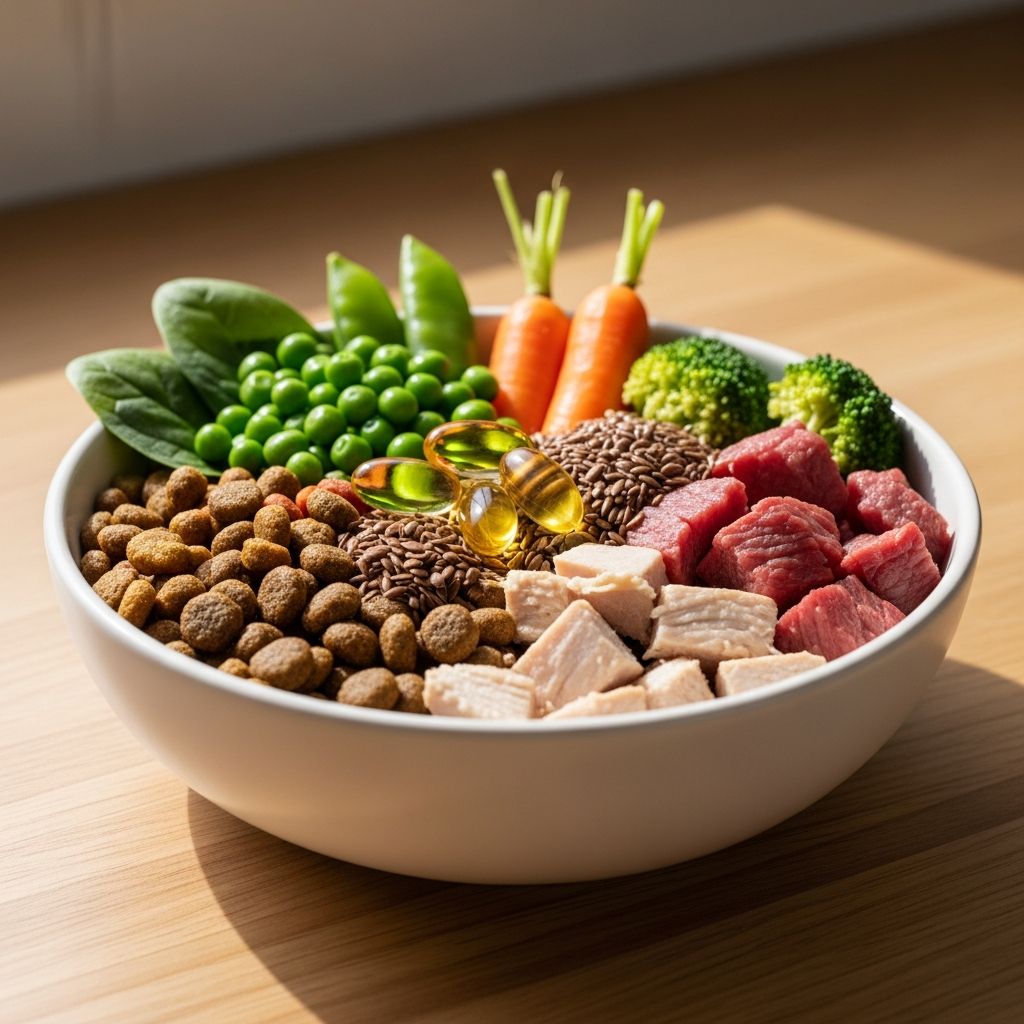
A well-planned diet forms the foundation of your dog’s vitality, supporting everything from muscle growth to immune defense. Understanding the core components of canine meals ensures your pet receives precisely what it needs for long-term wellness.
Core Building Blocks of a Dog’s Diet
Dogs thrive on a mix of six fundamental nutrients: proteins, fats, carbohydrates, vitamins, minerals, and water. These elements work synergistically to fuel daily activities, repair tissues, and maintain organ function. According to AAFCO standards, commercial foods must meet minimum requirements to qualify as complete and balanced.
- Proteins: Essential for tissue repair, enzyme production, and hormone synthesis. Animal sources like chicken, beef, and fish provide complete amino acid profiles with high digestibility.
- Fats: Deliver concentrated energy and aid absorption of fat-soluble vitamins while promoting skin and coat health through omega-3 and omega-6 fatty acids.
- Carbohydrates: Offer quick energy and fiber for gut health, though not strictly required; sources include grains and vegetables.
- Vitamins and Minerals: Facilitate metabolic processes, bone strength, and immunity; deficiencies lead to serious issues like rickets or anemia.
- Water: Vital for hydration, digestion, and temperature regulation—always provide fresh access.
Balancing these nutrients prevents deficiencies and excesses, which can cause obesity, joint problems, or organ strain.
Protein Power: The Cornerstone of Canine Meals
Protein stands out as the star nutrient, with AAFCO setting minimums at 22.5% dry matter for growth and 18% for adults. High-quality options from meat meals outperform plant-based alternatives in amino acid completeness and absorption rates. Excess beyond 30% offers no extra benefits and may burden kidneys in susceptible dogs.
| Protein Source | Digestibility | Key Benefits |
|---|---|---|
| Chicken Meal | High (90%+) | Rich in essential amino acids |
| Beef | High | Supports muscle maintenance |
| Soybean Meal | Moderate | Plant-based option |
| Corn Gluten | Lower | Supplementary source |
Opt for foods listing named meat sources first on the ingredient panel for optimal nutrition.
Fats and Carbohydrates: Energy and Digestion Duo
Fats provide twice the calories of proteins or carbs per gram, making them ideal for active dogs. Essential fatty acids from fish oil combat inflammation and enhance coat shine. Carbohydrates, often 30-60% in kibble, supply glucose for brain function and fiber for steady digestion. Lower-carb wet foods compensate with higher protein and fat levels.
Grains like rice and oats are well-tolerated, reducing reliance on pricier proteins. Fiber types—soluble for stool firmness, insoluble for bulk—promote gut motility without excess calories.
Minerals and Vitamins: Micro-Nutrients with Macro Impact
Calcium and phosphorus ratios (ideally 1:1 to 2:1) are critical for skeletal health, especially in large-breed puppies where imbalances cause developmental orthopedic disease. Vitamin D aids mineral absorption, while antioxidants like vitamin E protect cells.
- Calcium: 0.5-2.5% DM; excess leads to hyperparathyroidism.
- Phosphorus: Paired with calcium for bone integrity.
- Vitamin A: Supports vision and immunity; sourced from liver.
Most needs are met via AAFCO-approved foods, but seniors may benefit from joint-supporting glucosamine.
Tailoring Nutrition to Life Stages
Puppy Nutrition: Fueling Rapid Growth
Puppies demand calorie-dense, nutrient-rich diets with elevated protein (22.5%+), fats, and DHA for brain development. Feed three to four meals daily, transitioning from milk replacer to solid food by 8 weeks. Large breeds need controlled calcium to prevent hip dysplasia.
Adult Maintenance: Steady Energy Balance
Adults require balanced calories based on weight, activity, and neuter status. Use formulas like RER (Resting Energy Requirement) x activity factor: for a 20kg dog, about 1000-1500 kcal/day. Split into two meals to avoid bloat.
Senior Diets: Easing into Golden Years
Dogs over 7 years often face reduced metabolism, joint stiffness, and kidney concerns. Lower-calorie, higher-fiber formulas aid weight control, with added antioxidants for cognitive health. Digestive enzymes improve nutrient uptake.
Commercial vs. Homemade: Choosing Wisely
AAFCO-labeled kibble, canned, or raw diets simplify nutrition, but read labels for ‘complete and balanced’ claims specific to life stage. Homemade meals risk imbalances unless vet-formulated; recipes must account for precise ratios. Consult a veterinary nutritionist for custom plans, especially for allergies or medical conditions.
Wet food excels in hydration and palatability for picky eaters, while dry kibble supports dental scraping. No single type is superior—preference and needs dictate.
Incorporating Safe Fruits, Veggies, and Treats
Supplements like carrots (beta-carotene for eyes), blueberries (antioxidants), and green beans (low-cal fiber) enhance diets under 10% of calories. Avoid toxic items: grapes, onions, chocolate.
- Carrots: Raw or steamed for crunch and vitamins.
- Sweet Potatoes: Cooked plain for digestible carbs.
- Blueberries: Frozen treats for summer cooling.
Treats should mimic diet nutrients; plain cooked meats or veggies work best.
Feeding Schedules and Portion Control
Calculate portions via body condition scoring: ribs palpable but not visible. Puppies: 2-4 meals; adults: twice daily; seniors: smaller, frequent if needed. Consistent times regulate digestion.
| Dog Weight | Daily Calories (Adult, Moderate Activity) | Meals per Day |
|---|---|---|
| 5kg | 400-500 | 2 |
| 20kg | 1000-1400 | 2 |
| 40kg | 1600-2000 | 2 |
Special Diets: Allergies, Weight Management, and More
Hypoallergenic formulas use novel proteins like duck or hydrolyzed soy for itch relief. Weight-loss plans cut fats, boost fiber. Performance dogs need extra calories from fats. Always transition foods gradually over 7-10 days.
FAQs on Dog Nutrition
Q: How do I know if my dog’s food is balanced?
A: Check for AAFCO statements on the label confirming complete nutrition for your dog’s life stage.
Q: Can dogs eat human food?
A: Some yes, like plain veggies, but avoid seasonings and toxins. Limit to 10% of calories.
Q: What’s the best food for overweight dogs?
A: High-protein, high-fiber, low-fat options with controlled portions.
Q: Should I feed raw diets?
A: Possible if balanced, but risks bacterial contamination; vet oversight recommended.
Q: How often to change dog food?
A: No need unless health changes; stick to one for stability.
Monitoring Your Dog’s Health Through Diet
Regular weigh-ins, stool checks, and coat inspections signal dietary success. Energy levels, breath odor, and dental health reflect choices. Annual vet exams catch issues early, adjusting nutrition as needed.
Empowering your dog with tailored nutrition transforms health outcomes, fostering years of joyful companionship.
References
- Dog Nutrition: Guide to Dog Food Nutrients — PetMD. 2023. https://www.petmd.com/dog/nutrition/evr_dg_whats_in_a_balanced_dog_food
- What Do Dogs Eat? A Complete Guide to Canine Nutrition — Plaza Animals. 2024. https://plazaanimals.com/pet-wellness-care-in-mooresville-nc/what-do-dogs-eat-a-complete-guide-to-canine-nutrition/
- Nutrition – General Feeding Guidelines for Dogs — VCA Animal Hospitals. 2024. https://vcahospitals.com/know-your-pet/nutrition-general-feeding-guidelines-for-dogs
- How to feed your dog — Banfield Pet Hospital. 2025. https://www.banfield.com/Wellness-at-banfield/Diet-nutrition-obesity/feeding-your-dog
- Dog Nutrition Tips — ASPCA. 2024. https://www.aspca.org/pet-care/dog-care/dog-nutrition-tips
Similar Articles








Read full bio of Sneha Tete




