

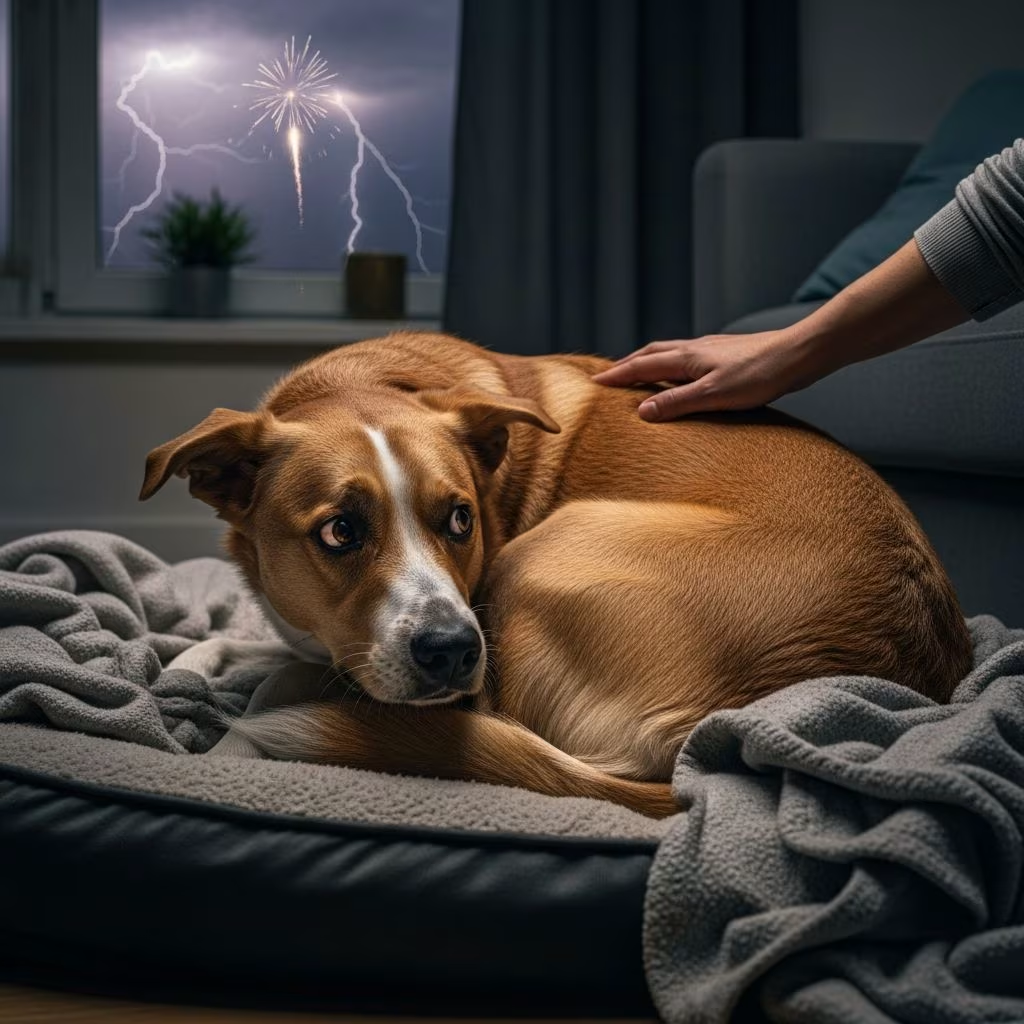
Dogs often react strongly to sudden loud sounds, but when these responses escalate to intense panic, it signals a deeper issue known as noise phobia or aversion. Affecting up to one-third of dogs, this condition disrupts normal behavior and quality of life if unaddressed. Early recognition and intervention can transform a fearful pet into a confident companion.
Understanding Noise Aversion in Canines
Noise aversion goes beyond a startle response; it’s an exaggerated fear that impairs functioning. Dogs may tremble, hide, or attempt escape during events like thunderstorms or fireworks. This phobia impacts multiple body systems, including the nervous, gastrointestinal, and musculoskeletal, leading to symptoms like diarrhea, tremors, or self-injury. Unlike normal caution, phobias persist long after the noise ends, sometimes hours or days.
Prevalence is high, especially in herding breeds, hounds, and shelter dogs, suggesting genetic links. Without treatment, fears generalize to other sounds, worsening over time and potentially causing secondary anxieties.
Common Triggers That Spark Panic
- Thunderstorms: The boom, rumble, and static changes terrify many dogs.
- Fireworks: Explosive bangs mimic threats in a dog’s sensitive ears.
- Gunshots or Construction: Sudden sharp noises trigger flight responses.
- Household Sounds: Vacuums, alarms, or slamming doors can unsettle sensitive pups.
- Vehicles or Traffic: Honks and engines pose urban challenges.
These triggers exploit dogs’ acute hearing, which detects frequencies up to 65,000 Hz compared to humans’ 20,000 Hz, amplifying perceived danger.
Recognizing the Warning Signs
Signs vary from subtle to severe. Subtle cues include lip licking, yawning, or paw lifting, signaling rising stress. Passive behaviors like panting, trembling, cowering, or hiding indicate escalation. Active responses involve pacing, vocalizing, escape attempts, destruction, or indoor elimination.
| Severity Level | Behaviors | Duration After Noise |
|---|---|---|
| Subtle | Lip licking, yawning, forelimb lift | Minutes |
| Passive | Freezing, panting, hiding, trembling | 30-60 minutes |
| Active/Severe | Hypervigilance, vocalization, escape, destruction | Hours or days |
Recovery time is key: normal fears resolve quickly, but phobias linger, harming welfare. Senior dogs showing new fears warrant vet checks for pain or hearing loss.
Root Causes Behind the Fear
Several factors contribute:
- Genetics: Herding breeds like Border Collies and hounds show higher susceptibility, possibly from multi-gene influences.
- Early Experiences: Trauma, like a balloon pop, or insufficient puppy exposure creates vulnerabilities. Puppies in the 3-14 week socialization window are critical.
- Learned Behavior: Observing fearful dogs or repeated exposures without relief reinforce phobia.
- Medical Issues: Pain from arthritis, infections, or GI problems heightens sensitivity.
- Age-Related Changes: Seniors may develop fears from cognitive decline or sensory shifts.
Social transmission from mother dogs can imprint fears early. Diagnosis involves ruling out seizures, infections, or organ issues via vet exams.
Proven Strategies for Management
Treatment combines behavior modification, environmental aids, and sometimes medication. Start with a vet visit to exclude health problems.
Behavior Modification Techniques
Desensitization and Counterconditioning (DS/CC): Play low-volume recordings of triggers paired with treats or play. Gradually increase volume as tolerance builds. This rewires associations from fear to positivity.
Relaxation Training: Teach calm via cues like mats or massage, rewarding settled states.
Consistency is vital; progress takes weeks but prevents worsening.
Environmental and Safety Measures
- Provide a quiet, den-like safe space with bedding and toys.
- Use white noise machines or calming music to mask sounds.
- Exercise beforehand to reduce baseline anxiety.
- Secure the home to prevent escapes or injuries.
Product and Tech Solutions
Calming vests apply gentle pressure like swaddling. Pheromone diffusers mimic appeasing signals, targeting the amygdala for emotional relief. Apps with thunder tracks aid home DS/CC.
Medication Options
For severe cases, vets prescribe anxiolytics like benzodiazepines for events or SSRIs for long-term use. Always under supervision.
Prevention: Building Resilience Early
Expose puppies gradually to noises during socialization (8-12 weeks) with positive pairings. Adult preventives include routine DS/CC. Early intervention stops progression.
Step-by-Step Action Plan for Owners
- Observe and Log: Note triggers, signs, duration.
- Vet Consultation: Rule out medical causes.
- Safe Space Setup: Create comfort zone.
- Start DS/CC: Use recordings daily.
- Monitor Progress: Adjust as needed; seek trainer if stalled.
- Event Prep: Plan for holidays with meds if prescribed.
Frequently Asked Questions (FAQs)
Can noise fears appear suddenly in adult dogs?
Yes, trauma, pain, or age can trigger onset. Vet evaluation is essential.
Will my dog outgrow noise phobia?
Unlikely without help; it often intensifies. Proactive treatment is key.
Are certain breeds more prone?
Herding breeds, hounds, and shelter dogs show higher rates due to genetics.
How long does desensitization take?
Weeks to months with consistency. Patience yields results.
Is medication always needed?
No, behavior methods often suffice; meds for severe cases.
Addressing noise fears improves welfare dramatically. With tools like DS/CC and safe spaces, most dogs achieve calm.
References
- Noise phobias in dogs — PDSA. 2023. https://www.pdsa.org.uk/pet-help-and-advice/pet-health-hub/conditions/noise-phobias-in-dogs
- Noise Phobia in Dogs — Ceva Connect. 2019-09-20. http://www.cevaconnect.com/cms/ce-r001/wp-content/uploads/2019/09/NoisePhobia-Print-092019.pdf
- Noise Aversion: Stop the Suffering with Early Diagnosis and Treatment — Today’s Veterinary Practice. 2023. https://todaysveterinarypractice.com/sponsored/noise-aversion-stop-the-suffering-with-early-diagnosis-and-treatment/
- Fear of Noises in Dogs — VCA Animal Hospitals. 2023. https://vcahospitals.com/know-your-pet/fear-of-noises-and-places-in-dogs
- Noise Aversion in Pets: Causes, Signs, and How to Help — AAHA. 2023. https://www.aaha.org/resources/safe-and-sound-noise-aversion-in-pets/
- Therapy and Prevention of Noise Fears in Dogs—A Review — PMC (NCBI). 2023-12-01. https://pmc.ncbi.nlm.nih.gov/articles/PMC10705068/



