

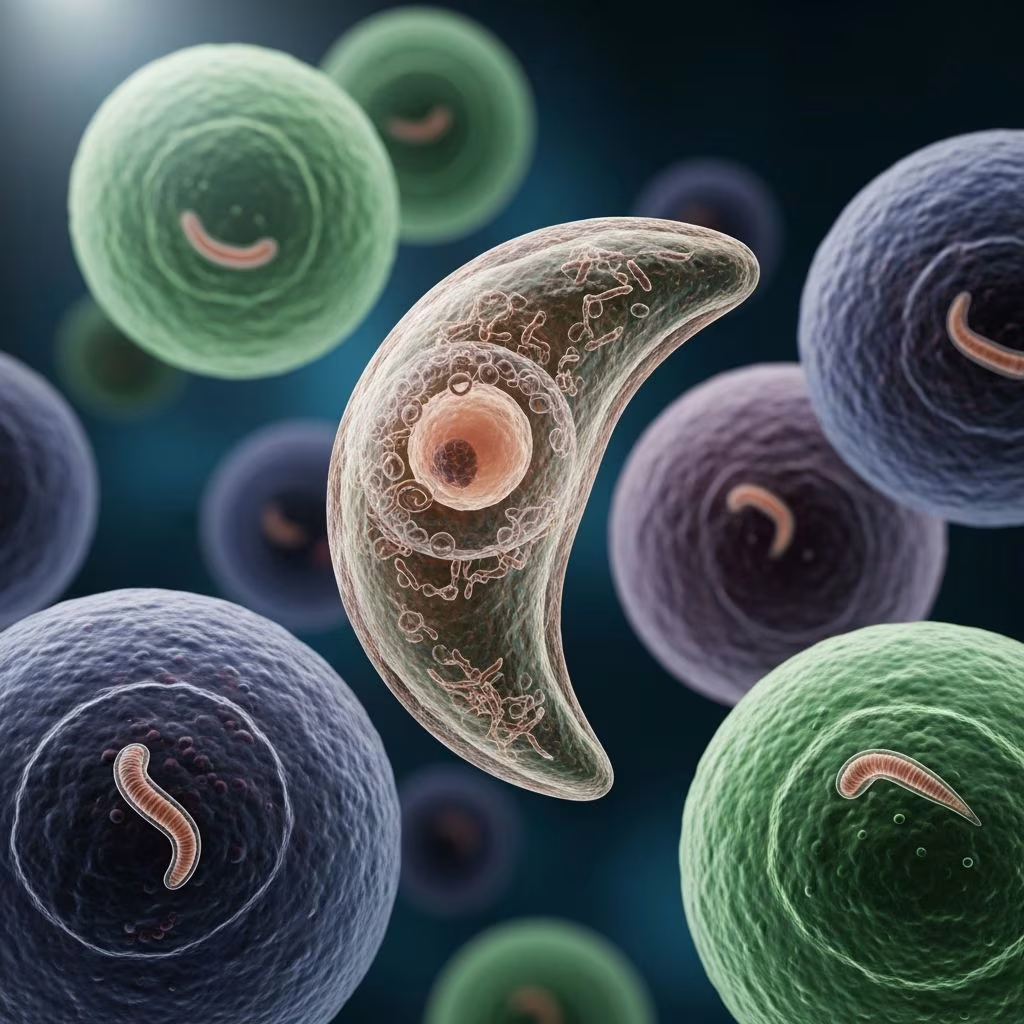
Introduction to the Parasitic Threat
Neosporosis represents a significant parasitic disease that affects canine populations worldwide, caused by the protozoan parasite Neospora caninum. This microscopic organism poses a particular threat to young puppies and can lead to severe neurological complications if left untreated. While many infected dogs remain asymptomatic throughout their lives, others develop debilitating clinical signs that warrant immediate veterinary intervention. Understanding the nature of this disease, its transmission mechanisms, and available management strategies is essential for dog owners and veterinary professionals alike.
The Parasitic Agent and Transmission Routes
Neospora caninum operates through a complex lifecycle involving canine definitive hosts and intermediate hosts such as cattle and deer. The parasite produces oocysts—a highly resistant stage capable of surviving harsh environmental conditions. When infected animals shed oocysts, contamination can occur through various exposure pathways.
The primary transmission route involves consumption of raw or undercooked meat from infected intermediate hosts. Dogs that consume uncooked tissues from cattle, deer, or other mammals face significant infection risk. Additionally, pregnant females can transmit the parasite vertically to their developing puppies, resulting in congenital neosporosis. This transplacental transmission often produces the most severe clinical manifestations, particularly when infection occurs during pregnancy.
Once a dog ingests sporulated oocysts, the parasitic lifecycle progresses rapidly. Sporozoites invade the intestinal wall and transform into tachyzoites—rapidly dividing forms that disseminate throughout body tissues. Approximately three weeks post-infection, tissue cysts containing bradyzoites develop, establishing persistent infections that may remain subclinical indefinitely.
Clinical Manifestations Across Different Age Groups
Puppies and Young Dogs
Young puppies, particularly those under six months of age, experience the most severe disease presentations. Clinical signs typically emerge between three to nine weeks of age in affected animals. The condition predominantly targets the nervous system and skeletal muscles, causing progressive neuromuscular dysfunction.
Initial manifestations include incoordination and paresis—weakness or partial paralysis—affecting the hind limbs. As disease progresses, muscle rigidity intensifies, often ascending to involve the forelimbs. Forelimb atrophy and gradual muscular stiffening serve as distinguishing features differentiating neosporosis from other paralytic conditions. Without timely intervention, rigid contracture of muscles develops, rendering limbs immobile and functionally useless.
Additional neurological complications may emerge, including:
- Seizures and tremors indicating central nervous system involvement
- Respiratory muscle paralysis potentially leading to fatal outcomes
- Difficulty swallowing (dysphagia) from cervical muscle weakness
- Inflammation of brain and spinal cord tissues
- Breathing difficulties and pneumonia secondary to thoracic involvement
Adult and Senior Dogs
Adult and older dogs typically remain asymptomatic, with many harboring chronic infections without displaying clinical signs. When disease does manifest in mature canines, presentations differ markedly from juvenile cases. Rather than acute paralysis, older dogs more frequently develop nodular and ulcerative dermatitis—inflammatory skin conditions with characteristic sores and lesions.
Central nervous system involvement may still occur, presenting as:
- Inflammatory brain and spinal cord conditions
- Behavioral modifications and personality changes
- Vision loss or blindness from ocular involvement
- Seizure activity
Systemic manifestations can include liver inflammation, cardiac inflammation, and pneumonia, indicating multi-organ disease progression in some cases.
Diagnostic Approaches and Identification Methods
Establishing a definitive neosporosis diagnosis requires integration of multiple diagnostic modalities, as no single test provides conclusive identification.
Serological Testing
Serological examination—testing for antibodies against the parasite—forms the foundation of diagnostic protocols. Elevated antibody titers suggest exposure and potential infection, though serological positivity alone cannot confirm active disease, as previously exposed dogs may retain antibodies despite clinical recovery.
Molecular and Direct Detection
Polymerase chain reaction (PCR) technology enables detection of parasitic DNA in various tissue samples and body fluids, including cerebrospinal fluid (CSF), blood, and tissue biopsies. This molecular approach offers superior specificity compared to serological methods alone.
Direct visualization techniques involve microscopic examination of tissue samples through:
- Histopathological examination of biopsied tissues
- Immunohistochemical staining highlighting parasitic antigens
- Fecal flotation procedures identifying oocysts in fecal samples
- In vitro cell culture isolation
- Bioassay using susceptible laboratory animals
Imaging and Clinical Assessment
Magnetic resonance imaging (MRI) and cerebrospinal fluid analysis provide supportive diagnostic information, particularly for cases presenting with neurological signs. Clinical examination revealing characteristic muscle atrophy patterns and progressive paralysis progression in young dogs increases diagnostic suspicion.
Treatment Considerations and Therapeutic Limitations
Current Medication Protocols
Unfortunately, no curative treatment exists for neosporosis. Available medications target parasitic suppression and clinical sign management rather than complete parasite elimination. Clindamycin represents the primary antibiotic utilized, functioning as the only lincosamide possessing antiprotozoal activity. Treatment typically continues for four to eight weeks, with extension beyond this duration if clinical improvement progresses slowly.
Alternative and combination regimens include:
- Pyrimethamine combined with sulfonamides
- Sulfadiazine therapy
- Combination protocols pairing clindamycin with trimethoprim-sulfamethoxazole (TMP-SMX)
- Folinic acid supplementation to mitigate antifolate drug side effects
These medications arrest disease progression most effectively when initiated before contracture or paralysis development occurs. Extended treatment duration—sometimes extending weeks to months—ensures optimal parasitic suppression.
Supportive Care Measures
Beyond antiparasitic medications, comprehensive supportive care addresses complications and enhances quality of life. Management strategies include:
- Intravenous or oral fluid therapy preventing dehydration
- Antipyretic and analgesic administration for fever and pain control
- Nutritional support through specialized prescription diets facilitating recovery
- Passive range of motion exercises maintaining muscle flexibility
- Therapeutic massage improving circulation and muscular function
All littermates of affected puppies require treatment regardless of clinical sign presence, as subclinical infection remains common within litters.
Prognosis and Long-Term Outcomes
The prognosis for neosporosis varies considerably based on multiple factors. Disease severity, age at infection, and treatment initiation timing critically influence outcomes. Young puppies with advanced disease—particularly those manifesting rigid paralysis—face poor long-term prognosis despite appropriate therapy. Many affected puppies succumb to the disease, and some die even with treatment implementation.
Older animals with slowly progressive disease demonstrate superior outcomes compared to rapidly advancing juvenile neosporosis. Early therapeutic intervention before contracture development significantly improves survival prospects. Dogs left untreated typically die from the disease’s progression, with respiratory muscle paralysis representing a common terminal event.
Prevention and Risk Reduction Strategies
Preventing neosporosis requires vigilant management of dietary practices and breeding considerations. Primary prevention focuses on eliminating parasitic exposure through careful food preparation.
Dietary Management
Dogs should never consume raw meat, particularly from cattle and deer populations. All mammalian tissues intended for canine consumption must undergo thorough cooking or freezing prior to feeding. Proper food preparation eliminates viable oocysts and prevents infection establishment.
Breeding Precautions
Female dogs with previous infected litters or documented serological positivity should not participate in breeding programs. Vertical transmission represents a significant disease source, and preventing reproductive involvement in seropositive females reduces congenital infection incidence.
Environmental Considerations
While Neospora caninum is not considered zoonotic—meaning transmission to humans does not occur through direct contact—environmental oocyst contamination warrants attention in multi-dog households or facilities with elevated infection prevalence.
Frequently Asked Questions
Can neosporosis be cured completely?
No approved curative treatment exists. Available medications suppress clinical signs and halt disease progression but do not eliminate the parasite from infected tissue.
How long does treatment typically last?
Initial treatment protocols span four to eight weeks, with extension to two weeks beyond clinical sign plateau if improvement progresses slowly.
Is neosporosis contagious between dogs?
Direct dog-to-dog transmission does not occur naturally. Infection requires ingestion of sporulated oocysts from the environment or consumption of infected meat.
What distinguishes neosporosis from similar conditions?
Forelimb atrophy and progressive muscular rigidity serve as distinguishing characteristics differentiating neosporosis from other paralytic diseases like toxoplasmosis.
Can infected dogs recover completely?
Complete recovery is unlikely. Dogs that survive typically remain affected by residual neurological deficits, though quality of life may improve with appropriate management.
Summary and Clinical Recommendations
Neosporosis presents a serious parasitic threat requiring prompt recognition and aggressive management. The disease’s ability to produce progressive, debilitating neurological damage—particularly in young puppies—necessitates high clinical suspicion in cases presenting with characteristic paralysis patterns. While curative treatment remains unavailable, appropriate antimicrobial therapy combined with supportive care can arrest disease progression when initiated early.
Veterinary professionals and dog owners must prioritize prevention through dietary vigilance and breeding restrictions. Recognition of at-risk populations—particularly young puppies and pregnant females—enables timely intervention and improved survival outcomes. Ongoing research continues exploring more effective therapeutic options and transmission prevention strategies to reduce this disease’s impact on canine populations.
References
- Neosporosis Treatment Guidelines — American College of Veterinary Internal Medicine (CAPC). Accessed 2026-02-24. https://capcvet.org/guidelines/neosporosis/
- Canine neosporosis: perspectives on pathogenesis and diagnosis — National Center for Biotechnology Information (NCBI/PMC). PubMed Central. https://pmc.ncbi.nlm.nih.gov/articles/PMC6055790/
- Neospora caninum — Learn About Parasites — Western College of Veterinary Medicine, University of Saskatchewan. https://wcvm.usask.ca/learnaboutparasites/parasites/neospora-caninum.php
- Neosporosis in Dogs — Dog Owners — MSD Veterinary Manual. Merck Animal Health. https://www.msdvetmanual.com/dog-owners/disorders-affecting-multiple-body-systems-of-dogs/neosporosis-in-dogs
- Parasitic Infection (Neosporosis) in Dogs — PetMD Veterinary Reference. https://www.petmd.com/dog/conditions/infectious-parasitic/c_dg_neosporosis
- Canine CNS neosporosis: Clinical, laboratory, and imaging findings — Veterinary Record Case Reports. BMJ Publishing Group. https://bvajournals.onlinelibrary.wiley.com/doi/10.1136/vetreccr-2019-000905



